Country
Car Rental in Poland
Відкрийте будь-яке місто напряму або перейдіть до пошуку з обраним напрямком.
Міста
Усі міста в Польща
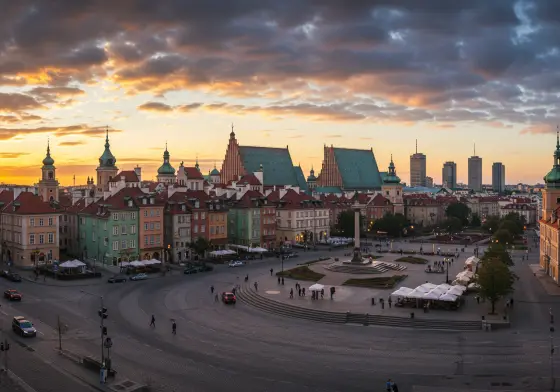 Аеропорт
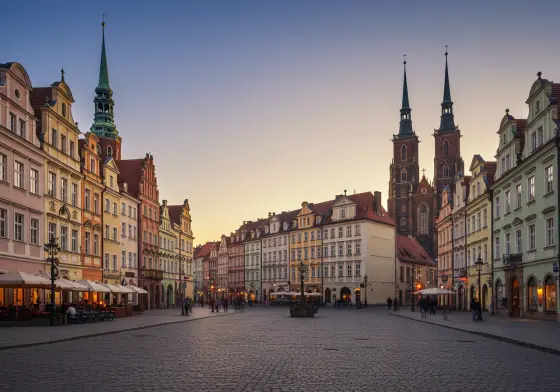 Аеропорт
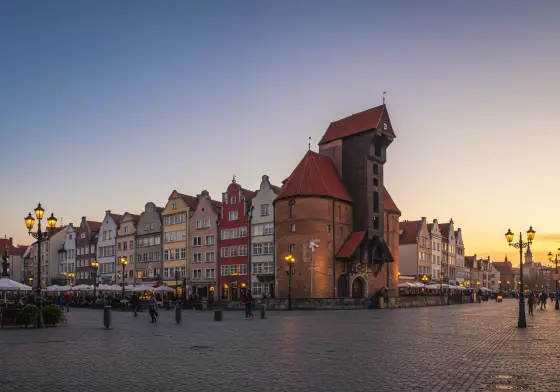 Аеропорт
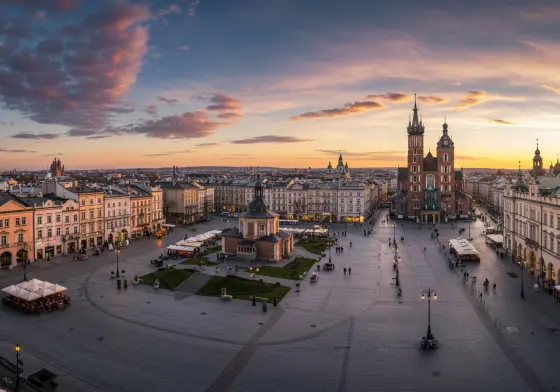 Аеропорт
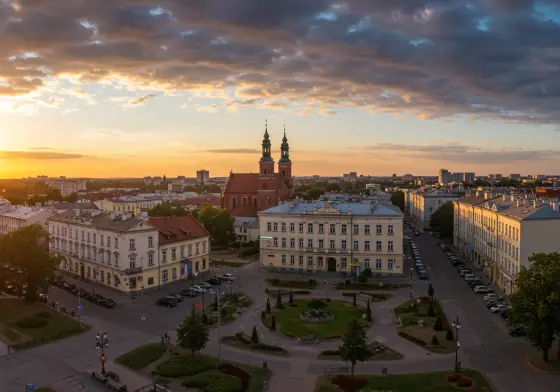
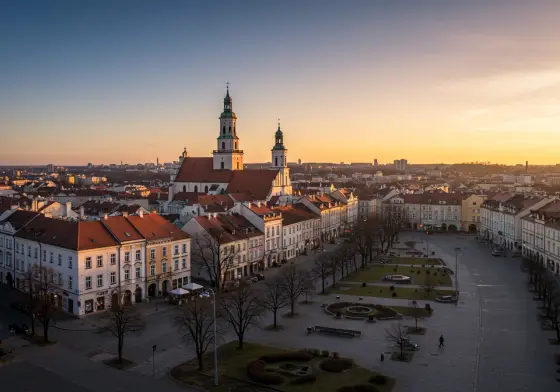
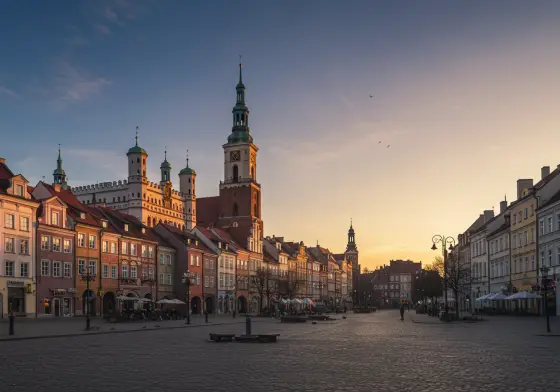
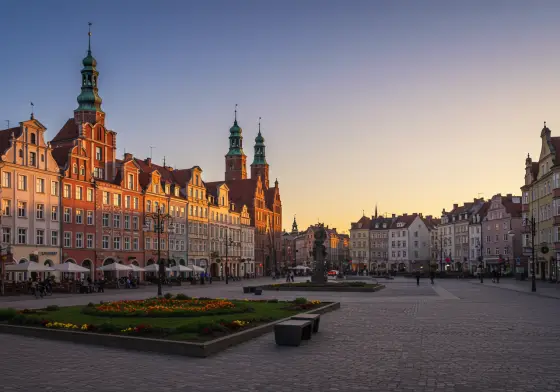
Car Rental in Poland
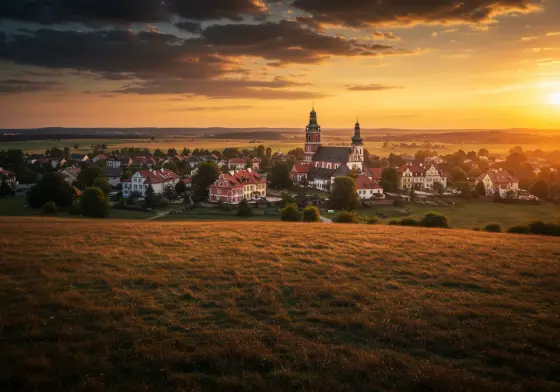
Did you know Poland boasts over 27,000 kilometers of national roads, many of which lead to stunning destinations like the medieval Wawel Castle in Krakow? With your own vehicle, navigating these well-maintained routes opens up a world of vibrant cities, picturesque countryside, and historical treasures often missed by public transport.
Прокатники
The car rental market in Poland is quite competitive, featuring a mix of large international chains such as Hertz, Avis, Europcar, and Budget, alongside numerous local agencies. International brands typically offer newer fleets and more standardized services, often at a higher price point. Local companies can sometimes provide more budget-friendly options or unique vehicle types. Aggregators like RentoRika allow you to compare prices and options from both international and local suppliers, making it easier to find a deal that suits your needs and budget.
Які документи потрібні
To rent a car in Poland, you generally need a valid driver's license from your home country, held for at least one year (some companies require two years). An International Driving Permit (IDP) is highly recommended, especially if your license is not in English or does not use the Latin alphabet, although it's not strictly legally required for all nationalities for short stays. You will also need your passport or national ID card, and a major credit card in the main driver's name for the security deposit. The minimum age to rent a car is typically 21, but drivers under 25 may incur a young driver surcharge.
Оплата та депозит
Most car rental companies in Poland require a credit card in the main driver's name for both payment and the security deposit. Debit cards are sometimes accepted for payment but rarely for the deposit, which can range from a few hundred to over a thousand Euros depending on the vehicle class and supplier. Prepayment online often secures better rates. Cash payments for the rental fee are uncommon, and cash deposits are almost never accepted. Some local companies might offer options for a reduced deposit or no deposit, but these are less frequent and usually come with higher daily rates or stricter insurance requirements.
Скільки коштує оренда
Car rental prices in Poland vary significantly based on seasonality, vehicle type, and booking lead time. You can find economy cars for as low as ≈15-20 EUR per day during off-peak seasons, while summer months and holidays typically see prices rise to ≈30-50 EUR or more for similar vehicles. Luxury cars or larger SUVs can cost upwards of ≈80-150 EUR daily. Booking well in advance, especially for summer (June-August) and around major holidays like Christmas and Easter, is advisable to secure better rates and availability.
Ціна по місяцях, €
ПДР і штрафи
In Poland, driving is on the right side of the road, and overtaking is on the left. Headlights must be on at all times, day and night, regardless of weather conditions. Speed limits are generally 50 km/h in urban areas (60 km/h between 11 PM and 5 AM), 90 km/h on single carriageways outside built-up areas, 100 km/h on dual carriageways, 120 km/h on expressways, and 140 km/h on motorways. Seatbelts are mandatory for all occupants. The legal blood alcohol limit is very strict at 0.02%. Using a mobile phone without a hands-free system while driving is prohibited. Winter tires are not legally mandatory but are highly recommended during colder months, especially in mountainous regions.
Парковки
Parking in Polish cities can be challenging, especially in older town centers. Most major cities have paid parking zones (Strefa Płatnego Parkowania) which operate during weekdays, typically from 8 AM to 6 PM. You'll usually find parking meters where you can pay by coin or card, or via mobile apps. Illegally parked cars are subject to fines and can be towed. Outside city centers, free parking might be available, but always check signage carefully. Many hotels offer private parking, which is a convenient option.
Заправки
Fuel prices in Poland are comparable to other Central European countries and are generally lower than in Western Europe. Both unleaded petrol (benzyna bezołowiowa) and diesel (olej napędowy) are widely available. LPG (autogaz) is also common at many stations. Fuel stations are plentiful, especially along main roads and in urban areas. Most stations accept credit cards, but it's always good to have some cash on hand for smaller, independent stations. Prices are displayed per liter.
Яке авто обрати
For city driving and short trips, a compact or economy car is ideal due to narrow streets and easier parking. If you plan to explore the mountainous regions, like the Tatras or Bieszczady, or travel long distances with luggage, a more powerful sedan or an SUV would provide greater comfort and stability. For winter travel, especially outside major cities, a vehicle equipped with winter tires is highly advisable, and some rental companies offer chains as an add-on. Consider a car with good ground clearance if you anticipate driving on unpaved rural roads.
Плюси
- Excellent road network, especially modern motorways, connecting major cities.
- Affordable car rental rates compared to Western European countries.
- Freedom to explore diverse landscapes, from Baltic beaches to mountain ranges.
- Access to charming smaller towns and national parks not easily reached by public transport.
- Generally lower fuel costs than many other European nations.
Мінуси
- Strict alcohol driving laws with a very low tolerance.
- Urban parking can be difficult and expensive in city centers.
- Some rural roads may be in poorer condition, especially in eastern parts of the country.
- Aggressive driving habits are sometimes observed, particularly in cities.
- Toll roads on some motorways, requiring payment by cash, card, or electronic systems.
Також рекомендуємо
Часті запитання
Do I need an International Driving Permit (IDP) in Poland?
While not always legally required for all nationalities for short tourist stays, an IDP is strongly recommended if your national license is not in English or does not use the Latin alphabet. It translates your license into multiple languages, which can be very helpful if you are stopped by police or involved in an accident.
Are there toll roads in Poland?
Yes, some sections of Poland's motorways (autostrady) are toll roads, notably the A1, A2, and A4. Payment can be made at toll booths using cash (PLN or EUR, though change in EUR might be limited), credit cards, or electronic systems like ViaToll or e-Toll. Check your rental agreement for information on how tolls are handled.
What side of the road do they drive on in Poland?
In Poland, people drive on the right-hand side of the road, and the steering wheel is on the left side of the car, similar to most of continental Europe.
What is the minimum age to rent a car in Poland?
The minimum age for car rental in Poland is typically 21 years old. However, many rental companies impose a 'young driver' surcharge for drivers under the age of 25. Some premium vehicle categories may also have a higher minimum age requirement.
Are winter tires required in Poland?
Winter tires are not legally mandatory in Poland, but they are highly recommended during the winter months (roughly November to March), especially if you plan to drive outside of major cities or in mountainous areas where snow and ice are common. Some rental companies may provide them as standard or as an optional extra.
Can I cross borders into neighboring countries with a rental car from Poland?
Generally, yes, but you must inform your rental company in advance. There might be additional fees, and you'll need to ensure you have the necessary documentation and insurance coverage for international travel. Crossing into some countries, particularly outside the EU/Schengen area, might be restricted or require specific permits.