Country
Car Rental in Serbia
Відкрийте будь-яке місто напряму або перейдіть до пошуку з обраним напрямком.
Міста
Усі міста в Сербія
Car Rental in Serbia
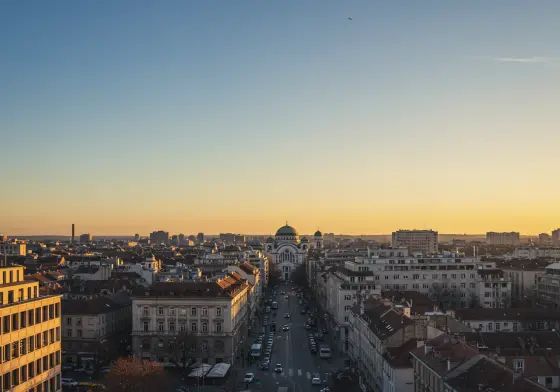
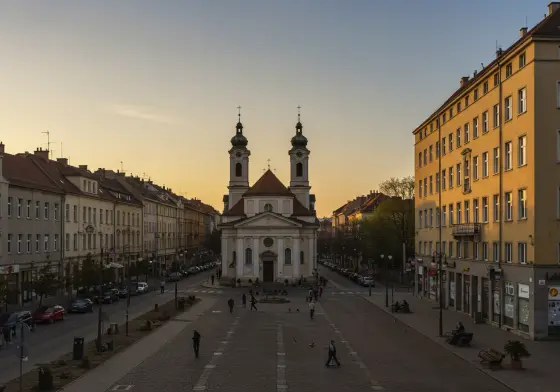
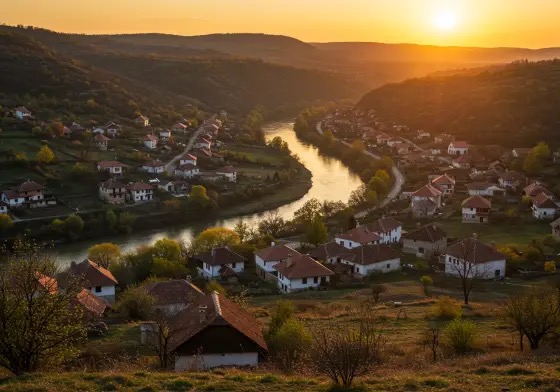
Touch down at Belgrade Nikola Tesla Airport and pick up your keys, ready to hit the E75 south towards the ancient monasteries of Fruška Gora or the vibrant city of Novi Sad. A rental car is your ticket to experiencing Serbia's rich history and stunning landscapes on your own terms, from the dramatic Uvac Canyon to the charming villages of Šumadija.
Прокатники
The car rental market in Serbia is a mix of well-known international chains like Hertz, Avis, and Enterprise, alongside a strong presence of local Serbian agencies. While international brands offer standardized services, local providers often have competitive pricing and a more personalized approach. Aggregators, such as RentoRika, allow you to compare offers from both types of suppliers, ensuring you find the best vehicle and terms for your journey, often with more transparent pricing and a wider selection.
Які документи потрібні
To rent a car in Serbia, you will generally need a valid driver's license from your home country, held for at least one year. An International Driving Permit (IDP) is highly recommended, and sometimes required, especially if your national license is not in Latin script. You'll also need your passport or national ID card, and a credit card in the main driver's name for the security deposit. The minimum age for renting is typically 21, though some companies may have a higher age requirement (e.g., 23) or charge a young driver's fee for those under 25.
Оплата та депозит
Most car rental companies in Serbia require a credit card in the main driver's name for the security deposit, which can range from a few hundred to over a thousand Euros depending on the car category. While some local agencies might accept cash for the rental fee, a credit card is almost universally required for the deposit. Prepayment of the rental cost is often possible online, sometimes at a reduced rate. Deposit-free options are rare and usually come with higher insurance costs or are tied to specific premium packages.
Скільки коштує оренда
Car rental prices in Serbia can vary significantly based on seasonality, car type, and rental duration. During peak tourist seasons like summer (July-August) and around major holidays, prices tend to be higher due to increased demand. Expect daily rates to range from approximately 20 EUR for a compact car in the off-season to 60 EUR or more for larger vehicles or SUVs during high season. The lowest daily price can be around 15-20 EUR for a very basic economy car booked well in advance during the quietest months.
Ціна по місяцях, €
ПДР і штрафи
In Serbia, driving is on the right side of the road, and overtaking is on the left. Seatbelts are mandatory for all occupants. Headlights must be on at all times, day and night, even in clear weather. The speed limits are generally 50 km/h in urban areas, 80 km/h outside urban areas, 100 km/h on expressways, and 130 km/h on motorways. Alcohol limits are strict, with a legal blood alcohol content (BAC) limit of 0.2‰. Using a mobile phone without a hands-free system is prohibited. Be aware of trams in larger cities and respect pedestrian crossings. Road signs are generally in Cyrillic, with Latin transliterations often provided on main routes.
Парковки
Parking in Serbian cities, especially Belgrade and Novi Sad, is typically zone-based and paid. Zones are usually marked by different colors (red, yellow, green), indicating varying time limits and prices. You can pay via SMS or by purchasing parking tickets at kiosks. Parking outside designated areas can result in fines or your vehicle being towed. In smaller towns and rural areas, parking is often easier to find and may be free. Always check for parking signs and regulations.
Заправки
Fuel stations are widely available throughout Serbia, including major highways and urban centers. Both unleaded gasoline (BMB 95 and BMB 98) and diesel are readily accessible. LPG (Autogas) is also common. Fuel prices are regulated by the government and are generally comparable to or slightly lower than Western European averages. As of 2026, expect prices to be in the range of approximately 1.60-1.80 EUR per liter for gasoline and diesel. Most stations accept cash and credit cards.
Яке авто обрати
For city driving and exploring main tourist routes, a compact or economy car is usually sufficient and easier to park. If you plan to venture into mountainous regions like Kopaonik or Tara National Park, especially outside of summer, an SUV or a car with higher ground clearance might be more comfortable and practical due to potentially less-maintained roads. For winter travel, snow tires are mandatory from November 1 to April 1, and snow chains should be carried in mountainous areas.
Плюси
- Freedom to explore diverse landscapes, from vibrant cities to national parks.
- Access to remote historical sites and charming villages not easily reachable by public transport.
- Generally good road infrastructure on main routes and motorways.
- Competitive rental prices compared to many Western European countries.
- Opportunity to cross borders into neighboring countries with prior arrangement.
Мінуси
- Traffic in major cities, particularly Belgrade, can be heavy and challenging.
- Road quality in rural areas can vary significantly, with some roads poorly maintained.
- Parking in city centers can be difficult and expensive.
- Cyrillic road signs can be confusing for drivers unfamiliar with the alphabet, though Latin transliterations are often present.
- Strict alcohol driving limits and mandatory headlight usage can catch unaware drivers off guard.
Також рекомендуємо
Часті запитання
Is it safe to drive in Serbia?
Yes, generally it is safe to drive in Serbia. Main roads and highways are well-maintained. However, be aware of varying road quality in rural areas, and always adhere to local traffic laws, especially speed limits and alcohol restrictions.
Do I need an International Driving Permit (IDP) for Serbia?
While not always strictly enforced if your national license is in Latin script, an IDP is highly recommended and can be required by some rental agencies or police, especially if your license is in a non-Latin alphabet. It serves as an official translation of your home license.
What side of the road do they drive on in Serbia?
In Serbia, vehicles drive on the right-hand side of the road, and overtaking is done on the left.
Are there tolls on Serbian roads?
Yes, there are tolls on most major motorways in Serbia. Payment can usually be made in Serbian Dinars (RSD) or Euros (EUR), and credit cards are generally accepted at toll booths. The cost depends on the distance traveled and vehicle category.
Can I take my rental car from Serbia to neighboring countries?
Yes, cross-border travel is often possible, but you must inform your rental company in advance. They will arrange for the necessary green card insurance and potentially charge a fee for border crossing documentation. Always confirm this with your rental provider before making plans.
Are winter tires mandatory in Serbia?
Yes, winter tires are mandatory in Serbia from November 1 to April 1, regardless of weather conditions. In mountainous regions, carrying snow chains is also often required during this period.