Country
Car Rental in Argentina
Open any city directly or jump straight to search with your chosen destination.
Cities
All cities in Argentina
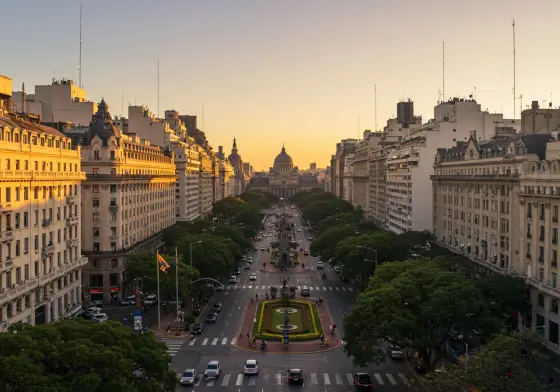 Airport
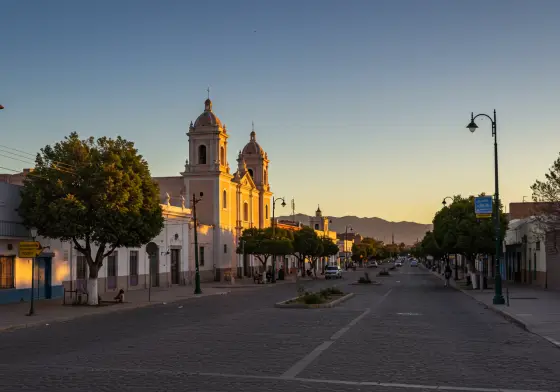 Airport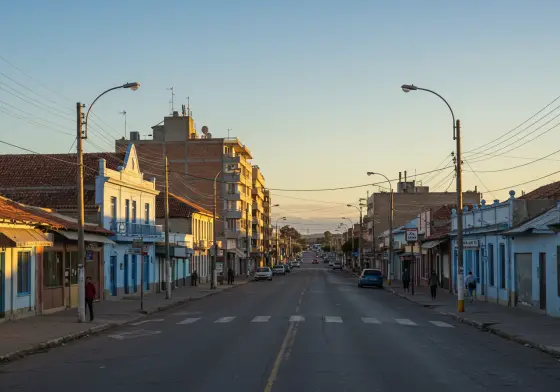
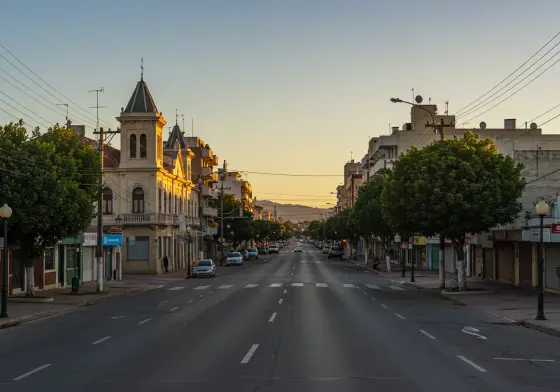








Car Rental in Argentina
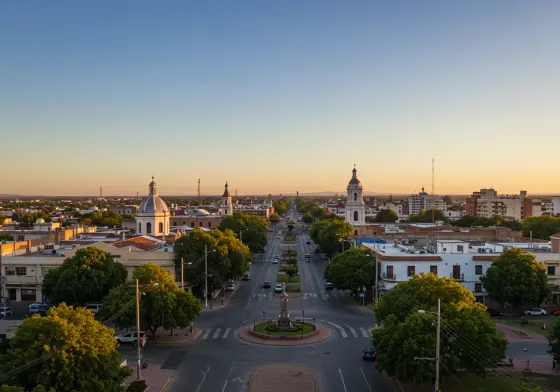
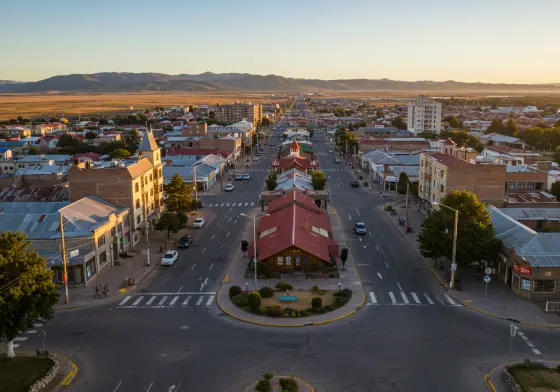
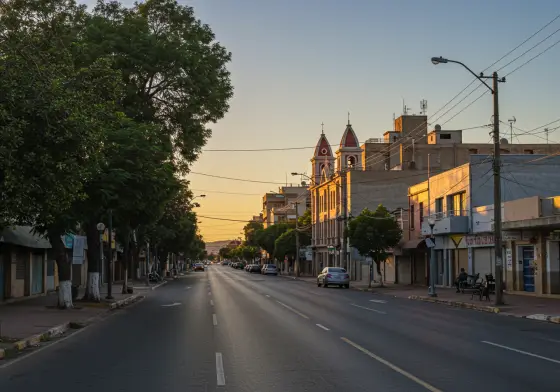
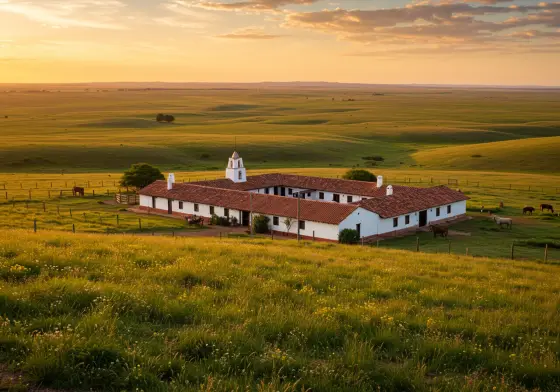
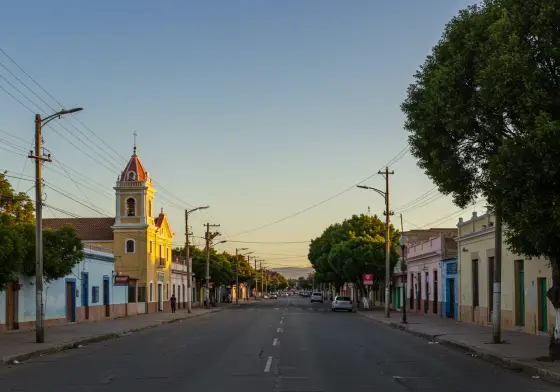
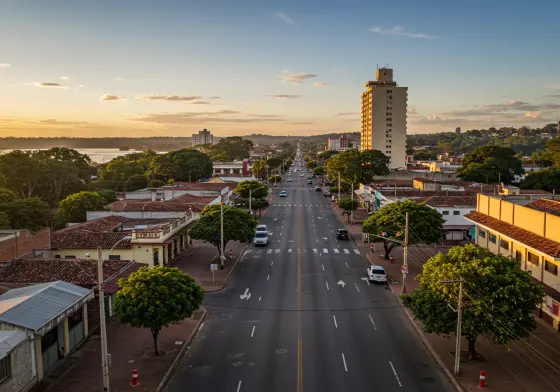
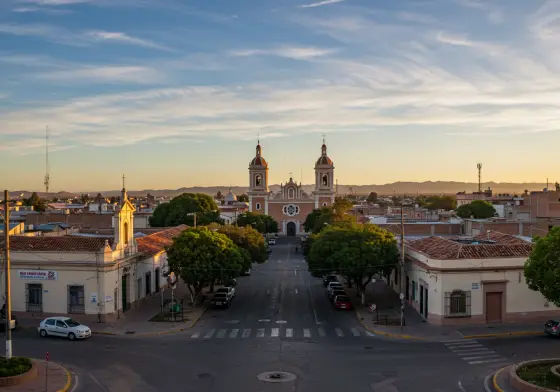
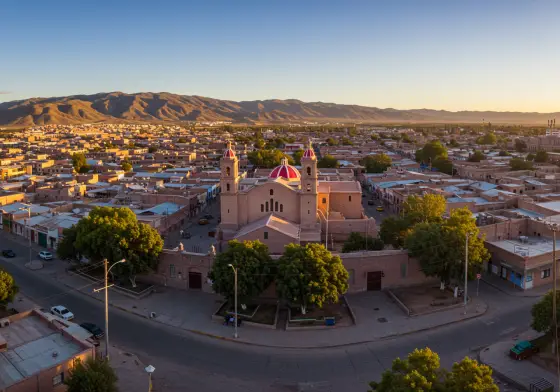
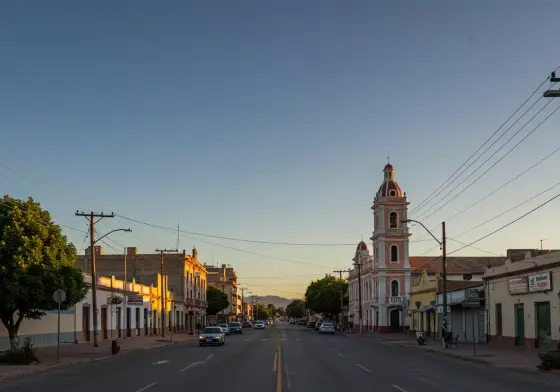
From the bustling streets of Buenos Aires to the dramatic peaks of Patagonia, a rental car unlocks the vast, breathtaking landscapes of Argentina. Navigate the iconic Ruta 40, stop at vineyards in Mendoza, or explore the remote beauty of Tierra del Fuego at your own pace. With your own wheels, every corner of this diverse nation becomes an accessible adventure.
Rental companies
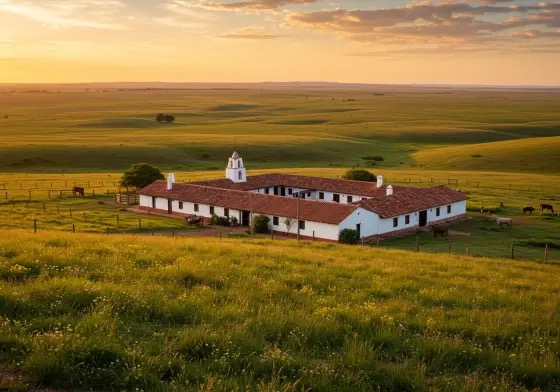
Argentina's car rental market features a mix of well-known international chains like Hertz, Avis, and Europcar, alongside numerous local agencies. While international brands offer consistency, local providers can sometimes offer more competitive rates or specialized vehicles. Aggregators, such as RentoRika, provide a convenient way to compare prices and options from both international and local suppliers, helping you find the best deal for your trip.
What documents you need
To rent a car in Argentina, you'll generally need a valid driver's license from your home country, an International Driving Permit (IDP) which is highly recommended and often required by rental companies, and a major credit card in the main driver's name. Drivers typically need to be at least 21 years old, though some companies may require drivers to be 23 or 25, and those under 25 might face a young driver surcharge. You should have held your license for at least one year.
Payment and deposit
Most car rental companies in Argentina require a credit card for payment and a security deposit. The deposit amount can vary significantly based on the vehicle type and rental company, often ranging from several hundred to over a thousand US dollars. This deposit is usually blocked on your credit card and released after the car is returned in good condition. While prepayment options are common for booking, cash payments for the full rental amount are rarely accepted, and deposit-free options are generally not available.
How much rental costs
Car rental prices in Argentina fluctuate based on seasonality, vehicle type, and booking lead time. Daily rates can start from approximately 30-40 USD in the low season for economy cars, rising to 60-80 USD or more during peak travel times like summer (December-February) or major holidays. SUV and 4x4 vehicles, especially needed for certain Patagonian routes, will naturally be more expensive. Booking well in advance, particularly for popular periods, can help secure better rates.
Price by month, €
Traffic rules and fines
In Argentina, traffic drives on the right-hand side of the road. Speed limits are generally 40-60 km/h in urban areas, 80-110 km/h on rural roads, and up to 130 km/h on highways, though these can vary and are always signposted. Seatbelts are mandatory for all occupants. Headlights must be on at all times on highways, even during the day. Be aware of toll roads, especially around major cities. Drink-driving laws are strict, with varying blood alcohol limits depending on the province, often 0.5 g/L or even 0.0 g/L in some areas.
Parking
Parking in Argentine cities can be challenging. In central areas, street parking is often metered or requires payment to 'trapitos' (informal parking attendants), which is not always regulated. It's safer and often more convenient to use paid parking garages (estacionamientos) which are common in urban centers. In smaller towns and rural areas, parking is generally easier to find and often free.
Fuel stations
Fuel stations are widely available in and around cities, but can be sparse in remote regions, especially in Patagonia. It's advisable to fill up whenever you have the opportunity, particularly before long drives in less populated areas. Fuel types are usually Nafta Super (regular unleaded) and Nafta Premium (premium unleaded), along with Diesel. Prices are regulated and generally similar across different brands, though slight variations exist. As of 2026, expect prices for gasoline to be approximately 0.8-1.2 USD per liter, subject to market fluctuations.
Which car to choose
The best car for your trip depends heavily on your itinerary. For city driving and well-paved routes between major towns, an economy or compact car is usually sufficient. If you plan to explore Patagonia, the Andes, or more rural areas with unpaved roads (ripio), a 4x4 or SUV is highly recommended for comfort, safety, and ground clearance. Consider a car with a larger trunk if you're carrying significant luggage or camping gear.
Pros
- Freedom to explore diverse landscapes at your own pace, from mountains to coast.
- Access to remote natural attractions and national parks not easily reached by public transport.
- Flexibility to change plans and discover hidden gems.
- Well-maintained major highways connecting key cities.
Cons
- Driving in major cities like Buenos Aires can be chaotic and challenging.
- Some rural roads, especially in Patagonia, can be unpaved (ripio) and require a robust vehicle.
- Fuel stations can be far apart in remote areas, requiring careful planning.
- Toll roads and varying provincial traffic laws can be confusing for first-time visitors.
You may also like
Frequently asked questions
Do I need an International Driving Permit (IDP) to rent a car in Argentina?
Yes, while some rental agencies might accept just your national license, an International Driving Permit (IDP) is highly recommended and often required by law in Argentina. It translates your license into multiple languages, which is crucial for local authorities.
What is the minimum age to rent a car in Argentina?
The minimum age to rent a car in Argentina is typically 21 years old. However, many rental companies impose a young driver surcharge for those under 25, and some premium car categories may require drivers to be 25 or older.
Are there toll roads in Argentina?
Yes, there are toll roads (peajes) in Argentina, particularly around major cities like Buenos Aires and on some inter-city highways. Tolls can usually be paid in local currency (Argentine Pesos) in cash, and sometimes by credit card.
What kind of car should I rent for a trip to Patagonia?
For a trip to Patagonia, especially if you plan to explore national parks or drive on unpaved roads (ripio), an SUV or a 4x4 vehicle is strongly recommended. These cars offer better ground clearance and durability for challenging terrains, enhancing both safety and comfort.
Can I cross borders to neighboring countries with a rental car from Argentina?
Border crossing with a rental car from Argentina is usually possible but requires prior arrangement with the rental company. You will need special authorization and additional insurance, which often comes with an extra fee. Always inform your rental provider of your travel plans well in advance.
What are the general speed limits in Argentina?
General speed limits are approximately 40-60 km/h in urban areas, 80-110 km/h on rural roads, and up to 130 km/h on highways. Always pay attention to posted signs, as limits can vary by province and specific road sections.