Country
Car Rental in Armenia
Open any city directly or jump straight to search with your chosen destination.
Cities
All cities in Armenia
 Airport
 Airport
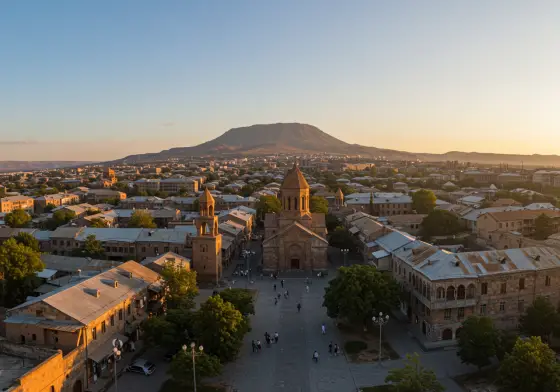
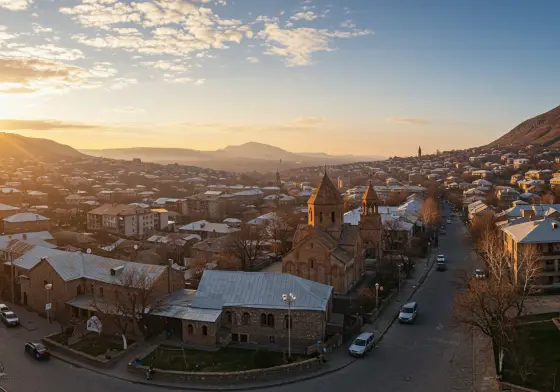
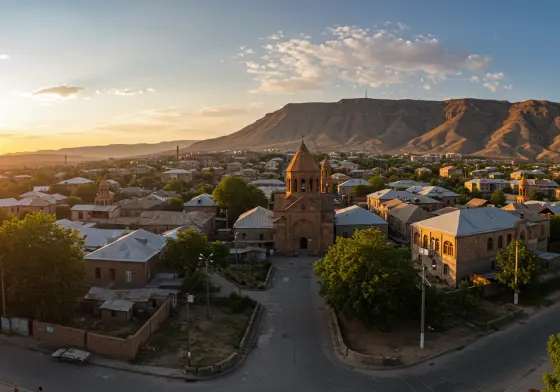
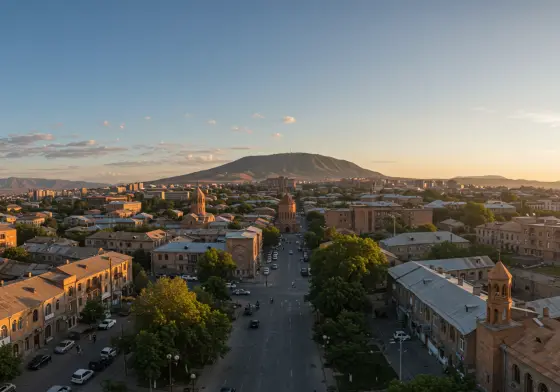
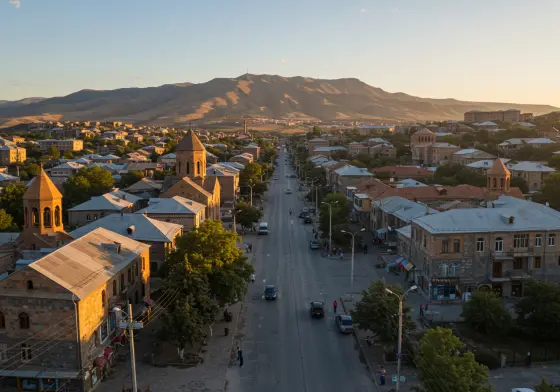
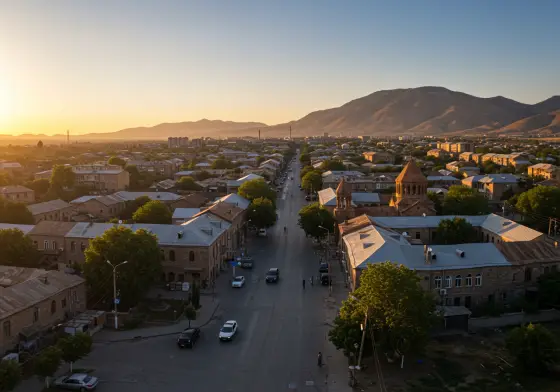
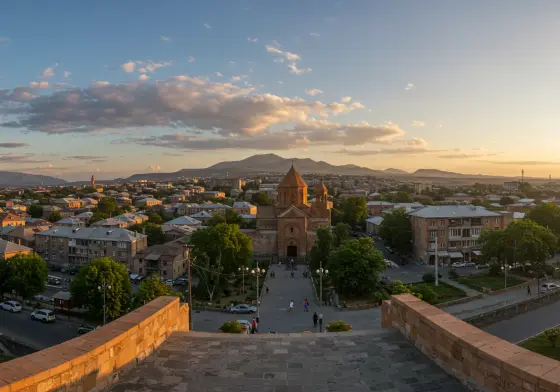
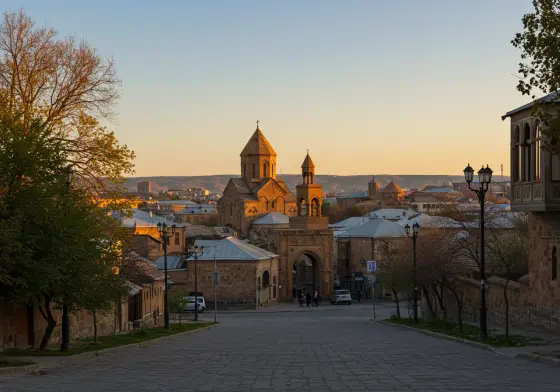
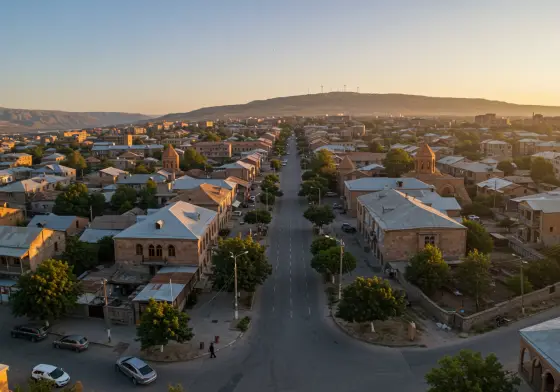
Car Rental in Armenia
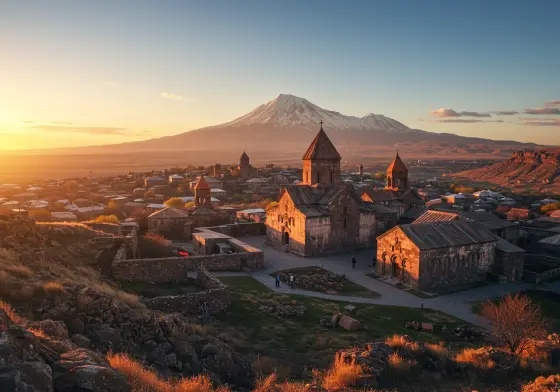
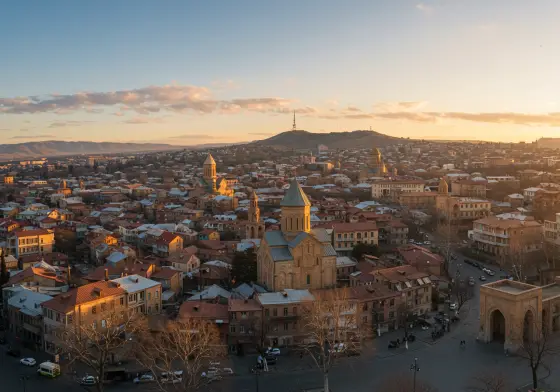
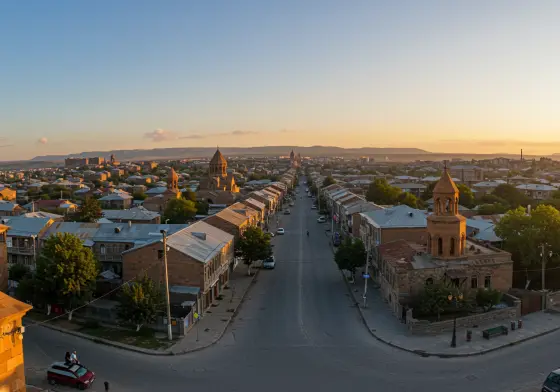
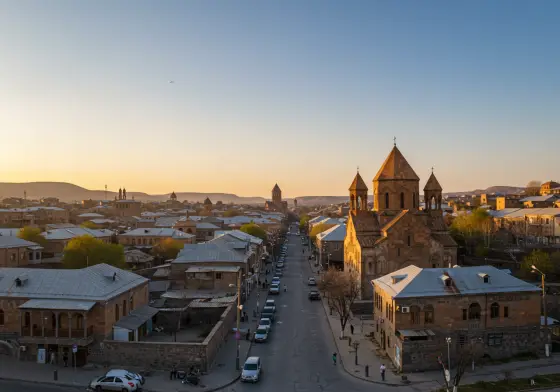
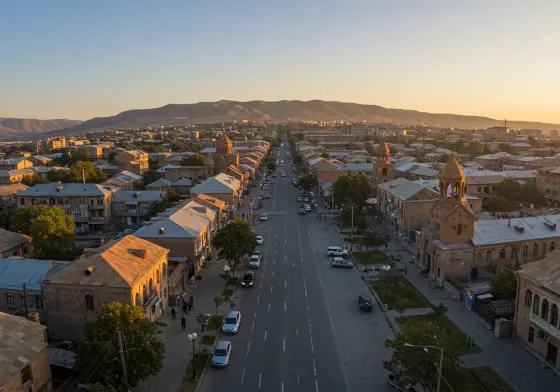
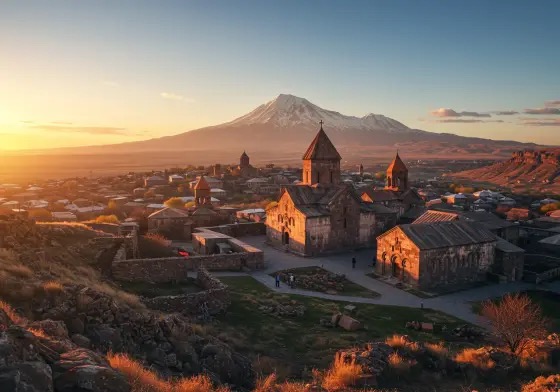
Did you know that Armenia is home to the world's oldest winery, dating back over 6,000 years? To truly savor the rich history and breathtaking landscapes, from the ancient monastery of Tatev to the shores of Lake Sevan, a car rental is your ideal companion.
Rental companies
The car rental market in Armenia features a mix of local agencies and a few international brands. Local companies often provide more competitive pricing and flexibility, sometimes with older but well-maintained fleets. International chains offer the familiarity of global standards and newer vehicles. Aggregators like RentoRika can be particularly useful, as they compare offers from various local and international suppliers, simplifying the booking process and often securing better rates than booking directly.
What documents you need
To rent a car in Armenia, you will typically need a valid national driving license from your home country, an International Driving Permit (IDP) if your license is not in Latin script, your passport, and a credit card in the driver's name for the deposit. Most rental companies require drivers to be at least 21 years old, with some requiring a minimum of 1-2 years of driving experience. Drivers under 25 may incur a young driver surcharge.
Payment and deposit
Most rental companies in Armenia require a credit card for both payment and a security deposit. Prepayment for the rental itself is common, either fully or partially, with the remainder due upon pick-up. Cash payments for the rental cost might be accepted by some local agencies, but a credit card is almost always mandatory for the security deposit, which can range from ≈200 USD to ≈800 USD, depending on the car category and supplier. Deposit-free options are rare and usually come with higher rental rates or stricter insurance requirements.
How much rental costs
Car rental prices in Armenia vary significantly by season, car type, and booking lead time. The lowest daily prices in 2026 can be around 25-35 USD for economy cars during the off-season. Peak tourist seasons, particularly summer (June-August) and certain holidays, see prices rise considerably, often reaching 50-70 USD per day or more for similar vehicles. Booking several weeks or months in advance, especially for popular periods, is highly recommended to secure better rates and availability.
Price by month, €
Traffic rules and fines
Driving in Armenia is on the right-hand side of the road. Speed limits are generally 60 km/h in urban areas, 90 km/h outside urban areas, and 110 km/h on motorways, though motorways are not extensive. Seatbelts are mandatory for all occupants. Drunk driving laws are strict, with a zero-tolerance policy for alcohol. Headlights must be on at all times, even during the day. Road conditions outside major cities can be challenging, with potholes and unpaved sections common. Be cautious of livestock on rural roads and aggressive driving habits in urban centers.
Parking
In Yerevan, paid parking zones are common, indicated by blue lines on the curb. You can pay for parking via SMS or through dedicated parking machines; rates are typically low, around 100-200 AMD per hour (≈0.25-0.50 USD). Free parking is available in many residential areas and some attractions outside the city center. Always check for signs and avoid parking in unmarked or restricted areas to prevent fines or towing. In smaller towns, parking is generally easier to find and often free.
Fuel stations
Fuel stations are widely available throughout Armenia, especially along main roads and in urban areas. The most common fuel types are gasoline (petrol) and diesel. Unleaded 92 and 95 octane gasoline are standard. Fuel prices are regulated and generally stable, often around 450-500 AMD per liter (≈1.15-1.30 USD per liter) for gasoline, but can fluctuate. It's advisable to fill up when you see a station, especially before long drives into remote areas, as stations can be sparse.
Which car to choose
For city driving and well-maintained main roads, a compact or economy car is perfectly adequate and fuel-efficient. However, if you plan to venture into the mountainous regions, visit remote monasteries like Tatev or Noravank, or explore less-traveled routes, a higher-clearance vehicle or an SUV is highly recommended. Many scenic and historically significant sites are accessed via unpaved or rough roads. During winter, a 4x4 with winter tires is essential for safe travel outside major cities.
Pros
- Freedom to explore diverse landscapes and remote historical sites at your own pace.
- Cost-effective for groups or families compared to guided tours or multiple taxis.
- Opportunity for spontaneous stops and detours to hidden gems.
- Well-developed road network connecting major cities, though quality varies.
- Scenic drives through mountains, valleys, and alongside ancient landmarks.
Cons
- Road quality can be poor in rural areas, with potholes and unpaved sections.
- Driving habits in urban centers can be aggressive and require alertness.
- Navigation can be challenging in some areas due to limited English signage.
- Winter driving conditions require experience and a suitable vehicle (4x4, winter tires).
- Strict zero-tolerance policy for alcohol consumption while driving.
You may also like
Frequently asked questions
What side of the road do they drive on in Armenia?
In Armenia, vehicles drive on the right-hand side of the road, similar to most of continental Europe and North America.
Do I need an International Driving Permit (IDP) to rent a car in Armenia?
Yes, if your national driving license is not in Latin script, an International Driving Permit (IDP) is required in conjunction with your original license. It's always a good idea to carry one, even if your license is in English, for smoother interactions with local authorities.
What is the minimum age to rent a car in Armenia?
The minimum age to rent a car in Armenia is typically 21 years old. Some rental companies may also require drivers to have held their license for at least 1-2 years, and drivers under 25 might incur a young driver surcharge.
Are credit cards essential for car rental in Armenia?
A credit card in the main driver's name is almost always essential for the security deposit, even if you pay the rental cost itself with cash or a debit card. Without a valid credit card for the deposit, you may be denied the rental.
Is it safe to drive in Armenia?
Driving in Armenia is generally safe, but requires caution, especially outside major cities. Road conditions can vary, from well-maintained highways to unpaved or potholed rural roads. Aggressive driving in urban areas and livestock on rural roads are common. Always drive defensively and be aware of your surroundings.
Can I cross borders to neighboring countries with a rental car from Armenia?
Cross-border travel with a rental car from Armenia is generally not permitted or requires specific prior arrangements and additional insurance from the rental company. It's crucial to inform your rental provider of any intentions to cross borders well in advance, as most standard rental agreements prohibit it without explicit permission.
Worth reading before you go
Cross-border car rental: Georgia, Armenia, Azerbaijan, Turkey (2026)
Can you drive a rental car from Georgia into Armenia or Turkey? A table of permissions, Green Card insurance, fees and documents.
Read →
Armenia road trip: from Yerevan to Tatev
A 5-day route in a rental car: Garni, Geghard, Khor Virap, Noravank monastery and the Tatev cable car.
Read →