Country
Car Rental in Bali
Open any city directly or jump straight to search with your chosen destination.
Cities
All cities in Bali
Car Rental in Bali
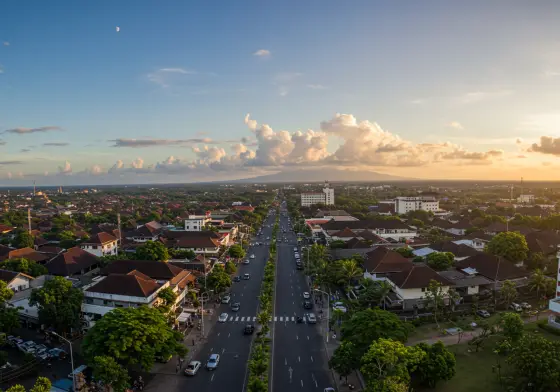
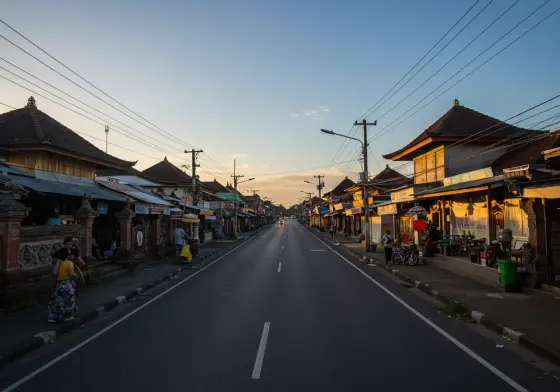
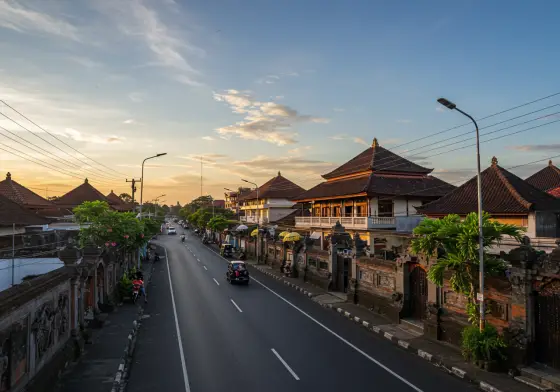
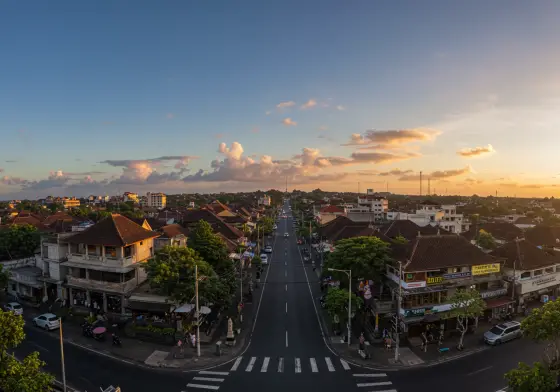
Stepping off your flight at Denpasar, eager to hit the beaches of Seminyak or embark on a sunrise trek up Mount Batur, a reliable car rental in Bali transforms your trip from planned itinerary to spontaneous adventure. Navigate the scenic coastal roads to Uluwatu's famous temples or venture inland to Ubud's rice paddies at your own pace, skipping crowded tour buses and unpredictable taxis.

Rental companies
The car rental market in Bali is primarily dominated by local agencies, offering a wide range of vehicles and often more flexible terms than larger international chains. While international brands do operate here, local providers are typically more budget-friendly and integrated into the island's specific needs. Aggregators like RentoRika can help you compare offers from various local suppliers, providing a convenient way to find the best deals and vehicle types for your trip.
What documents you need
To rent a car in Bali, you will generally need your valid national driving license, an International Driving Permit (IDP), and your passport. Drivers must typically be at least 21 years old, and some agencies may require a minimum of one year of driving experience. Always carry these documents with you when driving.
Payment and deposit
Payment for car rentals in Bali usually requires a credit card for both the rental fee and the security deposit. While some local agencies might accept cash for the rental fee, a credit card is almost universally required for the deposit. Deposit amounts vary but can range from approximately 500,000 to 3,000,000 IDR (around 30-200 USD). Deposit-free options are rare and usually come with higher daily rates or specific insurance requirements.
How much rental costs
Car rental prices in Bali vary significantly by season and vehicle type. Expect to pay anywhere from approximately 15 USD per day for a compact car during the low season to around 50 USD or more for an SUV or a newer model during peak times. The lowest daily prices can be found in the off-peak months, while demand and prices peak during the dry season, especially July and August, and around Christmas and New Year.
Price by month, €
Traffic rules and fines
In Bali, you drive on the left side of the road. Speed limits are typically 70 km/h on main roads and 50 km/h in urban areas, though these are often not strictly adhered to. Be prepared for chaotic traffic, especially in popular tourist zones, and always yield to larger vehicles. Helmets are mandatory for motorbikes but not for cars. Always use your horn to signal your presence, not necessarily aggression.
Parking
Parking in Bali can be challenging, especially in bustling areas like Kuta and Seminyak. Many hotels and guesthouses offer free parking. For public areas, you'll often find designated parking attendants who will charge a small fee, typically around 2,000-5,000 IDR (less than 1 USD). Look for official parking signs or ask locals if you're unsure.
Fuel stations
Fuel stations are widely available across Bali. The most common type of fuel is Pertamax or Pertalite. Prices are regulated by the government and are generally affordable, costing approximately 10,000-14,000 IDR per liter (around 0.60-0.90 USD per liter) as of 2026. Many small roadside stalls also sell fuel in glass bottles, which can be convenient but might be slightly more expensive.
Which car to choose
For navigating Bali's often narrow and winding roads, a compact SUV like a Toyota Avanza or Suzuki Ertiga is highly recommended. These vehicles offer a good balance of maneuverability, ground clearance for occasional unpaved roads, and space for luggage and passengers. Smaller hatchbacks are also suitable for couples, while larger families might opt for a Toyota Innova.
Pros
- Freedom to explore at your own pace and discover secluded spots.
- Cost-effective for groups or extended stays compared to daily taxis.
- Convenient for carrying luggage, surfboards, or shopping.
- Easier access to remote temples, waterfalls, and rice paddies.
Cons
- Traffic can be very heavy and chaotic, especially in south Bali.
- Road conditions vary, with some roads being narrow, unpaved, or potholed.
- Parking can be difficult and sometimes requires small payments.
- Navigating can be challenging due to less clear signage and local driving styles.
You may also like
Frequently asked questions
Is it safe to drive a rental car in Bali?
Driving in Bali requires caution due to heavy traffic and different driving customs, but it is generally safe if you drive defensively and are aware of your surroundings. Always ensure your rental car is in good condition and has proper insurance.
What kind of insurance should I get for a rental car in Bali?
It's highly recommended to have comprehensive insurance (CDW - Collision Damage Waiver) to cover potential damages. Some local rentals include basic insurance, but always clarify what is covered and consider purchasing additional coverage for peace of mind, especially for third-party liability.
Can I use Google Maps or Waze for navigation in Bali?
Yes, Google Maps and Waze are widely used and generally reliable for navigation in Bali. However, be aware that they might sometimes direct you down very narrow or unpaved roads. It's always good to have a local SIM card for data access.
Are there toll roads in Bali?
Yes, there is one main toll road in Bali, the Bali Mandara Toll Road, connecting Ngurah Rai International Airport with Nusa Dua, Benoa, and Sanur. The toll fees are minimal, typically around 11,000 IDR (less than 1 USD) for cars, and can be paid with an e-money card or sometimes cash.
What if I get into an accident with a rental car in Bali?
In case of an accident, first ensure everyone's safety. Then, contact your rental agency immediately and, if necessary, the local police. Do not move the car unless absolutely required for safety. Document everything with photos and gather contact information from any witnesses.