Country
Car Rental in Bosnia and Herzegovina
Open any city directly or jump straight to search with your chosen destination.
Cities
All cities in Bosnia and Herzegovina
Car Rental in Bosnia and Herzegovina
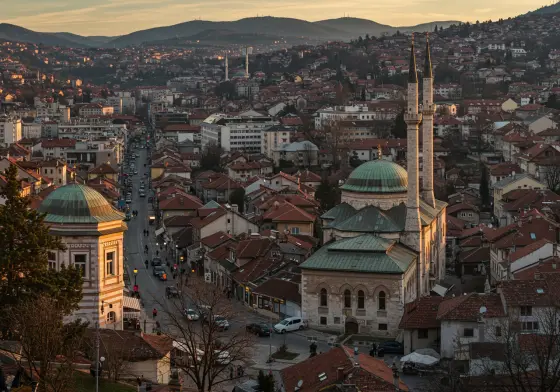
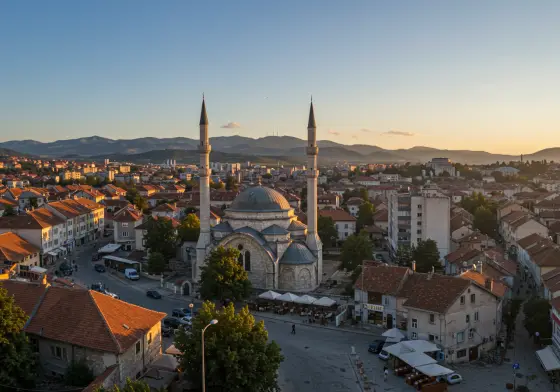
The crisp scent of mountain air and the distant echo of a call to prayer are your first greetings as you navigate the winding roads of Bosnia and Herzegovina. With a rental car, you can effortlessly transition from the historic cobbled streets of Mostar to the serene banks of the Una River, charting your own course through this captivating Balkan landscape.
Rental companies
The car rental market in Bosnia and Herzegovina is a mix of international brands like Enterprise, Hertz, and Sixt, alongside numerous smaller local agencies. While international companies offer consistency, local providers often provide more competitive pricing and flexible terms, especially for longer rentals or specific vehicle types. Aggregators like RentoRika can help travelers compare options from both local and international suppliers, often securing better deals and offering a wider selection of vehicles in one place. It's advisable to book in advance, especially during peak season, to ensure availability and the best rates.
What documents you need
To rent a car in Bosnia and Herzegovina, you will generally need a valid national driving license held for at least one year. An International Driving Permit (IDP) is highly recommended and often required, especially if your national license is not in a Latin script. You must also present your passport or national ID card and a credit card in the main driver's name for the security deposit. The minimum age for car rental is typically 21, and drivers under 25 may incur a young driver surcharge.
Payment and deposit
Most car rental companies in Bosnia and Herzegovina require a credit card in the main driver's name for the security deposit, which can range from a few hundred to over a thousand Euros depending on the car category. Full prepayment for the rental often secures better rates, though some agencies allow payment upon pickup. While some local agencies might accept cash for the rental fee, a credit card is almost universally required for the deposit. Deposit-free options are rare and usually come with significantly higher insurance costs or are tied to premium rental packages.
How much rental costs
Car rental prices in Bosnia and Herzegovina fluctuate significantly based on seasonality, vehicle type, and booking lead time. During the low season (winter months), daily rates can start from approximately 15-20 EUR for a basic economy car. In contrast, the peak summer months (July and August) see prices rise, with similar vehicles costing around 35-50 EUR per day or more. Mid-range sedans or SUVs will naturally be more expensive. Booking several weeks or months in advance, especially for summer travel, is crucial to securing the most favorable prices.
Price by month, €
Traffic rules and fines
Driving in Bosnia and Herzegovina is on the right side of the road. Speed limits are generally 50 km/h in urban areas, 80 km/h on open roads, and 130 km/h on motorways, though motorways are limited. Headlights must be on at all times, even during the day. Seatbelts are mandatory for all occupants. The legal blood alcohol limit is 0.03%, which is very strict, so it's best to avoid alcohol entirely if driving. Traffic police are present, and fines for infractions can be significant.
Parking
Parking in city centers like Sarajevo and Mostar can be challenging and often involves paid zones. Look for designated parking lots or street parking meters; payment is typically via coins, SMS, or mobile apps. Outside of major cities, parking is generally easier to find, especially in smaller towns and near tourist attractions, often free or for a small fee. Always check for signs indicating parking restrictions to avoid fines or towing.
Fuel stations
Fuel stations are widely available throughout Bosnia and Herzegovina, especially along main roads and in urban areas. Both unleaded gasoline (Eurosuper 95 and 98) and diesel (Eurodiesel) are readily accessible. LPG is also available at many stations. Fuel prices are comparable to other Balkan countries, generally lower than Western Europe, but can fluctuate. As of 2026, expect approximate prices of 1.30-1.60 EUR per liter for gasoline and diesel.
Which car to choose
For most travelers, a compact or economy car is sufficient for navigating city streets and main roads. If you plan to explore rural areas, mountainous regions, or drive during winter, an SUV or a car with higher ground clearance is highly recommended for better traction and comfort on less-maintained roads. During winter months (November to April), winter tires are mandatory, and snow chains may be required in higher elevations, so confirm these are provided by your rental company if traveling then.
Pros
- Freedom to explore diverse landscapes and historical sites at your own pace.
- Access to remote natural attractions and charming villages not easily reached by public transport.
- Cost-effective for group travel compared to individual public transport tickets.
- Scenic drives through mountains, along rivers, and across national parks.
Cons
- Road quality can vary significantly, with some rural roads being poorly maintained.
- Navigation can be tricky in older city centers with narrow streets and limited signage.
- Traffic can be heavy in major cities during peak hours.
- Parking can be difficult and costly in popular urban areas.
You may also like
Frequently asked questions
Do I need an International Driving Permit (IDP) to rent a car in Bosnia and Herzegovina?
Yes, an International Driving Permit (IDP) is highly recommended and often required, especially if your national driving license is not in a Latin script. It serves as a translation of your license.
What is the minimum age to rent a car in Bosnia and Herzegovina?
The minimum age for car rental is typically 21 years old. Drivers under the age of 25 may be subject to a young driver surcharge, which varies by rental company.
Are winter tires required in Bosnia and Herzegovina?
Yes, winter tires are mandatory from November 15th to April 15th. Ensure your rental car is equipped with them if traveling during this period. Snow chains might also be needed in certain mountainous regions.
What side of the road do they drive on in Bosnia and Herzegovina?
In Bosnia and Herzegovina, traffic drives on the right side of the road, and the steering wheel is on the left side of the car.
Is it safe to drive in Bosnia and Herzegovina?
Generally, driving in Bosnia and Herzegovina is safe, but road conditions can vary. Exercise caution, especially on rural roads and in mountainous areas. Be aware of local driving habits and follow traffic laws strictly.
Can I cross borders to neighboring countries with a rental car?
Most rental companies allow cross-border travel to neighboring countries like Croatia, Serbia, and Montenegro, but you must inform them in advance. An additional fee for a 'green card' (international insurance) may apply. Always confirm the specific terms with your rental provider.