Country
Car Rental in Bulgaria
Open any city directly or jump straight to search with your chosen destination.
Cities
All cities in Bulgaria
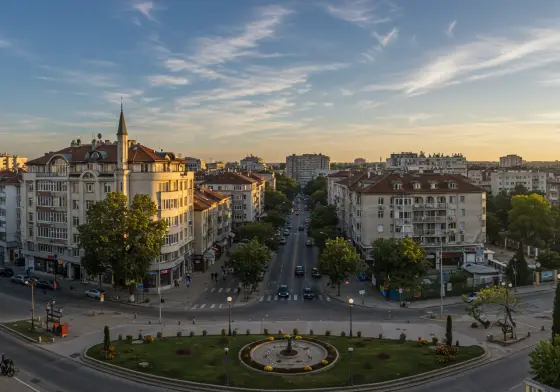 Airport
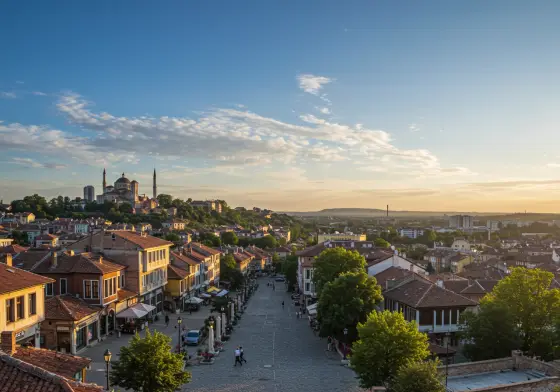 Airport
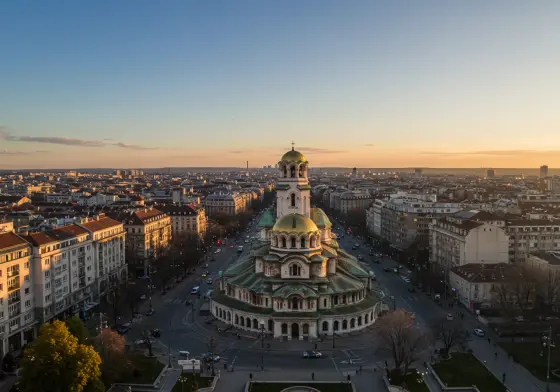 Airport
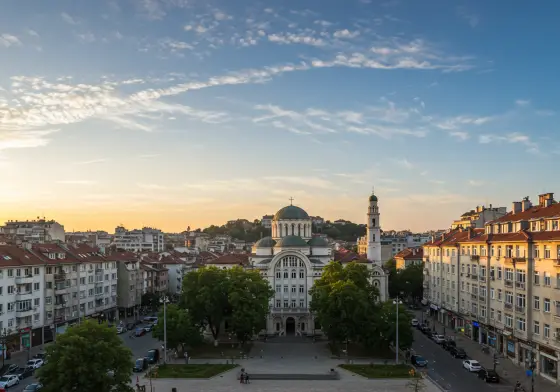 Airport
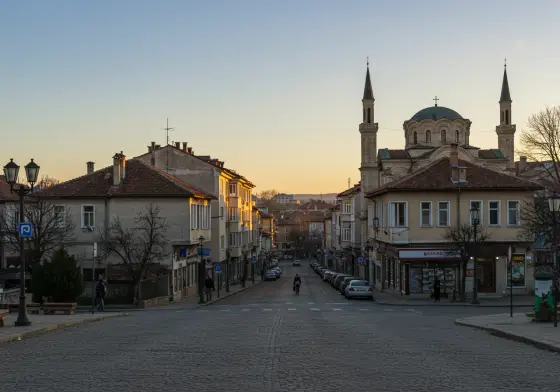
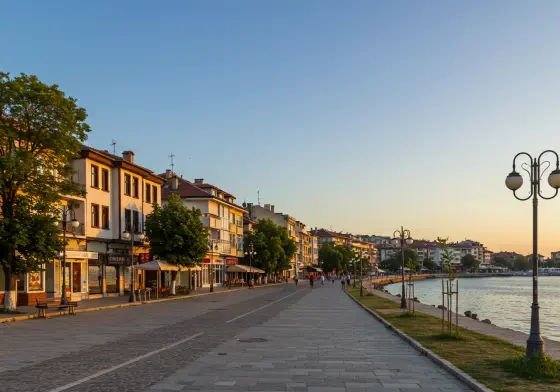
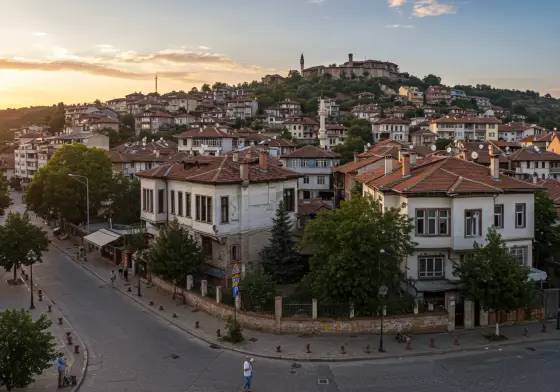
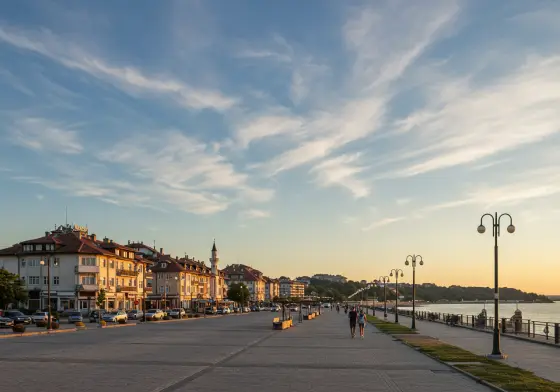
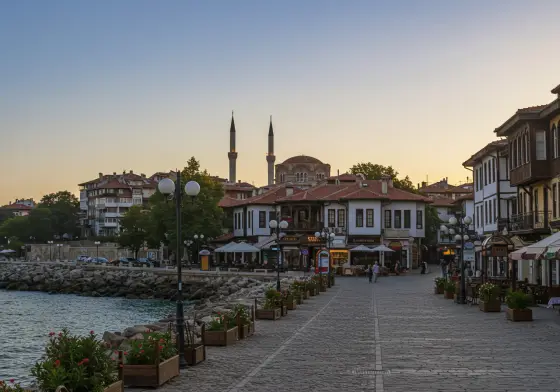
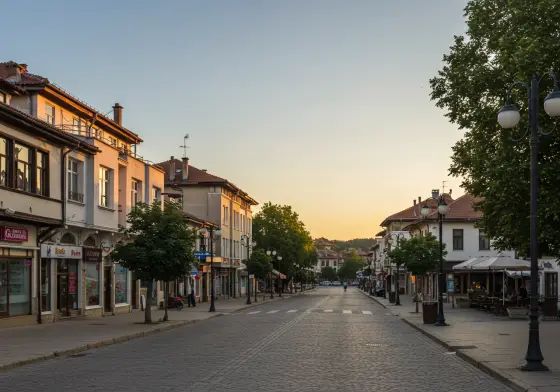
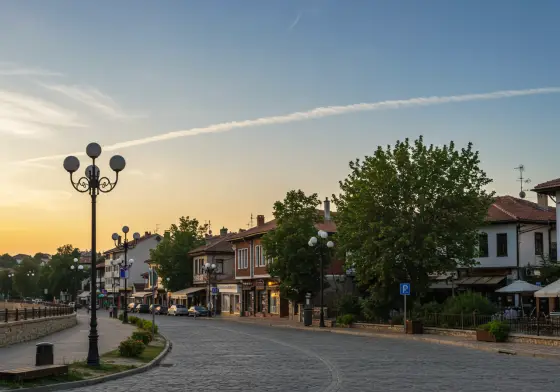
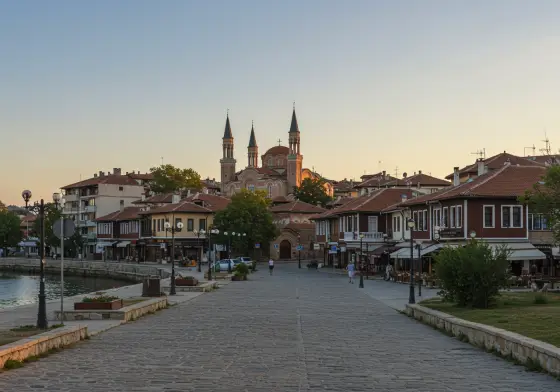
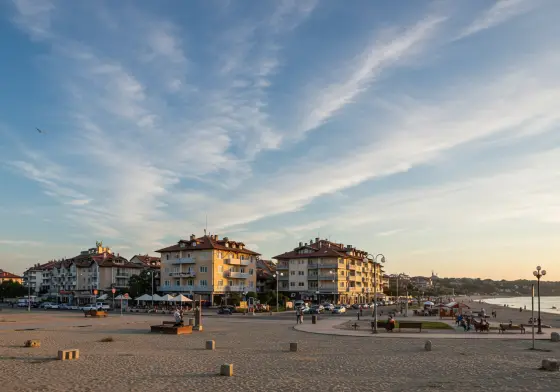
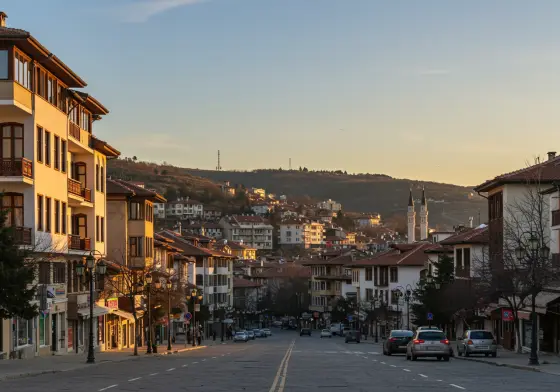
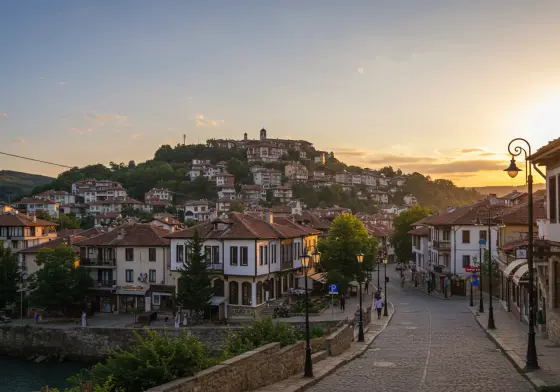
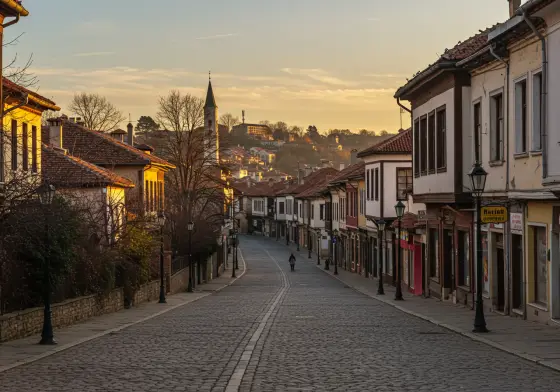
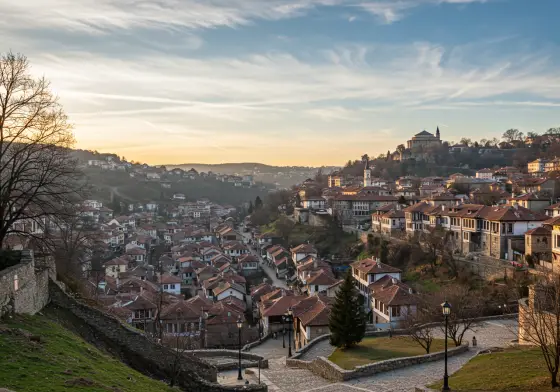
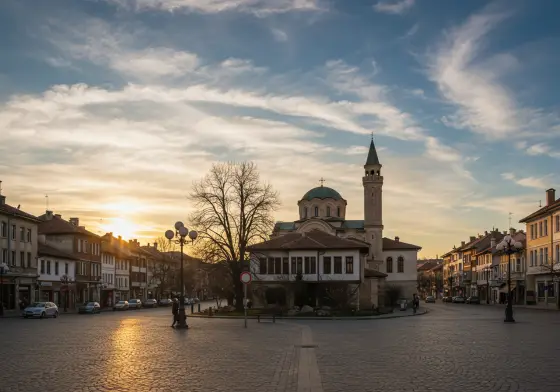
Car Rental in Bulgaria
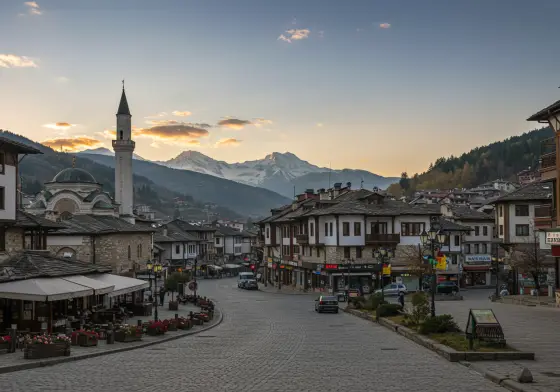
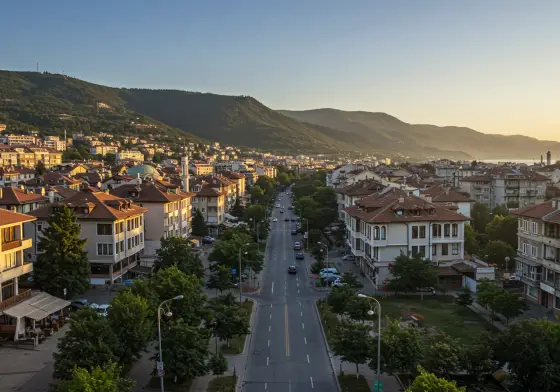
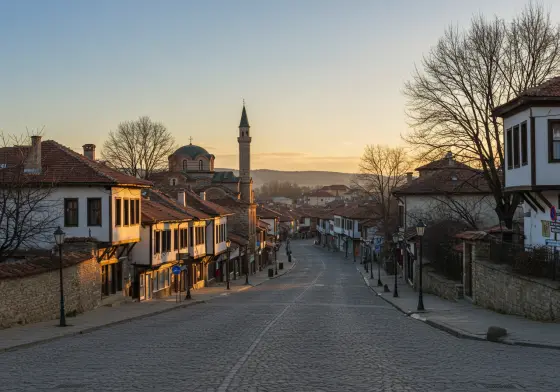
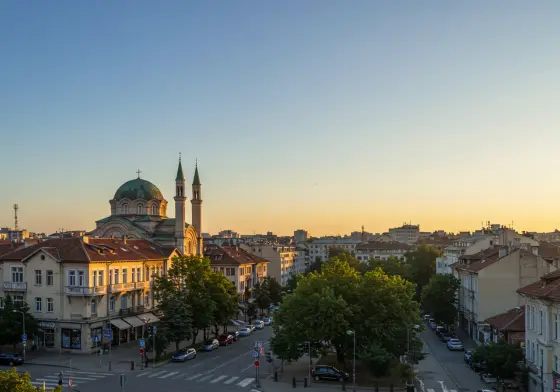
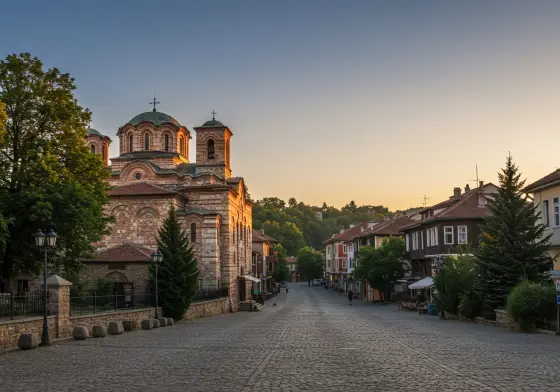
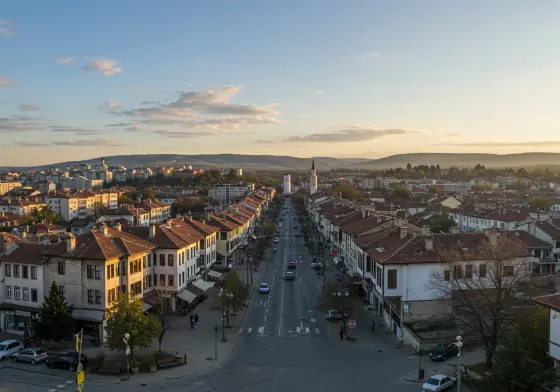
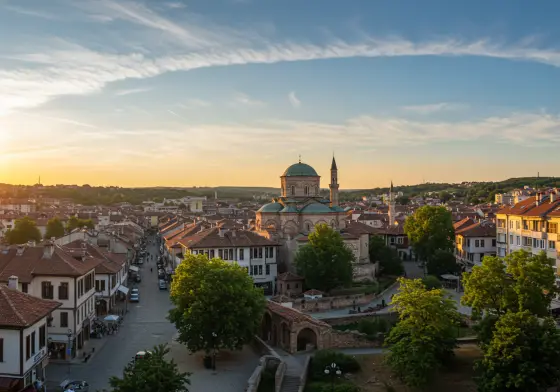
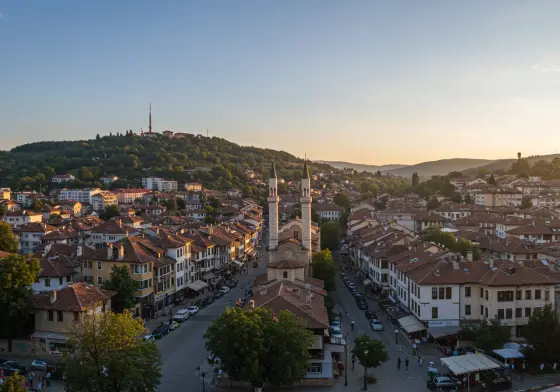
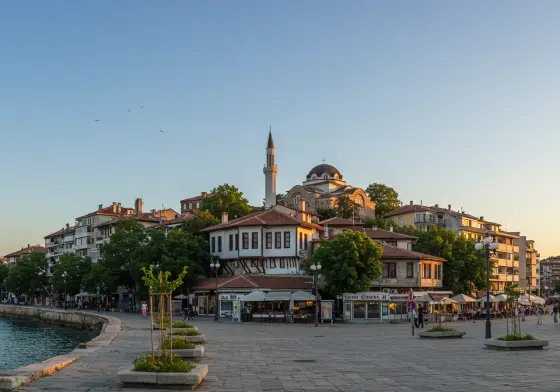
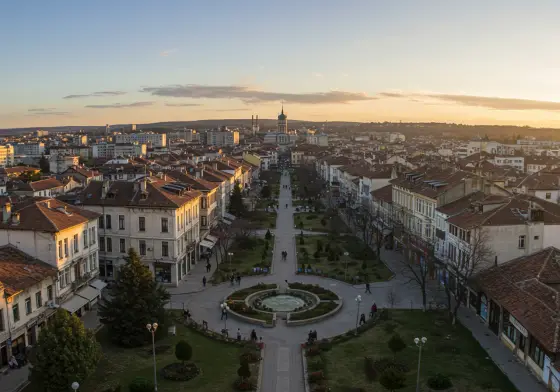
Just 30 minutes from the vibrant capital of Sofia, Vitosha Mountain beckons for a scenic drive, easily accessible when you pick up your car rental in Bulgaria. From there, the captivating Black Sea coast is a comfortable three-hour journey, ready for you to explore at your own pace.
Rental companies
The car rental market in Bulgaria is a mix of well-known international chains like Hertz, Avis, and Europcar, operating mainly at major airports and cities, alongside numerous local Bulgarian agencies. Local companies often provide more competitive pricing and a broader range of older, budget-friendly vehicles, especially for longer rentals. Aggregators like RentoRika allow you to compare offers from both international and local suppliers, simplifying the booking process and often securing better deals.
What documents you need
To rent a car in Bulgaria, you will generally need a valid national driving license held for at least one year. An International Driving Permit (IDP) is recommended, especially if your license is not in Latin script, though often not strictly required for EU citizens. You must also present your passport or national ID card and a valid credit card in the main driver's name for the security deposit. The minimum age for renting is usually 21, with some companies imposing a young driver surcharge for those under 25.
Payment and deposit
Most car rental companies in Bulgaria require a valid credit card (Visa, MasterCard, American Express) in the main driver's name for the security deposit. While some local agencies might accept debit cards or even cash for the rental fee itself, a credit card is almost universally needed for the deposit. Prepayment for the rental often secures better rates, with the deposit typically blocked on your card upon pickup. Deposit-free options are rare and usually come with higher rental costs or stricter insurance requirements.
How much rental costs
Car rental prices in Bulgaria fluctuate significantly throughout the year. During the off-season (November to March), you can find compact cars for as low as ≈15-20 EUR per day. Prices steadily rise towards spring and peak during the summer months (June to August), where a similar car might cost ≈35-50 EUR per day or more. Booking well in advance, especially for popular periods like August, is highly recommended to secure better rates and vehicle availability.
Price by month, €
Traffic rules and fines
In Bulgaria, you drive on the right side of the road. Seatbelts are mandatory for all occupants, and headlights must be on at all times, even during the day. The speed limit is generally 50 km/h in urban areas, 90 km/h outside urban areas, and 140 km/h on motorways, though some sections may be lower (120 km/h). Alcohol limits are very strict, effectively zero tolerance. A reflective vest, first-aid kit, fire extinguisher, and warning triangle are compulsory to carry in the vehicle.
Parking
Parking in Bulgarian cities can be challenging, especially in older town centers. Look for designated 'blue' or 'green' zones for paid street parking, usually managed by SMS payment or ticket machines. Parking garages are available in larger cities. Fines for illegal parking are common and can be substantial. In smaller towns and rural areas, parking is generally easier to find and often free.
Fuel stations
Fuel stations are widely available across Bulgaria, offering both unleaded petrol (A95H, A98H) and diesel. LPG is also common. Prices are comparable to other EU countries, typically around ≈1.30-1.50 EUR per liter for petrol and diesel (as of 2026). Most stations accept credit cards, but it's always wise to carry some cash, especially in more remote areas.
Which car to choose
For city driving and exploring popular coastal or historical routes, a compact or economy car is usually sufficient and easier to park. If you plan to venture into mountainous regions like the Rhodopes or Rila, especially in winter, an SUV or a car with higher ground clearance is advisable. For families or groups, a sedan or a small minivan offers more comfort and luggage space.
Pros
- Freedom to explore diverse landscapes, from Black Sea coasts to mountain ranges and historical sites.
- Access to remote villages and natural attractions not easily reachable by public transport.
- Cost-effective for group travel or exploring multiple regions.
- Roads connecting major cities and tourist areas are generally in good condition.
Cons
- Some secondary and rural roads can be poorly maintained with potholes.
- Aggressive driving habits and unclear road signage can be encountered.
- Parking in major cities can be difficult and expensive.
- Strict alcohol limits and mandatory equipment requirements.
You may also like
Frequently asked questions
What side of the road do they drive on in Bulgaria?
In Bulgaria, traffic drives on the right side of the road.
Do I need an International Driving Permit (IDP) for Bulgaria?
While not strictly mandatory for all nationalities (especially EU citizens), an IDP is highly recommended if your national license is not in Latin script, and can be useful for smoother interactions with local authorities or rental agencies.
What is the minimum age to rent a car in Bulgaria?
The minimum age to rent a car in Bulgaria is typically 21 years old. Some companies may also apply a young driver surcharge for renters under 25.
Are there toll roads in Bulgaria?
Instead of traditional toll booths, Bulgaria uses a vignette system for motorways and major roads. Rental cars usually come with a valid e-vignette, but it's always good to confirm this with your rental provider.
Is it safe to drive in Bulgaria?
Driving in Bulgaria is generally safe, but drivers should be aware of varying road conditions, particularly on secondary roads, and some local driving habits. Staying vigilant and adhering to speed limits is advised.
Can I cross borders with a rental car from Bulgaria?
Most rental companies allow cross-border travel to neighboring countries, but you must inform them in advance. Additional fees for 'Green Card' insurance and border crossing documents may apply.