Country
Car Rental in Chile
Open any city directly or jump straight to search with your chosen destination.
Cities
All cities in Chile


Car Rental in Chile
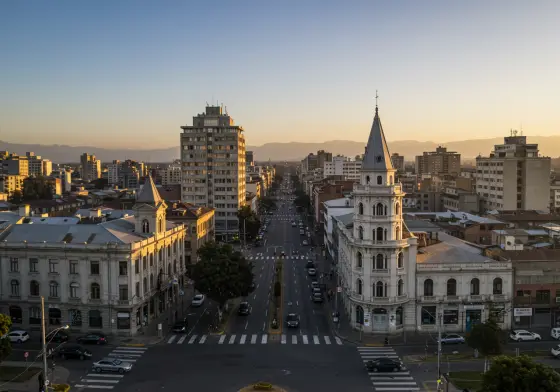
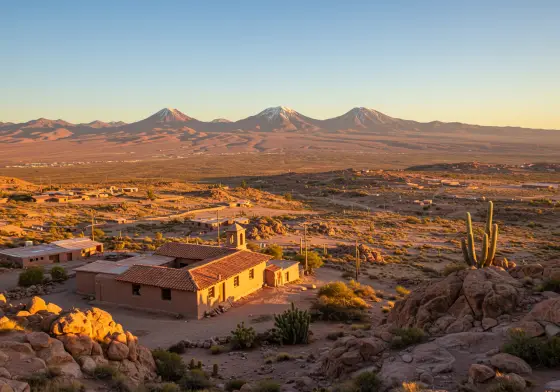
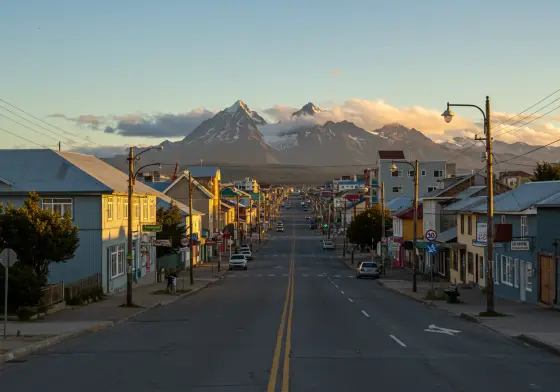
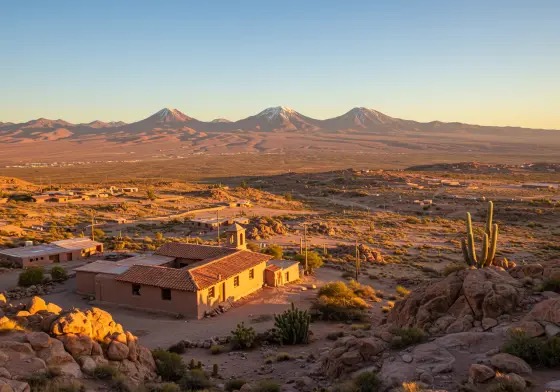
The crisp, clean air of the Andes, carrying the scent of pine and distant snow, invigorates your senses as you imagine navigating Chile's breathtaking landscapes. From the lunar valleys of the Atacama Desert to the jagged peaks of Patagonia, a rental car is your ticket to an unforgettable journey along the Carretera Austral and beyond.
Rental companies
The car rental market in Chile includes both major international chains like Hertz, Avis, and Europcar, alongside numerous local agencies. International brands often have offices at airports and in larger cities, offering a wide selection of vehicles and established service. Local companies can sometimes provide more competitive pricing or specialized vehicles, particularly in regional areas. Aggregators like RentoRika can help travelers compare prices and options from various suppliers, streamlining the booking process.
What documents you need
To rent a car in Chile, foreign drivers typically need a valid driver's license from their home country, a passport, and a major credit card for the security deposit. While an International Driving Permit (IDP) is not legally mandatory for short-term tourist stays (up to 90 days), it is highly recommended as it translates your license into multiple languages and is often requested by rental agencies and insurance providers. The minimum age for car rental is generally 21, though some agencies may require drivers to be 23 or 25, especially for certain vehicle categories, and often apply a young driver surcharge for those under 25.
Payment and deposit
Most car rental agencies in Chile require a major credit card (Visa, MasterCard, American Express) for both the rental payment and a security deposit. The deposit amount can vary significantly, ranging from a few hundred to over a thousand USD, depending on the vehicle type and rental company. While some local agencies might accept debit cards for payment, a credit card is almost always necessary for the security deposit. Prepayment online is common and can sometimes secure better rates, but the deposit is typically blocked on your credit card at pick-up. Deposit-free options are rare and usually involve purchasing premium insurance packages directly from the rental company.
How much rental costs
Car rental prices in Chile fluctuate significantly based on seasonality, vehicle type, and booking lead time. During the high season (December to February, and July for ski resorts), daily rates can range from approximately 40 USD for an economy car to over 100 USD for an SUV. In the shoulder and low seasons, prices can drop to around 25-35 USD per day for economy models. The lowest daily price for an economy car in 2026 is approximately 25 USD, typically found during off-peak periods or with early booking. Demand is highest during the Chilean summer.
Price by month, €
Traffic rules and fines
In Chile, you drive on the right-hand side of the road. Seatbelts are mandatory for all occupants. Speed limits are generally 50 km/h in urban areas, 100 km/h on rural roads, and 120 km/h on highways, unless otherwise posted. Always be aware of pedestrian crossings, especially in cities. Using a mobile phone while driving is illegal unless hands-free. Drunk driving laws are strict, with a very low legal blood alcohol limit. Fines for traffic violations can be substantial.
Parking
Parking in Chilean cities can be challenging, particularly in central areas. Many cities have designated paid parking zones, often operated by attendants who collect fees. Look for signs indicating 'Estacionamiento Pagado' or parking meters. In some areas, informal parking attendants ('cuidadores de autos') may offer to watch your car for a small fee; while not official, it's common practice. Outside of major urban centers, parking is generally easier to find, especially at tourist attractions and national parks, though some may charge a small entrance or parking fee.
Fuel stations
Fuel stations are widely available across Chile, particularly along major highways and in towns. In more remote areas, especially Patagonia or the Atacama, distances between stations can be significant, so it's wise to fill up whenever possible. Gasoline (bencina) is available in 93, 95, and 97 octane, and diesel (petróleo diésel) is also common. Fuel prices are regulated and generally comparable across the country, though they can be slightly higher in remote regions. As of 2026, expect to pay approximately 1.20 to 1.50 USD per liter for gasoline.
Which car to choose
For city driving and well-maintained roads, an economy or compact car is sufficient. However, if you plan to explore rural areas, national parks, or the more rugged terrain of Patagonia or the Atacama, a 4x4 or SUV is highly recommended. Many roads in these regions are unpaved (ripio) and can be challenging for standard vehicles. Consider a vehicle with good ground clearance and robust tires. For longer trips, a comfortable sedan or a mid-size SUV offers a good balance of space and capability.
Pros
- Unrestricted access to diverse landscapes, from deserts to glaciers.
- Flexibility to create your own itinerary and explore at your own pace.
- Opportunity to visit remote national parks and natural attractions.
- Comfort and convenience, especially for families or groups with luggage.
- Well-maintained major highways connecting key regions.
Cons
- Long driving distances, especially when traveling between distinct regions.
- Some secondary roads, particularly in Patagonia, can be unpaved and challenging.
- Fuel and rental costs can add up, especially during peak season.
- Parking in major cities can be difficult and costly.
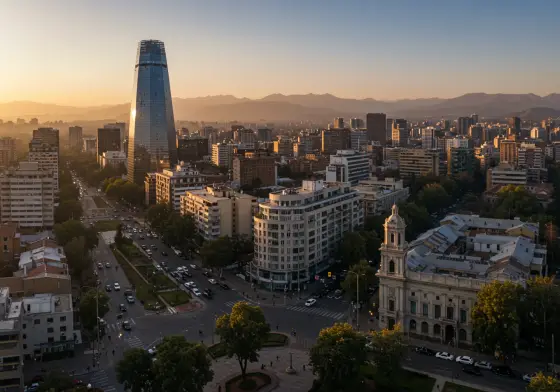
- Traffic in Santiago and other large cities can be congested.
You may also like
Frequently asked questions
Do I need an International Driving Permit (IDP) in Chile?
While not strictly mandatory for tourist stays up to 90 days, an IDP is highly recommended. It translates your home country's license into several languages, which is very helpful for rental agencies and local authorities, especially if your license is not in Spanish or English.
What is the minimum age to rent a car in Chile?
The minimum age is generally 21 years old. However, many rental companies apply a young driver surcharge for those under 25, and some vehicle categories may require drivers to be 23 or 25 years old.
Are credit cards essential for car rental in Chile?
Yes, a major credit card is almost always required for the security deposit, even if you pay for the rental itself with a debit card or cash. Ensure your credit card has sufficient available credit for the deposit block.
What side of the road do they drive on in Chile?
In Chile, traffic drives on the right-hand side of the road, and the steering wheel is on the left side of the car, similar to most of North and South America and Continental Europe.
Is it safe to drive in Chile?
Generally, driving in Chile is safe, especially on major highways. However, be aware of long distances, varying road conditions (some unpaved roads, especially in rural areas), and traffic congestion in large cities. Always drive defensively and be prepared for changing conditions.
What type of car is best for exploring Patagonia in Chile?
For exploring Patagonia and other rugged regions, a 4x4 or SUV is strongly recommended. Many roads, particularly those leading to national parks and remote attractions, are unpaved (ripio) and can be challenging for standard passenger cars. Good ground clearance and robust tires are beneficial.