Country
Car Rental in Croatia
Open any city directly or jump straight to search with your chosen destination.
Cities
All cities in Croatia
 Airport
 Airport
 Airport
 Airport
 Airport
Car Rental in Croatia
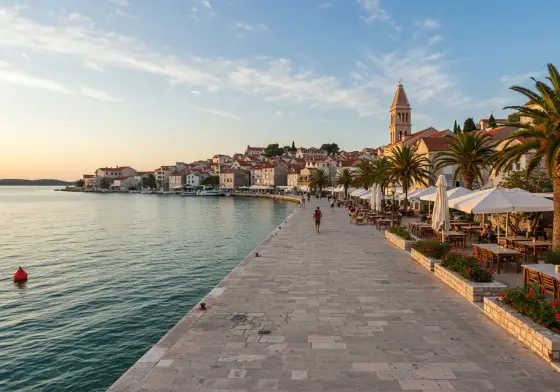
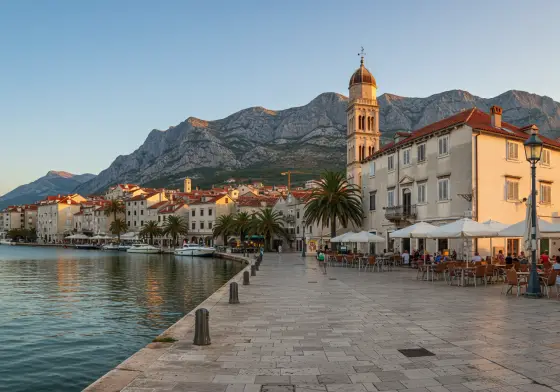
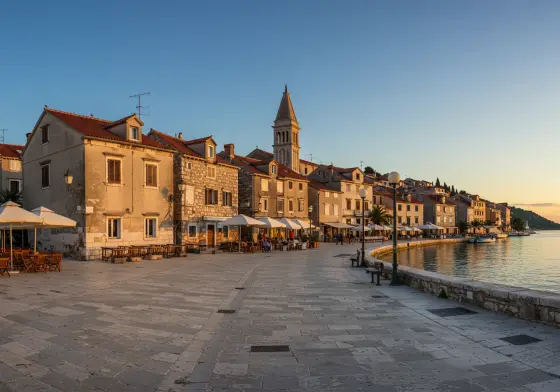
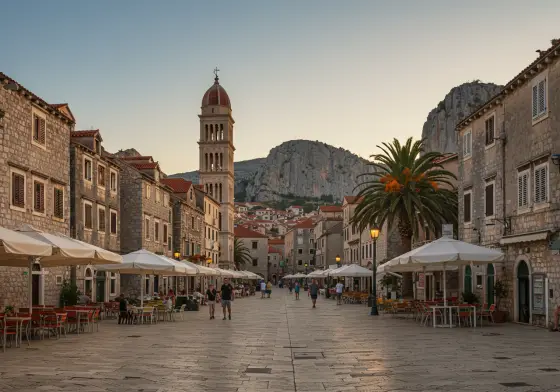
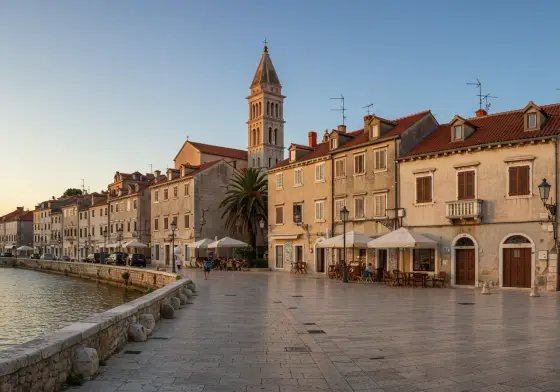
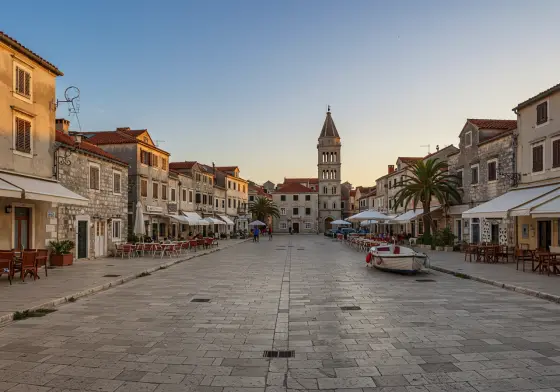
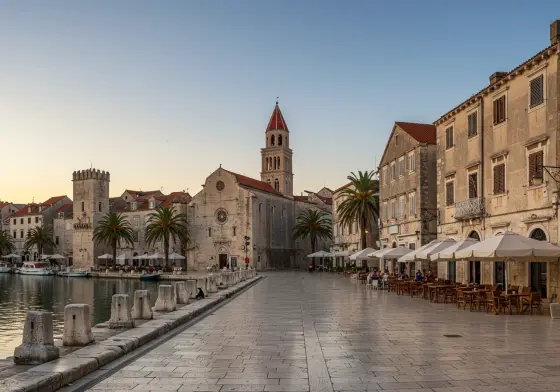
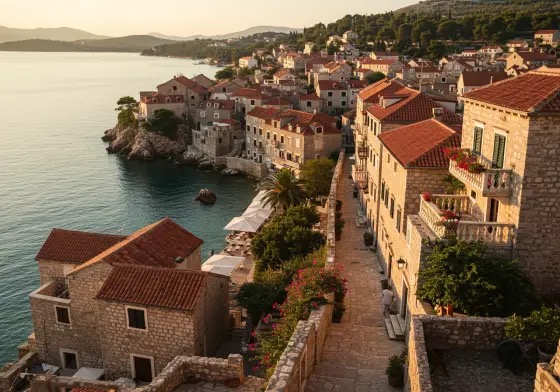
Picture yourself cruising along the Adriatic Highway, the sun glinting off the turquoise waters as you head towards the ancient walls of Dubrovnik. A rental car unlocks the magic of Croatia, transforming your journey from a simple trip into an unforgettable adventure through picturesque villages and stunning coastal vistas.
Rental companies
Croatia's car rental market is robust, featuring a mix of large international chains like Sixt, Hertz, and Enterprise, alongside numerous local agencies. While international brands offer familiarity and often newer fleets, local companies can sometimes provide more competitive pricing or personalized service. Aggregators, such as RentoRika, play a crucial role by comparing offers from both types of suppliers, helping you find the best deal tailored to your needs and budget.
What documents you need
To rent a car in Croatia, you'll typically need a valid driver's license from your home country, held for at least one to two years. An International Driving Permit (IDP) is highly recommended, and sometimes required, especially if your license is not in the Latin alphabet. You will also need a valid passport or national ID card and a credit card in the main driver's name for the security deposit. The minimum age for renting is usually 21, with a young driver surcharge often applied for those under 25.
Payment and deposit
Most rental companies in Croatia require a credit card in the main driver's name for both payment and the security deposit. Debit cards are generally not accepted for the deposit, though some local agencies might allow them for payment with a higher cash deposit. Prepayment online is common and can sometimes secure better rates. Deposit-free options are rare and typically involve purchasing expensive full insurance packages directly from the rental company.
How much rental costs
Car rental prices in Croatia vary significantly by season, vehicle type, and booking lead time. In the peak summer months (July-August), a compact car can cost around 40-70 EUR per day. During the shoulder seasons (May-June, September-October), prices might drop to 25-50 EUR. In the low season (November-April), you could find deals for as low as 15-30 EUR per day. The lowest daily price can be around 15 EUR, but this is highly dependent on demand and booking well in advance.
Price by month, €
Traffic rules and fines
Croatia drives on the right side of the road. Speed limits are typically 50 km/h in urban areas, 90 km/h outside urban areas, and 130 km/h on motorways. Headlights must be on at all times, even during the day, from late October to late March. Using a mobile phone while driving is strictly prohibited, and seatbelts are mandatory for all occupants. The legal blood alcohol limit is 0.05%, but for drivers under 24 and professional drivers, it's 0.00%.
Parking
Parking in Croatian cities, especially coastal towns and popular tourist destinations, can be challenging and expensive. Look for designated parking zones, which are often color-coded (red, yellow, green) indicating different time limits and prices. Pay-and-display machines are common, and mobile apps are increasingly used for payment. Illegally parked cars are subject to towing, which can be costly and inconvenient. Outside of city centers, parking is generally easier to find.
Fuel stations
Fuel stations are widely available throughout Croatia, particularly along major roads and in urban areas. Most stations offer Eurosuper 95 (petrol) and Eurodiesel (diesel). LPG (Autoplin) is also available at many larger stations. Fuel prices are regulated and generally similar across the country, typically ranging from 1.50 EUR to 1.70 EUR per liter for petrol and diesel, though these are approximate and subject to change. Many stations accept credit cards, but it's always wise to have some cash on hand.
Which car to choose
For most travelers exploring Croatia's coastal roads and cities, a compact or economy car is sufficient. These are easier to maneuver and park in narrow streets. If you plan to venture into more mountainous regions or travel with more luggage, a mid-size sedan or a small SUV would offer more comfort and power. For large groups or families, a minivan is a practical choice. Keep in mind that some older towns have very restricted access for larger vehicles.
Pros
- Freedom to explore diverse landscapes, from coastlines to national parks, at your own pace.
- Access to remote beaches, charming villages, and hidden gems not served by public transport.
- Convenience for carrying luggage, especially if moving between multiple destinations.
- Flexibility to change plans and itineraries on the fly.
- Opportunity for scenic drives along the Adriatic coast and through the interior.
Cons
- Parking can be difficult and expensive in popular cities and during peak season.
- Narrow, winding roads, especially in older towns and coastal areas, can be challenging for inexperienced drivers.
- High season traffic, particularly on coastal routes and around major attractions, can lead to delays.
- Tolls on major motorways can add to travel costs.
- Potential for high security deposits and strict rental conditions.
You may also like
Frequently asked questions
Do I need an International Driving Permit (IDP) in Croatia?
While not always strictly required for all nationalities, an IDP is highly recommended, especially if your driver's license is not in English or a Latin alphabet. It translates your license into multiple languages and can prevent issues with local authorities or rental companies.
Are there tolls on Croatian roads?
Yes, major motorways in Croatia are toll roads. You can pay tolls in cash (Euros) or by credit card. An electronic toll collection system (ENC) is also available for frequent users, offering discounts, but this is typically not relevant for short-term rentals.
Can I take my rental car to neighboring countries?
Most rental companies allow cross-border travel to neighboring countries like Slovenia, Bosnia and Herzegovina, and Montenegro, but you must inform them in advance. An additional fee and special documentation (Green Card insurance) are usually required. Always check the specific terms with your rental provider.
What is the minimum age to rent a car in Croatia?
The minimum age to rent a car in Croatia is generally 21 years old. Drivers under 25 often incur a 'young driver' surcharge. Some premium vehicle categories may also have a higher minimum age requirement.
What is the approximate cost of fuel in Croatia?
As of 2026, the approximate cost of Eurosuper 95 (petrol) and Eurodiesel (diesel) in Croatia is around 1.50 EUR to 1.70 EUR per liter. These prices are subject to change based on global market fluctuations.
Is it easy to find parking in Croatian cities?
Parking can be challenging and expensive in popular Croatian cities, especially during the peak tourist season. It's advisable to look for designated paid parking lots or garages. Illegally parked vehicles are frequently towed.