Country
Car Rental in the Dominican Republic
Open any city directly or jump straight to search with your chosen destination.
Cities
All cities in Dominican Republic
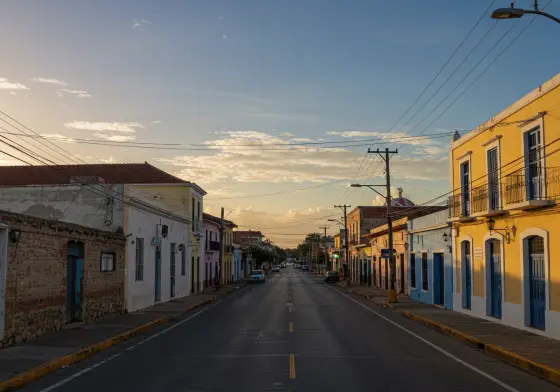
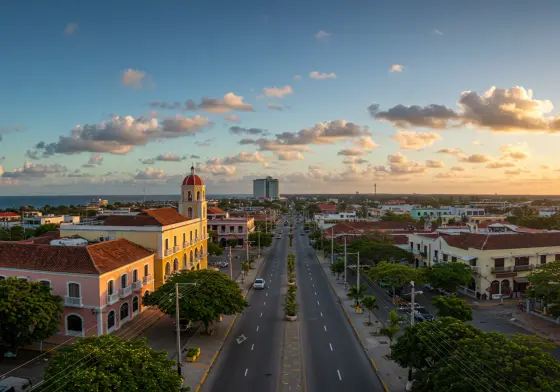
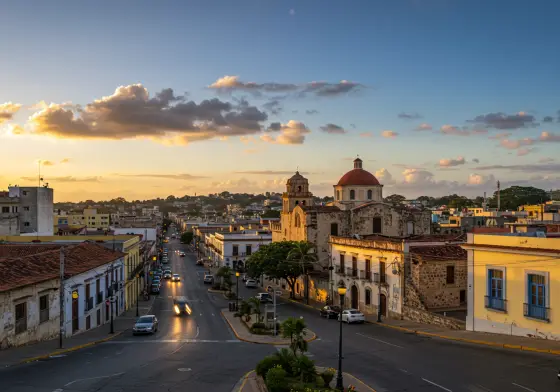
Car Rental in the Dominican Republic
The rhythmic crash of waves against the white sands of Bávaro Beach beckons, and with your own set of wheels, you can chase that captivating sound wherever it leads you across the Dominican Republic's stunning coastline. From the vibrant streets of Santo Domingo to the lush mountain roads leading to Pico Duarte, your personal rental car offers the flexibility to immerse yourself in every breathtaking vista and authentic encounter.

Rental companies
The car rental market in the Dominican Republic features a mix of well-known international chains such as Hertz, Avis, and Budget, alongside numerous local agencies. While international companies often offer newer fleets and standardized services, local providers can sometimes provide more competitive pricing or specialized vehicles better suited for certain terrains. Aggregators like RentoRika can help you compare options from both types of suppliers, often securing better deals by consolidating offers.
What documents you need
To rent a car in the Dominican Republic, you typically need a valid driver's license from your home country, a passport, and a major credit card for the security deposit. An International Driving Permit (IDP) is highly recommended, though often not strictly required for short-term rentals if your national license is in English or Spanish. Drivers must generally be at least 21 years old, with some companies requiring drivers under 25 to pay a young driver surcharge. A minimum of one year of driving experience is usually expected.
Payment and deposit
Most car rental agencies in the Dominican Republic require a major credit card (Visa, MasterCard, American Express) for the security deposit, which can range from a few hundred to over a thousand US dollars depending on the vehicle class. While some local agencies might accept cash for the rental fee itself, a credit card is almost always mandatory for the deposit. Prepayment online often secures a better rate, and full payment is usually due at pick-up. Deposit-free options are rare and typically limited to specific insurance packages that waive the deposit in exchange for a higher daily rate.
How much rental costs
Car rental prices in the Dominican Republic can vary significantly based on vehicle type, rental duration, and seasonality. You can find economy cars starting from approximately 25-35 USD per day during the off-peak season. Mid-range sedans typically cost around 40-60 USD daily, while SUVs and larger vehicles can range from 70-100+ USD per day. Prices tend to be higher during the peak tourist season from December to April and major holidays. Booking in advance, especially during these periods, is advisable to secure better rates and availability.
Price by month, €
Traffic rules and fines
Driving in the Dominican Republic is on the right side of the road. Speed limits are typically 60 km/h in urban areas, 80 km/h on rural roads, and 100 km/h on highways, though these are not always strictly enforced or clearly marked. Be prepared for aggressive driving habits, sudden stops, and motorcycles weaving through traffic. It is mandatory to wear seatbelts, and using a mobile phone while driving is prohibited unless hands-free. Police checkpoints are common, so always have your documents readily available.
Parking
Parking can be challenging in crowded city centers and popular tourist areas. In major cities like Santo Domingo, paid parking lots and street parking (often attended by informal 'parkers' who expect a small tip) are available. In resort towns like Punta Cana, hotels usually offer ample parking. Always ensure your vehicle is in a secure, well-lit area, especially overnight, to minimize the risk of theft or damage.
Fuel stations
Fuel stations are widely available throughout the Dominican Republic, especially along major highways and in urban areas. Gasoline is sold by the gallon, and prices are regulated by the government, generally fluctuating weekly. As of early 2026, a gallon of regular gasoline typically costs between approximately 4.50 and 5.50 USD. Most stations offer 'regular' (89 octane) and 'premium' (91 octane) gasoline, as well as diesel. Attendants usually pump the fuel for you.
Which car to choose
For city driving and well-maintained highways, a compact or economy car is sufficient and budget-friendly. However, if you plan to explore rural areas, unpaved roads, or venture into mountainous regions, an SUV with higher ground clearance is highly recommended. Many scenic routes, particularly in areas like Samaná or the interior, can be rough, and a more robust vehicle will provide greater comfort and capability. Consider the number of passengers and luggage when choosing your vehicle size.
Pros
- Freedom to explore diverse landscapes and hidden gems at your own pace.
- Access to remote beaches, national parks, and local villages not served by public transport.
- Cost-effective for group travel compared to multiple taxis or tours.
- Opportunity to experience local culture beyond typical tourist zones.
- Convenience for carrying luggage and equipment for activities like surfing or hiking.
Cons
- Traffic can be chaotic and aggressive, especially in major cities.
- Road conditions vary significantly; some roads are poorly maintained or unpaved.
- Navigation can be challenging due to inconsistent signage and lack of clear road markings.
- Higher risk of minor accidents or vehicle damage due to local driving habits.
- Fuel prices can add up, and parking in urban areas may be difficult or require payment.
You may also like
Frequently asked questions
Do I need an International Driving Permit (IDP) in the Dominican Republic?
While not always strictly enforced for short visits if your national license is in English or Spanish, an IDP is highly recommended. It serves as an official translation of your license and can prevent misunderstandings with local authorities, especially at police checkpoints.
What is the minimum age to rent a car in the Dominican Republic?
The minimum age to rent a car is generally 21 years old. However, drivers under 25 may be subject to a young driver surcharge, which varies by rental company.
Are credit cards essential for car rental?
Yes, a major credit card is almost universally required for the security deposit, even if you plan to pay the rental fee with cash. Ensure your credit card has sufficient available credit to cover the deposit amount.
What are the road conditions like in the Dominican Republic?
Road conditions vary widely. Major highways connecting popular destinations are generally well-maintained, but secondary roads, especially in rural areas, can be unpaved, potholed, or poorly lit. Driving defensively and being aware of your surroundings is crucial.
Is car rental insurance mandatory?
Basic liability insurance is often included in the rental price by law, but it's usually minimal. We highly recommend purchasing additional coverage, such as Collision Damage Waiver (CDW) or Theft Protection (TP), either through the rental company or your credit card provider, for comprehensive peace of mind.
Can I pick up my rental car at the airport?
Yes, most major airports in the Dominican Republic, including Punta Cana International Airport (PUJ), Las Américas International Airport (SDQ) in Santo Domingo, and La Romana International Airport (LRM), have car rental desks from both international and local suppliers for convenient pick-up and drop-off.