Country
Car Rental in Egypt
Open any city directly or jump straight to search with your chosen destination.
Cities
All cities in Egypt
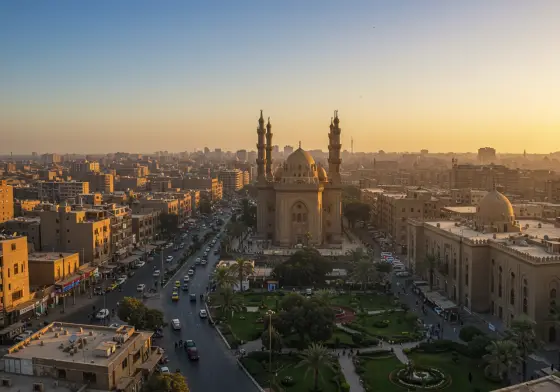
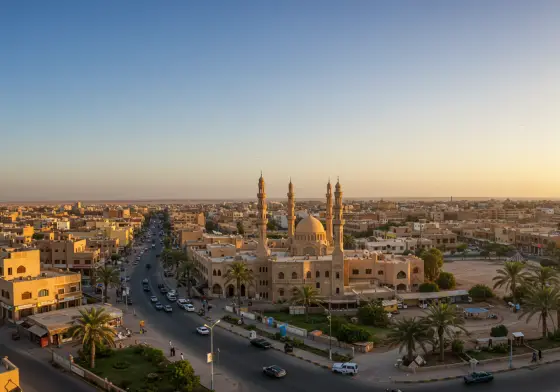
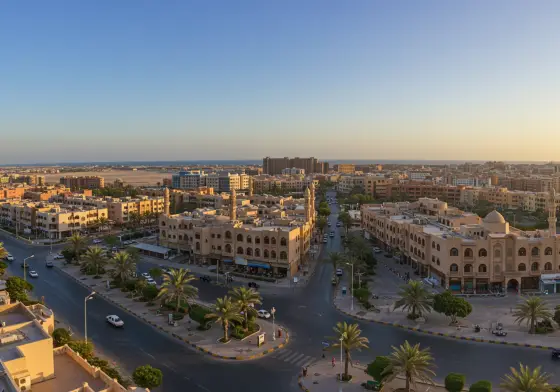
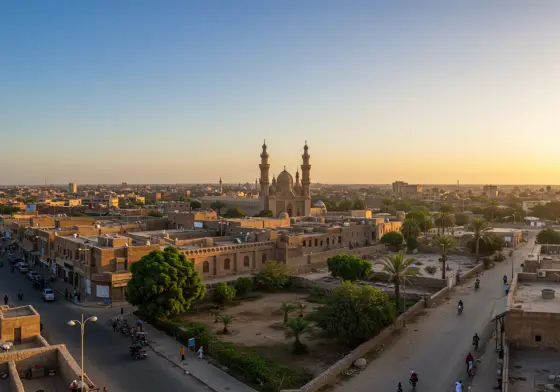
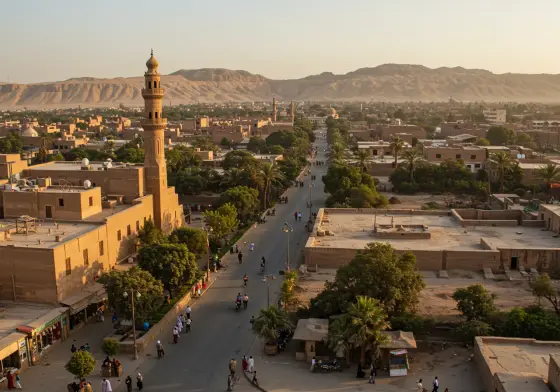
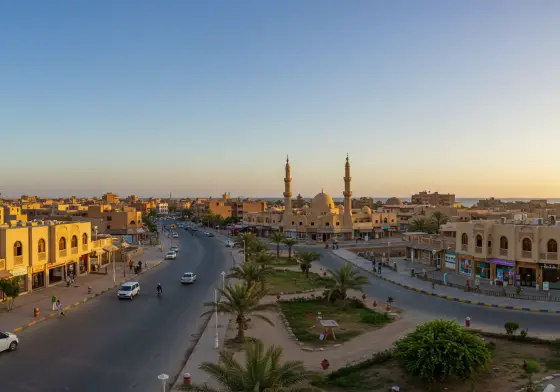
Car Rental in Egypt
Did you know Egypt boasts one of the world's longest road networks, perfect for a self-drive adventure along the Red Sea coast or a journey to Luxor's ancient wonders? Unlock the captivating history and breathtaking landscapes of this land of pharaohs, all at your own pace, with the perfect rental car as your chariot.
Rental companies
Egypt's car rental market features a mix of international chains like Hertz, Avis, and Europcar, alongside numerous local agencies. While international brands often provide consistent service and newer fleets, local companies can sometimes offer more competitive rates and a more personalized approach. Aggregators like RentoRika bridge this gap, allowing you to compare offers from both types of suppliers, often securing better deals and providing a clearer picture of available vehicles and terms.
What documents you need
To rent a car in Egypt, you will generally need a valid passport, your national driving license, and an International Driving Permit (IDP). The IDP is legally required for non-Egyptian residents to drive in the country. Most rental companies require drivers to be at least 21 years old, and some may impose a surcharge for drivers under 25. You should also have held your driving license for a minimum of one year.
Payment and deposit
Payment for car rentals in Egypt typically involves a credit card for both the rental fee and the security deposit. Major credit cards like Visa, Mastercard, and American Express are widely accepted. While some local agencies might accept cash for the rental fee, a credit card is almost universally required for the security deposit. Deposit-free options are rare and usually tied to specific, often more expensive, insurance packages.
How much rental costs
Car rental prices in Egypt fluctuate significantly throughout the year, primarily driven by tourist seasons. You can expect daily rates to range from approximately $25 USD during the low season to $60 USD or more during peak times. The lowest prices are often found in the summer months, while the winter (October to April) sees higher demand and consequently higher prices. Booking in advance, especially for popular periods, is highly recommended to secure better rates.
Price by month, €
Traffic rules and fines
Driving in Egypt is on the right-hand side of the road. Speed limits are generally 60 km/h in urban areas, 90 km/h on open roads, and 100-120 km/h on highways, though these can vary and are not always clearly marked or strictly adhered to. It is mandatory to wear seatbelts, and using a mobile phone while driving is illegal. Traffic can be chaotic, especially in major cities, with frequent honking and aggressive driving common. Road signs are often in both Arabic and English.
Parking
Parking in major Egyptian cities like Cairo can be challenging. Street parking is often scarce and unregulated. Paid parking lots are available, particularly near tourist attractions and commercial centers, and are usually managed by attendants. In smaller towns and tourist resorts, finding parking is generally easier and often free. Always ensure your car is parked in a well-lit and secure area.
Fuel stations
Fuel prices in Egypt are regulated by the government and are relatively affordable compared to many Western countries. As of 2026, the price for unleaded gasoline is approximately 0.50-0.70 USD per liter. Diesel is also available and usually slightly cheaper. Most petrol stations are full-service, meaning an attendant will fill your tank for you. Credit cards are accepted at many larger stations, but it's always wise to have some local currency (Egyptian Pounds) for smaller stations or as a backup.
Which car to choose
For city driving and most well-maintained intercity roads, a compact or economy car is sufficient and easier to navigate through traffic and park. If you plan to venture into desert areas or less developed routes, especially towards oases or certain Red Sea destinations, a 4x4 or an SUV is highly recommended for its ground clearance and durability. However, always check the rental agreement for any restrictions on off-road driving.
Pros
- Freedom to explore at your own pace and create personalized itineraries.
- Access to remote historical sites and natural attractions not easily reached by public transport.
- Cost-effective for group travel compared to multiple taxi fares or organized tours.
- Flexibility to stop wherever and whenever you wish for photos or breaks.
Cons
- Traffic in major cities can be chaotic and challenging for unfamiliar drivers.
- Road conditions can vary widely, from well-paved highways to unmaintained local roads.
- Navigating can be difficult due to less comprehensive signage and language barriers in rural areas.
- Aggressive driving by locals and less strict adherence to traffic laws can be daunting.
You may also like
Frequently asked questions
Is it safe to drive in Egypt as a tourist?
Driving in Egypt requires caution and awareness of local driving styles. While major roads are generally safe, urban traffic can be challenging. Stick to main routes, avoid driving at night in rural areas, and always be vigilant.
What is the minimum age to rent a car in Egypt?
Most rental companies in Egypt require drivers to be at least 21 years old. Some may impose a young driver surcharge for those under 25.
Do I need an International Driving Permit (IDP) in Egypt?
Yes, an International Driving Permit (IDP) is legally required for non-Egyptian residents to drive in Egypt, in addition to your national driving license.
Can I drive a rental car across borders from Egypt?
Generally, taking a rental car across international borders from Egypt is not permitted by rental companies due to insurance and logistical complexities. Always check with your specific rental provider.
What kind of insurance should I get for a rental car in Egypt?
It's advisable to have comprehensive insurance coverage, including Collision Damage Waiver (CDW) and Theft Protection (TP). Consider adding Super CDW or a full protection package for greater peace of mind, as traffic incidents can be more common.
Are there tolls on Egyptian roads?
Yes, there are some toll roads in Egypt, particularly on major highways connecting cities. The tolls are generally inexpensive and can usually be paid in cash (Egyptian Pounds) at the toll booths.