Country
Car Rental in Fiji
Open any city directly or jump straight to search with your chosen destination.
Cities
All cities in Fiji
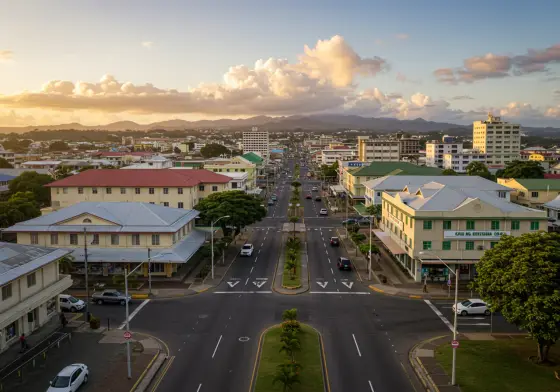
Car Rental in Fiji
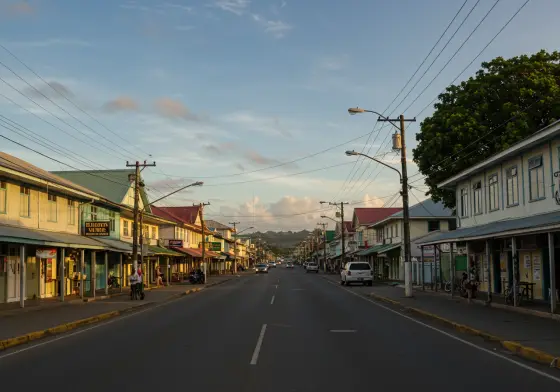
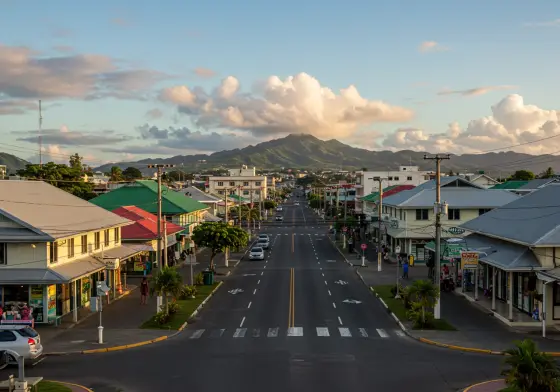
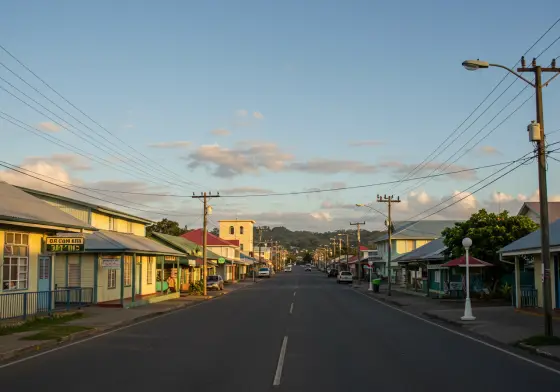
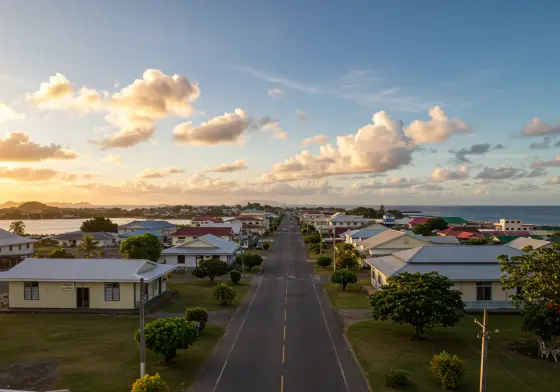
Viti Levu's stunning Coral Coast awaits, and with your own set of wheels, you're just moments away from its pristine beaches and vibrant villages. Skip the tour buses and craft your perfect Fijian adventure, whether it's chasing waterfalls in Colo-i-Suva Forest Park or discovering hidden coves along the Suncoast.

Rental companies
Fiji's car rental market features a mix of international brands like Avis and Budget, alongside numerous reputable local agencies. While international companies offer global standards, local providers often provide more competitive pricing and a deeper understanding of island driving conditions. Aggregators like RentoRika can help you compare offers from both types of suppliers, ensuring you find the best vehicle for your Fijian adventure.
What documents you need
To rent a car in Fiji, you typically need a valid national driving license from your home country. If your license is not in English, an International Driving Permit (IDP) is required. Drivers must generally be at least 21 years old, and some rental companies may impose a surcharge for drivers under 25. You will also need a major credit card in the main driver's name for the security deposit.
Payment and deposit
Most car rental companies in Fiji require a credit card for the booking and a security deposit. Prepayment for the rental period is common, though some local agencies might accept partial payments upfront. Cash payments for the deposit are rare, as credit card holds are preferred for security. Deposit-free options are generally not available in Fiji due to the nature of car rentals.
How much rental costs
Car rental prices in Fiji can vary significantly based on vehicle type, rental duration, and seasonality. You can expect daily rates to start from approximately 40 USD for a compact car during the low season, potentially rising to around 80-120 USD or more for SUVs or larger vehicles during peak travel times. The average daily price in 2026 is approximately 60 USD.
Price by month, €
Traffic rules and fines
In Fiji, you drive on the left-hand side of the road, and seatbelts are mandatory for all occupants. Speed limits are generally 80 km/h on open roads and 50 km/h in urban areas, though these can vary and are often clearly signposted. Be aware of pedestrians, livestock, and potholes, especially on rural roads. Drink-driving laws are strict, with a very low blood alcohol limit.
Parking
Parking in Fiji's major towns like Suva, Nadi, and Lautoka is generally available, often in designated car parks or street-side spaces. Some areas may have paid parking, either via meters or attendants. In smaller towns and rural areas, parking is usually free and less regulated, but always ensure your vehicle is not obstructing traffic or private property.
Fuel stations
Fuel stations are available in most major towns and along main roads, particularly on Viti Levu. Outside of these areas, especially on smaller islands, fuel stops can be infrequent, so it's wise to fill up when you have the opportunity. Fuel prices are regulated by the government and are generally consistent across the country, typically around 2.50 to 3.00 FJD per litre for unleaded petrol.
Which car to choose
For most travelers exploring Viti Levu's main roads, a compact or mid-sized sedan is perfectly adequate. If you plan to venture onto unpaved roads, visit more remote areas, or anticipate rougher terrain, a 4x4 or an SUV would be a more suitable choice. Consider the number of passengers and luggage when selecting your vehicle type.
Pros
- Freedom to explore at your own pace and discover hidden gems.
- Access to remote beaches, villages, and natural attractions.
- Convenience for families or those with significant luggage.
- Experience the local culture beyond tourist hubs.
Cons
- Road conditions can be variable, with potholes common on rural routes.
- Driving on the left side of the road may be unfamiliar to some.
- Limited availability of rental cars on smaller outer islands.
- Fuel stations can be sparse in very remote areas.
You may also like
Frequently asked questions
Is it safe to drive in Fiji?
Driving in Fiji is generally safe, but requires caution. Be mindful of varying road conditions, pedestrians, and livestock, especially outside of major towns. Night driving can be challenging due to poor lighting in some areas.
What is the minimum age to rent a car in Fiji?
The minimum age to rent a car in Fiji is typically 21 years old. Some rental companies may charge an additional fee for drivers under 25.
Do I need an International Driving Permit (IDP) in Fiji?
If your national driving license is not in English, an International Driving Permit (IDP) is required. It serves as an official translation of your license.
Are there automatic cars available for rent in Fiji?
Yes, automatic transmission cars are widely available from most rental companies in Fiji, especially from the larger international and local agencies.
What side of the road do they drive on in Fiji?
In Fiji, vehicles drive on the left-hand side of the road, similar to Australia, New Zealand, and the UK.
Can I take a rental car to other islands in Fiji?
Generally, rental cars are restricted to the island of pick-up, which is typically Viti Levu. Taking a rental car to other islands usually requires prior approval from the rental company and may incur additional charges or specific insurance.