Country
Car Rental in Iceland
Open any city directly or jump straight to search with your chosen destination.
Cities
All cities in Iceland
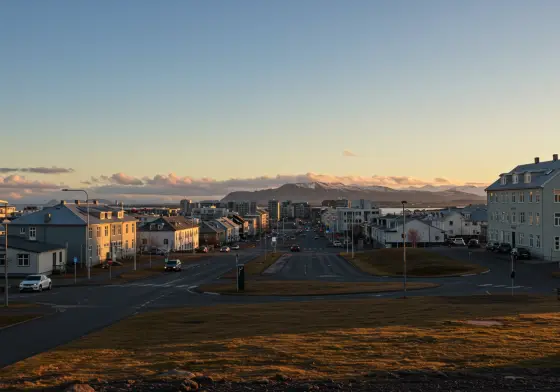
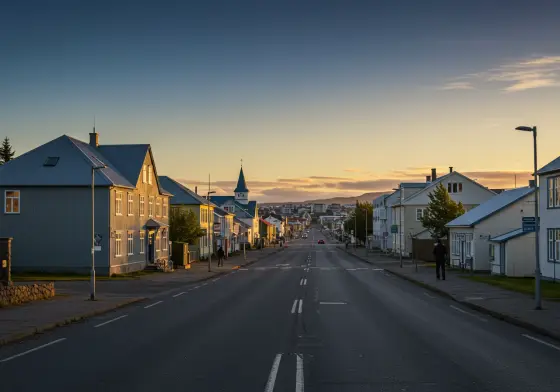
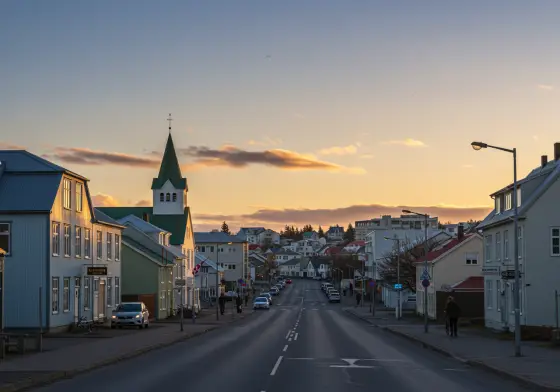

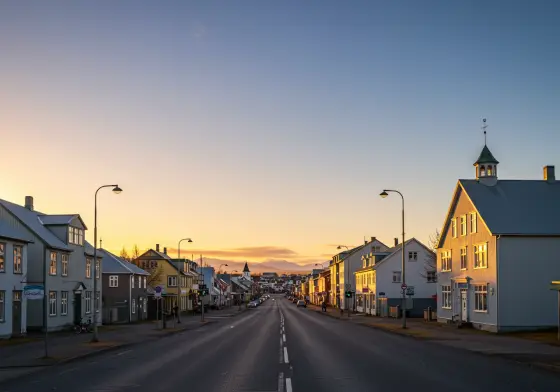
Car Rental in Iceland
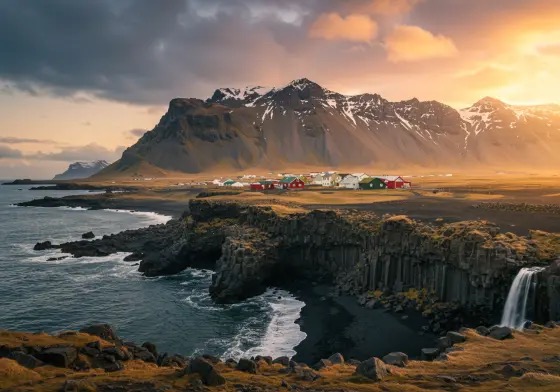
Your Icelandic adventure truly begins behind the wheel. From chasing the Northern Lights along the Ring Road to exploring black sand beaches, a rental car is essential for experiencing the island's raw beauty and dramatic landscapes at your own pace.
Rental companies
Iceland's car rental market features a mix of well-known international brands like Hertz, Avis, and Europcar, alongside numerous reputable local agencies. While international companies offer global consistency, local providers often have a deeper understanding of Icelandic driving conditions and may offer more specialized vehicles. Aggregators like RentoRika can help you compare prices and options from both types of suppliers, ensuring you find the best deal for your trip.
What documents you need
To rent a car in Iceland, you will need a valid driver's license held for at least one year. If your license is not in English, Icelandic, or a Scandinavian language, an International Driving Permit (IDP) is highly recommended and often required. You must also present a valid passport or national ID card and a major credit card in the main driver's name. The minimum age for renting most vehicles is 20 years old for smaller cars and 23 years old for 4x4s and larger vehicles. Some companies may impose a young driver surcharge for those under 25.
Payment and deposit
Most car rental companies in Iceland require a major credit card for both the rental payment and the security deposit. Prepayment is common, often offering better rates, but some options allow payment upon pickup. Debit cards are generally not accepted for security deposits. The deposit amount can vary significantly, from a few hundred to over a thousand Euros, depending on the vehicle type and rental company. Deposit-free options are rare and typically involve purchasing full insurance coverage that waives the excess.
How much rental costs
Car rental prices in Iceland fluctuate significantly based on seasonality and vehicle type. The lowest daily prices can be found in the off-season (winter), starting from approximately 30-50 EUR for a compact car. During the peak summer months (June-August), expect prices to at least double, often reaching 100-150 EUR or more per day for similar vehicles. 4x4 vehicles, essential for some F-roads, are consistently more expensive, especially in summer. Booking well in advance is crucial, particularly for popular periods.
Price by month, €
Traffic rules and fines
In Iceland, you drive on the right side of the road, and seatbelts are mandatory for all occupants. Headlights must be on at all times, day or night. Speed limits are generally 50 km/h in urban areas, 80 km/h on gravel roads, and 90 km/h on paved rural roads, unless otherwise signposted. Strict rules apply to off-road driving, which is illegal and carries severe fines. Pay close attention to road signs, especially those indicating gravel roads, narrow bridges, and F-roads (mountain roads) which are only open in summer and require a 4x4 vehicle.
Parking
Parking in Icelandic towns and cities, including Reykjavík, is usually paid. Look for parking zones (P1, P2, P3, P4) with varying hourly rates. You can pay at meters using coins or credit cards, or via parking apps. Outside of urban areas, parking at attractions is often free, but some popular spots may have small fees. Always park in designated areas to avoid fines and protect the fragile environment.
Fuel stations
Fuel prices in Iceland are among the highest in Europe, typically ranging from approximately 2.30 to 2.80 EUR per liter for gasoline (bensín) and diesel (dísel). Fuel stations are readily available along the Ring Road and in populated areas, but can be sparse in the Highlands and remote regions. It's wise to fill up whenever you see a station, especially before long journeys. Most stations are self-service and accept credit cards with a PIN.
Which car to choose
For touring the main Ring Road during summer, a compact or mid-size car is usually sufficient. However, if you plan to explore the Highlands, drive on F-roads, or visit in winter, a 4x4 vehicle with good ground clearance is essential. Even in summer, a 4x4 offers greater comfort and safety on Iceland's often unpaved or gravel roads. Consider a car with studded tires for winter driving, which are often included by rental companies during that season.
Pros
- Unrestricted access to remote natural wonders and scenic routes.
- Flexibility to stop and explore at your own pace.
- Opportunity to witness phenomena like the Northern Lights or midnight sun without tour group constraints.
- Well-maintained main roads (Ring Road) for easier navigation.
- Stunning, ever-changing landscapes around every bend.
Cons
- High cost of rental cars, especially 4x4s and during peak season.
- Unpredictable weather conditions can make driving challenging.
- Gravel roads and F-roads require careful driving and appropriate vehicles.
- Strict rules against off-road driving with significant fines.
- High fuel prices can add to the overall travel budget.
You may also like
Frequently asked questions
Can I drive on F-roads with any rental car in Iceland?
No, F-roads (mountain roads) in Iceland are only accessible with a 4x4 vehicle, and only when they are open, usually from late June to September. Driving a 2WD car on an F-road is a violation of rental agreements and can void your insurance.
What kind of insurance should I get for a rental car in Iceland?
Basic Collision Damage Waiver (CDW) is usually included, but consider additional coverage like Super CDW, Gravel Protection (GP), Sand and Ash Protection (SAAP), and Theft Protection (TP). Iceland's unique environment makes these highly recommended to cover potential damages from gravel, volcanic ash, or sandstorms.
Is it safe to drive in Iceland during winter?
Driving in winter can be challenging due to snow, ice, strong winds, and limited daylight. However, main roads are usually plowed, and rental cars are equipped with studded tires. Always check road and weather conditions before driving, and be prepared for sudden changes. A 4x4 is highly recommended for winter travel.
Are there toll roads in Iceland?
There is currently one toll tunnel in Iceland, the Vaðlaheiðargöng tunnel in the North. You can pay the toll online within 24 hours of passing through, or incur an additional charge from your rental company if they handle the payment.
What is the speed limit in Iceland?
General speed limits are 50 km/h in urban areas, 80 km/h on gravel roads, and 90 km/h on paved rural roads. Always adhere to posted signs, as speed cameras are common and fines are substantial.
Can I pick up my rental car at Keflavík Airport (KEF)?
Yes, Keflavík International Airport (KEF) is the primary point of entry for most visitors, and nearly all major and local car rental companies have offices or shuttle services directly from the airport terminal, making pickup very convenient.