Country
Car Rental in India
Open any city directly or jump straight to search with your chosen destination.
Cities
All cities in India
 Airport
 Airport
Car Rental in India
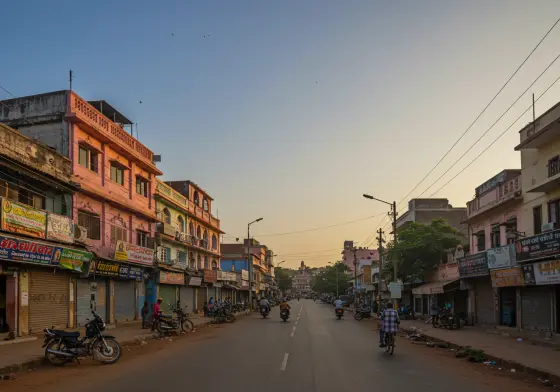
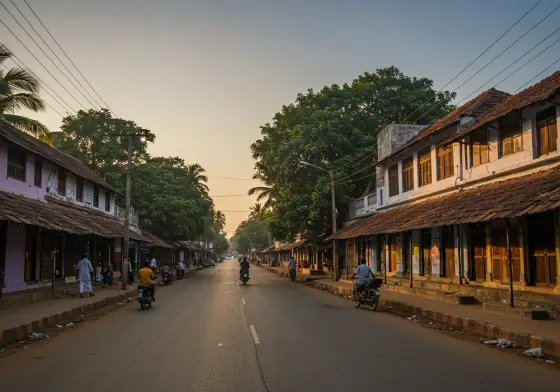
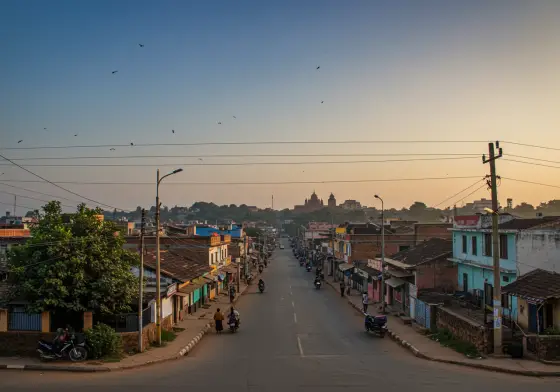
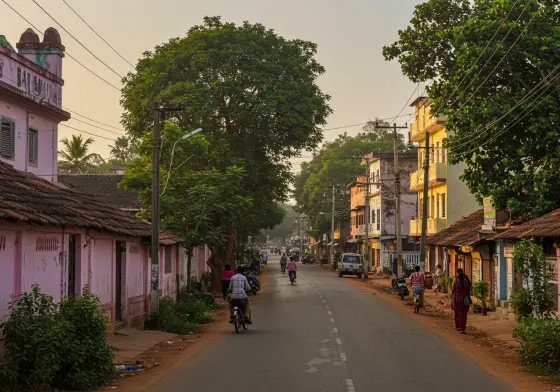
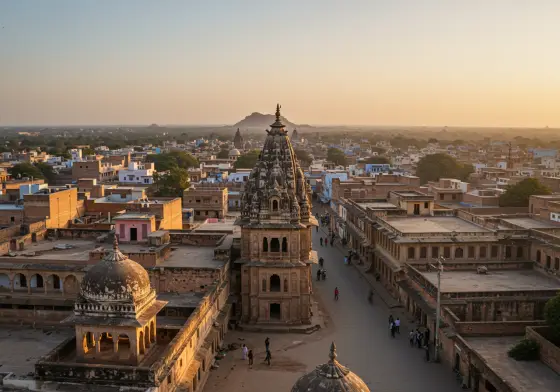
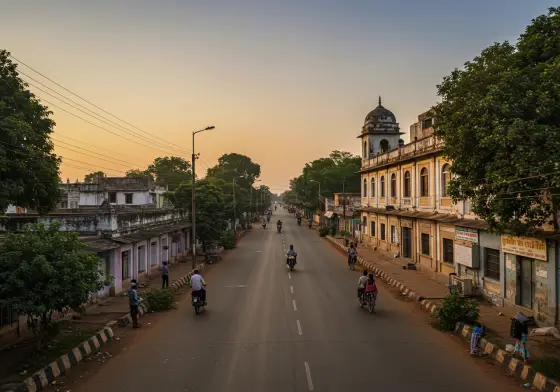
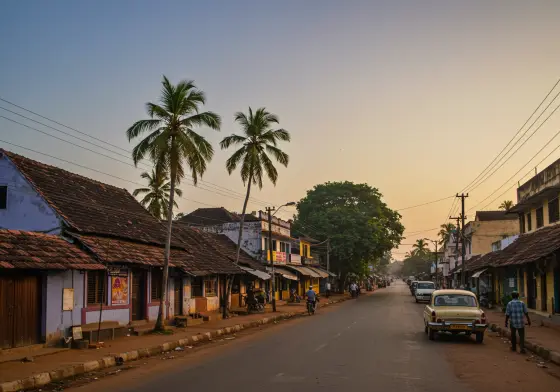
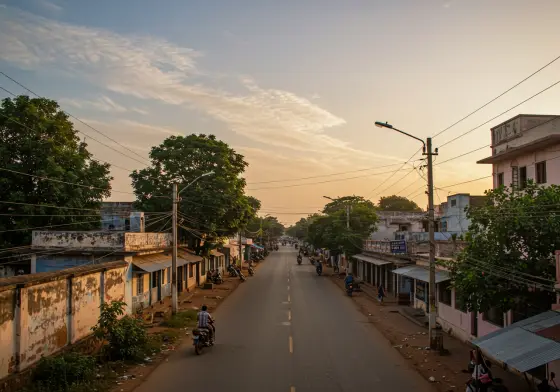
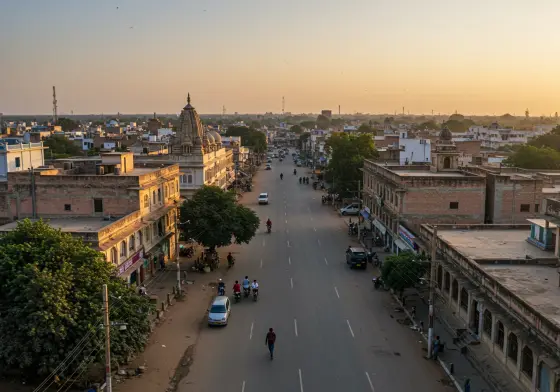
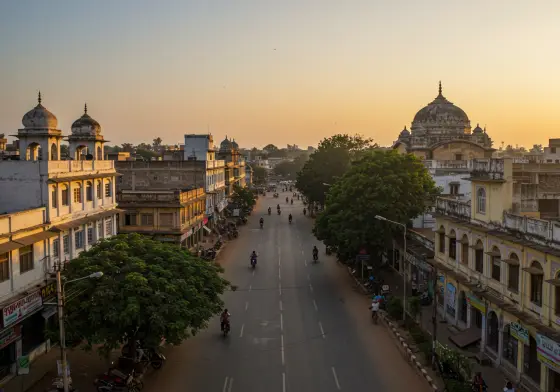
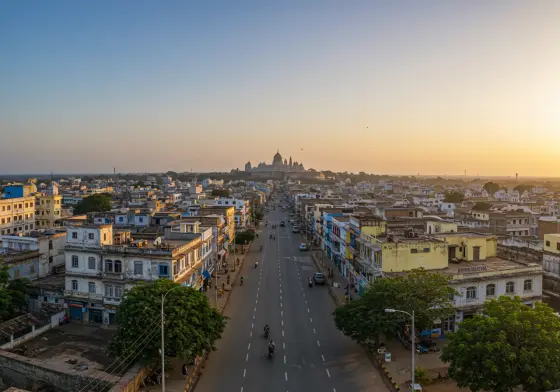
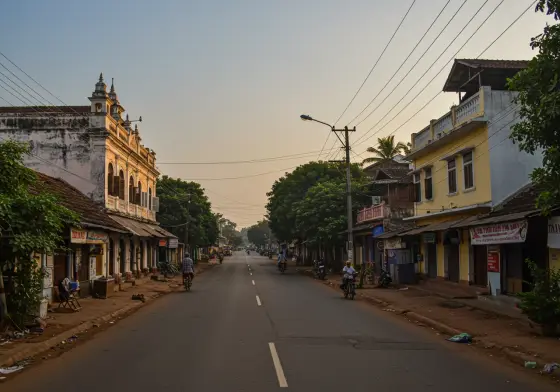
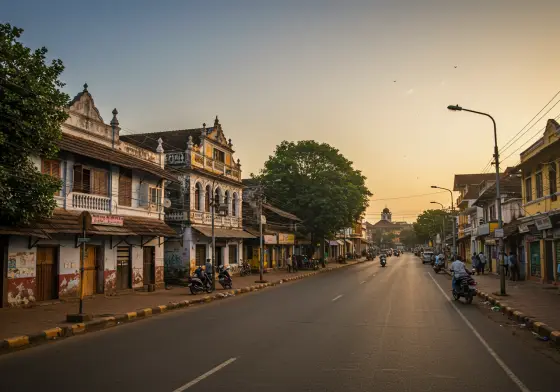
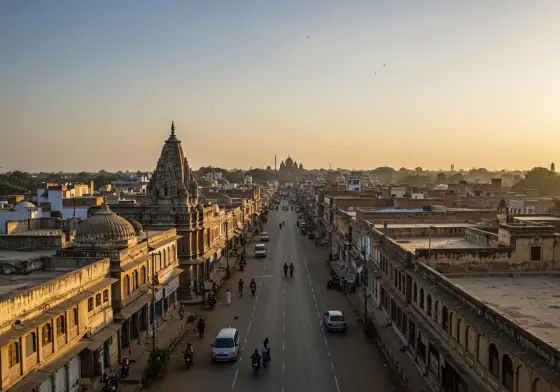
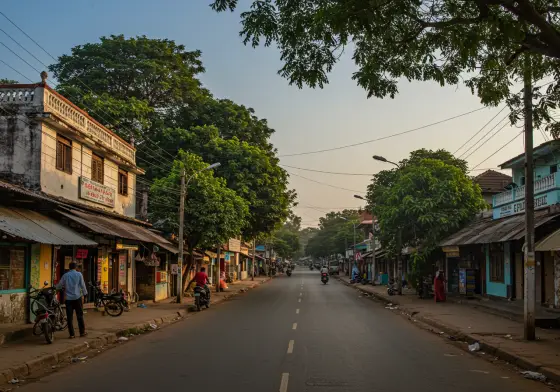
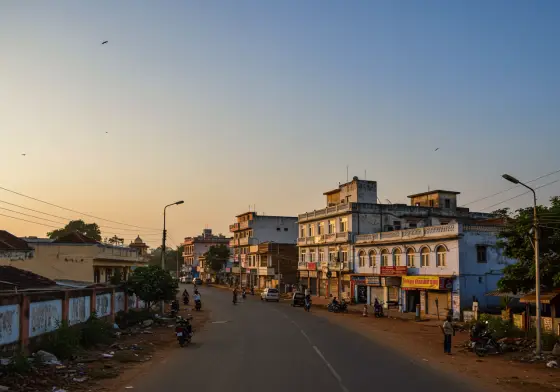
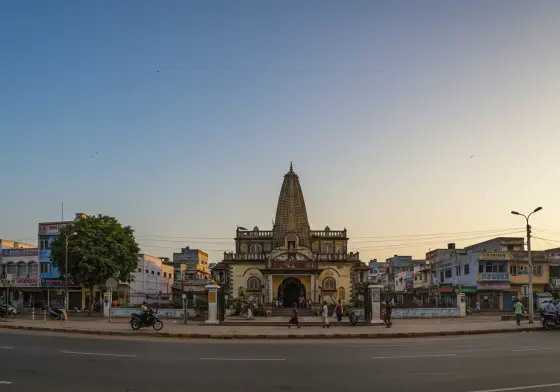
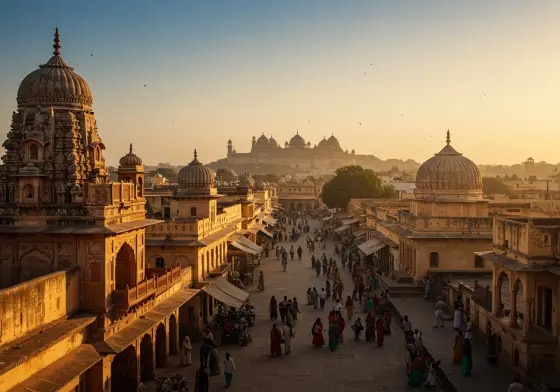
A car unlocks India's vibrant tapestry, from the bustling lanes of Delhi to the serene backwaters of Kerala. Navigate ancient spice routes or embark on a pilgrimage to the Himalayas, all on your own schedule.
Rental companies
The car rental market in India is a mix of local agencies and a few international brands, particularly in major cities and tourist hubs. While international chains offer standardized services, local providers often have more competitive pricing and a wider range of vehicles suited for Indian roads. Aggregators like RentoRika provide a convenient platform to compare offers from various local and international suppliers, simplifying the booking process and often securing better deals.
What documents you need
To rent a car in India, foreign visitors typically need a valid driving license from their home country, an International Driving Permit (IDP), and their passport. The IDP must be presented along with your original national license. Drivers generally need to be at least 21 years old, and some rental companies may require a minimum of one year of driving experience. Always confirm specific requirements with your chosen rental agency.
Payment and deposit
Most car rental companies in India require a credit card for payment and a security deposit, which is usually blocked on the card. While some local agencies might accept cash for the rental fee, a credit card is almost always necessary for the deposit. Deposit-free options are rare and typically not offered by reputable agencies due to the inherent risks. It's advisable to have a major credit card ready for your rental.
How much rental costs
Car rental prices in India vary significantly based on the vehicle type, rental duration, and seasonality. Daily rates can range from approximately 1,500 INR for a compact car to 5,000 INR or more for larger SUVs or luxury vehicles. Prices tend to be higher during peak tourist seasons, such as December to February and during major festivals. Conversely, the monsoon season (June to September) often sees lower demand and potentially better deals.
Price by month, €
Traffic rules and fines
In India, traffic drives on the left side of the road. Speed limits vary, typically 80-100 km/h on highways and 40-60 km/h in urban areas, but these are often not strictly enforced and conditions dictate actual speeds. Honking is common and often used to signal presence rather than aggression. Always be prepared for unexpected obstacles, including pedestrians, animals, and other vehicles, even on major roads. Seatbelts are mandatory for front passengers.
Parking
Parking in Indian cities can be challenging. In metropolitan areas, paid parking lots and street parking are available, though spaces can be scarce. Always look for designated parking areas to avoid fines or towing. In smaller towns and rural areas, parking is generally easier to find, often informally along roadsides or in open spaces. Hotel parking is usually available and recommended when staying overnight.
Fuel stations
Fuel stations are widely available across India, especially along major highways and in populated areas. Petrol (gasoline) and Diesel are the most common fuel types. Fuel prices are regulated by the government and can vary slightly by state, but as of 2026, petrol costs approximately 100-110 INR per liter, and diesel around 90-100 INR per liter. It's advisable to fill up when you see a station, especially before long journeys in remote areas.
Which car to choose
For general touring in India, a compact or mid-sized sedan is often sufficient for city driving and well-maintained highways. If you plan to venture into rural areas, hilly regions, or areas with less developed roads, an SUV with higher ground clearance is highly recommended. Manual transmission cars are more common and generally cheaper to rent than automatics. Consider the number of passengers and luggage when choosing your vehicle.
Pros
- Freedom to explore diverse landscapes at your own pace.
- Access to remote and off-the-beaten-path destinations.
- Flexibility to create a personalized travel itinerary.
- Comfort and privacy compared to public transport.
Cons
- Traffic can be chaotic and unpredictable, especially in cities.
- Road conditions vary significantly, from excellent to very poor.
- Long driving distances between major attractions.
- Parking can be difficult and expensive in urban centers.
You may also like
Frequently asked questions
Do I need an International Driving Permit (IDP) to rent a car in India?
Yes, foreign visitors must present a valid International Driving Permit (IDP) along with their original national driving license to rent a car in India.
What side of the road do they drive on in India?
In India, traffic drives on the left side of the road.
Are credit cards essential for car rental in India?
Yes, a major credit card is almost always required for the security deposit, even if the rental fee can sometimes be paid in cash with local agencies.
What is the typical age requirement for renting a car in India?
Most car rental companies in India require drivers to be at least 21 years old, with some agencies also stipulating a minimum of one year of driving experience.
Is it safe to drive in India as a tourist?
Driving in India can be challenging due to varied road conditions and heavy traffic. It requires alertness and adaptability. However, many tourists successfully navigate the country by exercising caution and planning their routes carefully.
What type of car is best for exploring India?
For city driving and well-maintained highways, a compact or mid-sized sedan is suitable. For rural areas, hilly regions, or less developed roads, an SUV with higher ground clearance is recommended for better comfort and capability.