Country
Car Rental in Jordan
Open any city directly or jump straight to search with your chosen destination.
Cities
All cities in Jordan
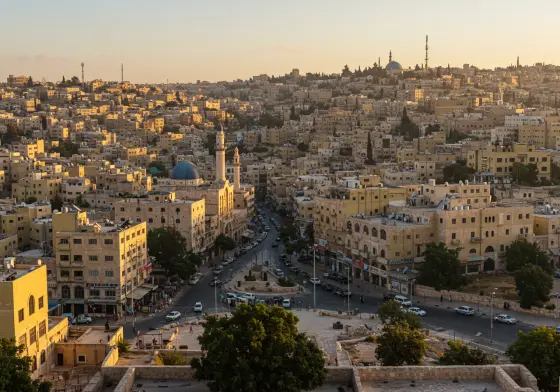
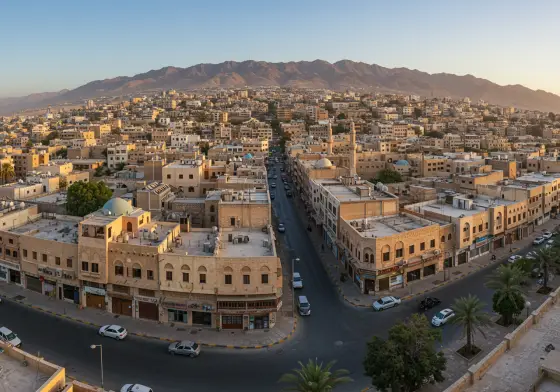
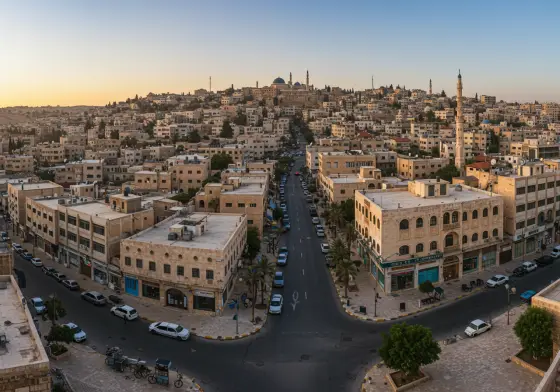
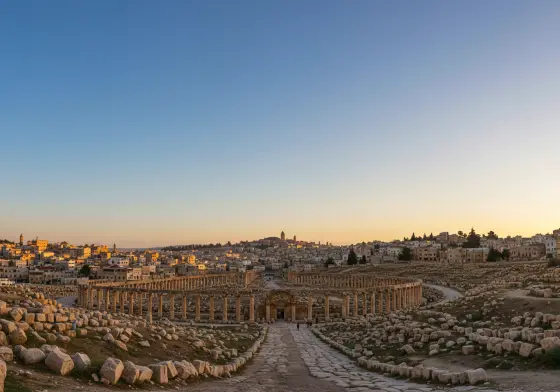
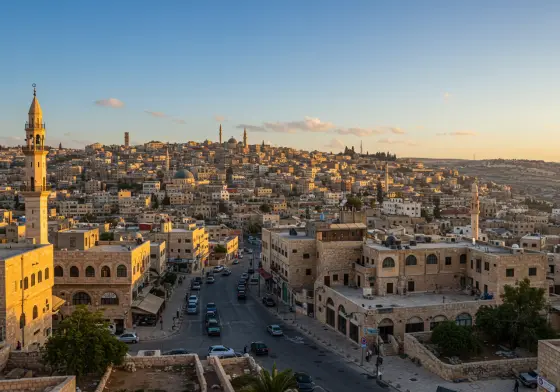
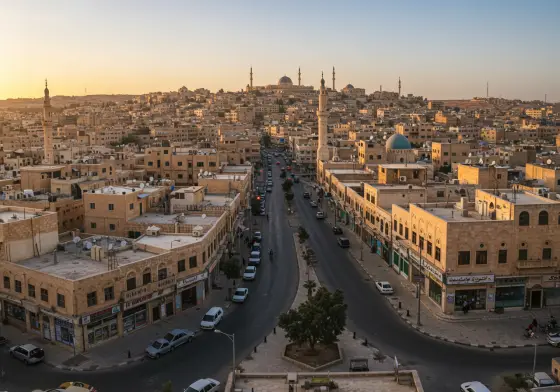
Car Rental in Jordan
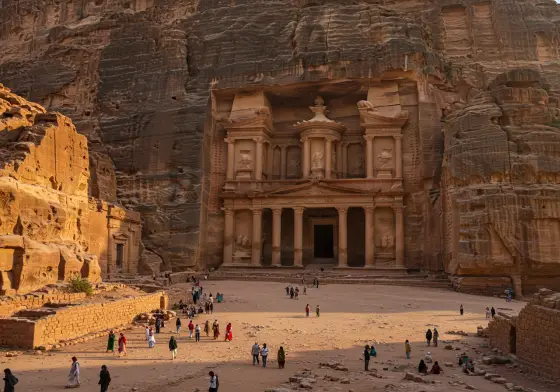
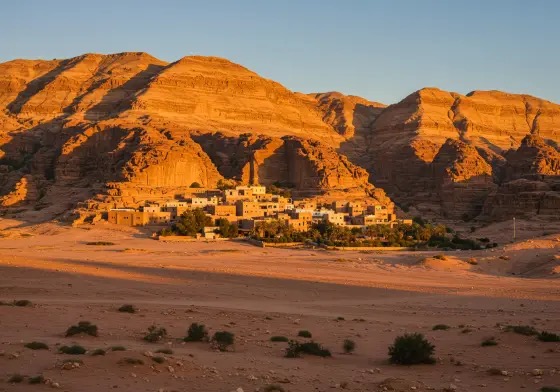
Did you know Jordan boasts the lowest point on dry land, the Dead Sea, accessible via an incredible drive on the Dead Sea Highway? To truly immerse yourself in Jordan's ancient wonders and breathtaking landscapes, from Petra's rose-red city to Wadi Rum's Martian vistas, a rental car is your essential companion. Enjoy the flexibility to chase sunsets over the desert or linger longer at Roman ruins, all on your own schedule.
Rental companies
Jordan's car rental market features a mix of international chains like Hertz, Avis, and Europcar, alongside numerous local agencies. While international brands offer familiarity, local providers often provide more competitive pricing and flexible terms, especially for longer rentals. Aggregators like RentoRika allow you to compare offers from both types of suppliers, ensuring you find the best deal and car for your trip.
What documents you need
To rent a car in Jordan, you will typically need a valid passport, your national driving license, and an International Driving Permit (IDP). Drivers must generally be at least 21 years old, though some agencies might require drivers to be 23 or 25 for certain vehicle categories or to waive young driver surcharges. You should have held your license for at least one year.
Payment and deposit
Most car rental companies in Jordan require a credit card in the main driver's name for the security deposit. While the rental fee itself can sometimes be paid by debit card or cash, the deposit almost always necessitates a credit card. Prepayment online is common and can often secure better rates. Deposit amounts vary widely, but deposit-free options are rare and usually come with higher insurance costs.
How much rental costs
Car rental prices in Jordan fluctuate significantly based on seasonality, vehicle type, and booking lead time. Expect daily rates to range from approximately 25 USD for a compact car during off-peak seasons to 70 USD or more for an SUV in high season. The lowest daily price can be around 20 USD, especially if booked well in advance. Prices are generally higher during spring (March-May) and autumn (September-November) due to favorable weather.
Price by month, €
Traffic rules and fines
Driving in Jordan is on the right-hand side of the road. Speed limits are typically 50 km/h in urban areas, 80 km/h on rural roads, and 100-120 km/h on highways. Seatbelts are mandatory for all occupants. Traffic police are visible, and radar guns are used. While generally safe, aggressive driving, especially in cities, is common. Be aware of speed bumps, sometimes unmarked, and pedestrians.
Parking
Parking in major cities like Amman can be challenging. Paid street parking is available in some areas, usually managed by attendants. Private parking lots and garages are also an option. Outside of city centers and at tourist sites, parking is generally easier to find and often free. Always ensure your car is parked securely and not obstructing traffic.
Fuel stations
Fuel stations are widely available throughout Jordan, especially along main highways and in towns. Both petrol (gasoline) and diesel are sold. Fuel prices are regulated by the government and are generally consistent across the country, though they can fluctuate monthly. As of 2026, expect petrol prices to be in the range of approximately 1.20 to 1.50 JOD per liter. Most stations accept cash, and many accept credit cards.
Which car to choose
For city driving and exploring main tourist routes like the King's Highway, a compact or economy car is sufficient and fuel-efficient. However, if you plan to venture into Wadi Rum or other off-road areas, a 4x4 vehicle is highly recommended due to the sandy and rocky terrain. For families or groups, a mid-size sedan or an SUV offers more comfort and space for luggage.
Pros
- Freedom to explore remote attractions like Wadi Rum and desert castles.
- Flexibility to set your own schedule and stop wherever you wish.
- Access to areas not well-served by public transportation.
- Cost-effective for groups or families compared to private tours.
- Well-maintained main roads connect major tourist destinations.
Cons
- Traffic in Amman can be heavy and chaotic, especially during peak hours.
- Navigation can be tricky in older city areas with narrow, unmarked streets.
- Some drivers may exhibit aggressive driving habits.
- High cost of fuel compared to some other countries in the region.
- Parking can be difficult and expensive in city centers.
You may also like
Frequently asked questions
Is it safe to drive in Jordan?
Yes, generally it is safe to drive in Jordan, especially on major routes. Road conditions are good on main highways. However, exercise caution in cities due to heavy traffic and be mindful of local driving habits.
Do I need an International Driving Permit (IDP) in Jordan?
Yes, an International Driving Permit (IDP) is officially required in Jordan alongside your national driving license. It's advisable to obtain one before your trip to avoid any issues with rental agencies or traffic police.
What is the minimum age to rent a car in Jordan?
The minimum age to rent a car in Jordan is typically 21 years old. Some rental companies or for certain car categories may require drivers to be 23 or 25, and a young driver surcharge might apply for those under 25.
Are there tolls on roads in Jordan?
No, there are no toll roads in Jordan. You can drive across the country without encountering any toll booths.
Can I cross borders to neighboring countries with a rental car from Jordan?
Generally, rental cars from Jordan are not permitted to cross international borders into neighboring countries like Israel or Saudi Arabia. Always confirm with your rental agency if you plan any cross-border travel, as special permission and insurance are usually required, if at all possible.
What kind of insurance should I get for a rental car in Jordan?
It is highly recommended to have comprehensive insurance coverage, including Collision Damage Waiver (CDW) and Third-Party Liability. Many rental agreements include basic insurance, but often with a high excess. Consider purchasing additional full coverage or a zero-excess policy for peace of mind.