Country
Car Rental in Mauritius
Open any city directly or jump straight to search with your chosen destination.
Cities
All cities in Mauritius
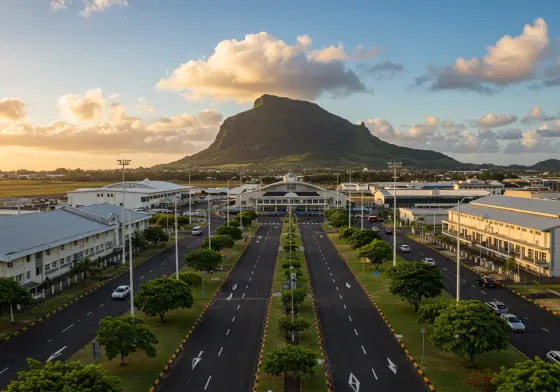 Airport
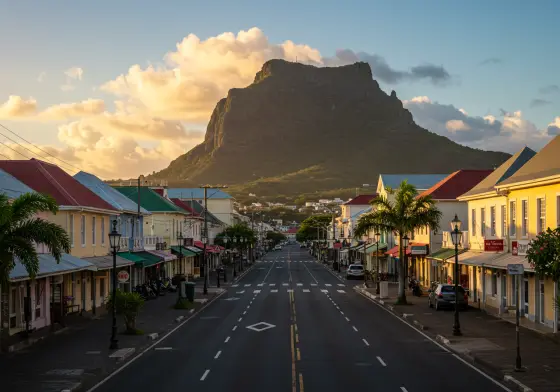 Airport
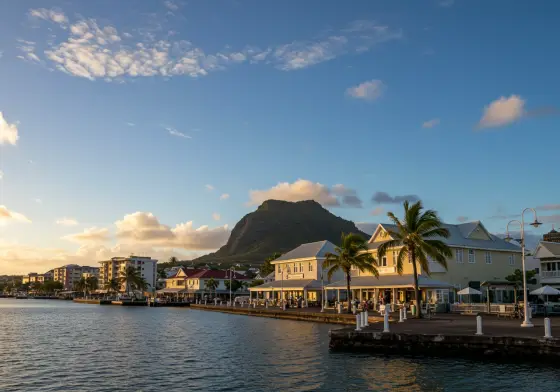 Airport
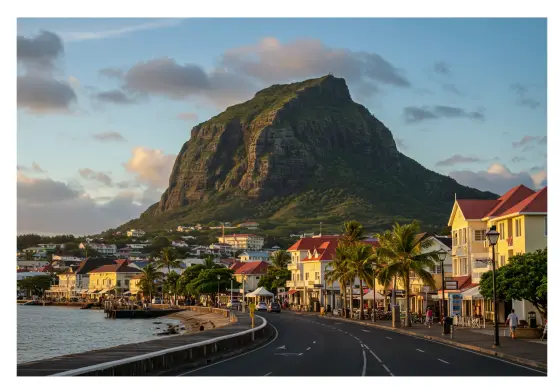 Airport
 Airport
 Airport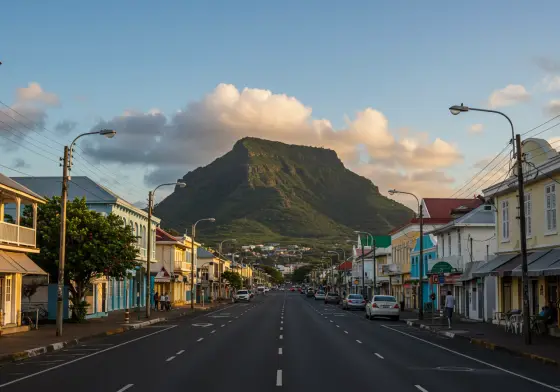
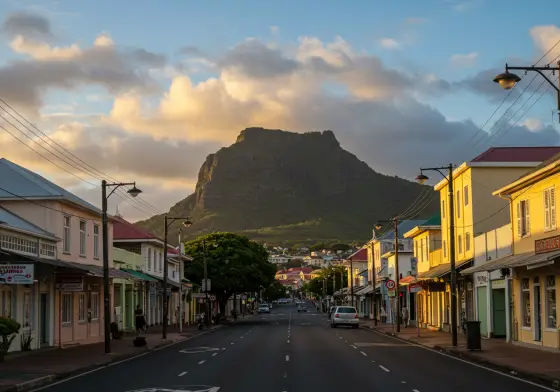
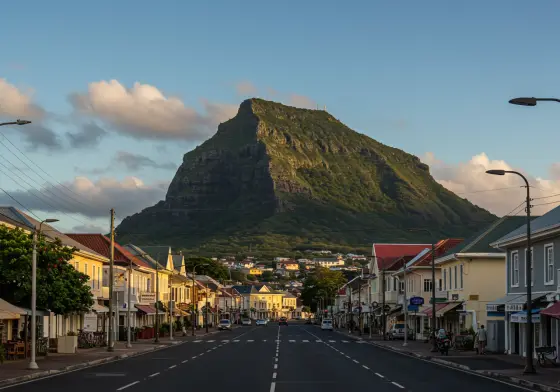
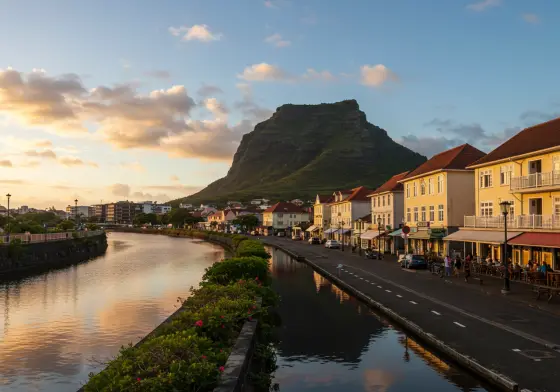
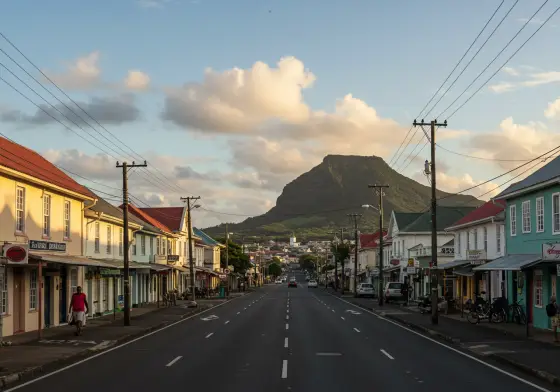
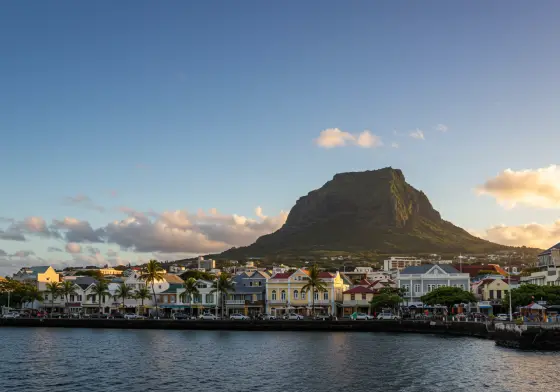
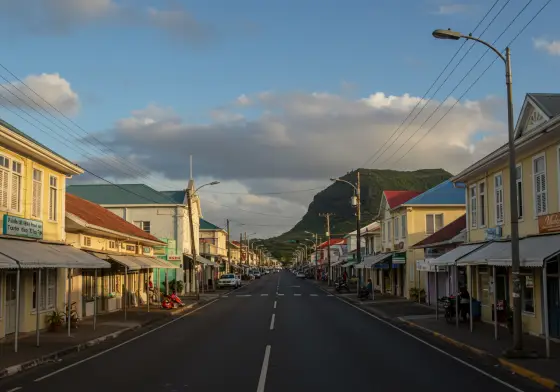
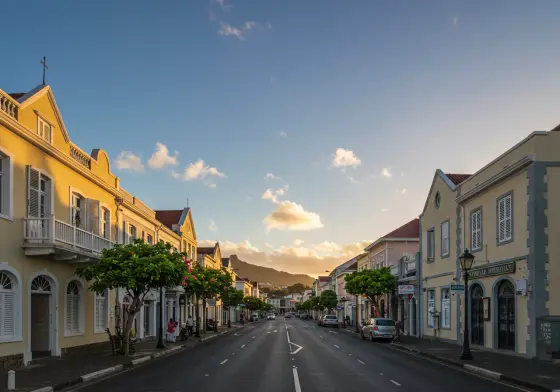
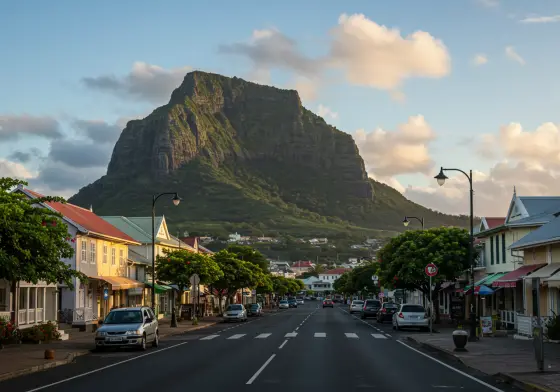
Car Rental in Mauritius
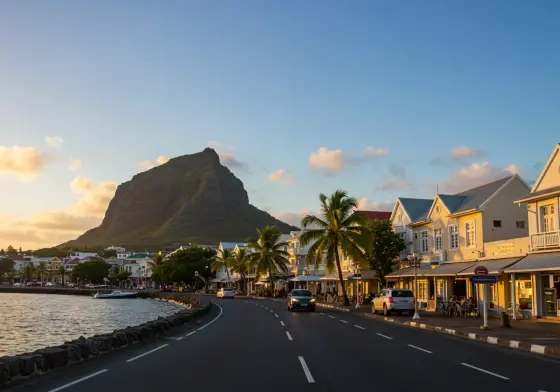
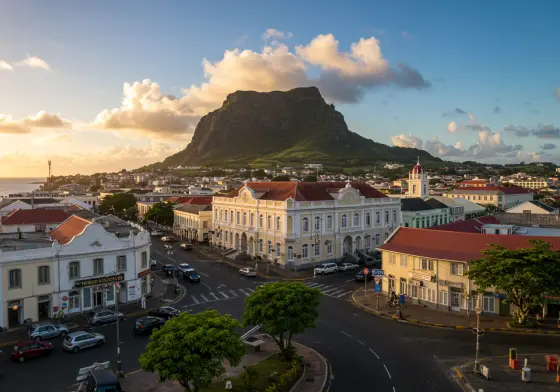
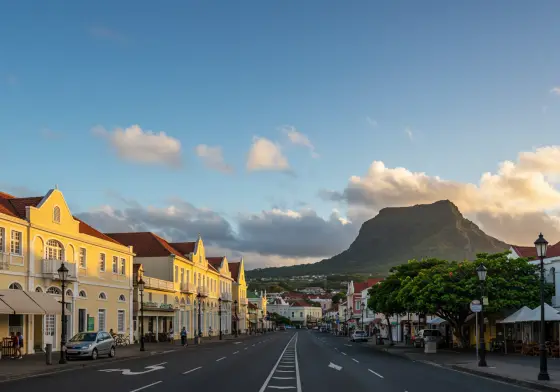
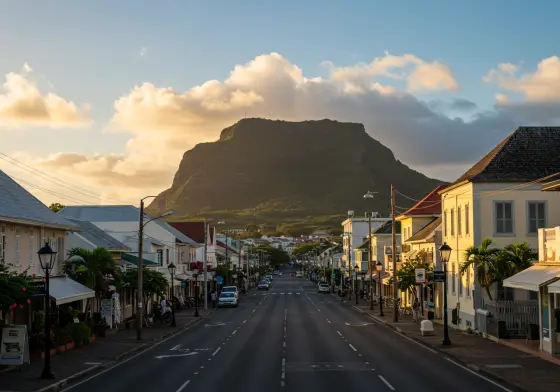
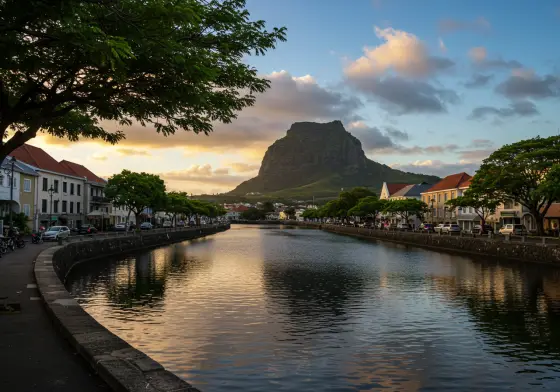
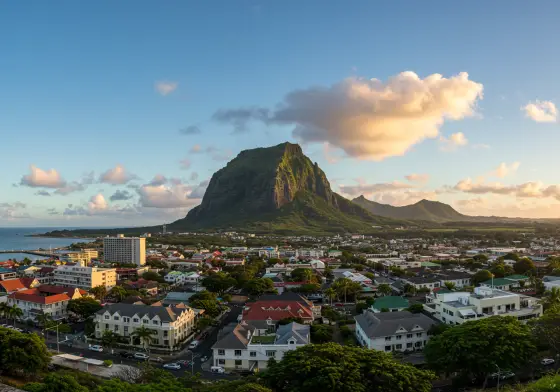
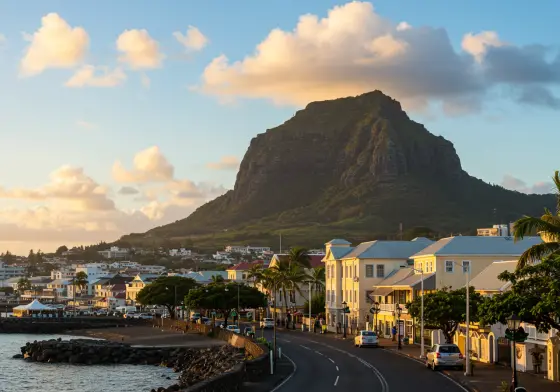
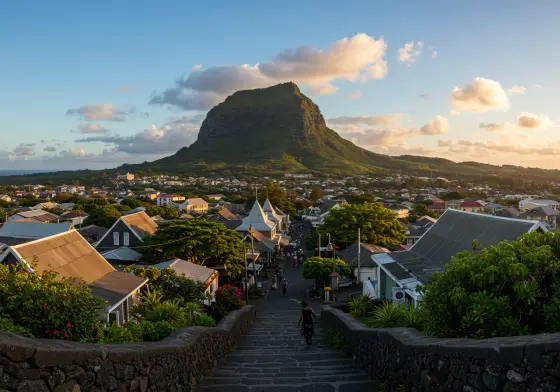
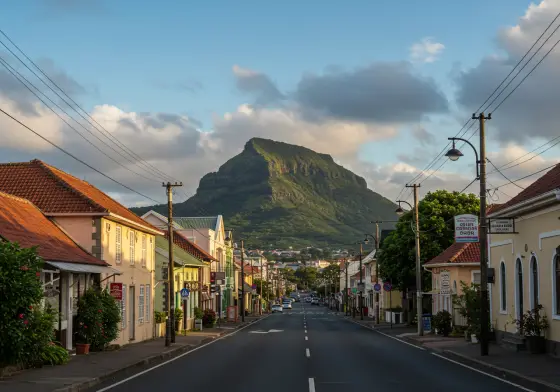
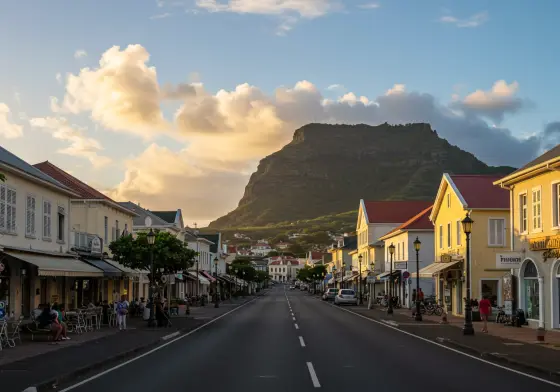
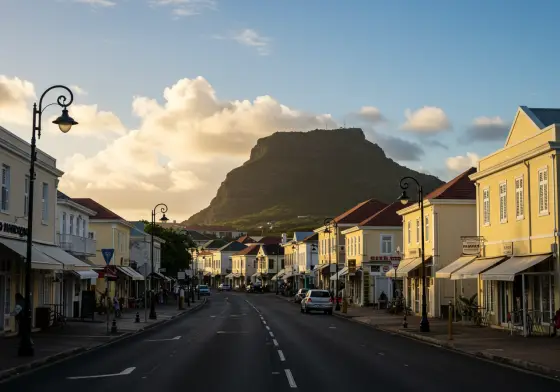
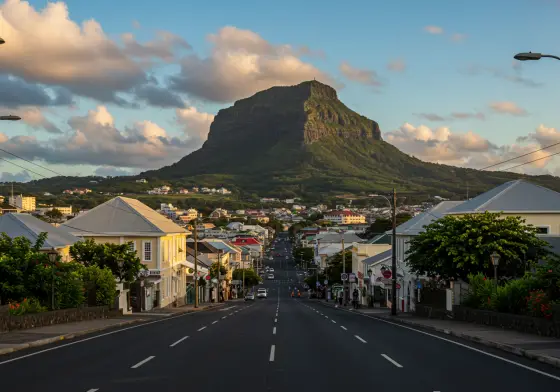
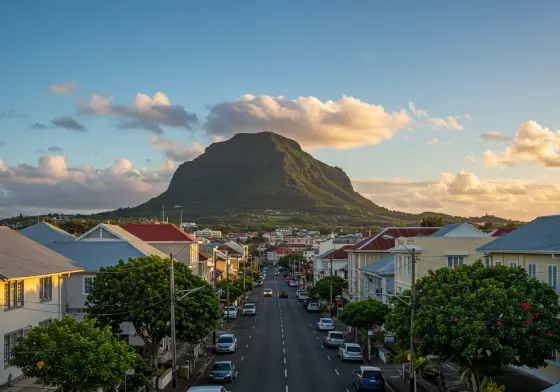
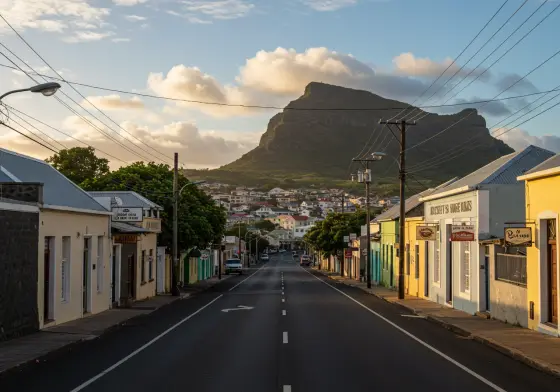
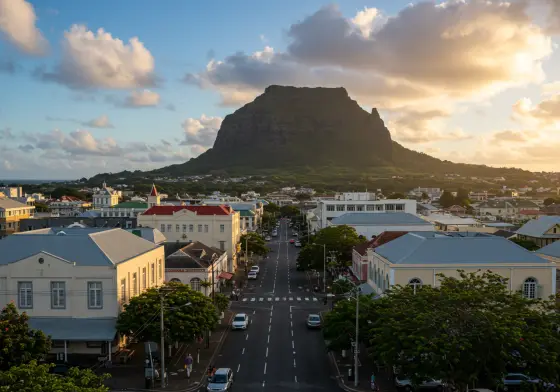
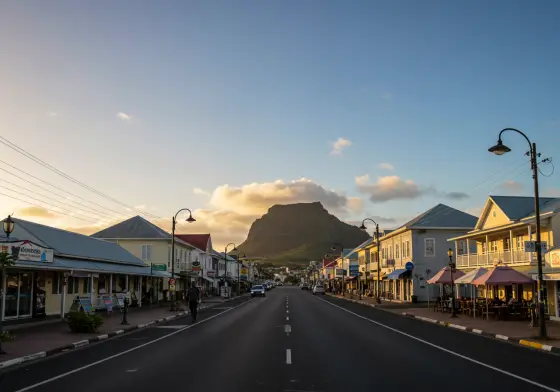
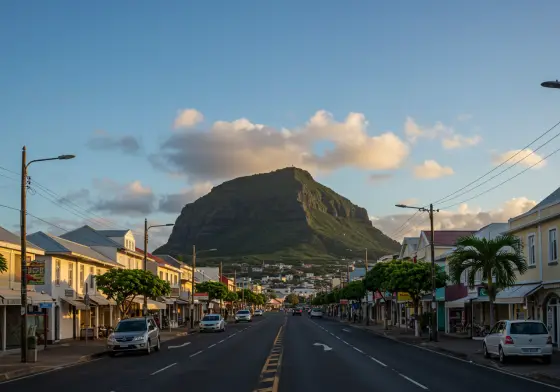
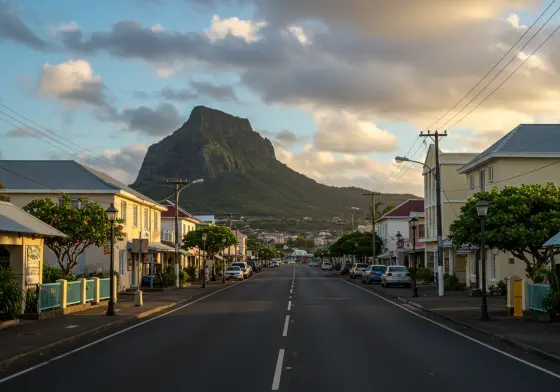
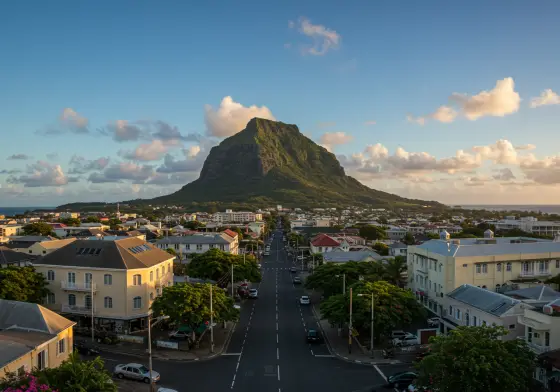
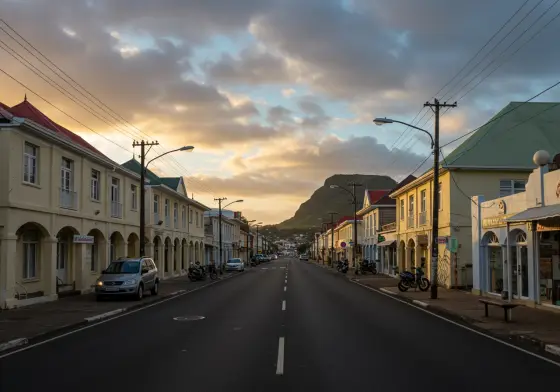
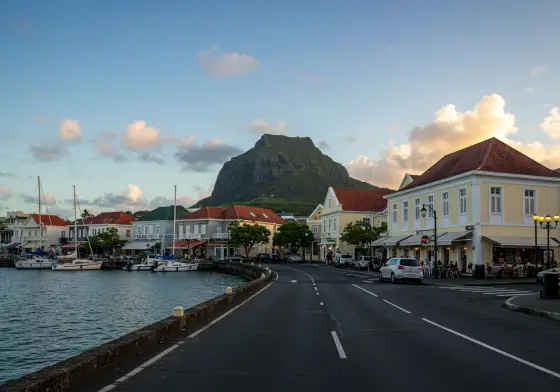
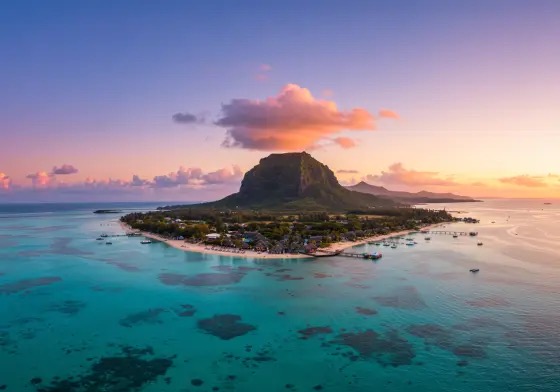
From the vibrant markets of Port Louis to the iconic Le Morne Brabant, navigating Mauritius by car unlocks a world of breathtaking beauty. Cruise along scenic coastal roads, stopping at pristine beaches and hidden coves at your own pace, soaking in every moment of this island paradise.
Rental companies
The car rental market in Mauritius includes a mix of international brands and numerous local agencies. While international companies often offer newer fleets, local providers can sometimes provide more competitive pricing and personalized service. Booking platforms like RentoRika can help you compare options from various suppliers, ensuring you find a suitable vehicle whether you prioritize cost, car type, or specific pick-up locations.
What documents you need
To rent a car in Mauritius, you will generally need a valid national driving license from your home country, held for at least one year. An International Driving Permit (IDP) is highly recommended and often required by local authorities, especially for non-Commonwealth license holders. You must also present your passport and a credit card in the driver's name for the security deposit. The minimum age for renting is typically 21 years, though some premium vehicles may require drivers to be 23 or 25, and drivers under 25 might incur a young driver surcharge.
Payment and deposit
Most rental companies in Mauritius require a credit card for the security deposit, which is blocked on your card rather than charged. Some local agencies might accept cash deposits, but this is less common. Full prepayment for the rental period is often required at the time of booking, especially online. Deposit-free options are rare but can sometimes be found with specific local providers or through certain booking aggregators, usually for an additional fee or with comprehensive insurance packages.
How much rental costs
Car rental prices in Mauritius are generally affordable, starting from around 25 EUR per day for a compact car during off-peak seasons. Prices fluctuate based on demand, vehicle type, and the time of year. Peak tourist seasons, such as December to February and July to August, see higher rates, while the shoulder months offer better value. A mid-range sedan might cost around 35-50 EUR daily, and SUVs or larger vehicles can range from 60 EUR upwards. These figures are approximate for 2026.
Price by month, €
Traffic rules and fines
In Mauritius, driving is on the left-hand side of the road, and priority is given to traffic coming from the right at unmarked intersections. Seatbelts are mandatory for all occupants. Speed limits are generally 40 km/h in urban areas, 80 km/h on main roads, and up to 110 km/h on motorways. Drink-driving laws are strict, with a very low legal alcohol limit. Road signs are in English and French. Be aware of pedestrians, cyclists, and occasional stray animals, especially in rural areas.
Parking
Parking in major towns like Port Louis and Curepipe often requires payment, usually via parking meters or scratch cards available at local shops. In tourist areas and at attractions, parking is frequently free or included with admission. Always look for designated parking bays and avoid parking on yellow lines, as fines can be issued or vehicles towed. Hotel parking is typically complimentary for guests.
Fuel stations
Fuel stations are widely available across Mauritius, especially along main roads and in towns. The main types of fuel are unleaded petrol (Essence Sans Plomb) and diesel (Gasoil). Fuel prices are regulated by the government and are generally consistent across the island. As of 2026, expect approximate prices to be around 1.50-1.70 EUR per liter for petrol and slightly less for diesel. Most stations accept cash and credit cards.
Which car to choose
For most travelers in Mauritius, a compact or economy car is sufficient, offering good fuel efficiency and easy maneuverability on narrow roads. If you plan to explore more remote areas or need extra space for luggage and passengers, a mid-size sedan or a small SUV would be a better choice. Given the island's generally good road conditions, a 4x4 is usually not necessary unless you specifically intend to venture off paved routes, which is often prohibited by rental agreements.
Pros
- Freedom to explore the island's diverse attractions at your own pace.
- Access to secluded beaches and less-visited natural sites.
- Convenience for families and those with specific schedules.
- Well-maintained road network makes driving generally pleasant.
- Relatively affordable rental rates compared to other destinations.
Cons
- Driving on the left-hand side may be unfamiliar to some visitors.
- Traffic can be heavy in and around major towns during peak hours.
- Some rural roads can be narrow and winding.
- Navigating can be challenging without GPS in less-developed areas.
- Parking in popular urban centers may require payment and can be competitive.
You may also like
Frequently asked questions
Do I need an International Driving Permit in Mauritius?
While some rental companies might accept national licenses, an International Driving Permit (IDP) is highly recommended and often required by local police, especially if your national license is not in English or French. It translates your license into multiple languages.
What is the minimum age to rent a car in Mauritius?
The typical minimum age to rent a car in Mauritius is 21 years old. However, for certain vehicle categories, or with some rental companies, the minimum age can be 23 or 25. Drivers under 25 may also face a young driver surcharge.
Is it difficult to drive in Mauritius?
Driving in Mauritius is generally straightforward. Roads are well-maintained, and signage is clear. The main challenge for some drivers is adapting to driving on the left-hand side of the road. Traffic can be congested in urban areas, particularly during rush hour.
What kind of car is best for Mauritius?
A compact or economy car is usually sufficient for most travelers, offering good fuel efficiency and easy handling on island roads. For more comfort, extra luggage, or if traveling with family, a mid-size sedan or a small SUV would be a good choice.
Are there many petrol stations in Mauritius?
Yes, petrol stations are conveniently located across the island, especially along main roads and in towns. You won't have trouble finding fuel, and most stations accept both cash and credit card payments.
What are the speed limits in Mauritius?
General speed limits are around 40 km/h in urban areas, 80 km/h on main roads, and up to 110 km/h on motorways. Always pay attention to posted signs as limits can vary.