Country
Car Rental in Morocco
Open any city directly or jump straight to search with your chosen destination.
Cities
All cities in Morocco
 Airport
 Airport
 Airport
 Airport
 Airport
 Airport
Car Rental in Morocco
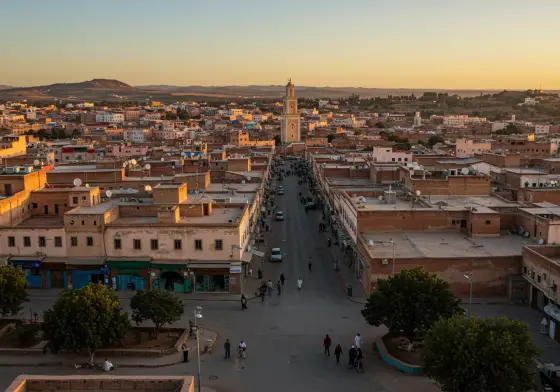
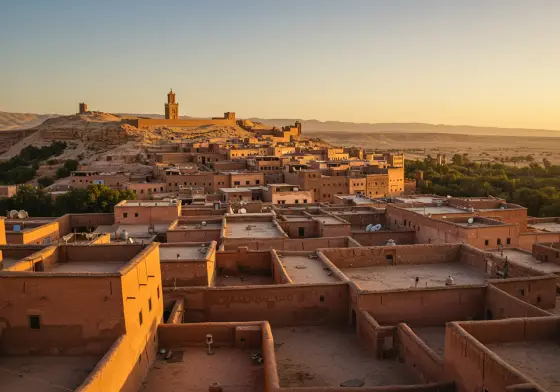
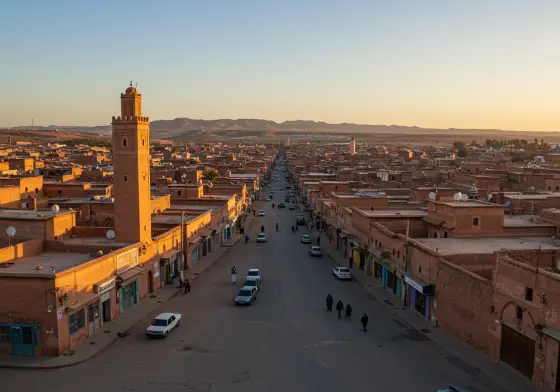
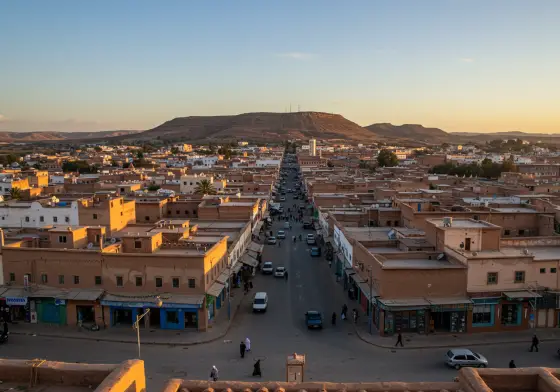
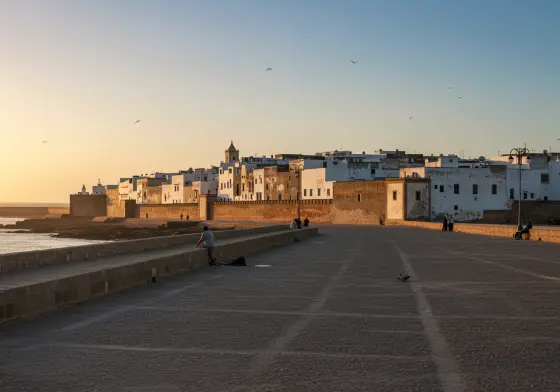
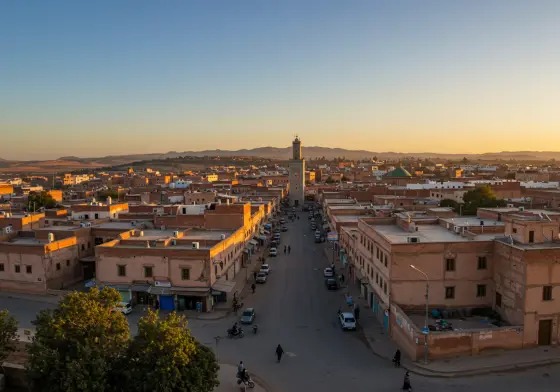
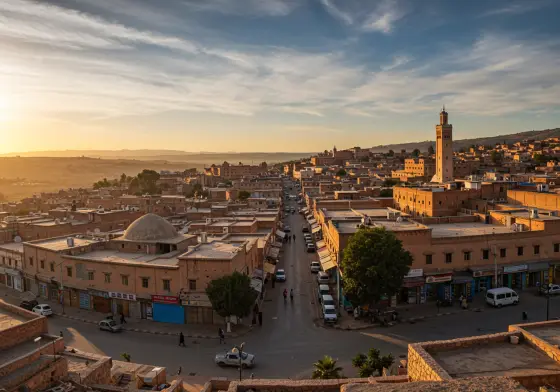
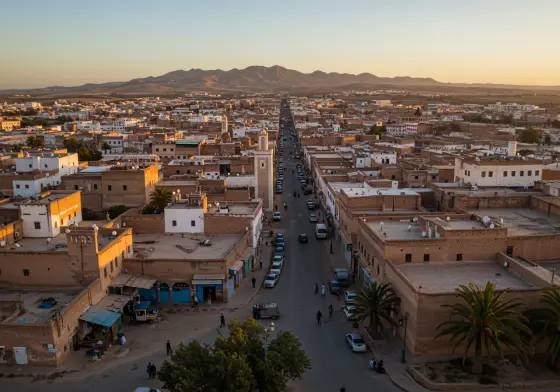
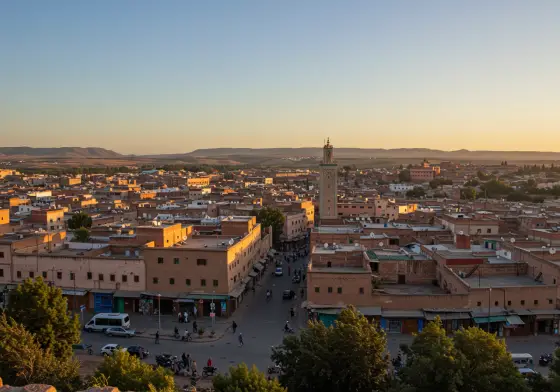
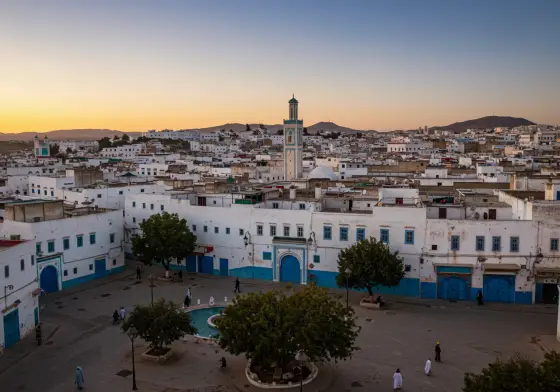
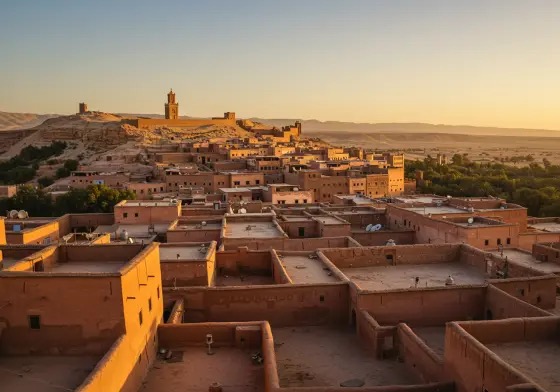
Driving in Morocco lets you journey beyond the bustling souks of Marrakech, easily venturing to the Atlantic coastline or the ancient Roman ruins of Volubilis. With your own wheels, the stunning Atlas Mountains and the Sahara Desert become accessible, transforming your trip into an unforgettable adventure at your own pace.
Rental companies
The car rental market in Morocco features a mix of international brands like Europcar, Hertz, and Avis, alongside numerous local agencies. While international companies often offer standardized services, local providers can sometimes provide more competitive prices and flexible terms. Booking platforms like RentoRika aggregate offers from various suppliers, allowing you to compare options and find the best fit for your trip, often with transparent pricing and booking conditions.
What documents you need
To rent a car in Morocco, you generally need a valid passport, a national driving license from your home country, and an International Driving Permit (IDP). While some rental agencies might accept just a national license for certain nationalities, an IDP is highly recommended and often required by law. Most companies require drivers to be at least 21 years old and to have held their license for a minimum of one to two years. For drivers under 25, a young driver surcharge may apply.
Payment and deposit
Most car rental companies in Morocco require a credit card in the main driver's name for both payment and the security deposit. Debit cards are generally not accepted for the deposit. The rental fee can often be paid online in advance or upon pick-up. Security deposits typically range from around 500 EUR to 1500 EUR, depending on the vehicle class and rental company. Some local agencies might offer cash deposit options, but these are less common and often come with higher amounts. Deposit-free options are rare and usually tied to specific insurance packages.
How much rental costs
Car rental prices in Morocco vary significantly based on seasonality, vehicle type, and booking lead time. During off-peak seasons like winter (excluding holiday periods), you might find compact cars for as low as approximately 20-30 EUR per day. Peak seasons, such as spring, autumn, and major holidays, can see prices for similar vehicles rise to around 40-70 EUR per day. Booking well in advance, especially for summer and holiday travel, is advisable to secure better rates and availability. The average daily price for a compact car is around 35 EUR.
Price by month, €
Traffic rules and fines
Driving in Morocco is on the right-hand side of the road. Speed limits are generally 60 km/h in urban areas, 100 km/h on national roads, and 120 km/h on motorways, unless otherwise indicated. Seatbelts are mandatory for all occupants. Mobile phone use while driving is prohibited unless using a hands-free system. Be aware of speed cameras and occasional police checkpoints. Road signs are typically in Arabic and French.
Parking
Parking in Moroccan cities can be challenging, especially in the medinas (old city centers) where vehicles are often not permitted. In newer areas, metered street parking or paid parking lots are common. Attended parking guards, who expect a small fee (around 5-20 Moroccan Dirhams), are prevalent and generally trustworthy. Always confirm the price beforehand. For hotel stays, inquire about available parking.
Fuel stations
Fuel stations are widely available, especially along major routes and in urban centers. Both gasoline (essence) and diesel (gasoil) are sold. Fuel prices are regulated by the government and are generally consistent across the country, though they can fluctuate. As of 2026, expect to pay around 1.3 to 1.5 EUR per liter for gasoline and slightly less for diesel. Most stations accept cash and credit cards.
Which car to choose
For city driving and exploring well-paved national roads, a compact or economy car is usually sufficient and easier to maneuver and park. If you plan to venture into rural areas, the Atlas Mountains, or towards the desert (e.g., Merzouga), a higher-clearance vehicle or a 4x4 is highly recommended due to unpaved or rougher roads. Consider a car with good air conditioning, especially during the warmer months.
Pros
- Freedom to explore diverse landscapes and remote areas at your own pace.
- Convenient for carrying luggage and souvenirs.
- Access to destinations not easily reached by public transport.
- Flexibility to change your itinerary spontaneously.
- Overall good road infrastructure on major routes.
Cons
- Traffic in major cities can be chaotic and challenging, especially in older areas.
- Road conditions can vary greatly, with unpaved roads and potholes in rural areas.
- Navigation can be tricky, especially in medinas or areas with less signage.
- Parking can be difficult and sometimes requires negotiation with attendants.
- Police checkpoints are common, requiring vigilance and adherence to rules.
You may also like
Frequently asked questions
Is it safe to drive in Morocco as a tourist?
Yes, driving in Morocco is generally safe for tourists, especially on major roads. However, it's important to be aware of local driving styles, which can be more assertive, and to exercise caution, particularly in urban traffic and at night. Adhering to speed limits and being aware of pedestrians and livestock on rural roads is crucial.
What side of the road do they drive on in Morocco?
In Morocco, people drive on the right-hand side of the road.
Do I need an International Driving Permit (IDP) in Morocco?
While some rental agencies might accept certain national licenses, an International Driving Permit (IDP) is highly recommended and often legally required for foreign drivers in Morocco. It translates your national license into multiple languages and can be obtained in your home country before your trip.
Are there tolls on Moroccan roads?
Yes, Morocco has a network of modern toll motorways (autoroutes) connecting major cities like Casablanca, Rabat, Marrakech, and Tangier. Tolls are typically paid in cash or by credit card at toll booths along these roads.
What happens if I get a speeding ticket or traffic fine?
If you receive a speeding ticket or traffic fine, it's important to address it promptly. Rental companies will typically charge the fine to your credit card, often with an additional administrative fee. In some cases, police may issue on-the-spot fines for minor infractions, which can be paid directly.
Can I drive a rental car from Morocco to other countries?
Generally, taking a rental car from Morocco into other countries, such as Mauritania, is not permitted by rental agreements due to insurance and border crossing complexities. Always check with your rental provider for their specific cross-border policies.