Country
Car Rental in Oman
Open any city directly or jump straight to search with your chosen destination.
Cities
All cities in Oman
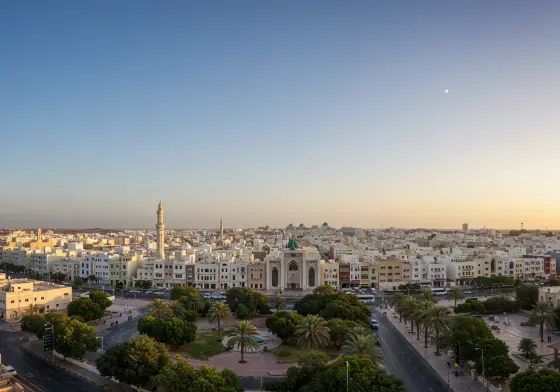
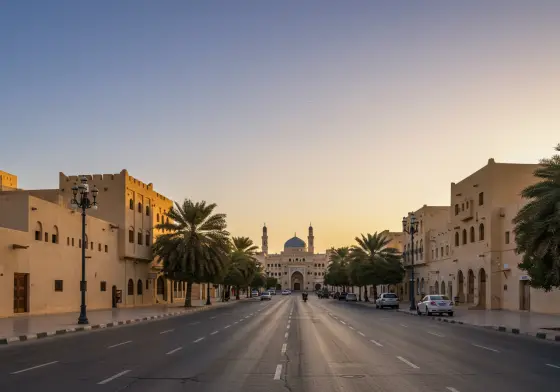
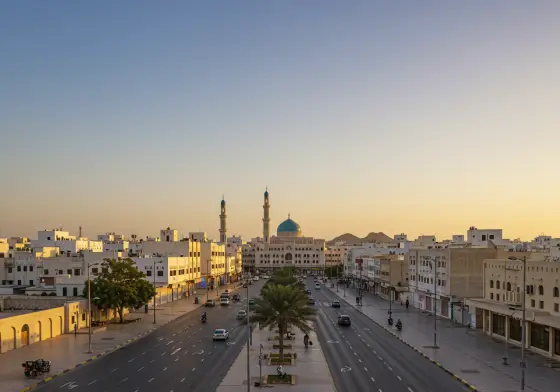
Car Rental in Oman
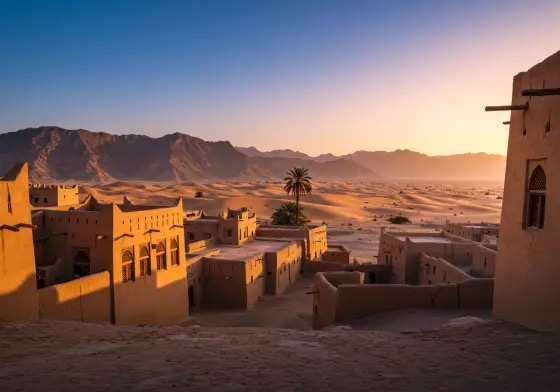
Did you know that Oman boasts over 1,700 kilometers of coastline, much of it rugged and remote? To truly experience its hidden wadis, ancient forts, and the breathtaking Empty Quarter, navigating by car is not just convenient, it's essential for accessing these off-the-beaten-path wonders.
Rental companies
Oman's car rental market features a mix of well-known international brands like Hertz, Avis, and Budget, alongside several reputable local agencies. While international companies often have desks at major airports, local providers can sometimes offer more competitive rates or unique vehicle options. Aggregators like RentoRika allow you to compare offers from various suppliers, ensuring you find the best deal and vehicle for your Omani adventure.
What documents you need
To rent a car in Oman, you will typically need a valid passport, a national driving license from your home country, and an International Driving Permit (IDP). The IDP is legally required for non-GCC residents and should be obtained in your home country before arrival. Drivers must generally be at least 21 years old, and some premium car categories may require drivers to be 25 or older, with at least one or two years of driving experience.
Payment and deposit
Most rental companies in Oman require a credit card for the security deposit, which is typically blocked on your card rather than charged. Full prepayment for the rental period is common, though some agencies might allow payment upon pickup. While some local agencies may accept cash for the rental fee, a credit card is almost always mandatory for the security deposit. Deposit-free options are extremely rare and usually not available from major rental providers.
How much rental costs
Car rental prices in Oman vary significantly by season and vehicle type. During the peak tourist season (October to April), daily rates can range from approximately 30 USD for an economy car to 80 USD or more for an SUV. The lowest daily price is around 0 USD, which is an exceptional off-season offer for a very basic model. In the hotter summer months (May to September), prices generally drop by 15-25%. Booking in advance, especially for SUVs or 4x4s, is advisable to secure better rates.
Price by month, €
Traffic rules and fines
Driving in Oman is on the right-hand side of the road. Speed limits are generally 120 km/h on highways, 90 km/h on rural roads, and 40-60 km/h in urban areas, strictly enforced by speed cameras. Seatbelts are mandatory for all occupants, and using a mobile phone while driving is illegal. Road signs are in both Arabic and English. Be aware of camels and goats, especially on rural roads, and avoid driving off-road without proper equipment and experience.
Parking
Parking in major cities like Muscat is generally plentiful, with a mix of free and paid options. Shopping malls and tourist attractions often provide ample free parking. In older city centers or popular areas, metered street parking or paid parking lots are common. Always check for signs indicating parking restrictions or fees. Outside of cities, parking is rarely an issue, with ample space available at most attractions.
Fuel stations
Fuel prices in Oman are relatively low compared to many Western countries, as of 2026. Unleaded petrol is widely available, with stations found frequently along major routes and in all towns. Most stations are self-service, but attendants are often available to assist. Payment can be made with cash or credit card. It's advisable to fill up before embarking on long journeys into remote areas, as stations can be scarce.
Which car to choose
For city driving and highway travel between major towns, a compact or economy car is perfectly adequate. However, if you plan to explore the stunning wadis, vast deserts, or mountainous regions like Jebel Akhdar, a 4x4 SUV is highly recommended, and sometimes mandatory for certain roads. A vehicle with good ground clearance is also beneficial for some unpaved roads leading to attractions. For comfort on longer drives, a mid-size sedan is a good compromise.
Pros
- Excellent road infrastructure and well-maintained highways.
- Relatively low fuel prices.
- Opportunity to explore off-the-beaten-path destinations independently.
- Clear road signage in both Arabic and English.
- Scenic drives through diverse landscapes, from coast to desert to mountains.
Cons
- Limited public transport alternatives outside of major cities.
- Distances between attractions can be significant, requiring long drives.
- Off-road driving in wadis or deserts requires a 4x4 and specific skills.
- Strict enforcement of speed limits and traffic laws.
- Summer heat can be intense, making long drives less comfortable.
You may also like
Frequently asked questions
Is it safe to drive in Oman as a tourist?
Yes, Oman is considered one of the safest countries in the world, and driving conditions are generally very safe. The roads are well-maintained, and traffic laws are strictly enforced, contributing to a disciplined driving environment.
Do I need a 4x4 vehicle in Oman?
While not always necessary for city driving and main highways, a 4x4 is highly recommended if you plan to visit wadis, explore the desert, or drive up into the mountains (e.g., Jebel Akhdar, Jebel Shams), where roads can be unpaved or steep. Some mountain roads even require a 4x4 by law.
What are the speed limits in Oman?
Speed limits are typically 120 km/h on highways, 90 km/h on rural roads, and 40-60 km/h in urban areas. These limits are strictly enforced by radar, so it's important to adhere to them.
Can I cross borders to neighboring countries with a rental car from Oman?
Generally, taking a rental car across international borders from Oman is not permitted by most rental companies. If you intend to do so, you must inform the rental agency in advance and obtain explicit written permission and any necessary insurance, which is rare.
What is the best time of year to rent a car and drive in Oman?
The best time to visit and drive in Oman is during the cooler months, from October to April. Temperatures are pleasant, making long drives and outdoor exploration much more enjoyable. The Khareef (monsoon) season in Salalah (July-September) also offers a unique green landscape, though some wadis might be flooded.