_(9).webp)
Volkswagen Golf · 2023
automatic · 5 seats
13 € / day
Destination · Portugal
Ready to trade cityscapes for sun-drenched beaches and historic vineyards? With a rental car in Porto, you’re just a scenic drive along the Douro River from world-class wineries and the breathtaking Atlantic coastline. Get ready to navigate charming cobblestone streets and unlock the true magic of Northern Portugal at your own pace.
Porto, Portugal
Ready to trade cityscapes for sun-drenched beaches and historic vineyards? With a rental car in Porto, you’re just a scenic drive along the Douro River from world-class wineries and the breathtaking Atlantic coastline. Get ready to navigate charming cobblestone streets and unlock the true magic of Northern Portugal at your own pace.

To rent a car in Portugal, you'll generally need a valid passport or national ID, a full driving license held for at least 1 year (some companies require 2 years), and a credit card in the main driver's name for the security deposit. An International Driving Permit (IDP) is recommended for non-EU license holders, although often not strictly required if your license is in English or has a widely understood format. The minimum age to rent is typically 18-21, but a young driver surcharge often applies for those under 25.
Car rental prices in Porto vary significantly by season and car class. Economy cars can start from around 20-30 EUR per day in the low season, while SUVs or premium vehicles might range from 50-100+ EUR daily. Expect prices to increase by 50-100% or more during the peak summer months and major holidays.
Price by month, €
In Portugal, you drive on the right. Speed limits are generally 50 km/h in urban areas, 90 km/h on rural roads, and 120 km/h on motorways, unless otherwise signposted. The legal blood alcohol limit is 0.05%, which is very strict. Seatbelts are mandatory for all occupants. Children under 12 or less than 135 cm tall must use an appropriate child seat. Headlights must be used in tunnels and in poor visibility. Toll roads are common, especially on motorways, and some are electronic-only (Via Verde).
Parking in central Porto can be challenging and expensive. Many areas are paid parking zones (blue or green lines), requiring payment at meters or via apps. Underground parking garages are widely available, offering more secure but pricier options. Free parking is rare in the city center but can be found further out, often near public transport connections. Look for 'Estacionamento' signs.
Fuel stations are common throughout Porto and Northern Portugal. Unleaded petrol (Gasolina 95 or 98) and diesel (Gasóleo) are the main types. Approximate prices are around 1.70-1.90 EUR per liter for petrol and 1.60-1.80 EUR for diesel, fluctuating based on global markets. Most stations accept credit cards, but it's wise to carry some cash for smaller, more remote stations.
For navigating Porto's narrow, hilly streets, a compact or economy car is ideal. If you plan extensive trips to the Douro Valley or other rural areas with winding roads, a slightly more powerful compact or mid-size car might be more comfortable. Manual transmission is common, but automatics are available, though often at a higher price. An SUV might be overkill unless you have specific needs for space or light off-road capability (which is generally not recommended with rental cars).
Pros
Cons
You'll need a valid passport/ID, a driving license held for at least 1-2 years, and a credit card in the main driver's name. An International Driving Permit is recommended for non-EU licenses.
Yes, Porto Francisco Sa Carneiro Airport (OPO) is the most common and convenient pickup location, with all major rental companies having desks there or nearby shuttles.
The minimum age is typically 18 or 21, but a young driver surcharge often applies for drivers under 25 years old.
Cancellation policies vary by rental company and booking terms. Many bookings through platforms like RentoRika offer free cancellation up to 24-48 hours before pickup. Always check the specific terms of your reservation.
Yes, Portugal has many toll roads. Some have traditional booths, while others are electronic-only (Via Verde). It's advisable to rent a car with a transponder (Via Verde device) for ease of use, usually for a small daily fee.
Prepaying often secures a better rate and can simplify the pickup process. However, paying upon arrival offers more flexibility if your plans are uncertain. Always check the terms for each option.
Nearby cities
83 offers from local rental companies · from 13 € per day
Volkswagen Golf · 2023
automatic · 5 seats
13 € / day
.webp)
Volkswagen T-Cross · 2023
automatic · 5 seats
14 € / day
.webp)
Nissan Juke · 2023
automatic · 5 seats
17 € / day
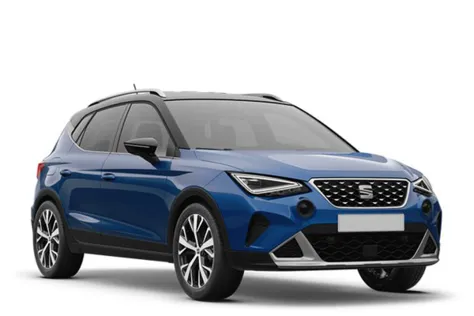
SEAT Arona · 2020
manual · 5 seats
22 € / day
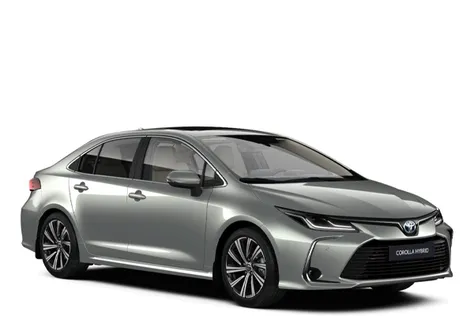
Toyota Corolla · 2020
automatic · 5 seats
27 € / day
.webp)
Nissan Micra · 2023
manual · 5 seats
33 € / day
.webp)
Mini Countryman · 2023
automatic · 5 seats
34 € / day
.webp)
BMW Series 1 · 2023
automatic · 5 seats
35 € / day
.webp)
SEAT Leon · 2023
manual · 5 seats
38 € / day
.webp)
MG ZS · 2023
manual · 5 seats
38 € / day
.webp)
Volkswagen Caddy · 2023
automatic · 7 seats
39 € / day
.webp)
Peugeot 308 SW · 2023
automatic · 5 seats
47 € / day