Country
Car Rental in Russia
Open any city directly or jump straight to search with your chosen destination.
Cities
All cities in Russia
 Airport
 Airport
 Airport
 Airport
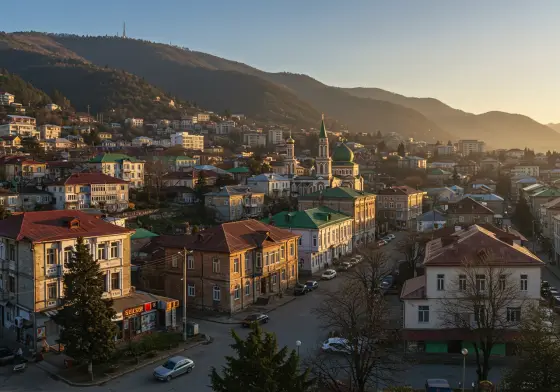
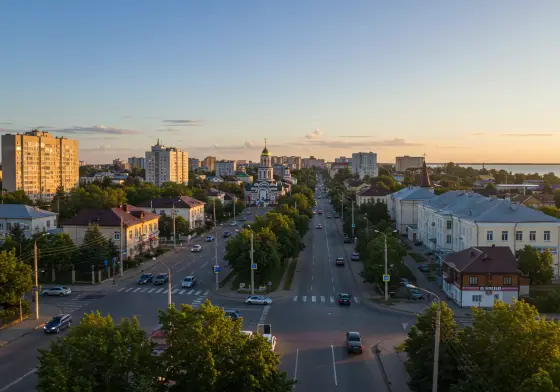
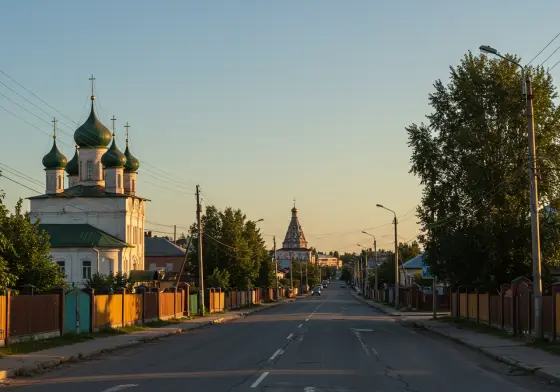
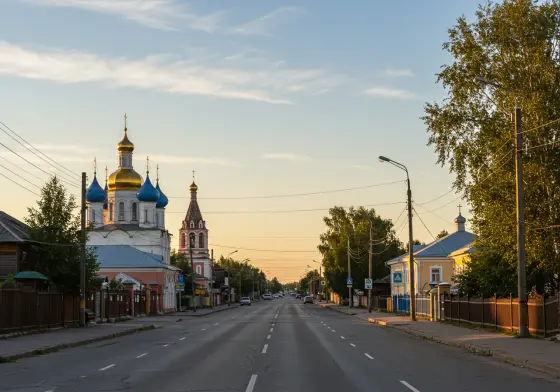

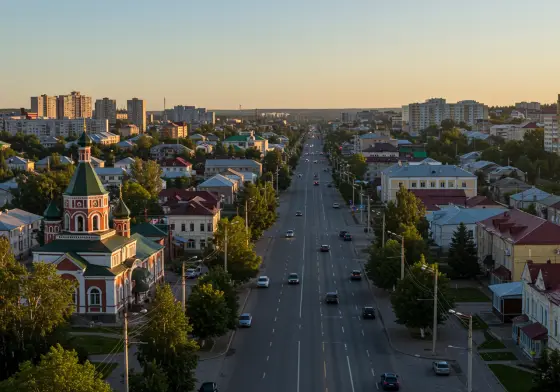
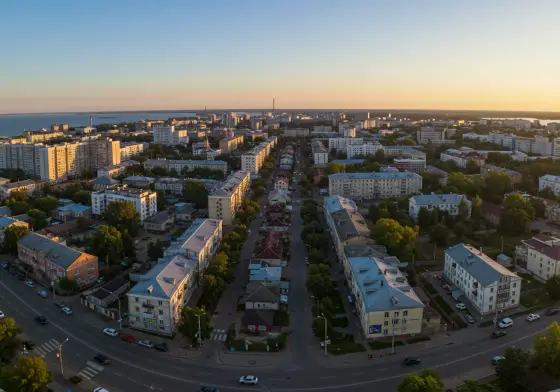
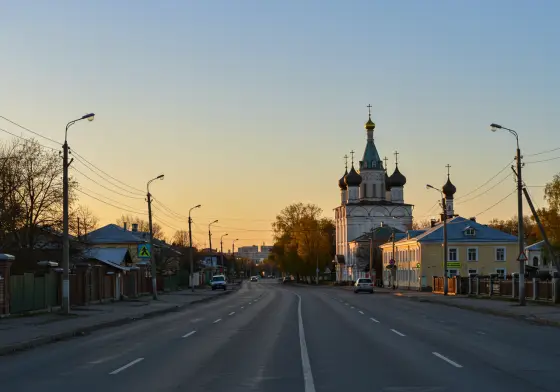
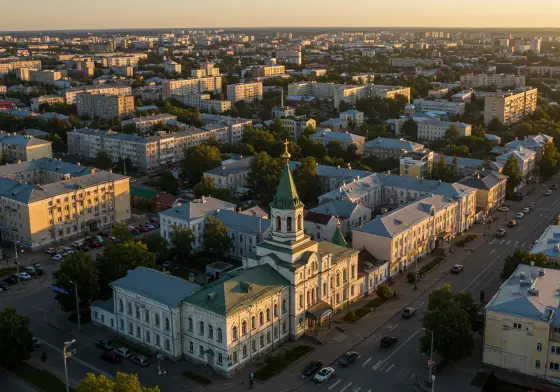
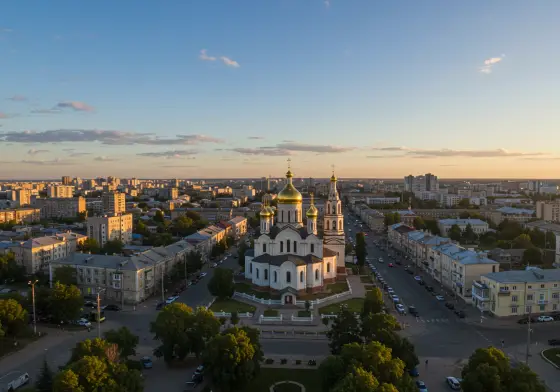
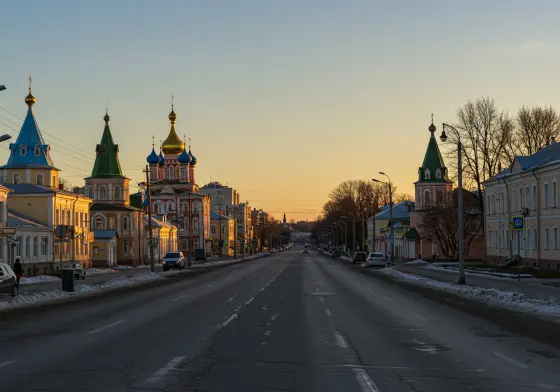
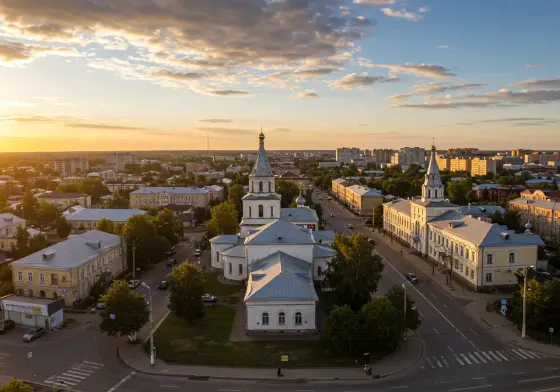
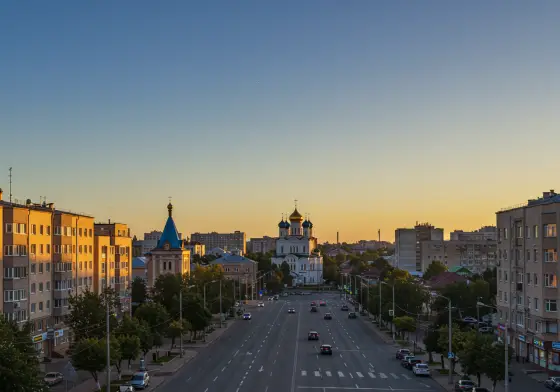
Car Rental in Russia
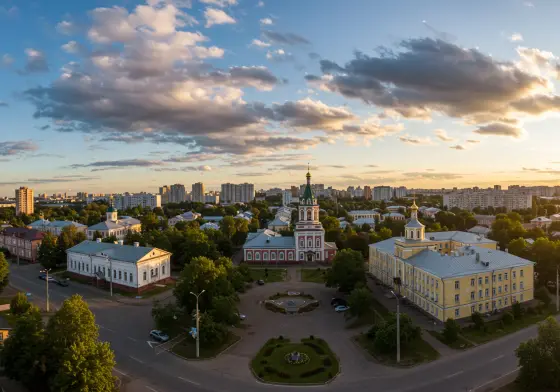
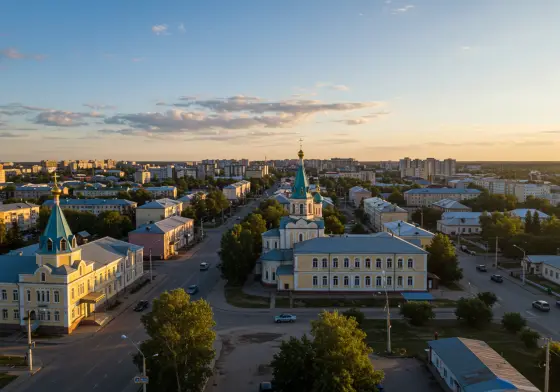
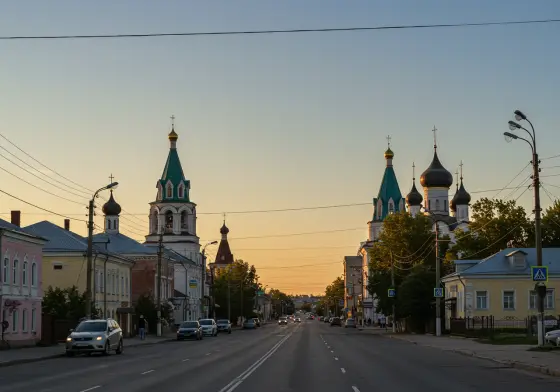
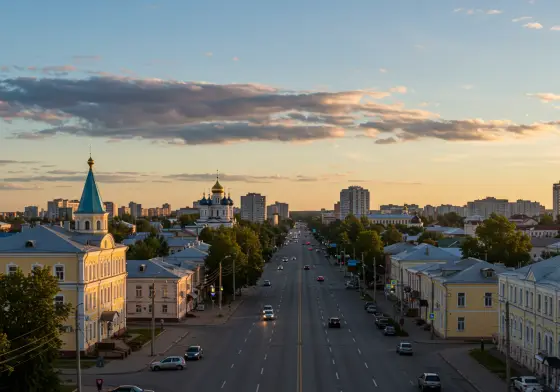
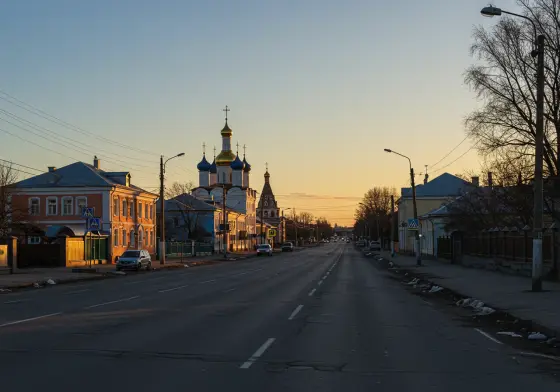
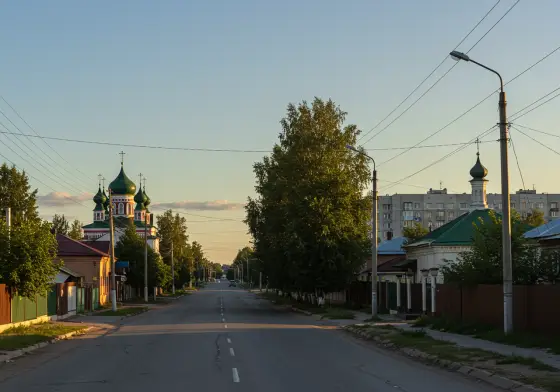
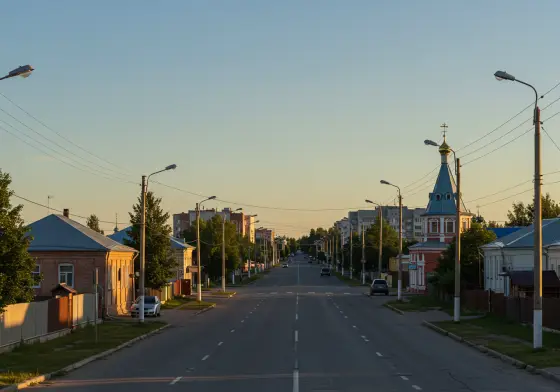
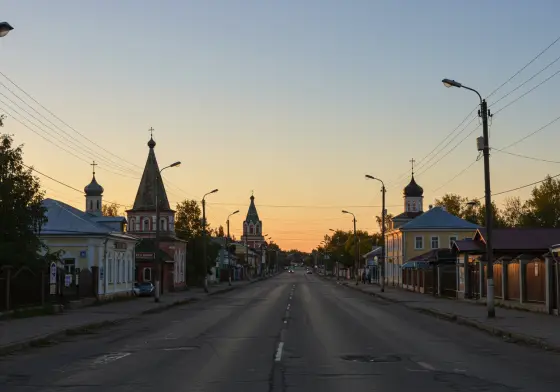
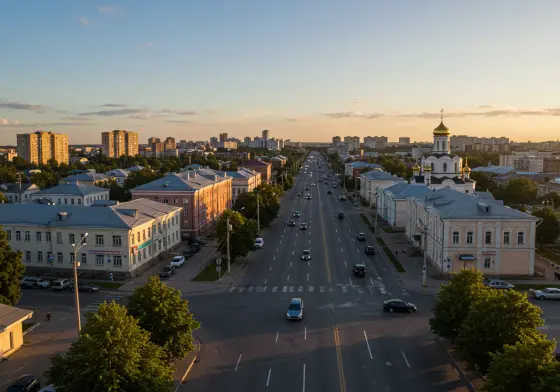
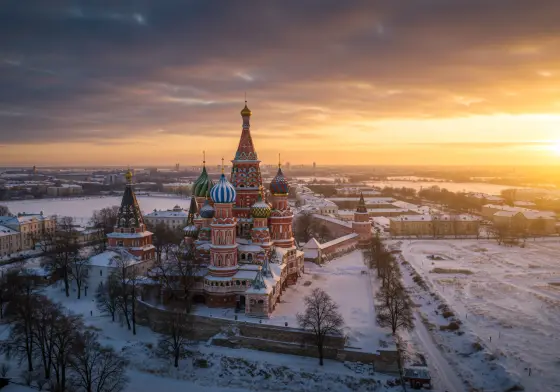
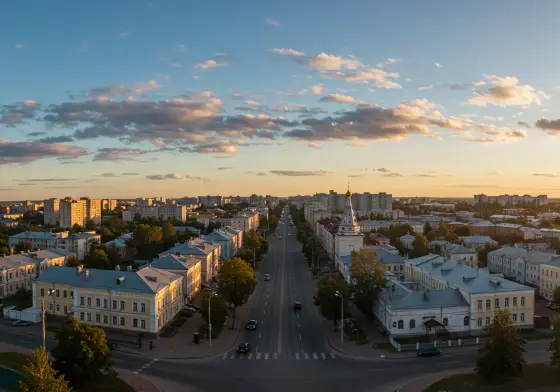
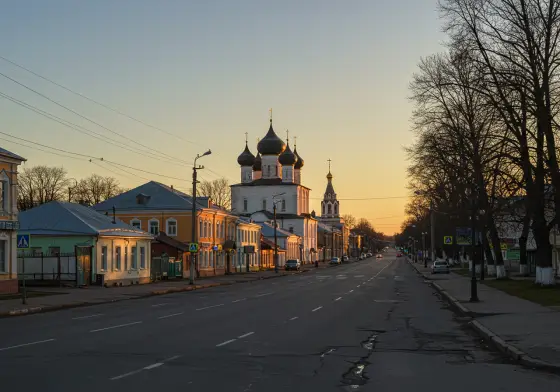
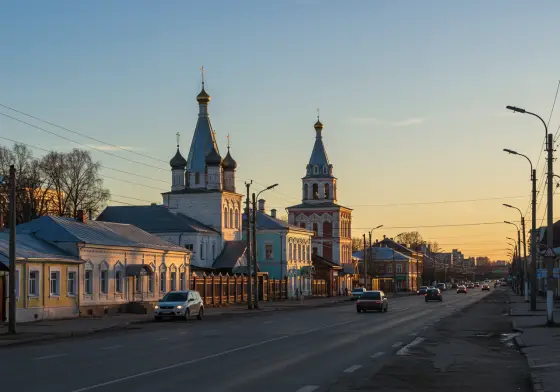
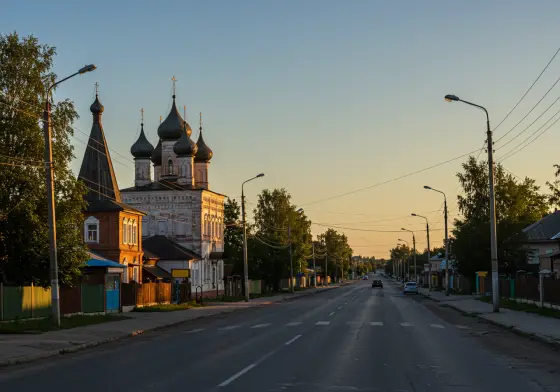
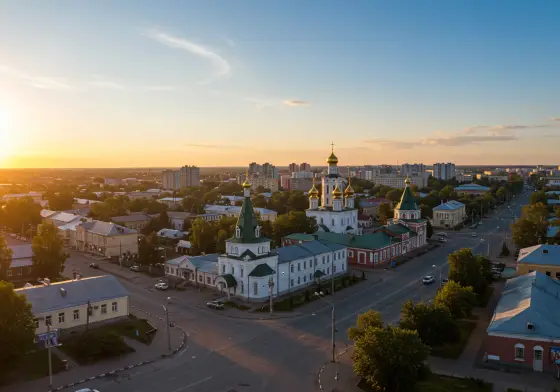
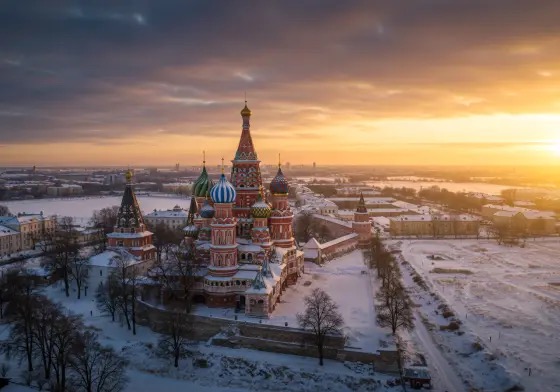
A car in Russia opens up journeys beyond the Trans-Siberian, letting you trace the Golden Ring's ancient churches at your own pace or venture into the stunning Altai Mountains. Navigate bustling Moscow streets en route to a Bolshoi Ballet performance, or cruise the scenic Black Sea coast, stopping at charming Sochi villages whenever the mood strikes.
Rental companies
The car rental market in Russia features a mix of international brands, though their presence can be limited to major cities, and numerous local agencies. Local companies often provide more competitive pricing and a wider range of vehicles, particularly in smaller towns. Aggregators like RentoRika can help travelers compare offers from both local and international providers to find the best deals.
What documents you need
To rent a car in Russia, foreign drivers typically need a valid national driving license, an International Driving Permit (IDP), and their passport with a valid visa. Some rental companies may also require drivers to be at least 21 years old and have held their license for a minimum of 2 years. Always confirm specific requirements with your chosen rental agency.
Payment and deposit
Most rental companies in Russia require a credit card for the security deposit, even if the rental fee is paid in cash or by debit card. Full prepayment is often requested for online bookings, while a deposit, ranging from approximately 10,000 to 50,000 RUB, is blocked on your credit card. Deposit-free options are rare and usually come with higher insurance costs or are offered by very few local agencies for specific car categories.
How much rental costs
Car rental prices in Russia vary significantly based on vehicle class, rental duration, and seasonality. Daily rates can start from approximately 2,000 RUB for an economy car during off-peak seasons, rising to 5,000 RUB or more for larger vehicles or during high demand periods like summer. Prices are generally highest in June, July, and August, and around major holidays.
Price by month, €
Traffic rules and fines
In Russia, driving is on the right-hand side. Speed limits are typically 60 km/h in urban areas, 90 km/h outside urban areas, and 110 km/h on motorways, unless otherwise signposted. Headlights must be on at all times, even during the day. Drunk driving is strictly prohibited with a zero-tolerance policy. Fines for traffic violations can be substantial.
Parking
Parking in major Russian cities like Moscow and St. Petersburg can be challenging and expensive. Paid street parking is common, often managed via mobile apps or payment terminals. In smaller towns, free parking might be more readily available, but always look for signs. Illegally parked cars are frequently towed, incurring significant fines and recovery fees.
Fuel stations
Fuel prices in Russia are generally lower than in many Western European countries. As of 2026, a liter of 95-octane petrol costs approximately 50-60 RUB. Diesel is similarly priced. Fuel stations are widely available, especially along major routes. It is advisable to fill up in larger towns when traveling through remote areas.
Which car to choose
For city driving and well-maintained intercity roads, a compact or economy car is usually sufficient. If you plan to explore rural areas, visit national parks, or drive in winter conditions, an SUV or a car with higher ground clearance and possibly four-wheel drive would be a more suitable choice. Consider tire type carefully if driving in winter.
Pros
- Freedom to explore diverse landscapes at your own pace.
- Access to remote and less-traveled destinations.
- Often more cost-effective for group travel or long distances than public transport.
- Flexibility in itinerary and spontaneous detours.
Cons
- Traffic congestion in major cities can be severe.
- Road quality can vary significantly, especially outside main routes.
- Navigation can be challenging without knowledge of Cyrillic script.
- Parking in large cities can be difficult and expensive.
- Strict traffic laws and potential for corruption (though less common now).
You may also like
Frequently asked questions
Can I drive in Russia with my home country driving license?
No, you will need an International Driving Permit (IDP) along with your valid national driving license to legally drive in Russia as a foreign tourist.
What is the minimum age to rent a car in Russia?
Most rental companies require drivers to be at least 21 years old. Some may have higher age requirements for certain car categories or for drivers under 25, often with an additional young driver surcharge.
Are credit cards essential for car rental in Russia?
Yes, a major credit card in the main driver's name is almost always required for the security deposit, even if the rental fee is paid by other means.
What are the typical speed limits in Russia?
Speed limits are generally 60 km/h in urban areas, 90 km/h outside urban areas, and 110 km/h on motorways, unless otherwise indicated by signs.
Is it safe to drive in Russia as a foreigner?
Driving in Russia can be safe, but requires vigilance due to varying road conditions, aggressive driving styles in some areas, and strict traffic enforcement. Always be aware of your surroundings and adhere to local laws.