Country
Car Rental in Seychelles
Open any city directly or jump straight to search with your chosen destination.
Cities
All cities in Seychelles
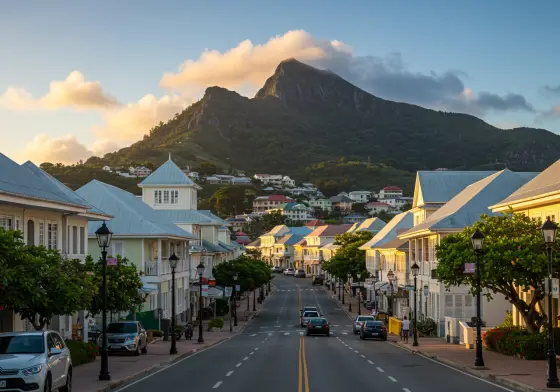
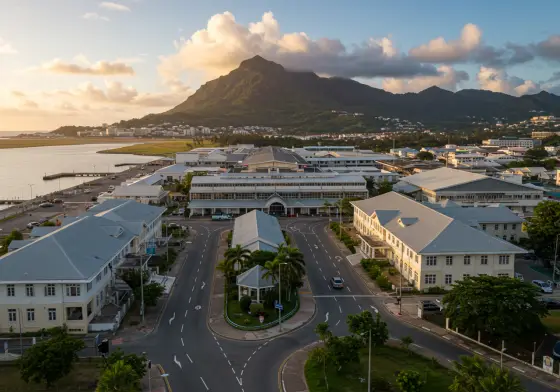
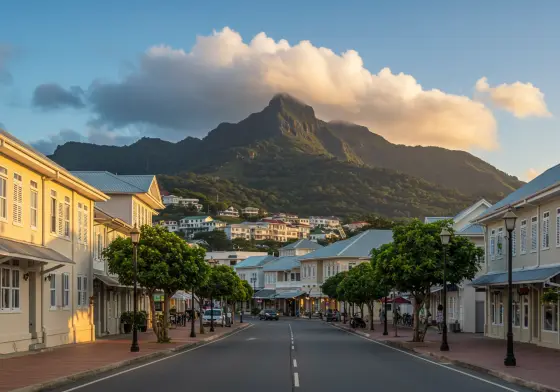
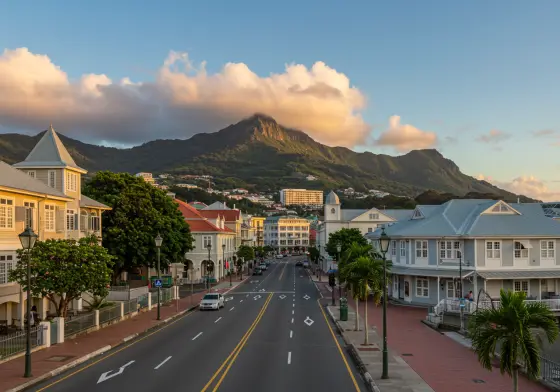
Car Rental in Seychelles
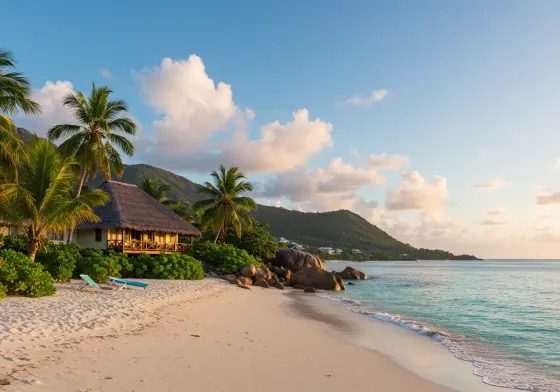
The scent of frangipani and warm ocean air hangs heavy as you round the bend, the turquoise waters of Beau Vallon Bay sparkling beyond your windshield. With your own set of wheels, the iconic granite boulders of Anse Source d'Argent are just a scenic coastal drive away, accessible on your own schedule.
Rental companies
The car rental market in Seychelles is predominantly served by local agencies, known for their personalized service and often more flexible terms. While a few international brands might have a presence, local providers offer a wider range of vehicles and competitive pricing. Aggregators like RentoRika can help you compare options from various local suppliers, ensuring you find a suitable car for your trip.
What documents you need
To rent a car in Seychelles, you'll generally need a valid national driving license from your home country, held for at least one year. An International Driving Permit (IDP) is recommended, though not always strictly required, especially if your national license is in English. The minimum age for car rental is typically 21 years old, and some agencies might require drivers to be 23 or 25 for certain vehicle categories.
Payment and deposit
Most car rental companies in Seychelles require a credit card for payment and a security deposit, which is usually blocked on the card. Some local agencies may accept cash for the rental fee, but a credit card is almost always necessary for the deposit. Prepayment is common, especially for online bookings, and deposit-free options are rare, so be prepared for a deposit ranging from approximately 300 to 1000 EUR, depending on the vehicle and rental company.
How much rental costs
Car rental prices in Seychelles vary significantly by season and vehicle type. Expect daily rates to range from around 35 EUR for a compact car during the low season to 80 EUR or more for SUVs or larger vehicles in peak times. The average daily price for a standard economy car is approximately 45-60 EUR. Prices tend to be higher during the dry season (May to October) and around major holidays.
Price by month, €
Traffic rules and fines
Driving in Seychelles is on the left-hand side of the road. Speed limits are generally 40-65 km/h in urban areas and 80 km/h on main open roads. Roads can be narrow, winding, and steep, especially on Mahé and Praslin. Always wear seatbelts, and avoid using mobile phones while driving. Drunk driving laws are strict, with zero tolerance for alcohol.
Parking
Parking in Seychelles, particularly in Victoria, can be challenging. In the capital, metered parking is available, and fines apply for violations. Outside of Victoria, parking is generally easier to find, often available at popular beaches, attractions, and hotels without charge. Always ensure your vehicle is not obstructing traffic or private property.
Fuel stations
Fuel stations are available on Mahé and Praslin, though they are less frequent outside of main towns. Most stations operate during standard daytime hours, and some may close earlier on weekends or public holidays. Fuel prices are regulated by the government and are generally consistent across the islands, typically around 1.30-1.50 EUR per liter for petrol.
Which car to choose
For navigating the hilly and winding roads of Mahé and Praslin, a compact or mid-size car is generally sufficient. An SUV or a car with higher ground clearance can be beneficial if you plan to explore more remote areas or unpaved tracks, though these are less common. Automatic transmission vehicles are widely available and recommended for easier driving on steep inclines.
Pros
- Freedom to explore at your own pace and discover hidden gems.
- Easy access to secluded beaches and viewpoints not reachable by public transport.
- Convenience for carrying beach gear, snorkeling equipment, and picnic supplies.
- More flexible itinerary without relying on bus schedules or taxi availability.
Cons
- Narrow, winding, and steep roads can be challenging for inexperienced drivers.
- Limited parking in busy areas like Victoria.
- Higher cost compared to public transport, especially for solo travelers.
- Driving on the left-hand side may be unfamiliar to some visitors.
You may also like
Frequently asked questions
Do I need an International Driving Permit in Seychelles?
While not always strictly mandatory, an International Driving Permit (IDP) is highly recommended, especially if your national license is not in English. It serves as an official translation of your license and can prevent potential issues with local authorities or rental agencies.
What side of the road do they drive on in Seychelles?
In Seychelles, traffic drives on the left-hand side of the road. This is important to remember, especially if you are accustomed to driving on the right.
Are the roads in Seychelles difficult to drive on?
Roads in Seychelles, particularly on Mahé and Praslin, can be narrow, winding, and steep, with sharp turns. While generally well-maintained, they require careful driving and attention, especially for those not used to such conditions.
Is parking difficult in Seychelles?
Parking can be challenging in the capital, Victoria, where metered parking is in effect. Outside of Victoria, especially at beaches and attractions, parking is generally easier to find and often free. Always park responsibly and avoid obstructing traffic.
Can I take my rental car between islands?
Generally, rental cars are restricted to the island where they were rented (e.g., Mahé or Praslin). It's not typically possible to take a rental car on inter-island ferries. If you plan to visit multiple islands, you will need to arrange separate car rentals on each island.
What is the minimum age to rent a car in Seychelles?
The minimum age to rent a car in Seychelles is typically 21 years old. Some rental companies may have higher age requirements (e.g., 23 or 25) for certain vehicle categories or may apply a young driver surcharge for those under 25.