Country
Car Rental in South Africa
Open any city directly or jump straight to search with your chosen destination.
Cities
All cities in South Africa
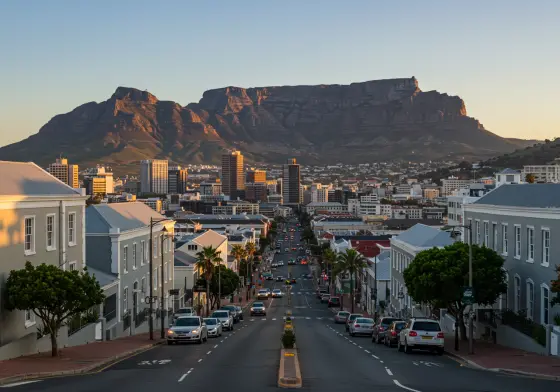
Car Rental in South Africa
Stepping off the plane at Cape Town International, your adventure truly begins with the open road. Picture yourself cruising the iconic Chapman's Peak Drive, panoramic ocean views unfolding with every curve, or embarking on a thrilling safari through Kruger National Park on your own schedule. A reliable rental car is your ticket to experiencing South Africa's diverse landscapes and vibrant culture at your own pace.
Rental companies
The car rental market in South Africa features a mix of well-known international chains like Avis, Hertz, and Europcar, alongside reputable local agencies such as Budget and Thrifty. These suppliers operate at major airports and in key cities. For a wider selection and often more competitive pricing, especially from local providers, booking platforms like RentoRika can be particularly useful, allowing you to compare offers and secure your vehicle in advance.
What documents you need
To rent a car in South Africa, you'll generally need a valid driver's license from your home country, held for at least one year. An International Driving Permit (IDP) is highly recommended, especially if your license is not in English, and is legally required by some rental companies and for certain insurance policies. You must also present your passport for identification and a major credit card in the primary driver's name for the security deposit. The minimum age for renting is typically 21, though some companies may require drivers to be 23 or 25, or charge a young driver surcharge for those under 25.
Payment and deposit
Most car rental companies in South Africa require a major credit card (Visa, MasterCard, American Express) in the primary driver's name for both the rental payment and the security deposit. Debit cards are generally not accepted for the deposit, though some local agencies might allow them for payment if a substantial deposit is paid in cash. Prepayment for the rental often secures a better rate, and the deposit amount, which can range from a few hundred to over a thousand euros, is blocked on your credit card and released upon the car's safe return. Deposit-free options are rare and typically involve higher insurance premiums or specific package deals.
How much rental costs
Car rental prices in South Africa vary significantly based on season, vehicle type, and booking lead time. Expect daily rates to range approximately from 20 EUR for a compact car during off-peak times to 80 EUR or more for SUVs or luxury vehicles in high season. The cheapest months are typically the winter months (June to August), while the peak season from December to February sees the highest demand and prices due to summer holidays. Booking several months in advance, especially for popular periods like December, can secure better rates.
Price by month, €
Traffic rules and fines
In South Africa, you drive on the left-hand side of the road, and all vehicles are right-hand drive. Seatbelts are mandatory for all occupants. Speed limits are generally 120 km/h on national roads, 100 km/h on regional roads, and 60 km/h in urban areas, unless otherwise signposted. Alcohol limits are strict (0.05g per 100ml blood alcohol content), and drunk driving penalties are severe. Be aware of taxis, particularly mini-bus taxis, which can drive erratically. Yield to pedestrians, and be cautious of animals, especially in rural areas.
Parking
Parking in major cities like Cape Town and Johannesburg is typically available in designated parking garages or street parking zones. Street parking often requires payment to attendants (known as 'car guards') who will help you find a spot and watch your vehicle; a small tip (e.g., 5-10 ZAR) is customary. Always ensure your vehicle is locked and valuables are out of sight. In smaller towns and rural areas, parking is generally easier to find and often free.
Fuel stations
Fuel stations are widely available across South Africa, except in very remote areas, so plan accordingly on long journeys. Petrol (gasoline) and diesel are the main fuel types, with Unleaded 95 octane being common. Fuel is dispensed by attendants, and tipping them a small amount (e.g., 5-10 ZAR) for their service (checking oil, water, tires) is customary. You can pay with cash or credit/debit card at most stations. The approximate price for a liter of petrol in 2026 is expected to be around 25-30 ZAR (approximately 1.20-1.50 EUR).
Which car to choose
For city driving and well-maintained national roads, a compact or economy car is perfectly adequate and fuel-efficient. If you plan to explore more rural areas, visit game reserves with gravel roads, or travel with a lot of luggage, a crossover or SUV with higher ground clearance is highly recommended. Four-wheel drive (4x4) is only necessary for serious off-road adventures, which are generally not part of typical tourist routes. Consider air conditioning as temperatures can get very high, especially during summer.
Pros
- Unmatched flexibility to explore diverse landscapes at your own pace.
- Access to remote natural attractions and hidden gems off the main tourist trails.
- Well-maintained national road network connecting major cities and attractions.
- Opportunity for spontaneous detours and itinerary changes.
- Cost-effective for groups or families compared to guided tours for extensive travel.
Cons
- High rates of crime in certain urban areas, requiring vigilance and caution.
- Long driving distances between major attractions, requiring careful trip planning.
- Varying road conditions, with some rural roads being poorly maintained or gravel.
- Traffic congestion in major cities during peak hours.
- Navigating unfamiliar driving on the left-hand side of the road.
You may also like
Frequently asked questions
Is it safe to drive in South Africa as a tourist?
Driving in South Africa is generally safe for tourists, especially on major routes and during daylight hours. However, it's crucial to be aware of your surroundings, keep car doors locked, and avoid driving in isolated areas or certain townships at night. Plan your routes, especially in cities, and secure valuables out of sight.
What side of the road do they drive on in South Africa?
In South Africa, vehicles drive on the left-hand side of the road, and the steering wheel is on the right-hand side of the car. This is important to remember for drivers unfamiliar with this convention.
Do I need an International Driving Permit (IDP) in South Africa?
While your valid national driver's license is often accepted if it's in English and has a photograph, an International Driving Permit (IDP) is highly recommended. It serves as an official translation and is legally required by some rental companies and insurance providers, providing peace of mind.
What are the typical speed limits in South Africa?
Speed limits are generally 120 km/h on national highways, 100 km/h on regional roads, and 60 km/h in urban and residential areas. Always pay attention to road signs, as limits can vary and speed cameras are common.
Can I cross borders to neighboring countries with a rental car?
Crossing borders into neighboring countries like Namibia, Botswana, Lesotho, or Eswatini (Swaziland) with a rental car is usually possible, but you must arrange this with your rental company in advance. They will provide necessary documentation, such as a Letter of Authorization and border crossing permits, which often incur an additional fee.
What should I do if I break down or have an accident?
In case of a breakdown or accident, first ensure your safety and that of your passengers. Contact your rental company's emergency roadside assistance number immediately. They will guide you through the next steps, which typically involve contacting the local police if an accident occurred, and arranging for vehicle recovery or replacement.