Country
Car Rental in Thailand
Open any city directly or jump straight to search with your chosen destination.
Cities
All cities in Thailand
 Airport
 Airport
 Airport
 Airport
 Airport
 Airport
 Airport
 Airport

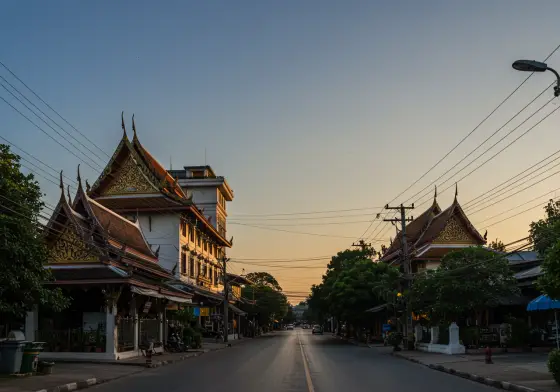
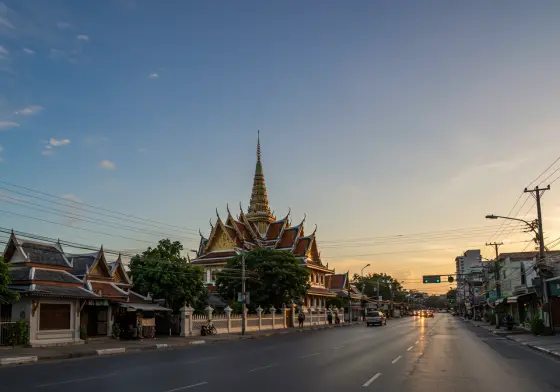
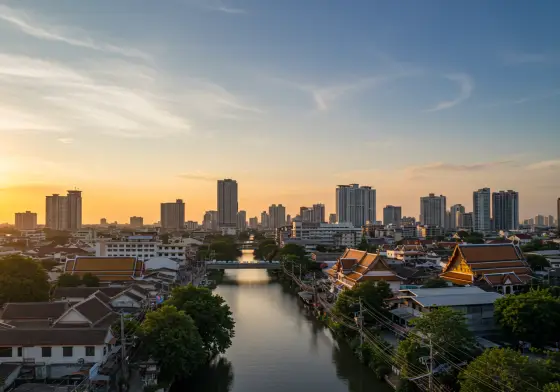
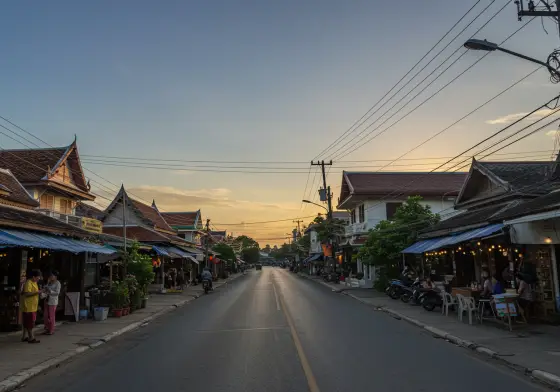
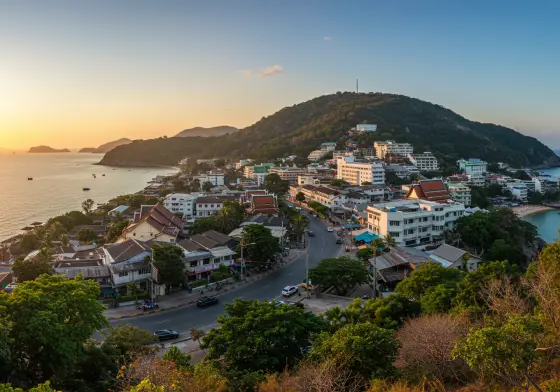
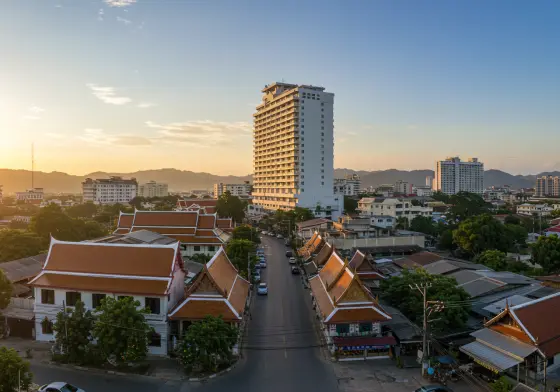
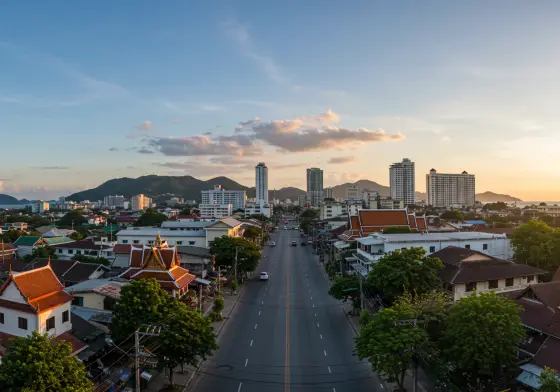
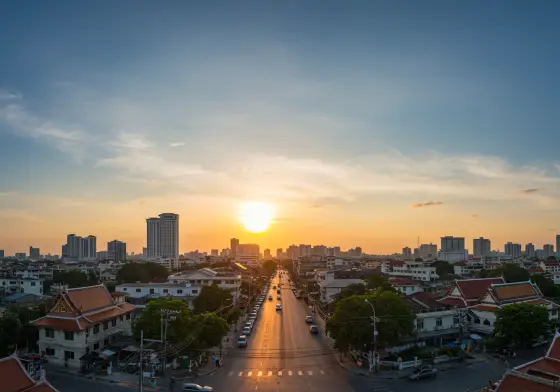
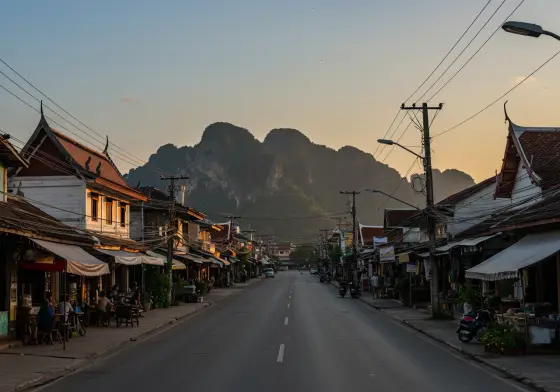
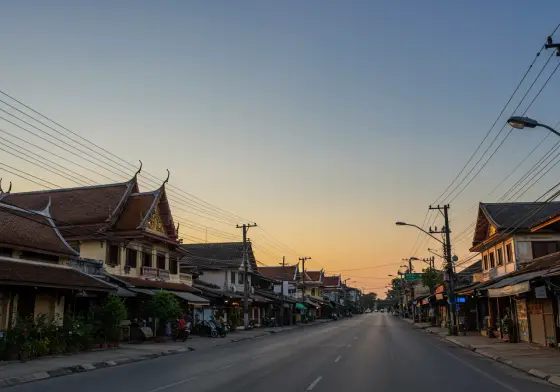
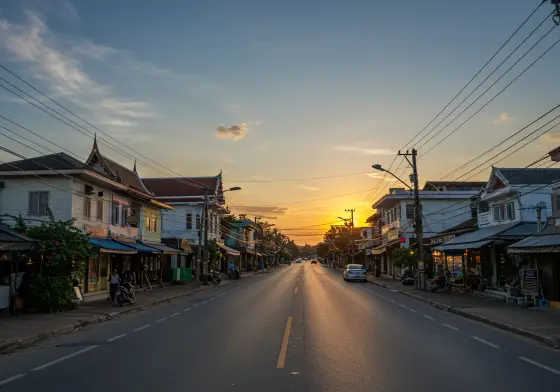
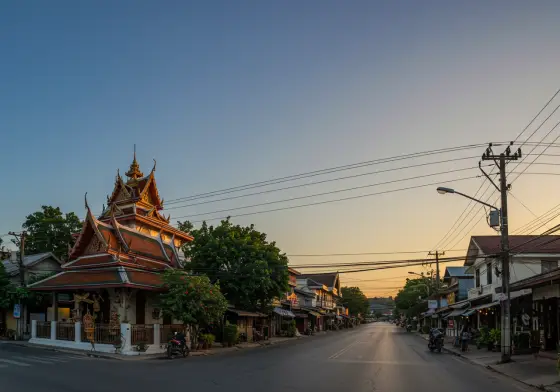
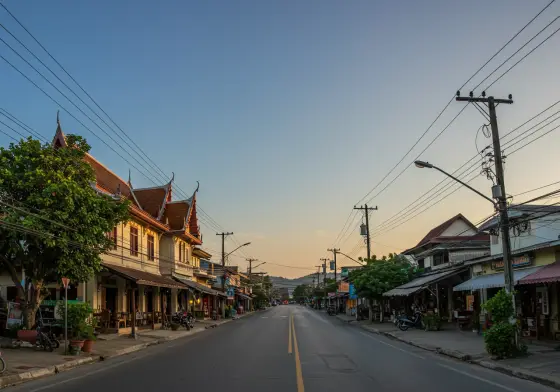
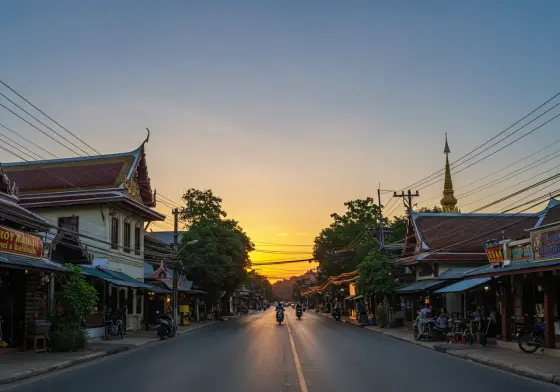
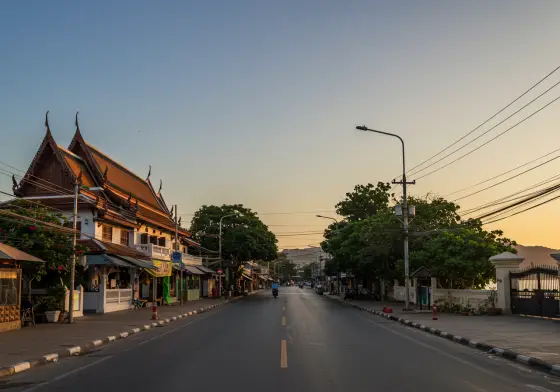
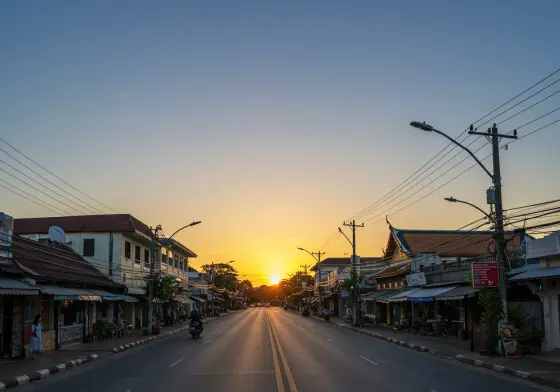
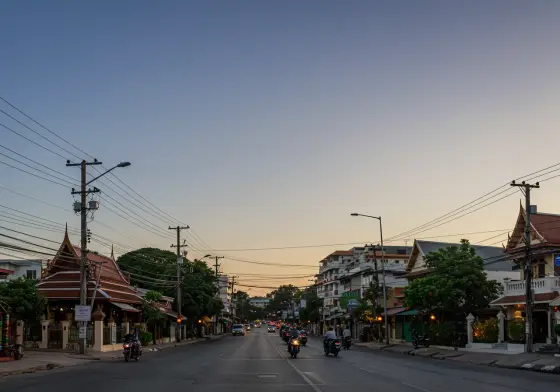
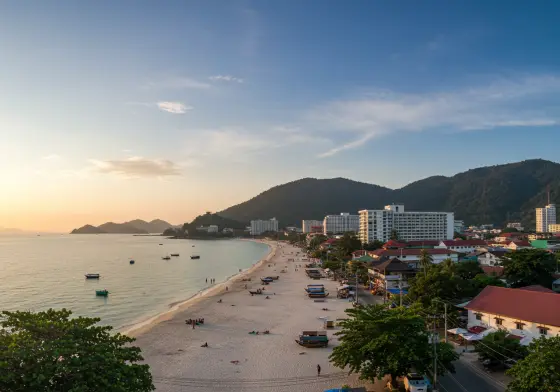
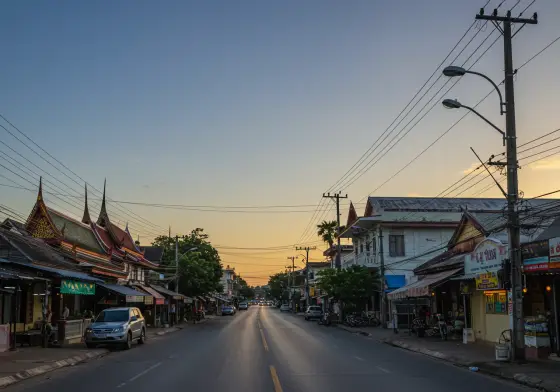
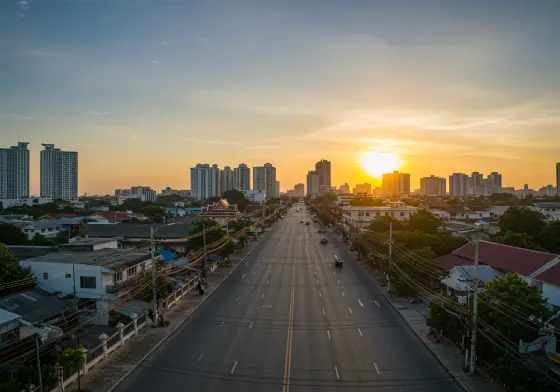
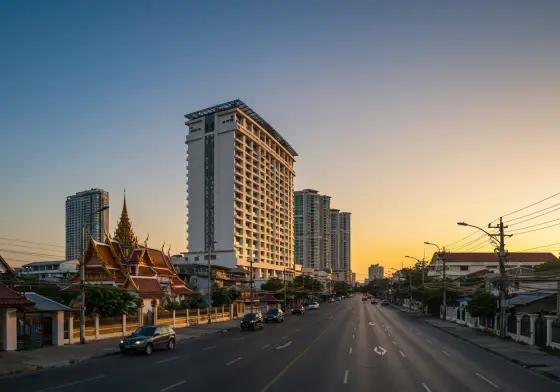
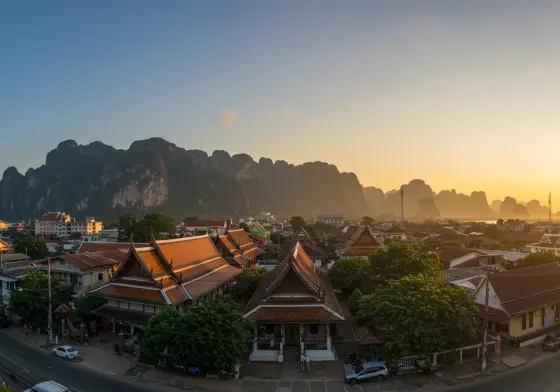
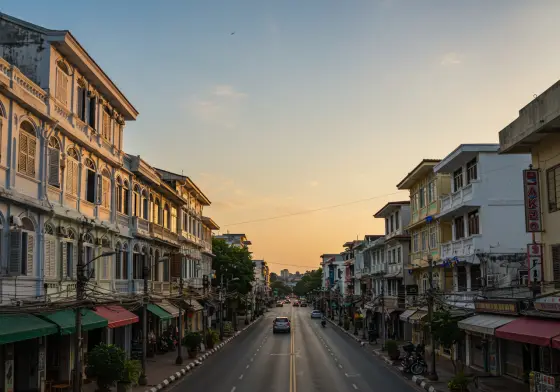
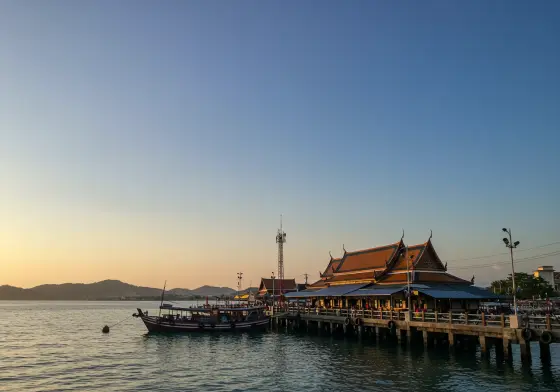

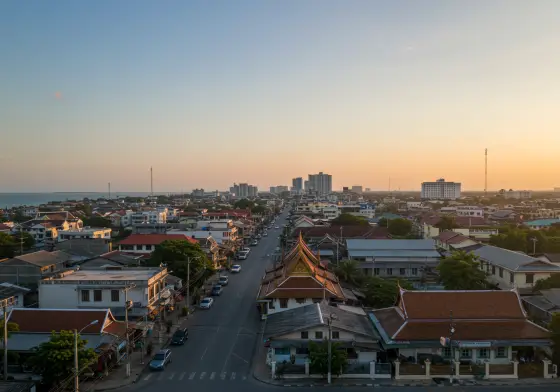
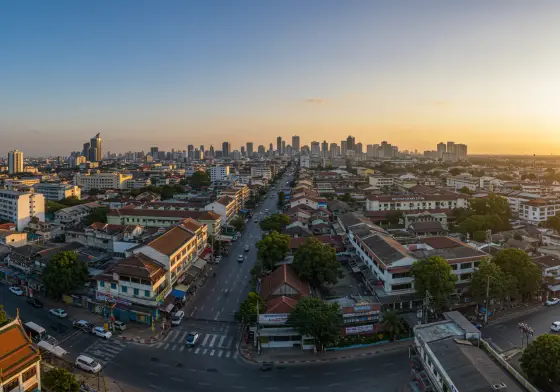
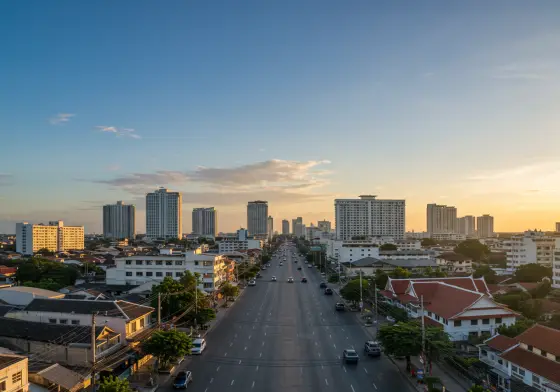
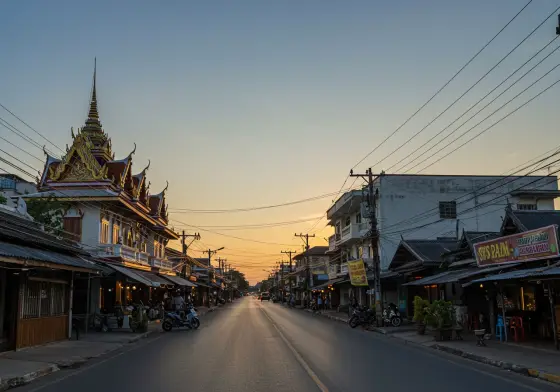
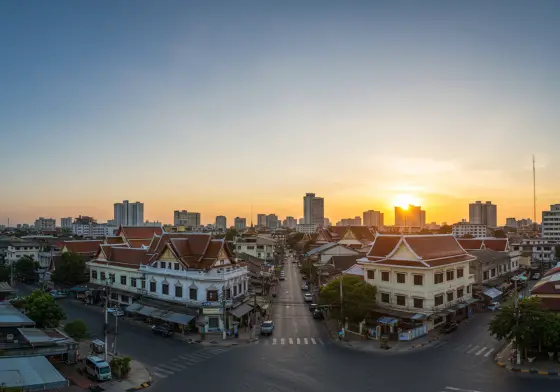
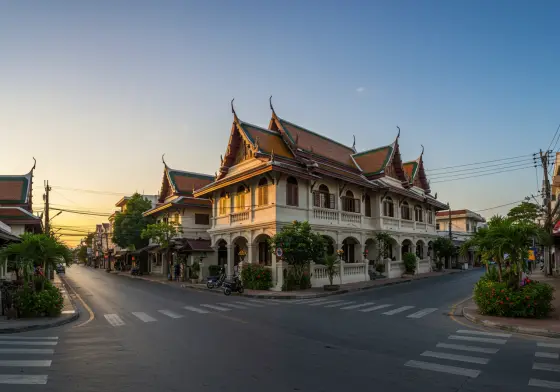
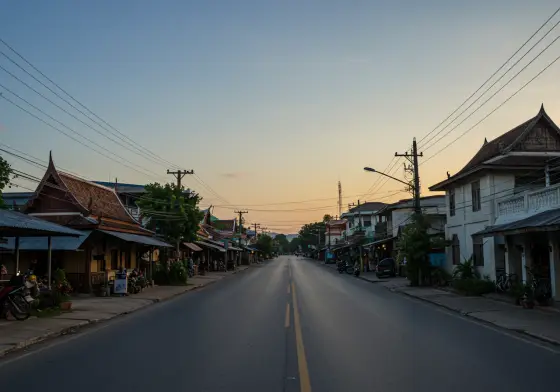
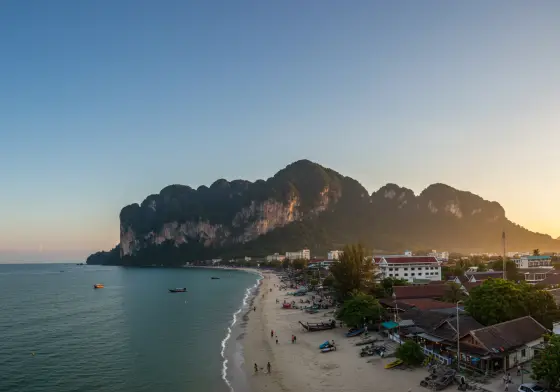
Car Rental in Thailand
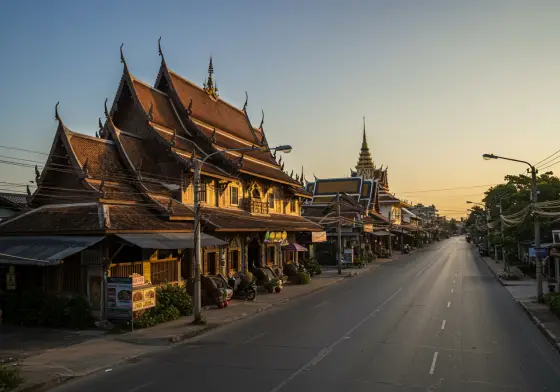
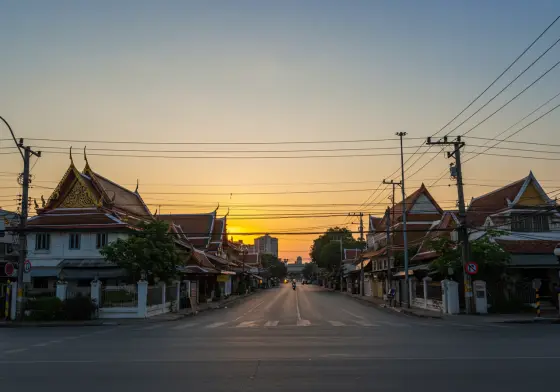
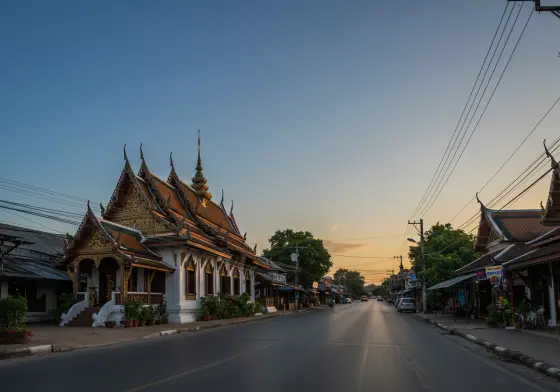
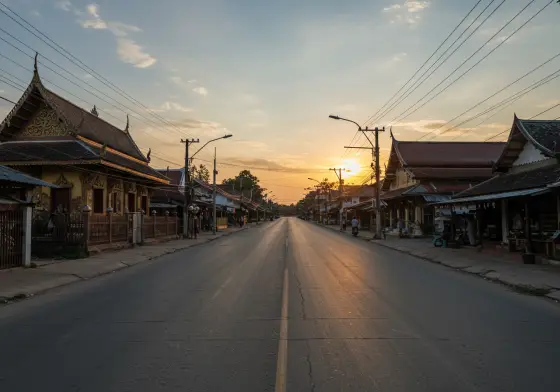
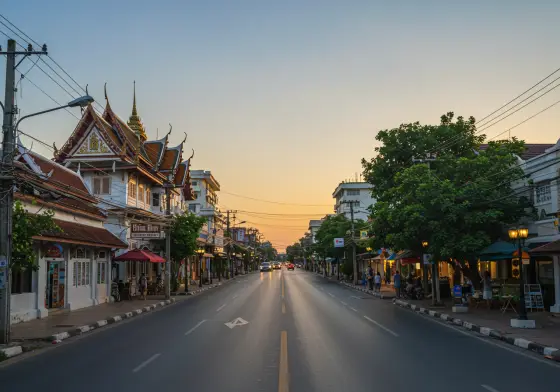
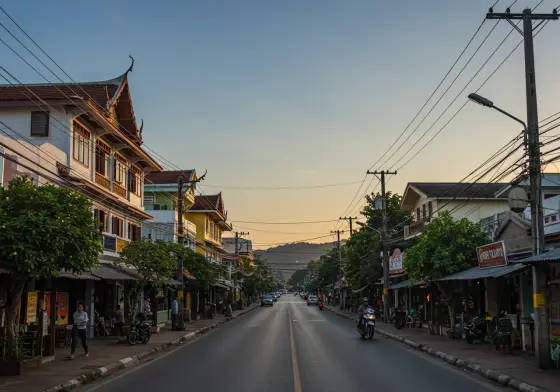
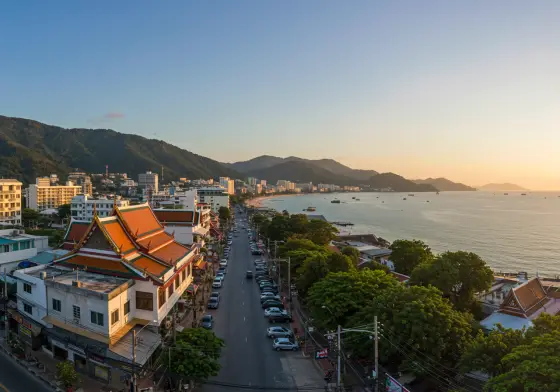
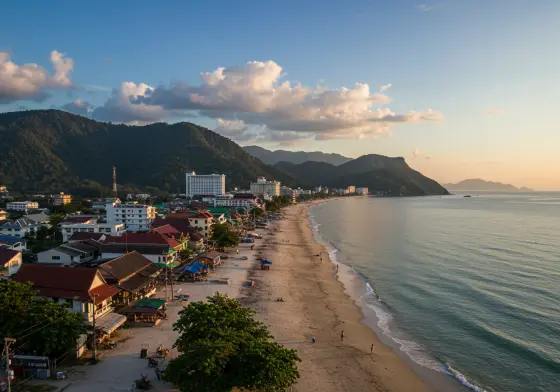
Landing at Suvarnabhumi Airport and dreaming of a serene drive north to Chiang Rai's White Temple? Or perhaps you're envisioning a scenic coastal journey along the Andaman Sea from Phuket, stopping at hidden beaches along the way? With your own set of wheels, Thailand's diverse landscapes and vibrant culture are yours to command.

Rental companies
The car rental market in Thailand is robust, featuring a mix of major international chains like Hertz, Avis, and Budget, alongside numerous reputable local agencies. International brands typically offer newer fleets and more standardized service, while local providers can often provide more competitive pricing and flexible terms. Aggregators like RentoRika allow you to compare offers from both types of suppliers, helping you find the best deal for your trip.
What documents you need
To rent a car in Thailand, you will generally need a valid passport, a national driving license from your home country, and an International Driving Permit (IDP). The IDP must be presented along with your national license. Drivers are typically required to be at least 21 years old, though some companies may have a higher minimum age (e.g., 23 or 25) or require an additional young driver surcharge for those under 25. A credit card in the main driver's name is also essential for the security deposit.
Payment and deposit
Most rental companies in Thailand require a credit card for the security deposit, which is standard practice. While some local agencies might accept cash for the rental fee, a credit card is almost always mandatory for the deposit. Prepayment for the rental period is common, often done online during the booking process. Deposit amounts vary widely but can range from 5,000 THB to 20,000 THB or more, depending on the car category and rental company. Deposit-free options are extremely rare and generally not available from reputable suppliers.
How much rental costs
Car rental prices in Thailand fluctuate based on seasonality, car type, and booking lead time. Daily rates can start from approximately 600 THB for a compact car during the low season, averaging around 900-1,200 THB for a mid-range vehicle. Peak tourist seasons, especially December to February and during major holidays, see prices increase by 20-40%. Booking well in advance, particularly for popular periods, is recommended to secure better rates and availability.
Price by month, €
Traffic rules and fines
Driving in Thailand is on the left-hand side of the road. Speed limits are typically 60 km/h in urban areas, 90-100 km/h on rural roads, and 120 km/h on motorways. Always wear a seatbelt, and helmets are mandatory for motorcyclists. Traffic can be chaotic, especially in major cities like Bangkok, with frequent lane changes and a mix of vehicles. Be prepared for aggressive driving styles and the presence of motorcycles weaving through traffic. The legal blood alcohol limit is 0.05%.
Parking
Parking in major cities can be challenging. In Bangkok, shopping malls and large hotels often have underground or multi-story parking with hourly fees, typically around 20-50 THB per hour. On-street parking is often limited and marked by white and red curbs (no parking) or white and yellow curbs (short-term parking). In smaller towns and tourist areas, parking is generally easier to find, sometimes with small fees or free of charge near attractions. Always look for designated parking areas.
Fuel stations
Fuel stations are widely available across Thailand, especially in populated areas and along major highways. Common fuel types are Gasohol 91, Gasohol 95 (E10), and Diesel. Prices are regulated and relatively consistent nationwide, though they can fluctuate. As of 2026, expect approximate prices of 35-40 THB per liter for Gasohol 95 and 30-35 THB per liter for Diesel. Most stations are self-service, but attendants are often available to help.
Which car to choose
For city driving and exploring popular tourist routes, a compact or economy car (e.g., Honda Jazz, Toyota Yaris) is usually sufficient and easier to navigate through traffic and park. If you plan to venture into more rural or mountainous regions, especially during the rainy season, an SUV (e.g., Honda CR-V, Toyota Fortuner) with higher ground clearance is highly recommended for comfort and safety on less-maintained roads. For larger groups, a minivan offers ample space.
Pros
- Flexibility to explore at your own pace and discover off-the-beaten-path locations.
- Convenience for carrying luggage and traveling with family or groups.
- Access to areas not easily reached by public transportation.
- Opportunity to experience diverse landscapes from mountains to beaches in one trip.
Cons
- Traffic in major cities can be intense and challenging for unfamiliar drivers.
- Navigation can be difficult due to less consistent signage and local driving habits.
- Parking can be scarce and expensive in popular urban centers.
- Risk of accidents due to aggressive driving and a mix of road users (motorcycles, tuk-tuks).
You may also like
Frequently asked questions
Do I need an International Driving Permit (IDP) to rent a car in Thailand?
Yes, an International Driving Permit (IDP) is legally required alongside your national driving license to rent and drive a car in Thailand. Carry both documents with you at all times.
What is the minimum age to rent a car in Thailand?
The minimum age to rent a car in Thailand is generally 21 years old, though some rental companies may require drivers to be 23 or 25, or impose a young driver surcharge for those under 25.
Is it safe to drive in Thailand?
Driving in Thailand requires caution and adaptability. While major roads are generally well-maintained, traffic can be heavy and chaotic, especially in cities. Defensive driving is highly recommended, and always be aware of motorcycles and varying road conditions.
What side of the road do they drive on in Thailand?
In Thailand, vehicles drive on the left-hand side of the road, and the steering wheel is on the right-hand side of the car.
Are there tolls on Thai roads?
Yes, there are expressways and motorways in Thailand that operate on a toll system, particularly around Bangkok and on routes to popular destinations. Toll fees are typically collected at booths and are relatively inexpensive, usually ranging from 30 THB to 100 THB per section.
Can I pick up a rental car in one city and drop it off in another?
Yes, one-way rentals are generally possible in Thailand, allowing you to pick up a car in one city (e.g., Bangkok) and drop it off in another (e.g., Chiang Mai or Phuket). Be aware that one-way fees usually apply, which can vary significantly depending on the distance and rental company.