Country
Car Rental in Tunisia
Open any city directly or jump straight to search with your chosen destination.
Cities
All cities in Tunisia
 Airport
 Airport
Car Rental in Tunisia
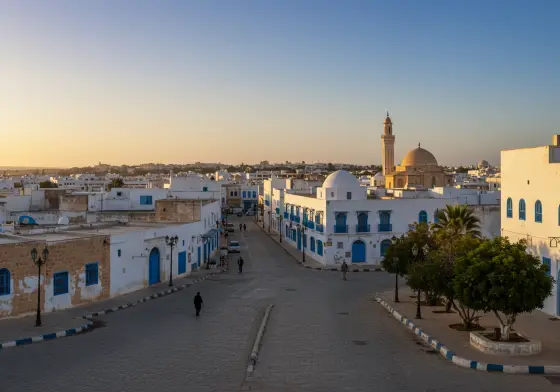
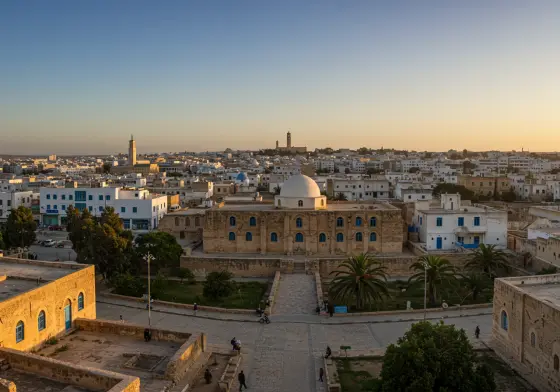
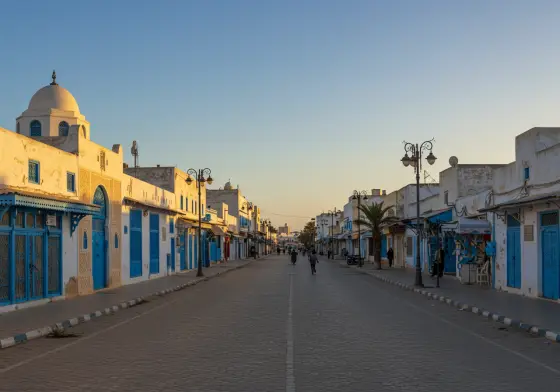
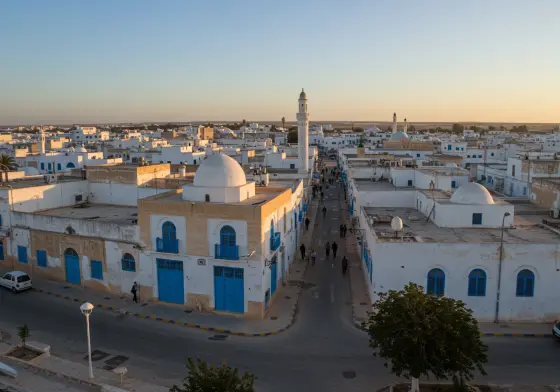
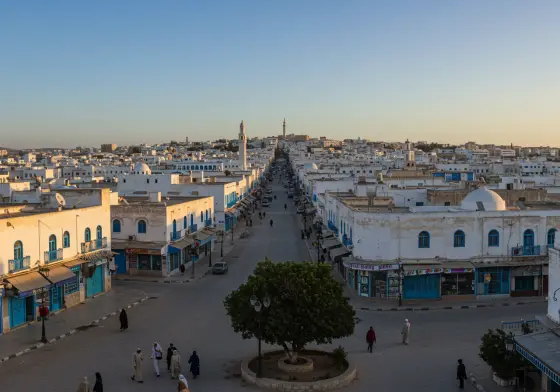
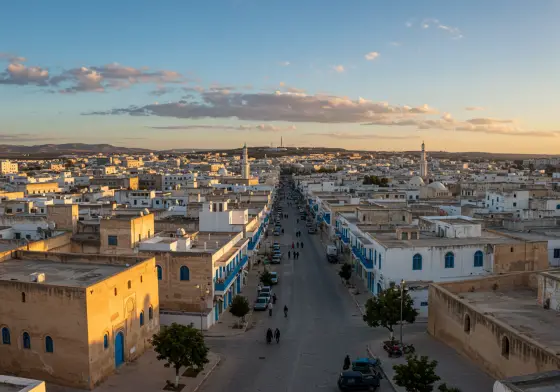
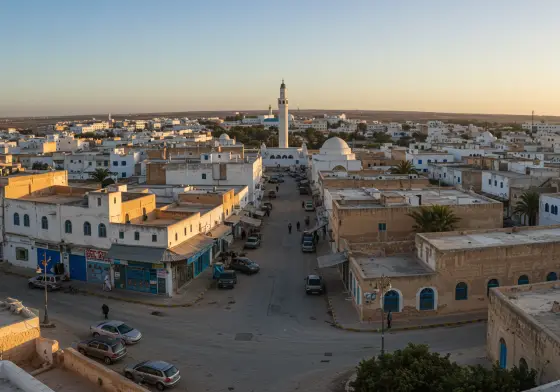
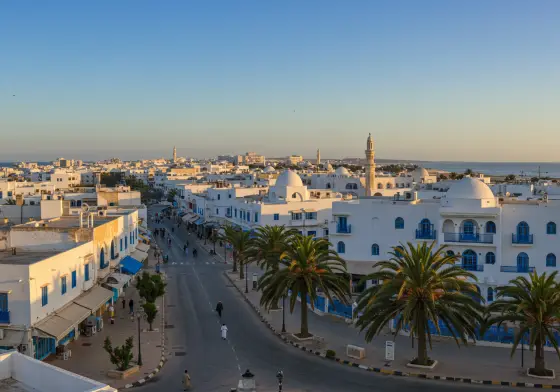
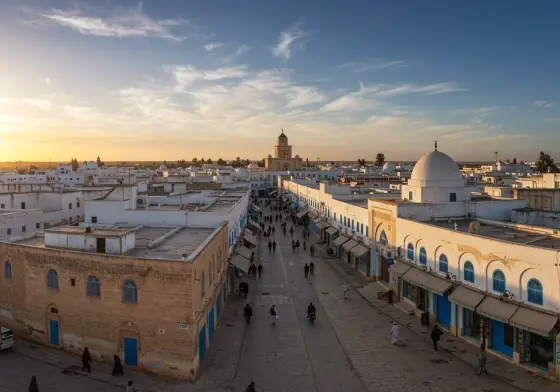
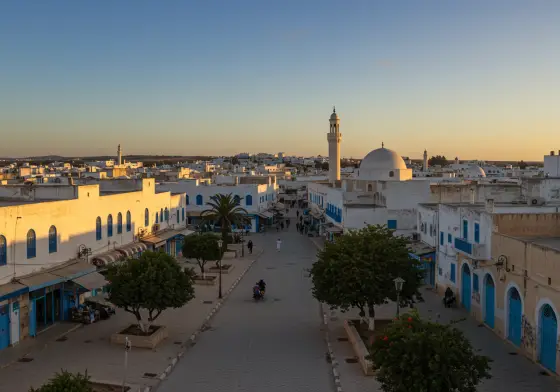
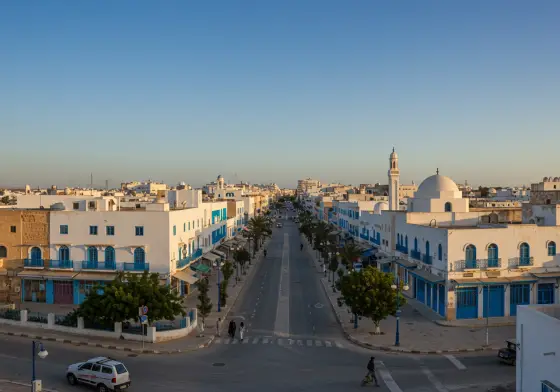
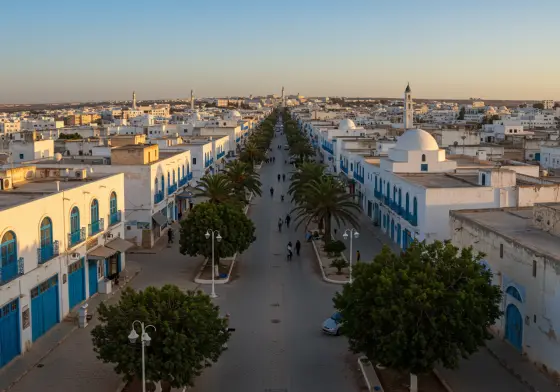
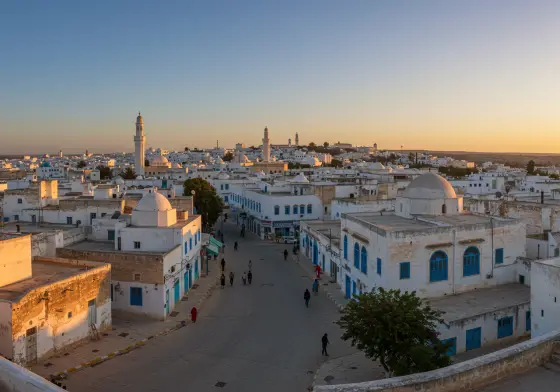
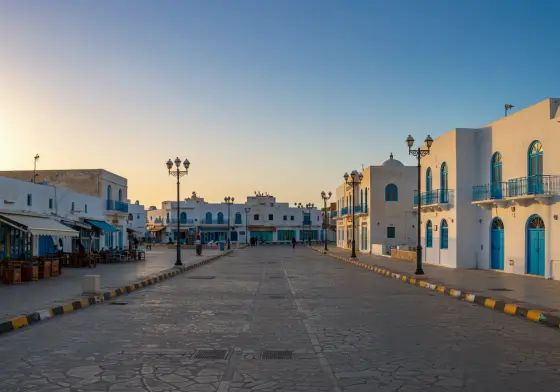
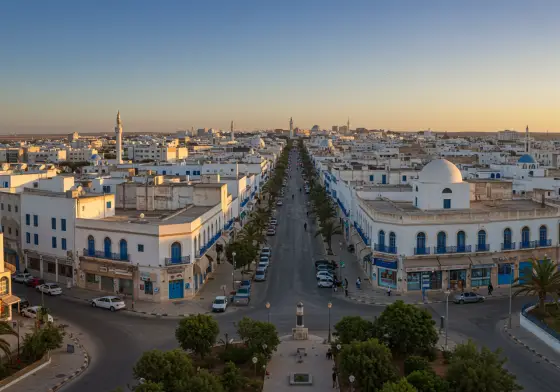
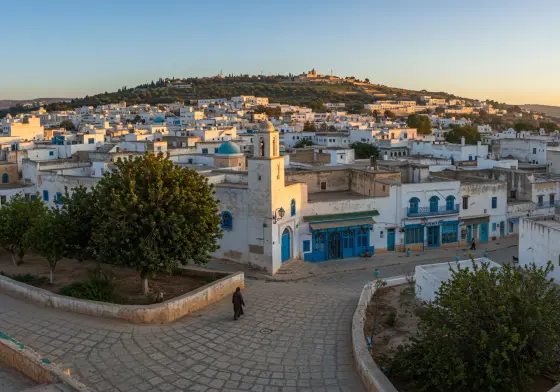
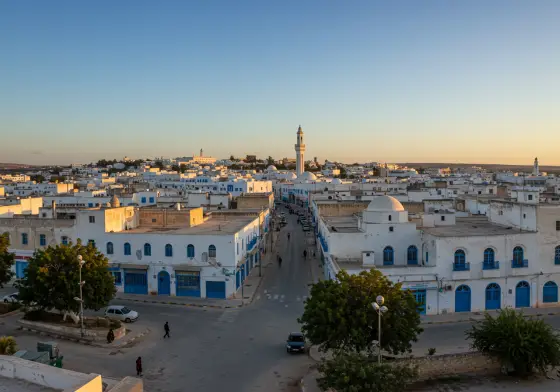
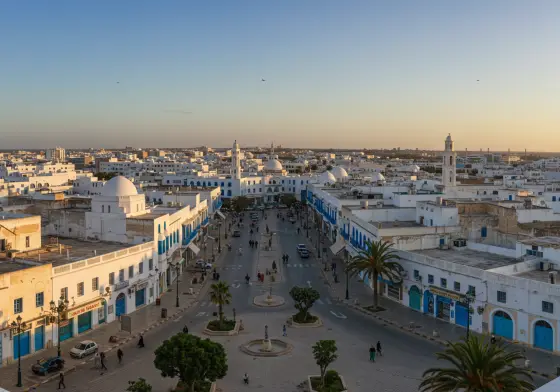
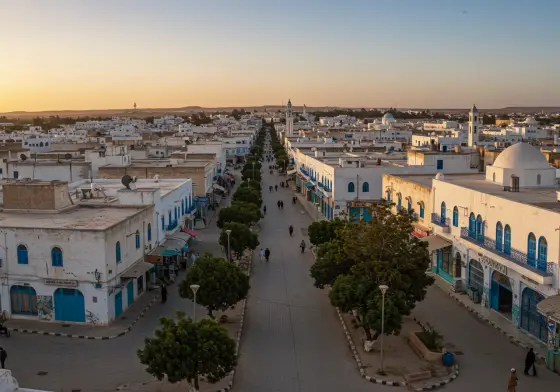
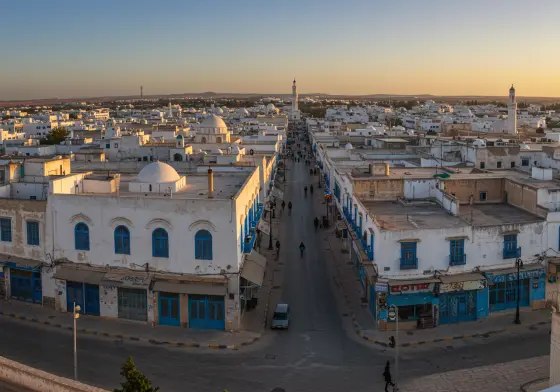
From the ancient ruins of Carthage, navigating the sun-drenched coastal roads of Tunisia is an adventure waiting to happen. Embrace the ease of your own vehicle, seamlessly connecting the vibrant souks of Tunis to the serene shores of Djerba. Unlock the heart of this North African gem at your own pace, creating a personalized itinerary that delves deep into its rich history and stunning landscapes.
Rental companies
The car rental market in Tunisia is a mix of international brands and numerous local agencies. You'll find global players like Europcar and Hertz, offering standardized services, alongside a wide array of local companies which can sometimes provide more competitive prices or specialized vehicles. Aggregators like RentoRika allow you to compare offers from both types of suppliers, helping you find the best deal that suits your travel plans and budget.
What documents you need
To rent a car in Tunisia, you generally need a valid driver's license from your home country, a passport, and a credit card in the driver's name. An International Driving Permit (IDP) is highly recommended, and sometimes required, especially if your national license is not in English or Arabic. Most rental companies require drivers to be at least 21 years old, with some requiring a minimum of one or two years of driving experience. For drivers under 25, a young driver surcharge often applies.
Payment and deposit
Most car rental agencies in Tunisia require a credit card for payment and to hold a security deposit. This deposit can range from a few hundred to over a thousand euros, depending on the vehicle class and supplier. Prepayment online is often possible and can sometimes secure a better rate. While cash payments for the rental itself might be accepted by some local agencies, a credit card is almost always mandatory for the security deposit. Options for rentals without a significant deposit are rare but might be offered by specific local providers for older vehicles.
How much rental costs
Car rental prices in Tunisia fluctuate significantly throughout the year. During the off-peak season, particularly from November to March (excluding holidays), you can find compact cars for as low as ≈20-30 EUR per day. The peak season, especially July and August, sees prices rise sharply, with similar cars costing ≈50-80 EUR or more per day. Spring and autumn offer a good balance of pleasant weather and moderate prices, typically around ≈35-55 EUR daily. These are approximate figures and can vary based on demand, booking in advance, and vehicle type.
Price by month, €
Traffic rules and fines
Driving in Tunisia is on the right side of the road. Speed limits are typically 50 km/h in urban areas, 90 km/h on rural roads, and 110 km/h on highways, though these can vary and are often poorly signposted. Seatbelts are mandatory for all occupants. The use of a mobile phone while driving is prohibited unless using a hands-free system. Be aware of pedestrians, cyclists, and animals on the road, especially in rural areas. Road conditions can vary significantly, from well-maintained highways to unpaved or poorly maintained rural tracks.
Parking
Parking in major cities like Tunis, Sousse, and Sfax can be challenging. Paid parking zones are common, often managed by attendants who will collect a small fee. In smaller towns and tourist areas, free parking might be available, but always confirm local regulations. Hotels and guesthouses often provide their own parking facilities. For popular attractions, designated parking areas are usually available, sometimes for a small charge.
Fuel stations
Fuel stations are widely available throughout Tunisia, though they can be scarcer in very remote areas, so it's wise to fill up before long journeys. Both petrol (essence) and diesel (gasoil) are available. Fuel prices are regulated by the government and are generally lower than in many European countries. As of 2026, expect petrol to be approximately 0.70-0.80 EUR per liter and diesel slightly less. Payment is usually in cash, though some larger stations might accept cards.
Which car to choose
For city driving and coastal tours, a compact or economy car is perfectly adequate and easier to navigate narrow streets and find parking. If you plan to venture into the Atlas Mountains or explore the desert regions, especially around Douz or Tataouine, a 4x4 or SUV is highly recommended for better ground clearance and traction on unpaved roads. Consider air conditioning a must, especially during the hot summer months.
Pros
- Freedom to explore diverse landscapes at your own pace
- Access to remote historical sites and natural wonders
- Generally affordable fuel prices compared to Europe
- Opportunity to discover local culture beyond tourist hubs
- Well-maintained highways connecting major cities
Cons
- Traffic can be chaotic, especially in urban areas
- Road conditions vary significantly, from good to very poor
- Aggressive driving habits are common
- Navigation can be challenging due to inconsistent signage
- Risk of encountering pedestrians, cyclists, and animals on rural roads
You may also like
Frequently asked questions
Is it safe to drive in Tunisia as a tourist?
Generally, driving in Tunisia is safe for tourists, especially on main roads and highways. However, exercise caution in urban traffic, be aware of local driving styles, and avoid driving at night on unlit rural roads.
What side of the road do they drive on in Tunisia?
In Tunisia, vehicles drive on the right side of the road, similar to most of continental Europe.
Do I need an International Driving Permit (IDP) for Tunisia?
While your national driver's license might be accepted, an International Driving Permit (IDP) is highly recommended, especially if your license is not in English or Arabic, and is often required by rental agencies or local authorities in case of an incident.
Are there tolls on Tunisian roads?
Yes, there are tolls on some of the major highways in Tunisia, particularly the A1 (Tunis-Sfax-Gabès) and A4 (Tunis-Bizerte). The tolls are usually paid in cash at toll booths.
What is the minimum age to rent a car in Tunisia?
Most car rental companies in Tunisia require drivers to be at least 21 years old. Some may also require a minimum of one or two years of driving experience, and a young driver surcharge often applies for those under 25.
Can I cross the border into Algeria or Libya with a rental car from Tunisia?
Border crossings into Algeria or Libya with a Tunisian rental car are generally not permitted by rental companies due to insurance and logistical restrictions. Always confirm with your specific rental agency if you have such plans, though it is highly unlikely to be allowed.