Country
Car Rental in Vietnam
Open any city directly or jump straight to search with your chosen destination.
Cities
All cities in Vietnam
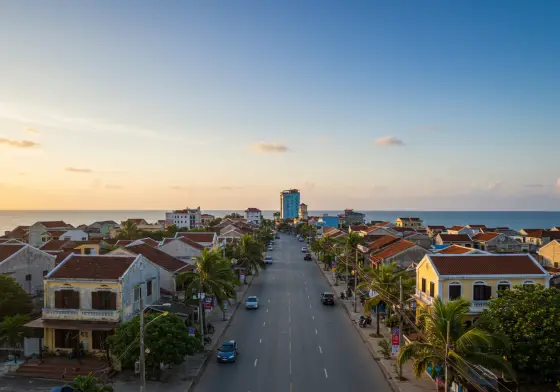
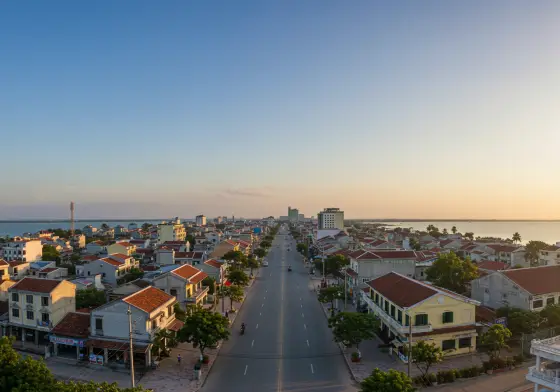
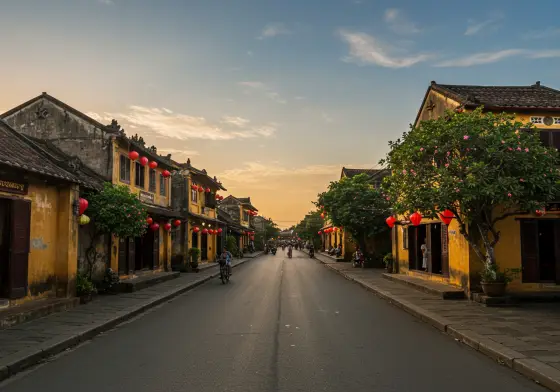

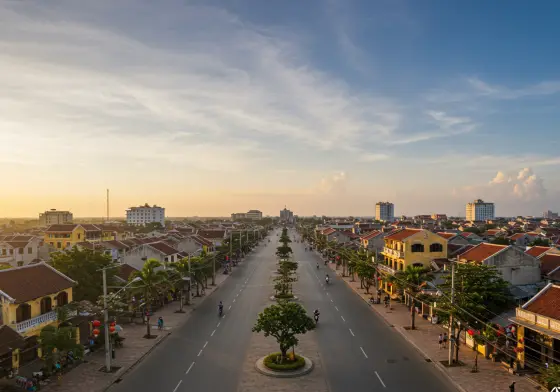
Car Rental in Vietnam
The best time to experience Vietnam by road is during the dry season, from November to April, when clear skies and comfortable temperatures make the Hai Van Pass an unforgettable coastal drive. Picture yourself navigating scenic routes like this one, with the wind in your hair and panoramic views of the South China Sea at every turn.

Rental companies
The car rental market in Vietnam is a mix of local agencies and a few international brands, though the latter are less common outside major cities. Local companies often provide more competitive pricing and a wider range of vehicle types suited for local conditions. Online aggregators, like RentoRika, can be very useful for comparing offers from various local suppliers, helping you find the best deal and ensure availability, especially during peak seasons.
What documents you need
To rent a car in Vietnam, you generally need a valid international driving permit (IDP) alongside your original national driving license. The IDP must be issued in the same country as your national license. The minimum age for car rental is typically 21 years, though some premium vehicles may require drivers to be 25 or older. It's advisable to check specific age requirements with your chosen rental agency.
Payment and deposit
Most rental agencies in Vietnam require a credit card for payment and a security deposit. Major credit cards like Visa and Mastercard are widely accepted. While some smaller local providers might accept cash for the rental fee, a credit card is almost always necessary for the security deposit. Prepayment is common, especially when booking online, but some agencies allow payment upon pickup. Deposit-free options are extremely rare.
How much rental costs
Car rental prices in Vietnam can vary significantly based on vehicle type, rental duration, and seasonality. Daily rates for a compact car typically range from ≈30 USD to ≈60 USD. Peak tourist seasons, such as December to February and June to August, generally see higher prices and lower availability. The lowest prices are often found during the shoulder seasons, like April-May or September-October.
Price by month, €
Traffic rules and fines
Driving in Vietnam can be challenging due to dense traffic, especially in urban areas, and a prevalence of motorbikes. Traffic drives on the right-hand side. Speed limits are typically 60 km/h in urban areas and 80-90 km/h on highways, but these are often not strictly observed. Honking is common and used more as a warning than an aggressive gesture. Always be extra cautious and expect unpredictable maneuvers from other road users.
Parking
Parking in Vietnamese cities can be difficult and often involves finding designated parking lots or street-side attendants who will guide you to a spot for a small fee. In smaller towns and tourist areas, parking is generally easier to find, sometimes at your accommodation or at specific attractions. Always ensure your vehicle is securely parked, especially overnight.
Fuel stations
Fuel stations are widely available, especially along main roads and in urban centers. Both gasoline (petrol) and diesel are available. Fuel prices are generally lower than in many Western countries, but can fluctuate. As of 2026, expect gasoline to cost around ≈1.00 USD to ≈1.20 USD per liter. Most stations accept cash, and some larger ones may accept credit cards.
Which car to choose
For navigating Vietnam's varied terrain, a compact or mid-size sedan is suitable for city driving and well-maintained highways. If you plan to explore rural areas, mountain roads (like those near Da Lat or Sapa), or less developed routes, an SUV or a vehicle with higher ground clearance would be a more comfortable and practical choice. For short distances or urban exploration, smaller cars are easier to maneuver and park.
Pros
- Freedom to explore at your own pace and discover off-the-beaten-path locations.
- Flexibility to change your itinerary spontaneously.
- Comfortable way to travel long distances, especially for families or groups.
- Access to areas not easily reached by public transport.
- Opportunity to carry more luggage than on public transport.
Cons
- Traffic can be chaotic and challenging, especially in major cities.
- Road conditions can vary widely, from excellent highways to rough, unpaved paths.
- Navigation can be tricky due to less standardized signage and language barriers.
- Parking in urban centers can be difficult and costly.
- Fuel costs and potential unexpected tolls can add to the budget.
You may also like
Frequently asked questions
Can I drive in Vietnam with my foreign driver's license?
No, you must have an International Driving Permit (IDP) in addition to your national driver's license to legally drive a car in Vietnam. Your national license must be from the same country as your IDP.
What is the minimum age to rent a car in Vietnam?
The minimum age to rent a car in Vietnam is generally 21 years old. For certain vehicle categories or premium cars, some rental companies may require drivers to be 25 or older.
Is it safe to drive in Vietnam?
Driving in Vietnam can be challenging due to heavy traffic, especially motorbikes, and varying road conditions. It requires constant vigilance and defensive driving. However, with caution and adherence to local customs, it can be a rewarding experience.
Do I need insurance when renting a car?
Yes, it is highly recommended to have comprehensive car insurance when renting in Vietnam. Most rental agencies include basic third-party liability insurance, but additional coverage for collision damage waiver (CDW) or theft protection is usually available and advisable.
Are there tolls on Vietnamese roads?
Yes, there are toll roads and bridges in Vietnam, particularly on major highways and expressways. Tolls are typically paid in cash at toll booths, and the cost is generally reasonable.
What type of car is best for driving in Vietnam?
For city driving and well-maintained main roads, a compact or mid-size sedan is sufficient. If you plan to venture into rural or mountainous areas, an SUV or a vehicle with higher ground clearance is recommended for better comfort and handling of varied road conditions.