Destination · Tunisia
Car Rental in Djerba, Tunisia
Touch down at Djerba–Zarzis International Airport (DJE) and picture yourself cruising the scenic coastal road to Houmt Souk, the island's bustling capital. With your own vehicle, exploring the ancient Synagogue of El Ghriba or venturing to the Flamingo Island becomes an effortless adventure, all at your own pace.
Search & book · Djerba
Djerba, Tunisia
Car Rental in Djerba, Tunisia
Touch down at Djerba–Zarzis International Airport (DJE) and picture yourself cruising the scenic coastal road to Houmt Souk, the island's bustling capital. With your own vehicle, exploring the ancient Synagogue of El Ghriba or venturing to the Flamingo Island becomes an effortless adventure, all at your own pace.
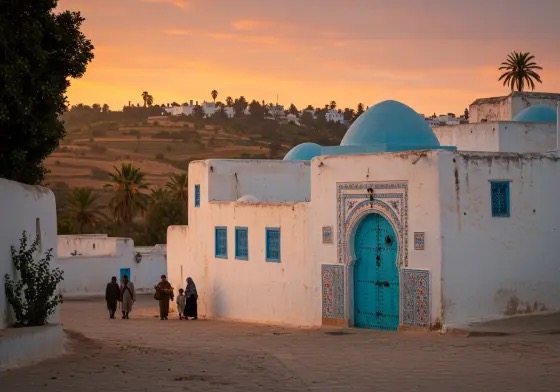
Where to drive
- Explore Houmt Souk: The island's capital, known for its vibrant souks and historic fort, is a short drive from most accommodations. Distances within the town are walkable, but a car is useful for reaching it from further afield.
- Visit Ghriba Synagogue: Located near Hara Seghira, this ancient and revered synagogue is approximately a 20-minute drive (around 15 km) from Houmt Souk.
- Discover Djerbahood: The open-air street art museum in Erriadh, just a 15-minute drive (around 10 km) from Houmt Souk, offers a unique cultural experience.
- Relax on Ras Rmel (Flamingo Island): While you'll need a boat trip to reach the island itself, driving to the departure points in Houmt Souk or Aghir (around 30 minutes, 25 km) is convenient with a rental car.
- Day trip to El Ghriba Synagogue and Guellala Pottery Village: Combine these two cultural highlights, approximately 20-30 minutes driving between them, offering a glimpse into Djerba's rich heritage.
- Coastal drives to Zarzis: Head south across the Roman Road to the mainland town of Zarzis, approximately a 45-minute drive (around 50 km), for a different coastal perspective.
What documents you need
To rent a car in Tunisia, you generally need a valid passport, a national driving license held for at least one year, and for most non-EU citizens, an International Driving Permit (IDP). The minimum age for rental is typically 21, though some companies may require drivers to be 23 or older, or charge a young driver's fee for those under 25.
How much rental costs
Car rental prices in Djerba vary significantly by season and car class. Economy cars can start from approximately 25-30 EUR per day in the low season, while SUVs and more premium vehicles might range from 50 EUR to over 80 EUR daily. Expect prices to increase by 30-50% during the peak summer months.
Price by month, €
Demand by month
Traffic rules and fines
Driving is on the right side of the road. Speed limits are typically 50 km/h in urban areas, 90 km/h outside urban areas, and 110 km/h on motorways. Seatbelts are mandatory for all occupants. Child seats are legally required for young children, though availability from rental companies can vary. The legal blood alcohol limit is very low, approximately 0.00% to 0.02%, so it's best to avoid alcohol entirely if driving. Headlights are not legally required during the day but are advisable in poor visibility.
Parking
In Djerba, parking in smaller towns and villages is often free and readily available, especially outside peak tourist areas. In Houmt Souk, you'll find a mix of free street parking and some paid parking lots. Look for designated areas, as improper parking can lead to fines. Hotels and guesthouses typically offer private parking for guests.
Fuel stations
Fuel stations are common across Djerba and on the mainland, offering both petrol (Essence) and diesel (Gasoil). Prices are regulated and generally lower than in Europe, but can fluctuate. As of 2026, expect petrol to be around 2.5-3.0 TND per liter. Most stations accept cash, and some larger ones may accept credit cards.
Which car to choose
For Djerba's mostly flat terrain and well-maintained main roads, a compact or economy car is perfectly suitable and economical. If you plan to venture onto less-paved tracks to reach more secluded beaches or rural areas, an SUV or a car with higher ground clearance would be more comfortable. Manual transmission vehicles are more common and often cheaper than automatics.
Pros
- Freedom to explore Djerba's hidden gems and secluded beaches at your own pace.
- Convenient access to historical sites and villages not easily reached by public transport.
- Flexibility to create your own schedule without relying on tour groups.
- More cost-effective for families or groups compared to multiple taxi fares.
- Easy navigation on the island's generally straightforward road network.
Cons
- Traffic in Houmt Souk can be dense and chaotic, especially during market hours.
- Some rural roads may be unpaved or poorly maintained.
- Parking can be challenging in very busy areas, particularly in Houmt Souk.
- Local driving styles can be assertive, requiring cautious driving.
- Fuel station attendants may only speak Arabic or French, which can be a minor barrier for some.
Frequently asked questions
What documents do I need to rent a car in Djerba?
You will need a valid passport, your national driving license held for at least one year, and typically an International Driving Permit (IDP) if your license is not in Arabic or French, or from an EU country.
What is the minimum age to rent a car in Djerba?
The minimum age is generally 21 years old, but some rental companies may require drivers to be 23 or older, or charge an additional fee for drivers under 25.
Can I pay for my car rental with a credit card?
Yes, most major rental companies accept credit cards for both the rental fee and the security deposit. It's advisable to have a credit card in the main driver's name.
Is it better to pick up the car at the airport or in the city?
Picking up your car directly at Djerba-Zarzis International Airport (DJE) is often the most convenient option, allowing you to start your exploration immediately upon arrival. City pickups are also available but may require a taxi to reach the office.
What is the fuel policy for rental cars in Djerba?
Most rental companies operate on a 'full-to-full' fuel policy, meaning you receive the car with a full tank and should return it full to avoid extra charges.
What happens if I need to cancel my reservation?
Cancellation policies vary by rental company and booking platform. Always check the specific terms and conditions of your booking, but many offer free cancellation up to 24-48 hours before pickup.