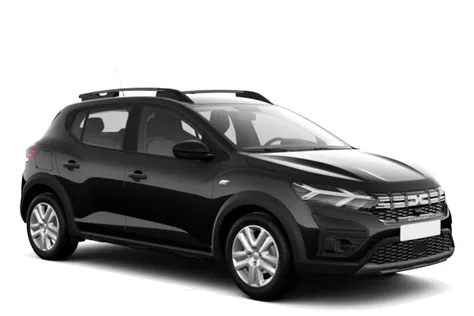
Dacia Sandero Stepway · 2025
automatic · 5 seats
27 € / day
Destination · Turkey
Unlock the ancient wonders of Ephesus and the sun-drenched beaches of Cesme with your own set of wheels, navigating Izmir's vibrant coastal roads at your leisure. A rental car transforms your Turkish Aegean adventure, from savoring sunset views over the Gulf of Izmir to spontaneous detours through charming hillside villages.
Unlock the ancient wonders of Ephesus and the sun-drenched beaches of Cesme with your own set of wheels, navigating Izmir's vibrant coastal roads at your leisure. A rental car transforms your Turkish Aegean adventure, from savoring sunset views over the Gulf of Izmir to spontaneous detours through charming hillside villages.
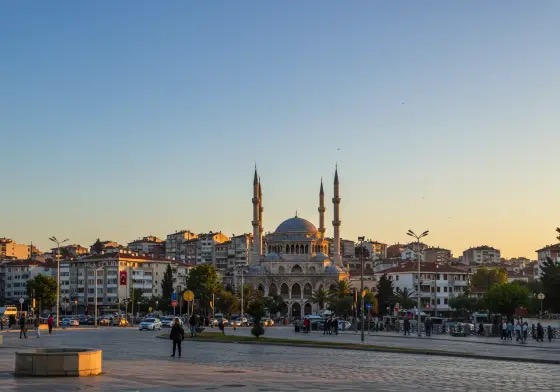
To rent a car in Turkey, you will generally need a valid passport, a national driving license held for at least one or two years, and an International Driving Permit (IDP) if your license is not in English. The minimum age for renting is typically 21, though some companies may require drivers to be 25 for certain car categories or charge a young driver fee for those under 25.
Car rental prices in Izmir vary significantly by car class and seasonality. Economy cars typically start from around 20-30 EUR per day in the low season, rising to 40-60 EUR or more in peak summer. SUVs and premium vehicles can range from approximately 60 EUR to over 150 EUR daily, with July and August being the most expensive months due to high demand.
Price by month, €
In Turkey, driving is on the right side of the road. Speed limits are generally around 50 km/h in urban areas, 90 km/h on rural roads, and 120 km/h on motorways, though always check local signage. The alcohol limit for drivers is very strict, effectively zero (0.5 per mille, but it's best to avoid alcohol entirely if driving). Headlights must be used in tunnels and during periods of low visibility. Seatbelts are mandatory for all occupants, and child seats are required for children up to 1.35 meters tall or under 36 kg.
In Izmir, parking can be challenging in the city center. There are many paid parking lots (otopark) available, often managed by attendants (valet or municipal). Street parking is also common but usually metered or requires payment to an attendant (often wearing an official vest). Outside the immediate city center, finding free parking might be easier, especially in residential areas, but it is not guaranteed.
Fuel stations are widely available throughout Izmir and along major routes. You can find both petrol (benzin) and diesel (motorin). LPG (autogas) is also common. Fuel prices are generally comparable to European averages and fluctuate. Most stations accept credit cards, but it's always wise to have some local currency (Turkish Lira) for smaller purchases or in case of card issues.
For driving within Izmir and visiting nearby coastal towns like Çeşme or Alaçatı, an economy or compact car is often sufficient and easier to park. If you plan to venture into more mountainous regions or cover longer distances to places like Pamukkale, a comfortable sedan or an SUV might be preferable for its power and space. Manual transmission cars are very common, but automatics are readily available if preferred.
Pros
Cons
You'll need a valid passport, your national driving license (held for at least 1-2 years), and an International Driving Permit (IDP) if your license is not in English.
The minimum age is typically 21, but some companies require drivers to be 25 for certain car types or charge a young driver fee for those under 25.
Yes, Izmir Adnan Menderes Airport (ADB) is the most convenient and common pickup location, with many international and local rental agencies operating there.
Yes, major credit cards are universally accepted for both rental payments and security deposits. A physical credit card in the main driver's name is usually required for the deposit.
Cancellation policies vary by rental company and booking platform. Many offer free cancellation up to 24 or 48 hours before pickup, but it's crucial to check the specific terms of your booking.
While manual transmission cars are more common and generally cheaper, automatic cars are widely available. If you're not comfortable with a manual, booking an automatic in advance is recommended, especially during peak season.
891 offers from local rental companies · from 27 € per day
Dacia Sandero Stepway · 2025
automatic · 5 seats
27 € / day
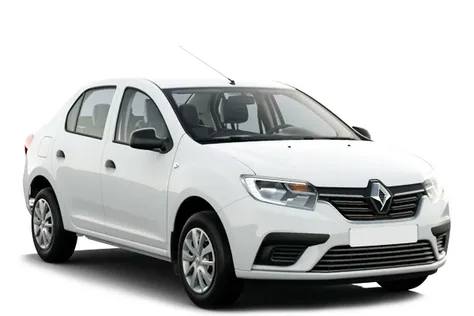
Renault Symbol · 2017
manual · 5 seats
27 € / day
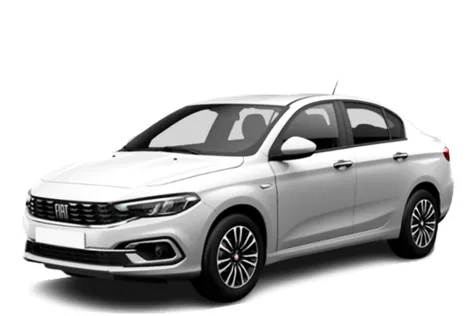
Fiat Egea · 2025
manual · 5 seats
28 € / day

Opel Corsa · 2025
automatic · 5 seats
29 € / day
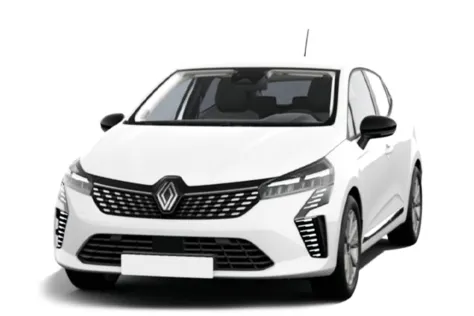
Renault Clio · 2024
automatic · 5 seats
29 € / day
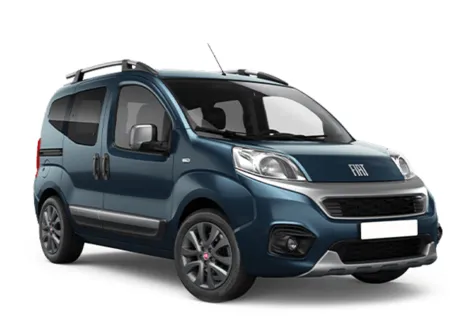
Fiat Fiorino · 2023
manual · 5 seats
30 € / day
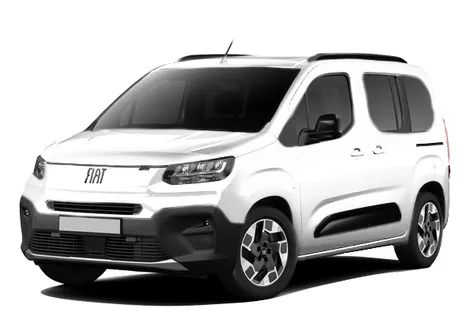
Fiat Doblo · 2025
manual · 5 seats
33 € / day
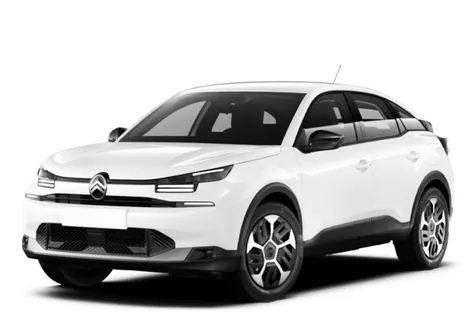
Citroen C4 X · 2025
automatic · 5 seats
40 € / day
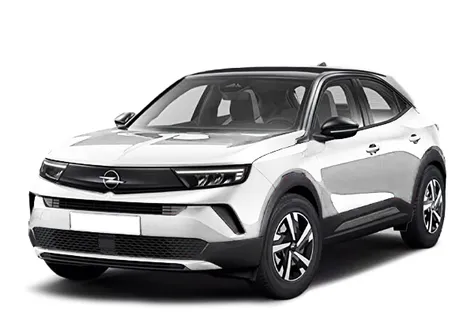
Opel Mokka · 2025
automatic · 5 seats
41 € / day
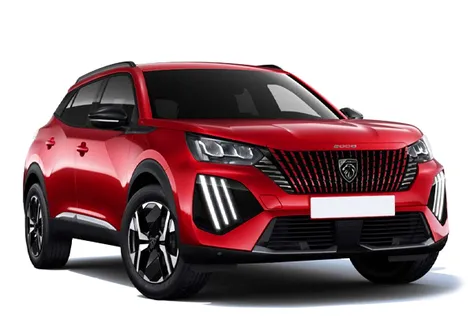
Peugeot 2008 · 2025
automatic · 5 seats
41 € / day
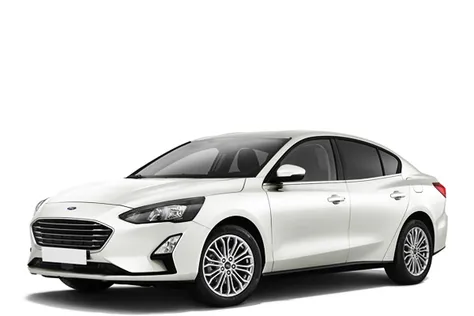
Ford Focus · 2019
automatic · 5 seats
44 € / day
.webp)
Ford Tourneo Courier · 2023
manual · 5 seats
46 € / day
Reviews
No reviews yet — be the first to share how renting here went.
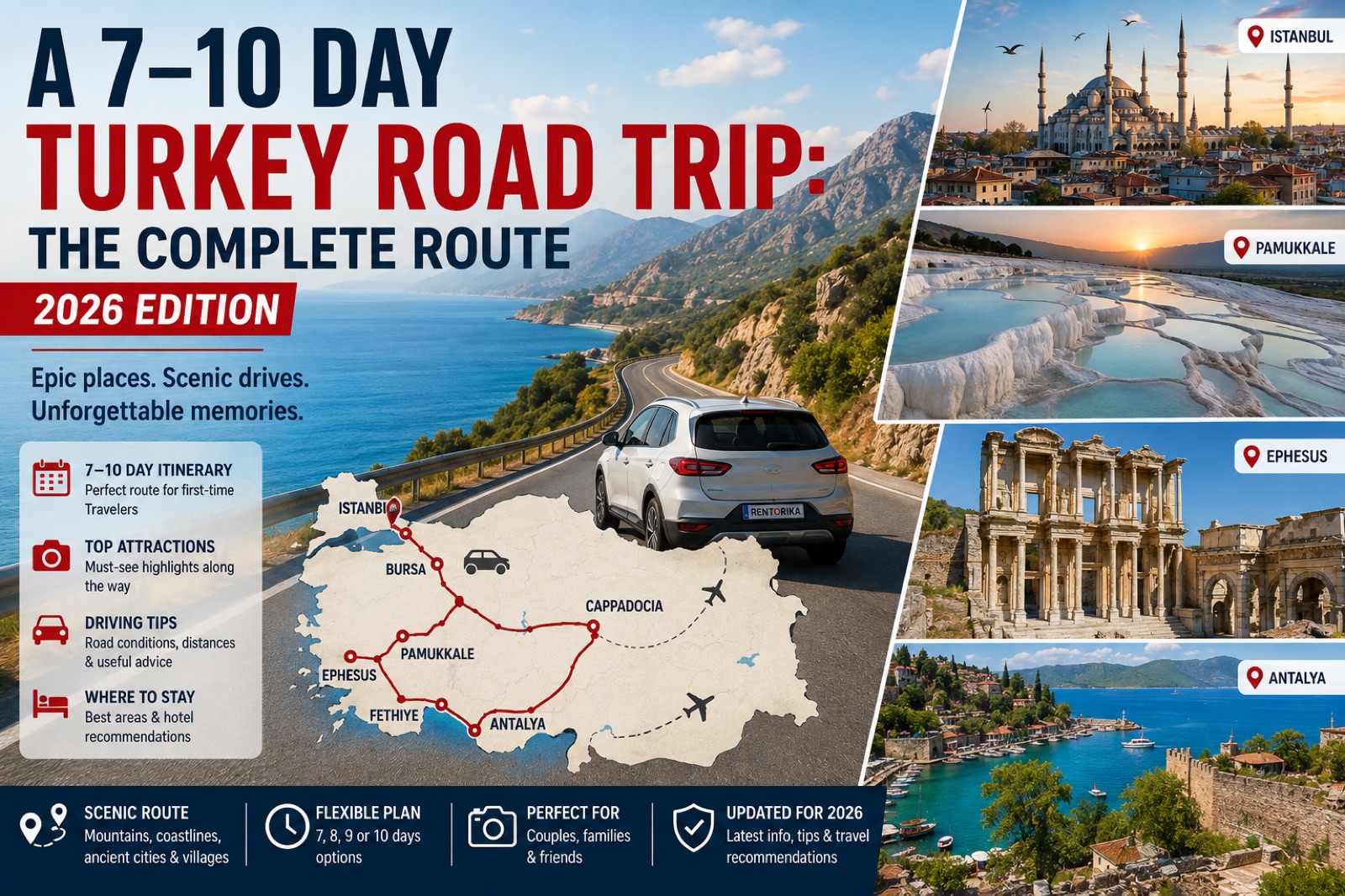
A 7–10 Day Turkey Road Trip: The Complete Route (2026 Edition)
Turkey rewards a driver more generously than almost any Mediterranean country still relatively affordable to explore this way. The route below strings together ancient…
Read →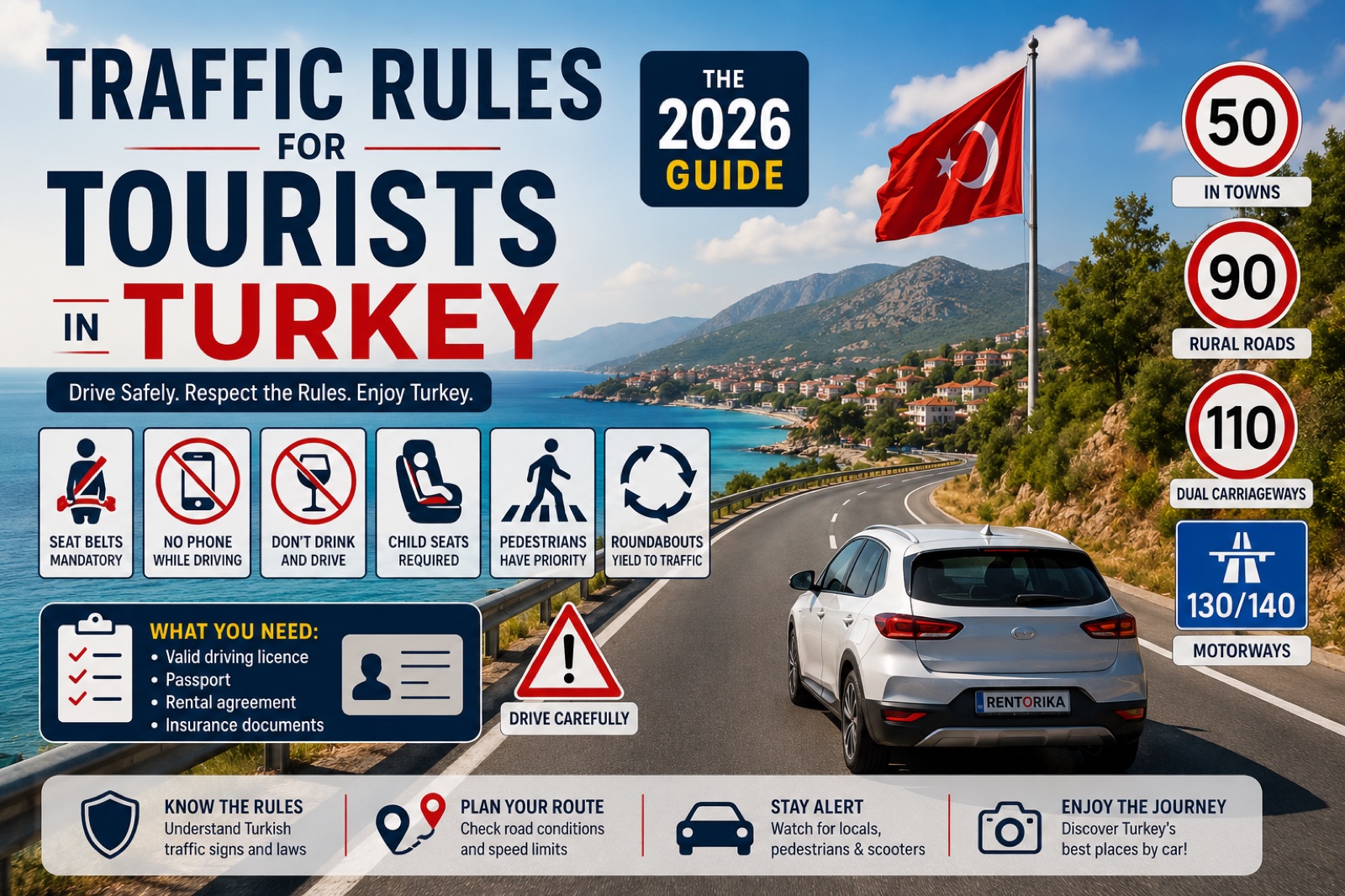
Traffic Rules for Tourists in Turkey: The 2026 Guide
Turkey rewrote a meaningful chunk of its Highway Traffic Law in early 2026, and the changes aren't cosmetic — fine amounts jumped sharply, the way speeding penalties are…
Read →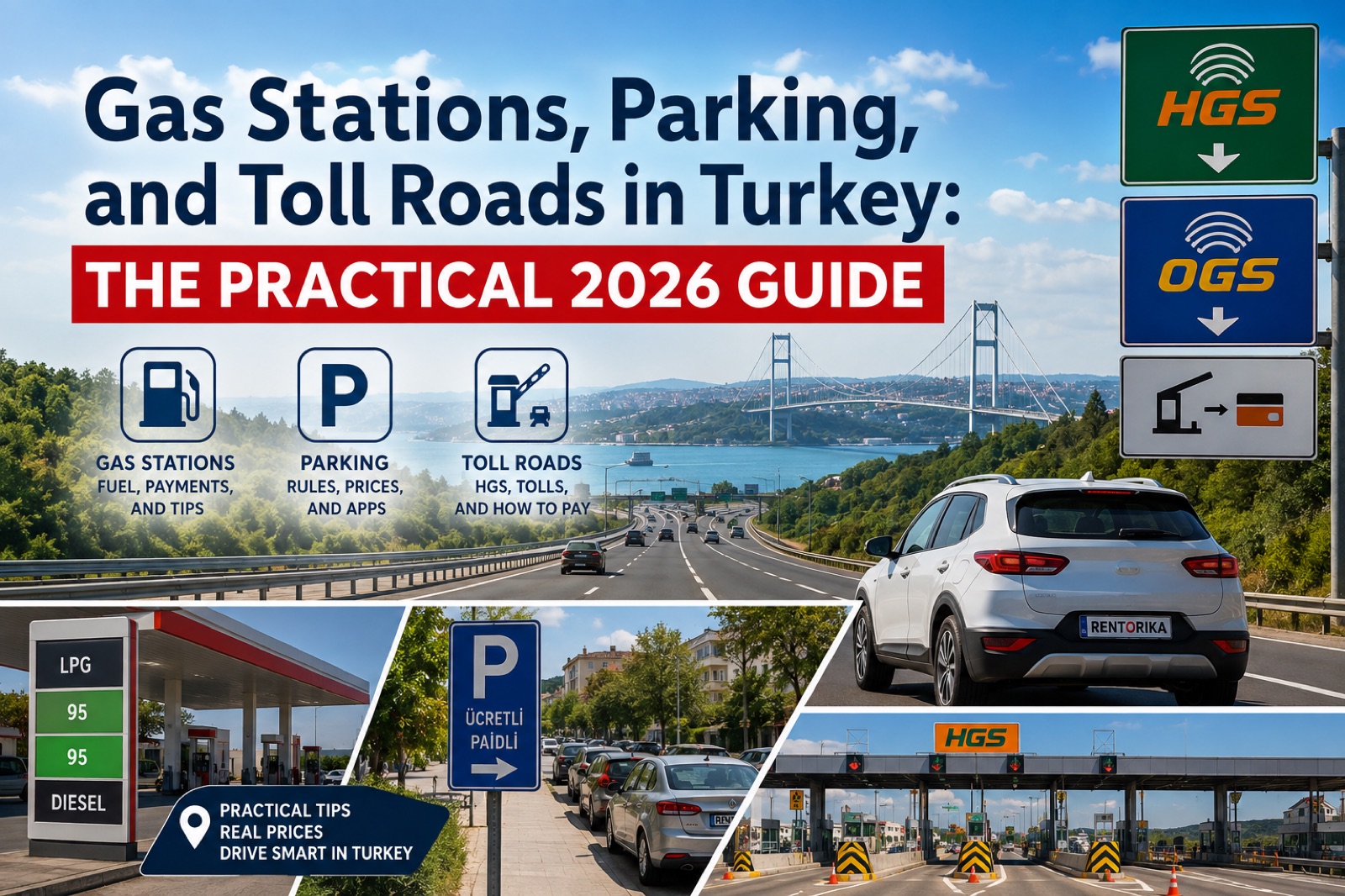
Gas Stations, Parking, and Toll Roads in Turkey: The Practical 2026 Guide
Renting a car in Turkey is the easy part. What actually determines whether your trip feels smooth or mildly stressful is the stuff nobody puts on the booking page: which…
Read →