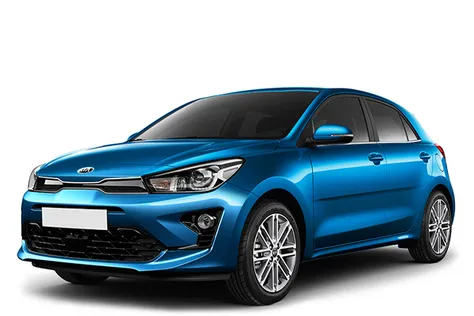
Kia Rio · 2023
automatic · 5 seats · no deposit
40 € / day
Destination · Turkey
The warm Mediterranean breeze, carrying the scent of pine and salt, whispers a promise of adventure as you step off the plane in Dalaman. From the bustling markets of Fethiye to the secluded coves along the Turquoise Coast, a reliable rental car is your ticket to experiencing the region's vibrant tapestry of sights and sounds. Navigate the scenic D400 highway with ease, pausing for impromptu dips in the crystal-clear waters of Butterfly Valley.
The warm Mediterranean breeze, carrying the scent of pine and salt, whispers a promise of adventure as you step off the plane in Dalaman. From the bustling markets of Fethiye to the secluded coves along the Turquoise Coast, a reliable rental car is your ticket to experiencing the region's vibrant tapestry of sights and sounds. Navigate the scenic D400 highway with ease, pausing for impromptu dips in the crystal-clear waters of Butterfly Valley.
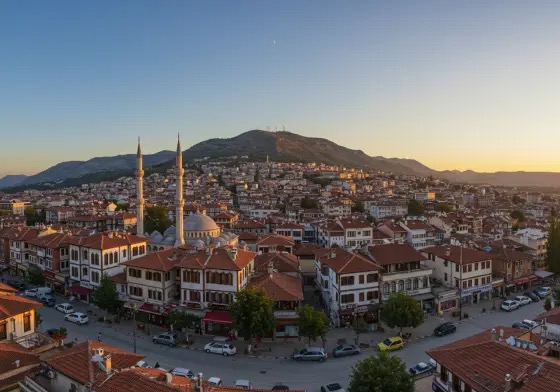
To rent a car in Turkey, you typically need a valid national driving license from your home country, held for at least one year. An International Driving Permit (IDP) is highly recommended, and often required by rental companies if your license is not in a Latin alphabet. You will also need your passport and a credit card in the main driver's name. The minimum age for car rental is generally 21, with some companies requiring drivers to be 23 or 25 for certain vehicle categories or an additional young driver surcharge.
Car rental prices in Dalaman vary significantly by season and vehicle type. Economy cars can start from around 10-15 EUR per day during the off-peak season, while mid-range sedans might be 20-35 EUR. SUVs and premium vehicles typically range from 40 EUR upwards. Prices can easily double or triple during the peak summer months (July-August) due to high demand.
Price by month, €
In Turkey, traffic drives on the right. Speed limits are generally 50 km/h in urban areas, 90 km/h on rural roads, and 120 km/h on motorways, unless otherwise indicated. The legal blood alcohol limit for drivers is very strict, effectively zero (0.05% for private vehicles, 0.00% for commercial). Headlights must be used in tunnels and during poor visibility. Seatbelts are mandatory for all occupants, and children under 1.35 meters tall must use appropriate child seats.
In Dalaman and surrounding towns, parking can vary. Many hotels offer free parking. Street parking in busy areas often requires payment via parking meters or attendants (known as 'otoparkçı'). Look for designated parking lots, particularly in tourist hotspots like Fethiye or Marmaris, which usually charge an hourly or daily fee. Always check for 'P' signs. Free parking is more common in less developed areas or smaller villages.
Fuel stations are widely available throughout the Dalaman region and along major routes. You'll find 'Benzin' (petrol) and 'Motorin' or 'Dizel' (diesel). Unleaded petrol (Kurşunsuz Benzin) is standard. Fuel prices are regulated by the government and are generally consistent across different brands, though they can fluctuate. Payment is typically by cash or credit card. It's advisable to fill up before long journeys, especially when heading to more remote areas.
For most travelers exploring the Dalaman region, an economy or compact car is an excellent choice. These vehicles are fuel-efficient, easy to maneuver through narrower town streets, and simpler to park. If you plan to venture into more mountainous or unpaved areas, a compact SUV offers better ground clearance and comfort. Manual transmission cars are more common and often cheaper than automatics, but automatics are readily available if preferred. For general touring, a standard sedan is perfectly adequate for families or those needing a bit more space.
Pros
Cons
You'll need a valid national driving license (held for at least one year), an International Driving Permit (if your license is not in Latin script), your passport, and a credit card in the main driver's name.
The minimum age is generally 21, but some companies may require drivers to be 23 or 25, especially for certain car categories, and a young driver surcharge may apply.
Yes, Dalaman Airport (DLM) is the most common and convenient pickup location, with many international and local rental agencies having desks directly in the terminal or offering shuttle services.
Cancellation policies vary by rental company and booking platform. Many offer free cancellation up to 24 or 48 hours before pickup. Always check the specific terms and conditions when you book.
Yes, a security deposit is standard and is usually blocked on your credit card. The amount varies depending on the car category and rental company, typically ranging from a few hundred to over a thousand Euros.
Yes, automatic transmission cars are available, although manual cars are more common. If you prefer an automatic, it's advisable to book well in advance, especially during high season.
1012 offers from local rental companies · from 40 € per day
Kia Rio · 2023
automatic · 5 seats · no deposit
40 € / day
.webp)
Ford Tourneo Courier · 2023
manual · 5 seats
42 € / day
.webp)
Fiat Egea · 2021
manual · 5 seats
42 € / day
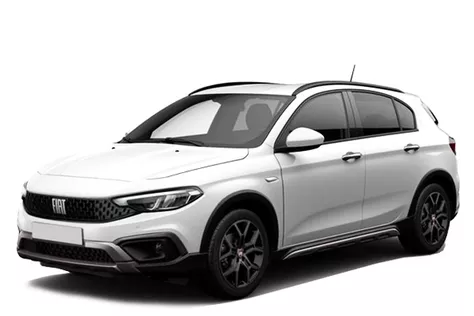
Fiat Egea Cross · 2021
manual · 5 seats
45 € / day

Renault Taliant · 2025
manual · 5 seats · no deposit
45 € / day
.webp)
Toyota Corolla · 2025
automatic · 5 seats · no deposit
46 € / day

Toyota ProAce City · 2025
automatic · 5 seats · no deposit
46 € / day
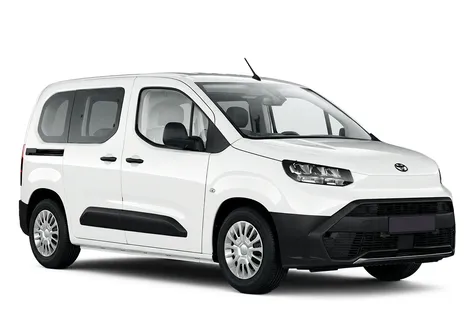
Toyota Proace City · 2025
automatic · 5 seats · no deposit
46 € / day
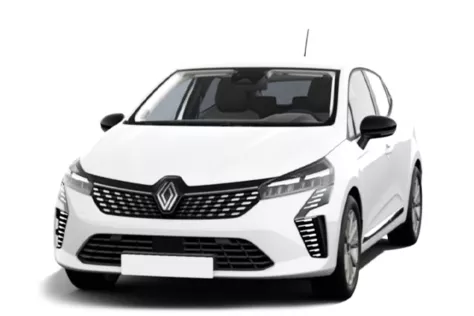
Renault Clio · 2022
automatic · 5 seats
46 € / day
.webp)
Citroen C3 · 2022
automatic · 5 seats
46 € / day
.webp)
Renault Symbol · 2023
manual · 5 seats
47 € / day
.webp)
Fiat Linea · 2023
manual · 5 seats
47 € / day
Reviews
No reviews yet — be the first to share how renting here went.
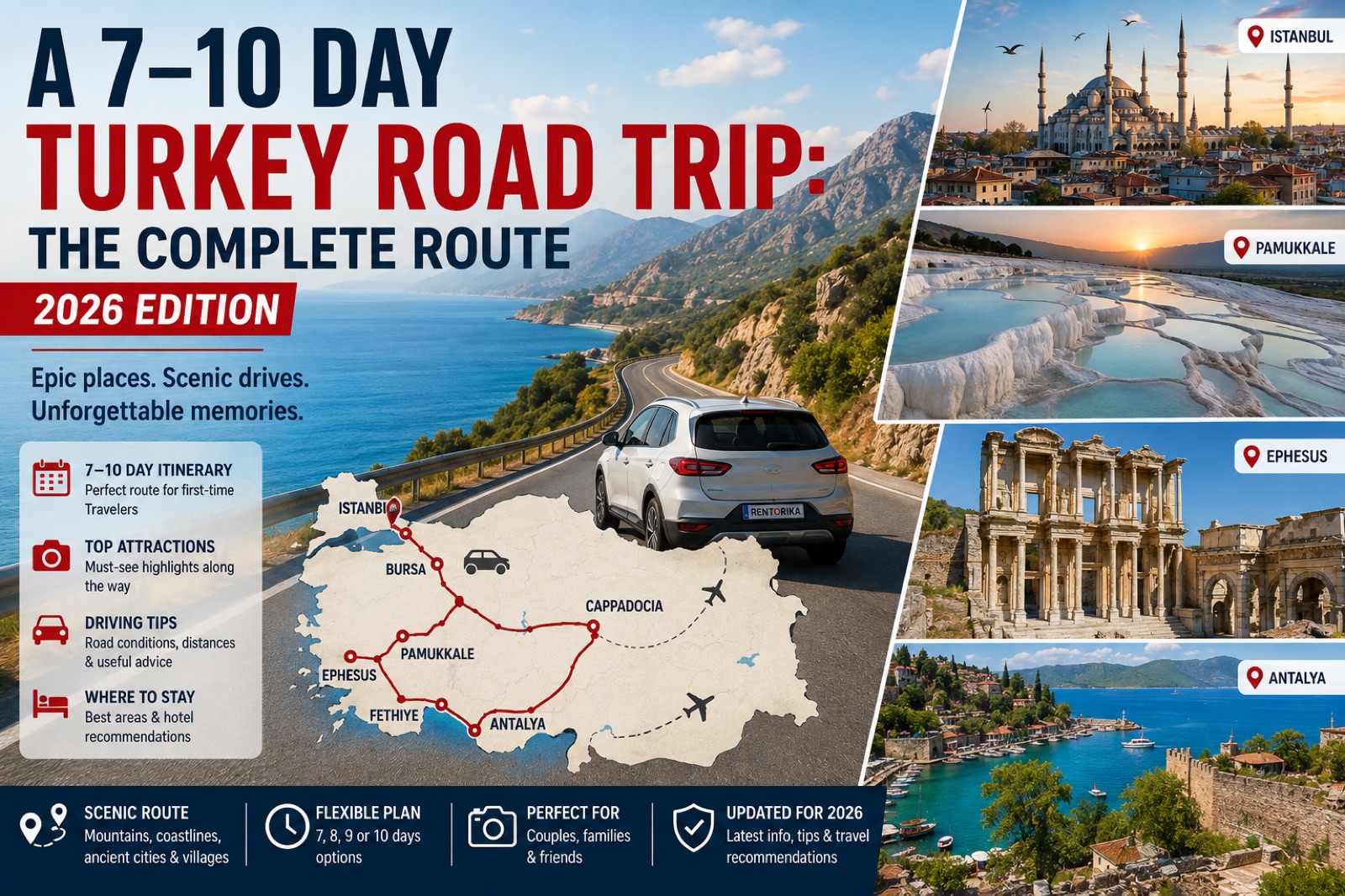
A 7–10 Day Turkey Road Trip: The Complete Route (2026 Edition)
Turkey rewards a driver more generously than almost any Mediterranean country still relatively affordable to explore this way. The route below strings together ancient…
Read →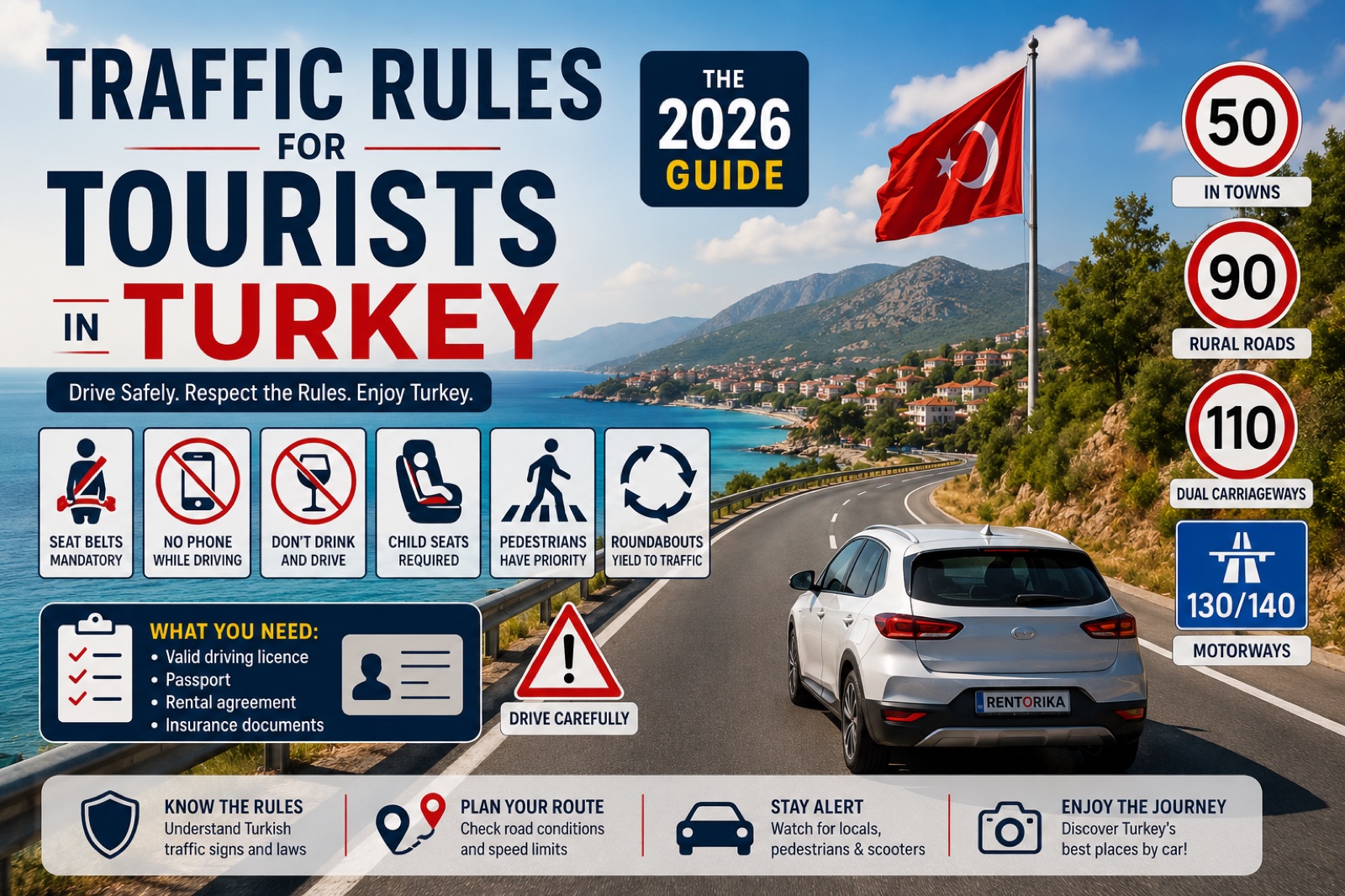
Traffic Rules for Tourists in Turkey: The 2026 Guide
Turkey rewrote a meaningful chunk of its Highway Traffic Law in early 2026, and the changes aren't cosmetic — fine amounts jumped sharply, the way speeding penalties are…
Read →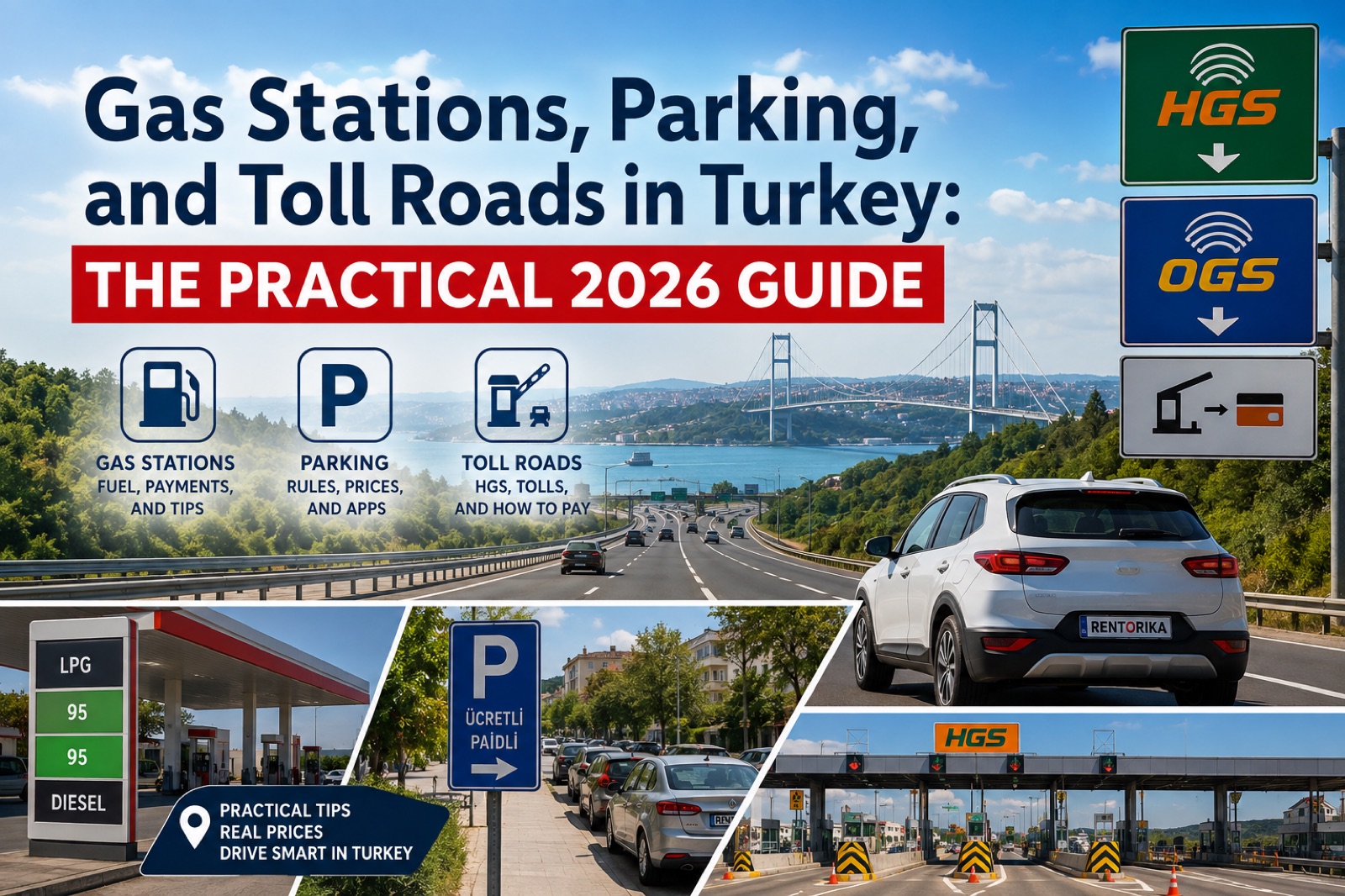
Gas Stations, Parking, and Toll Roads in Turkey: The Practical 2026 Guide
Renting a car in Turkey is the easy part. What actually determines whether your trip feels smooth or mildly stressful is the stuff nobody puts on the booking page: which…
Read →