Country
Car Rental in Turkey
Open any city directly or jump straight to search with your chosen destination.
Cities
All cities in Turkey
 Airport
 Airport
 Airport
 Airport
 Airport
 Airport
 Airport
 Airport
 Airport
 Airport
 Airport
 Airport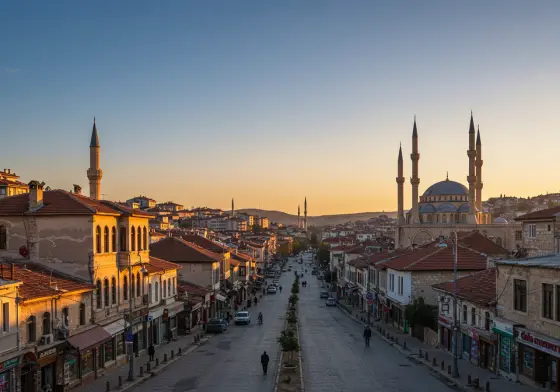



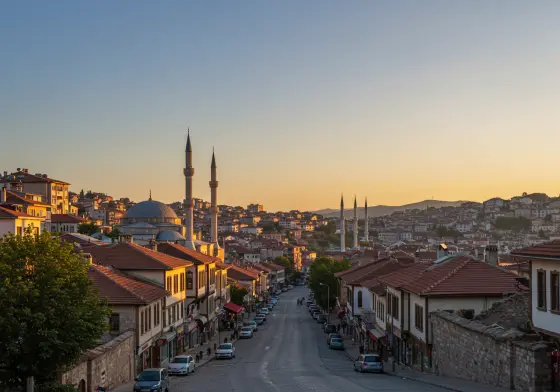
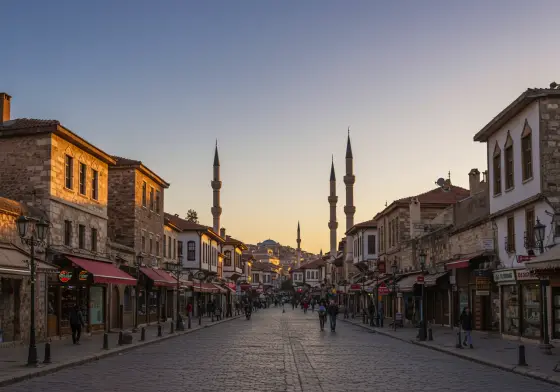
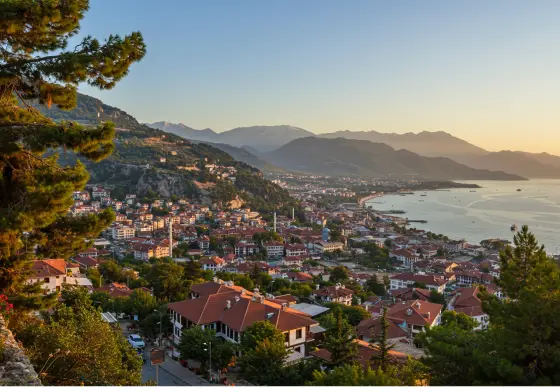
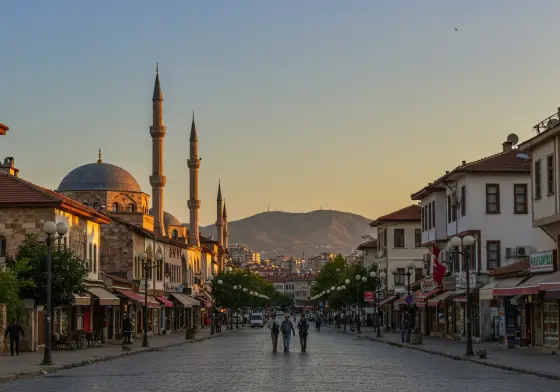


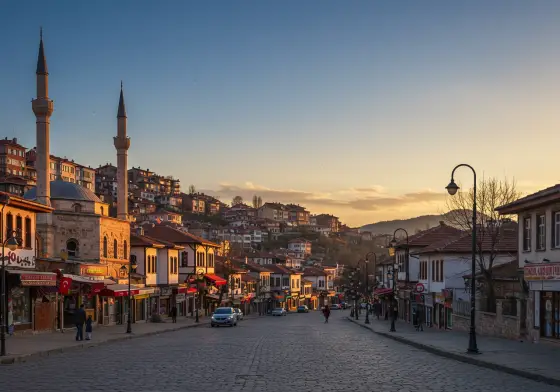
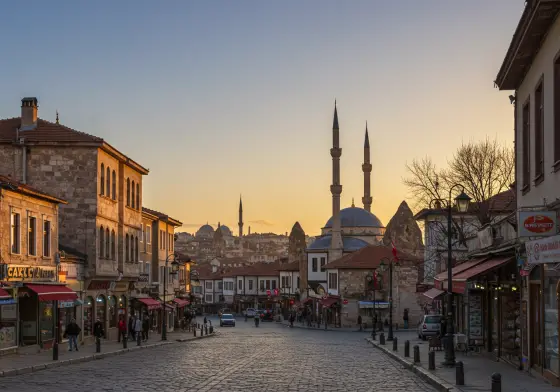
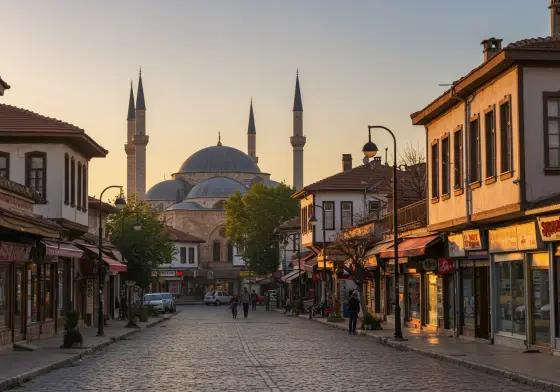
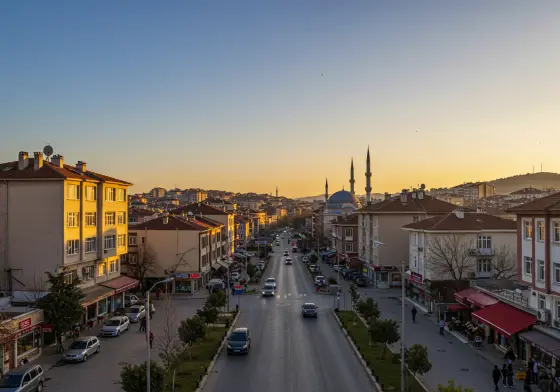
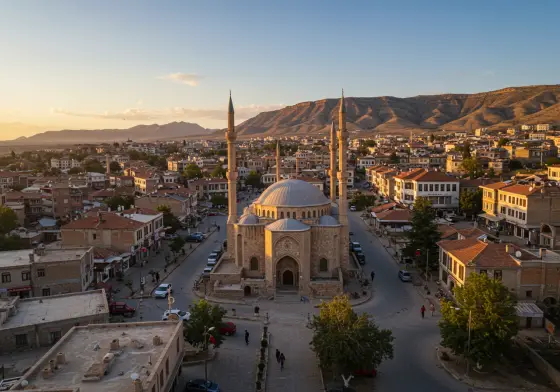
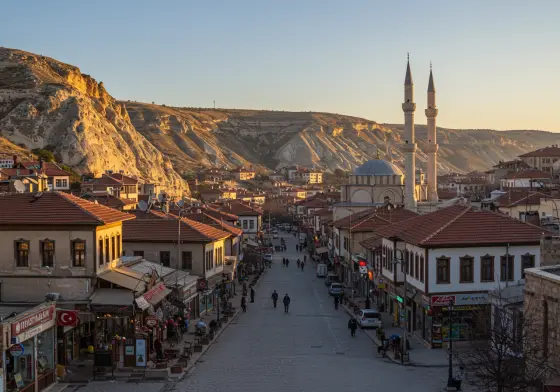
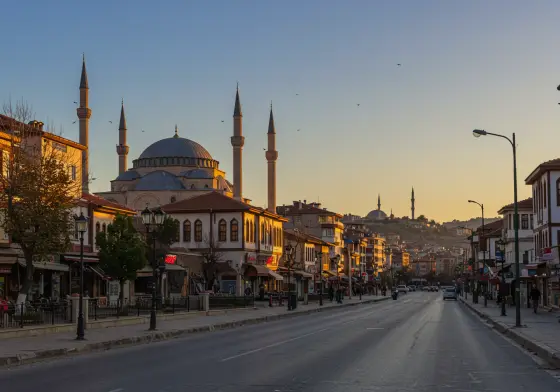
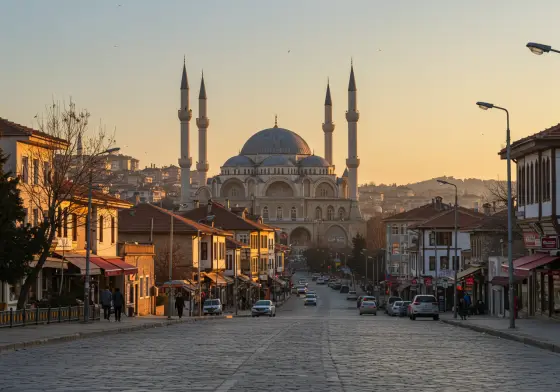
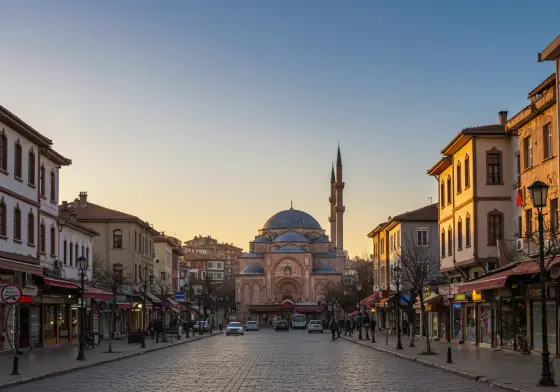
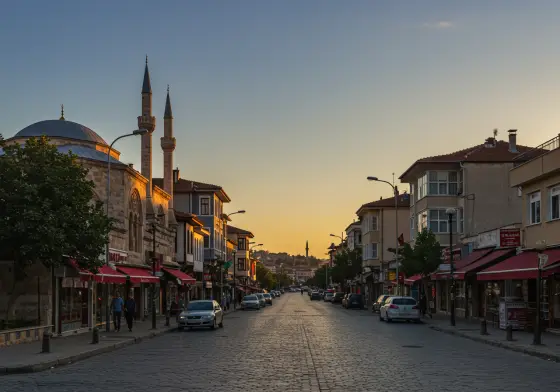
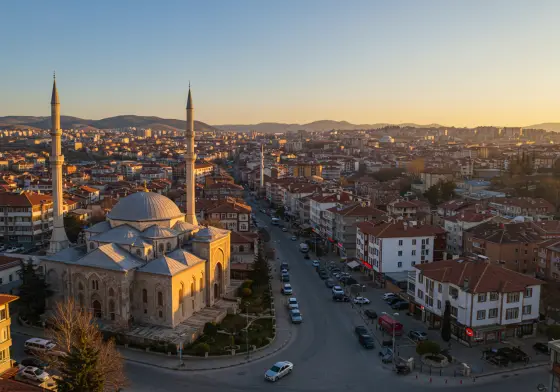
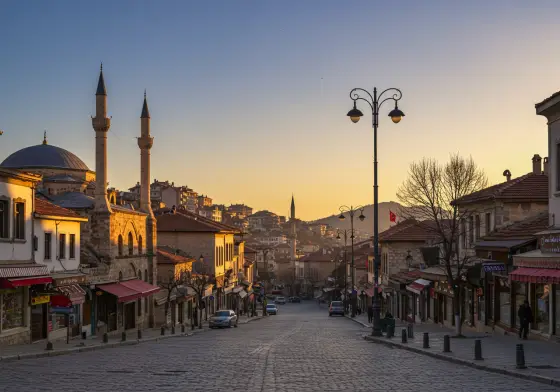
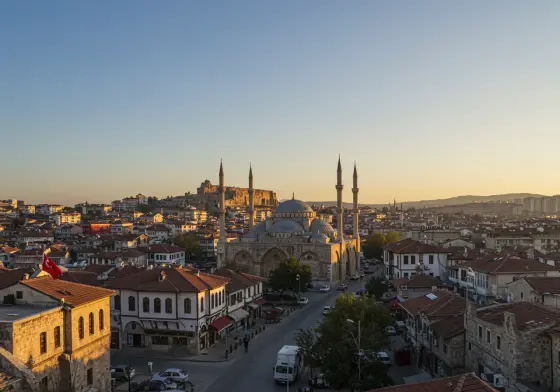
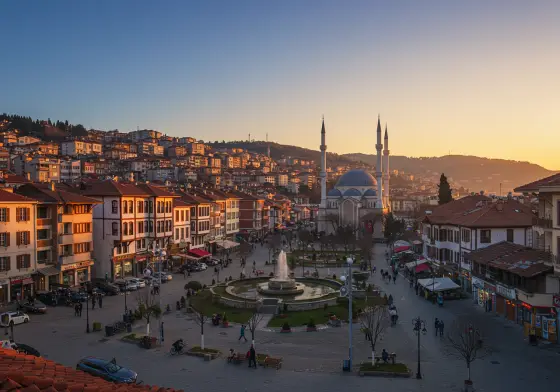
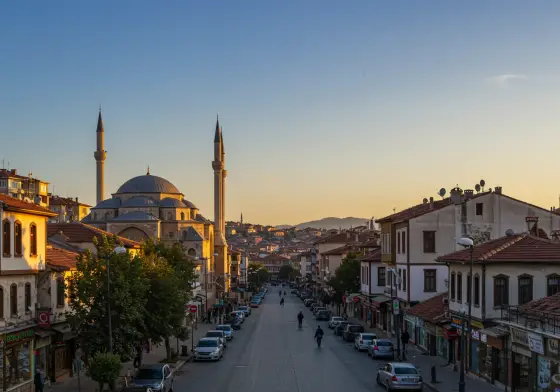
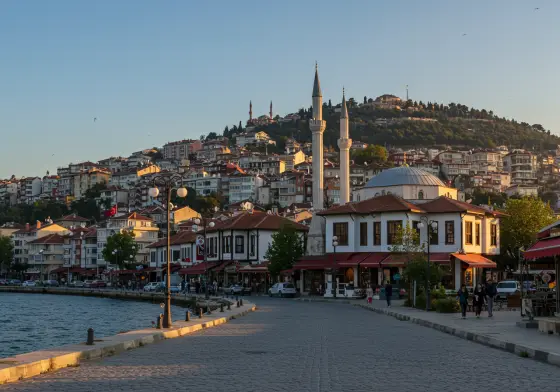
Car Rental in Turkey
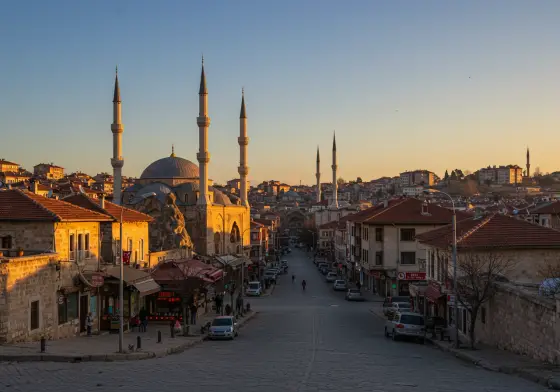
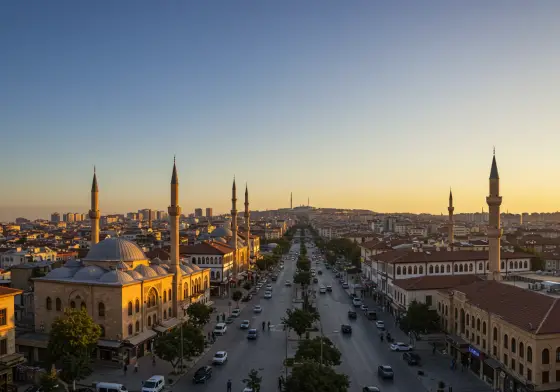
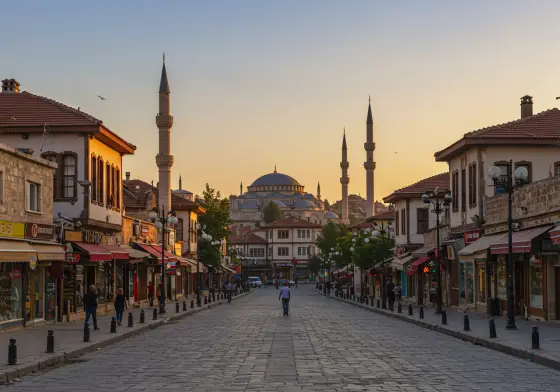
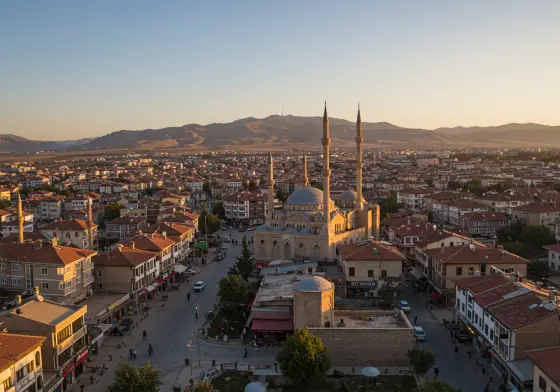
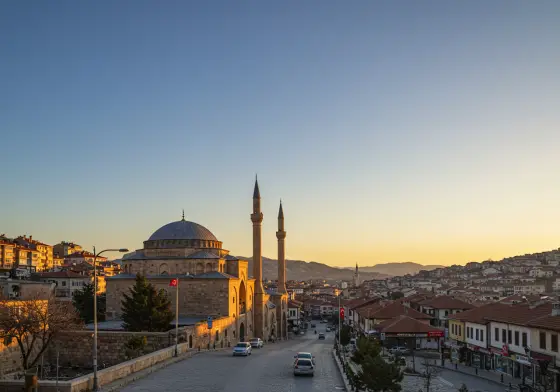
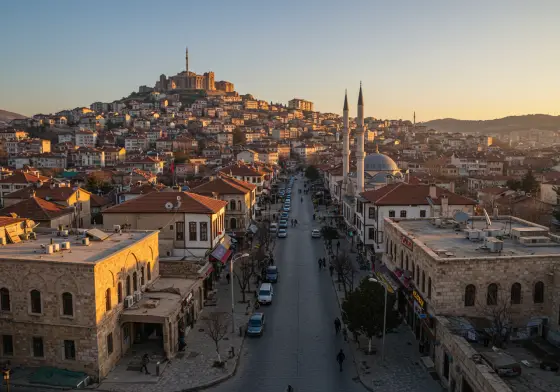
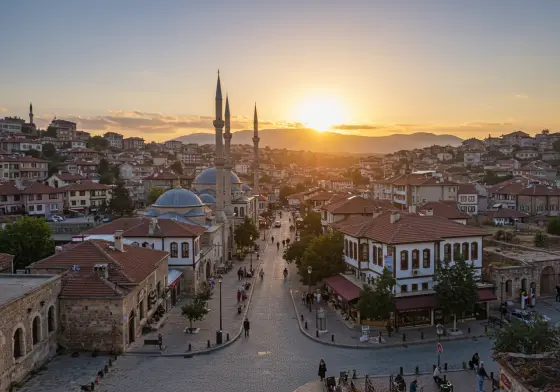
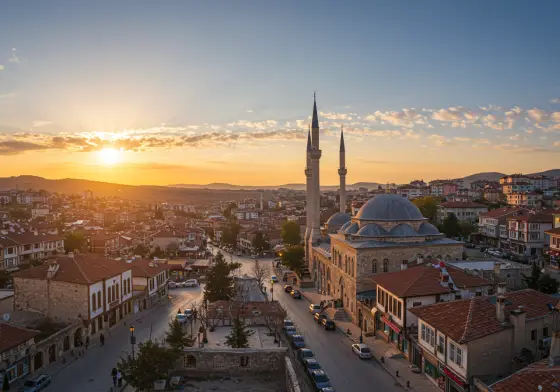
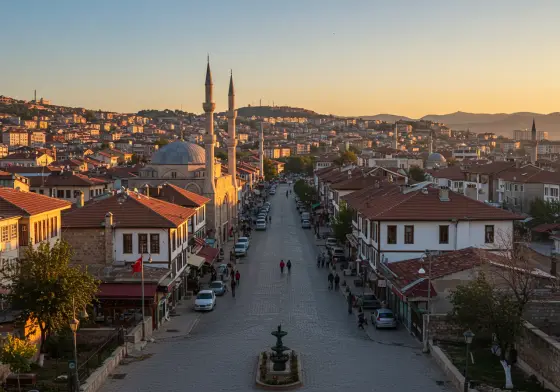
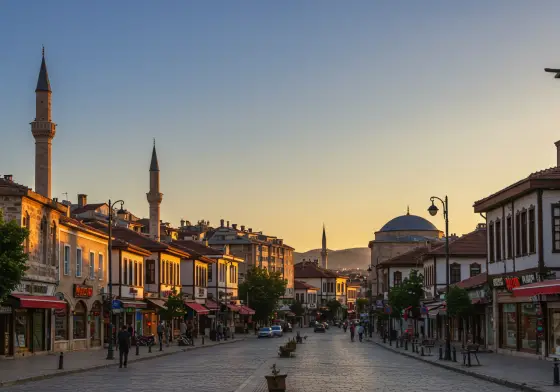
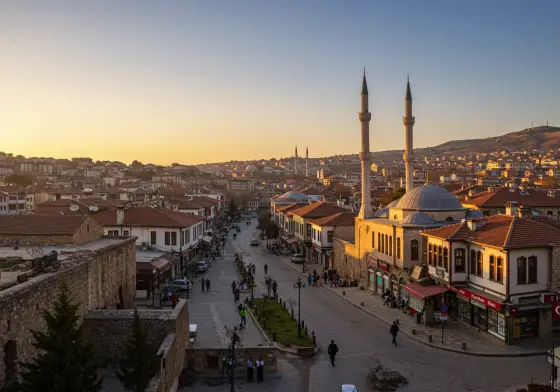
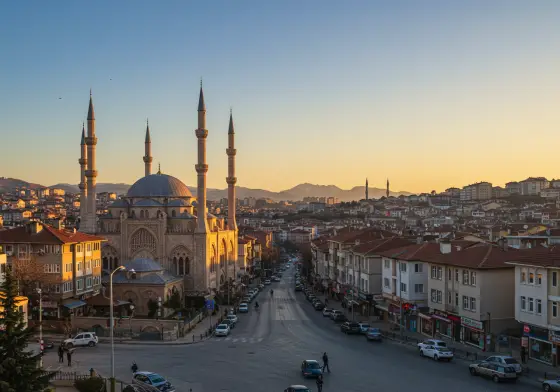
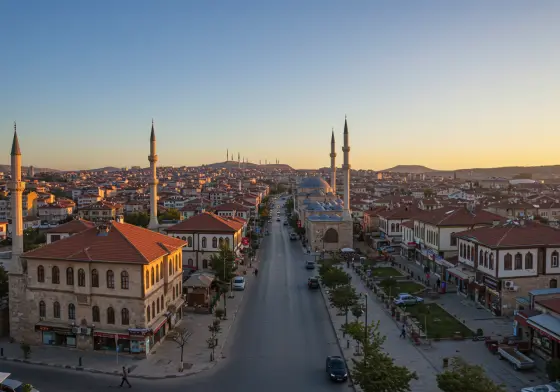
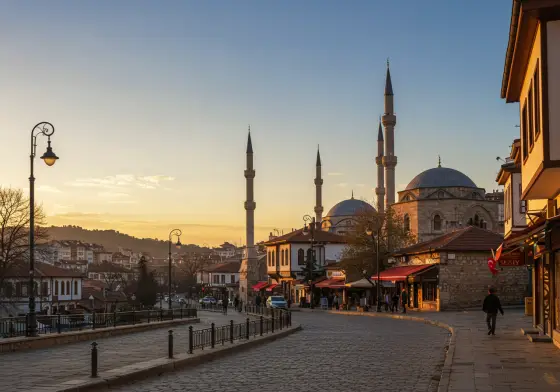
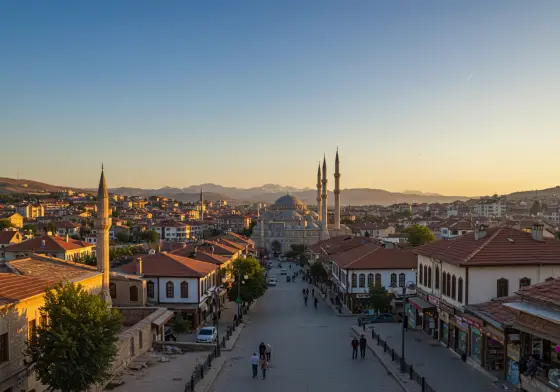
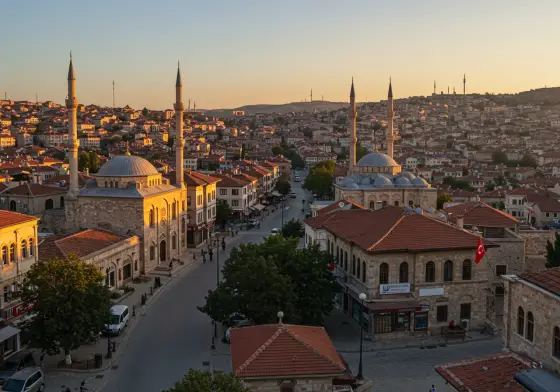
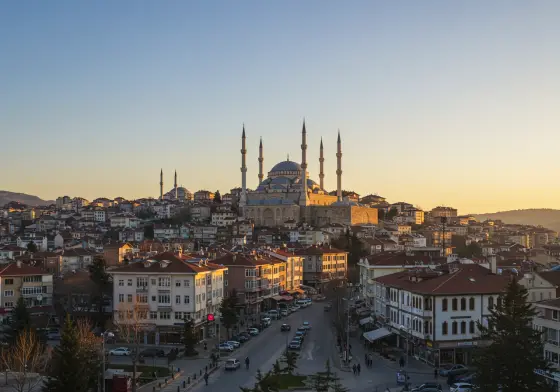
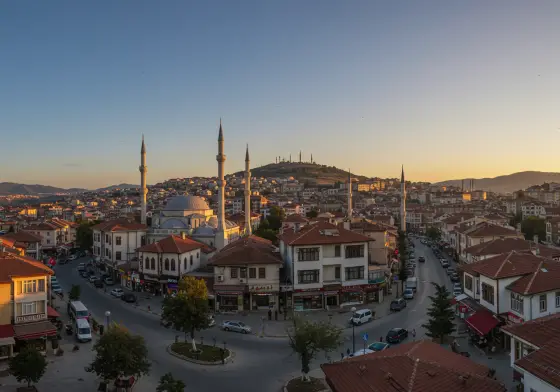
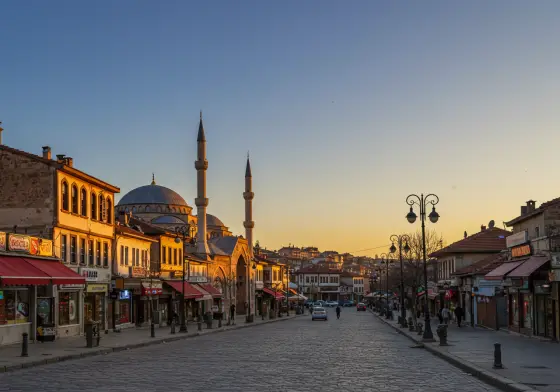
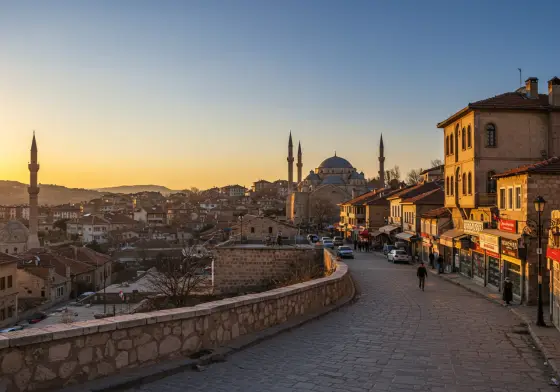
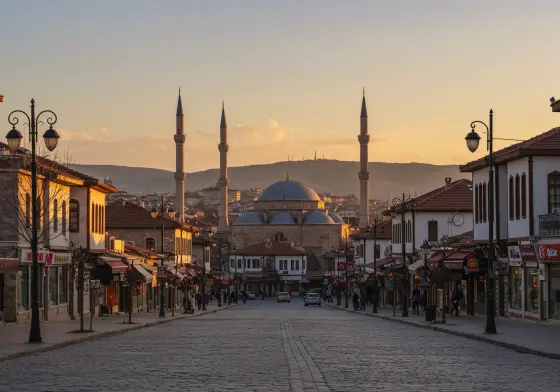
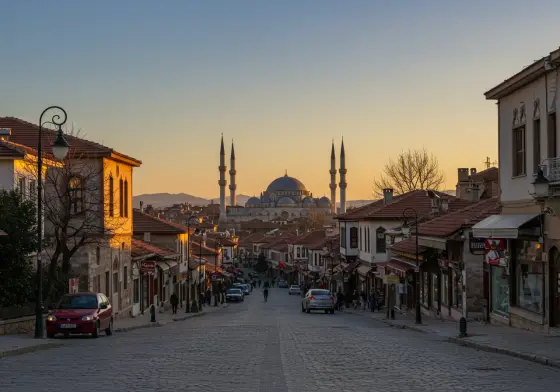
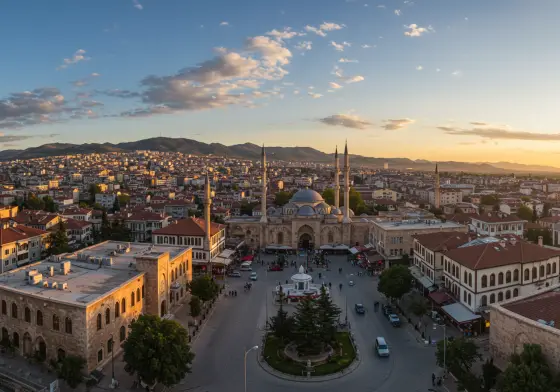
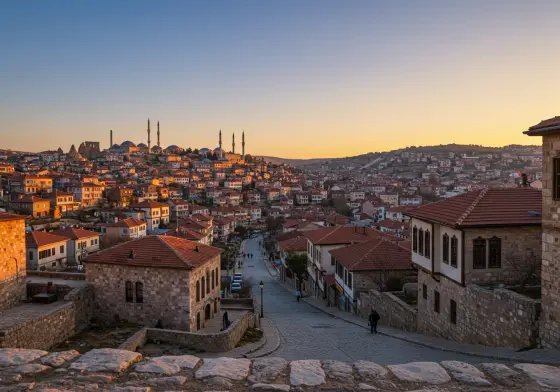
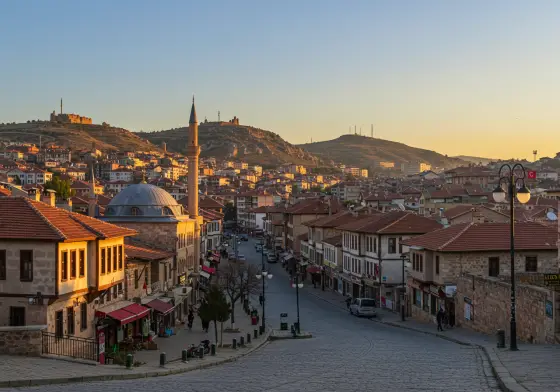
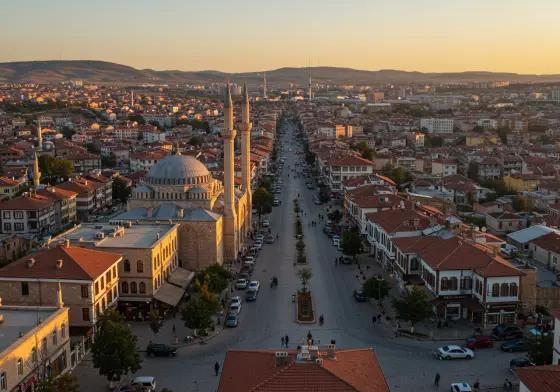
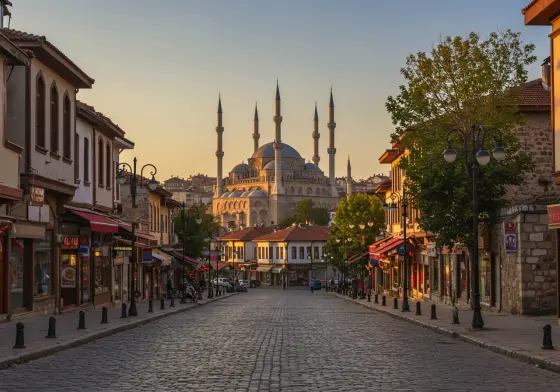
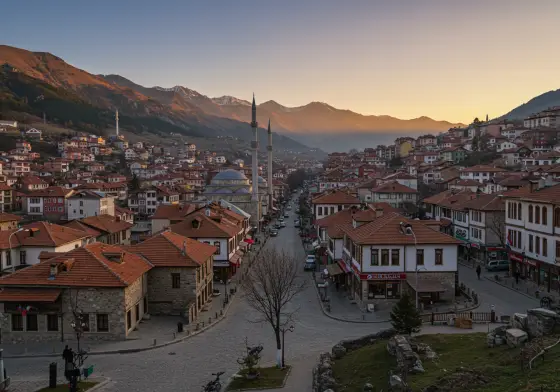
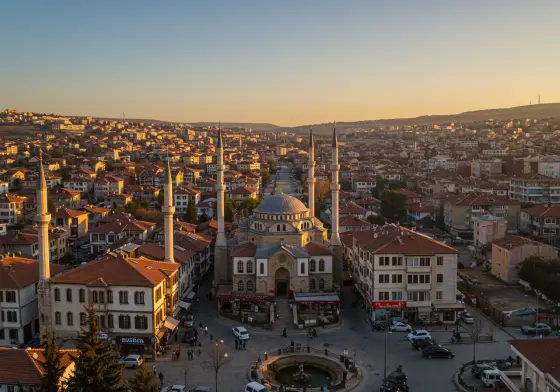
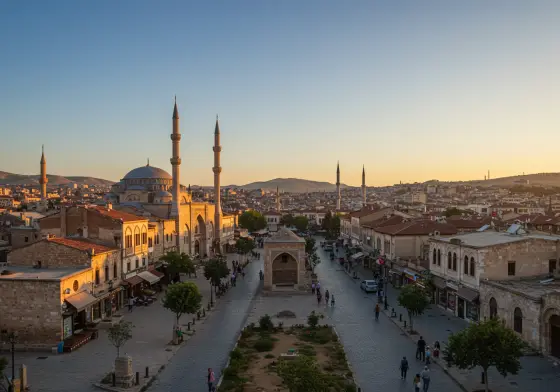
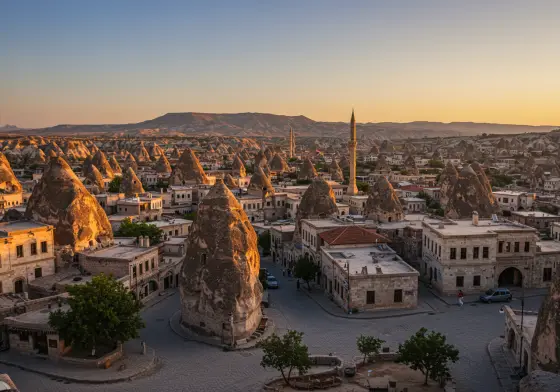
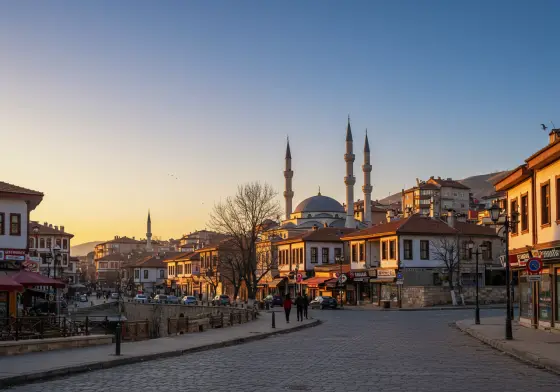
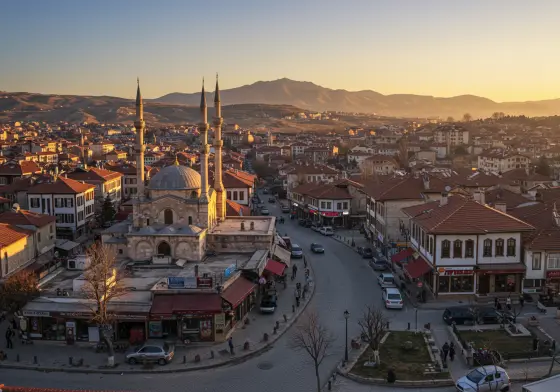
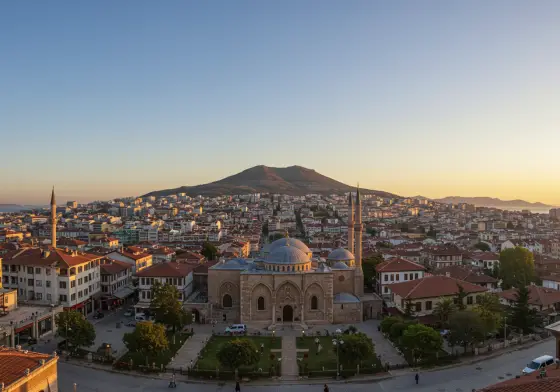
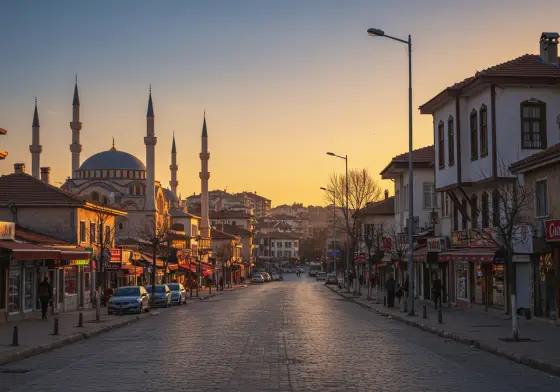
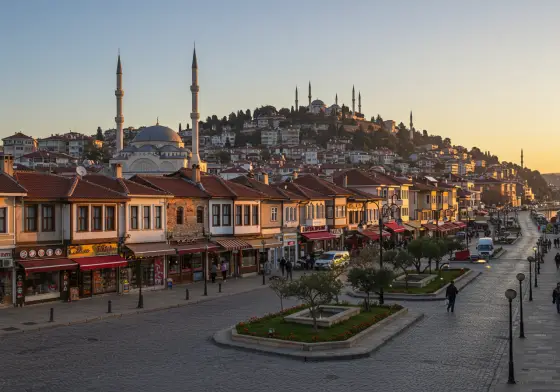
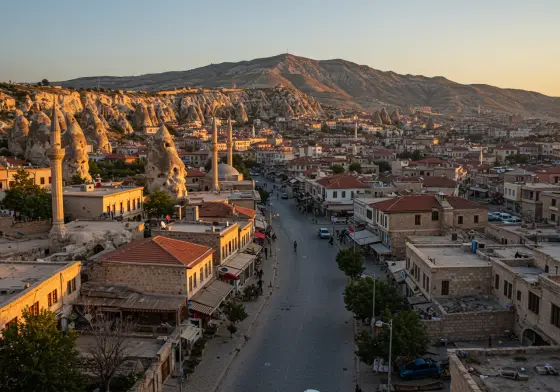
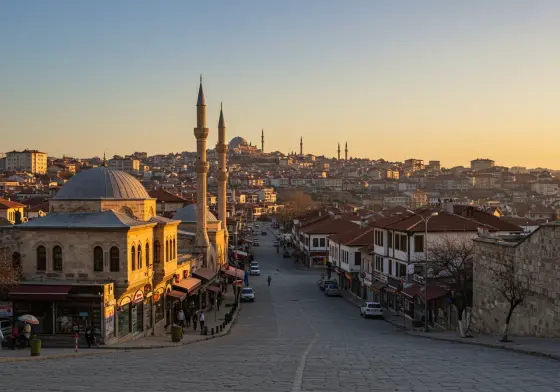
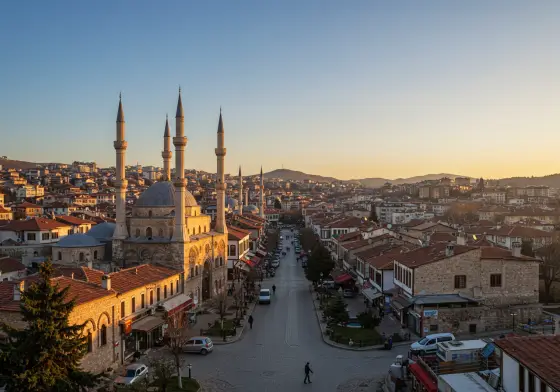
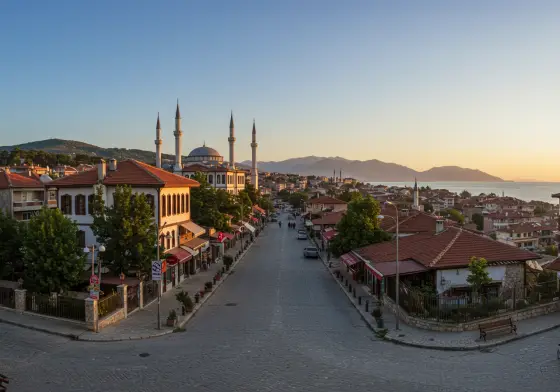
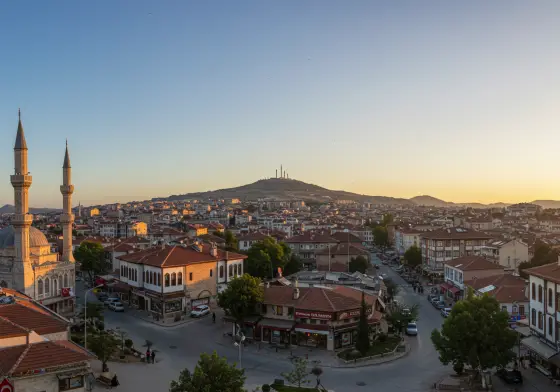
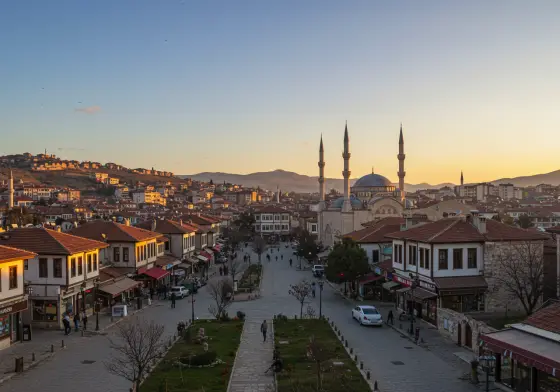
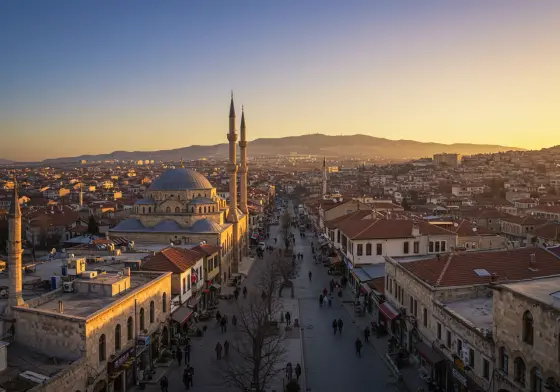
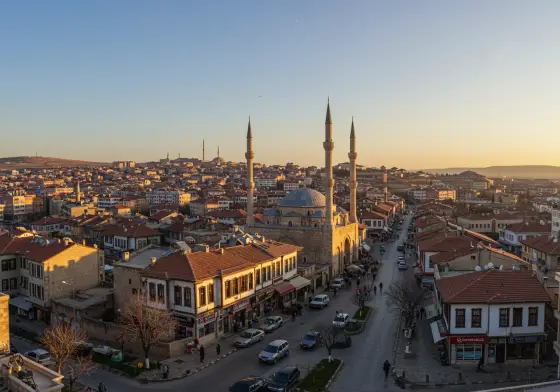
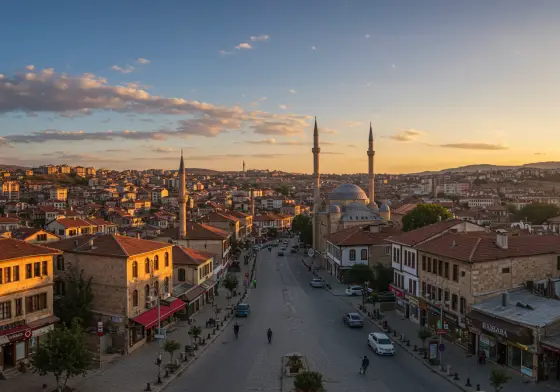
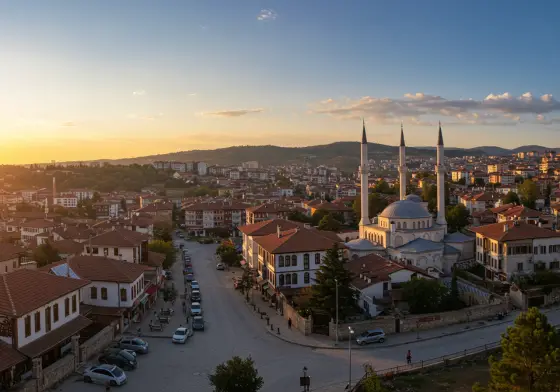
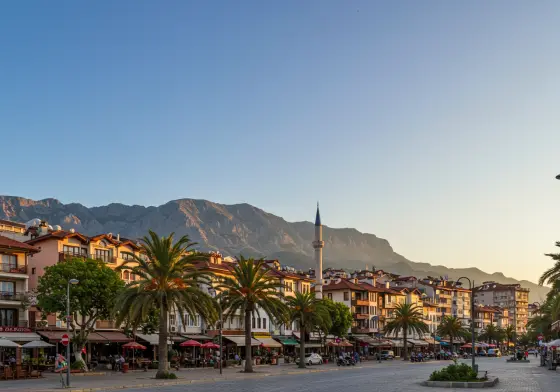
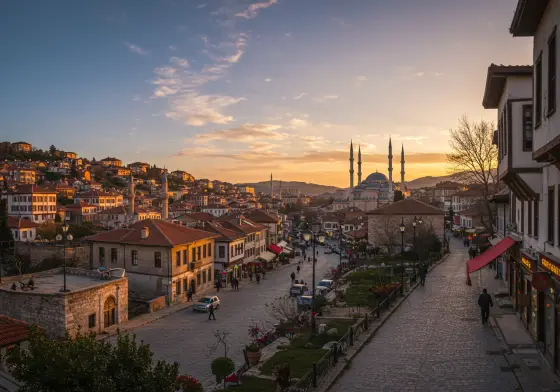
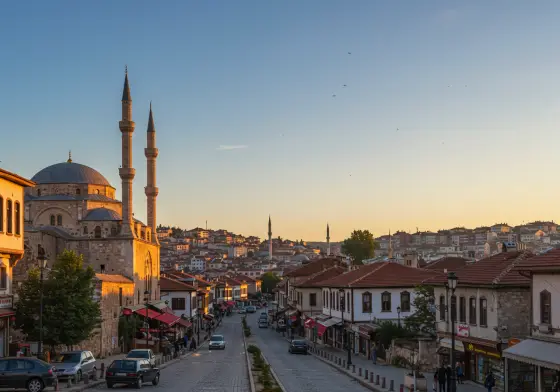
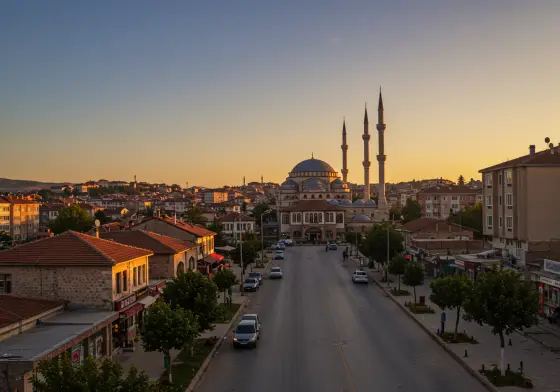
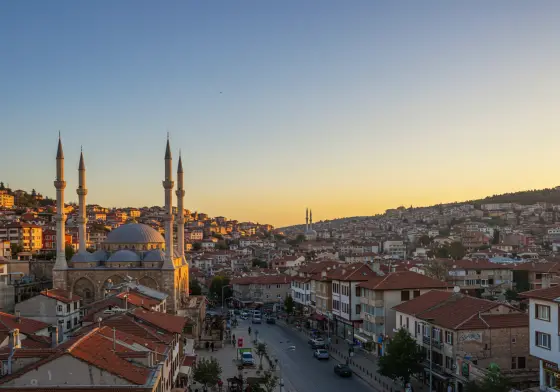
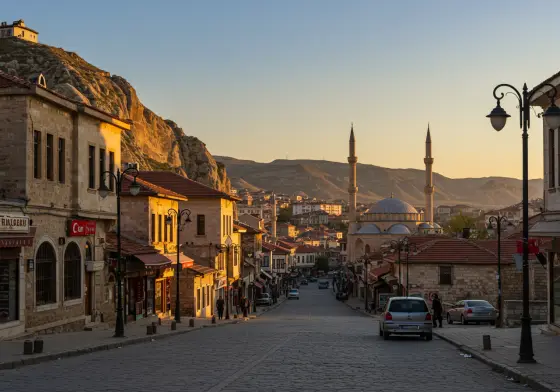
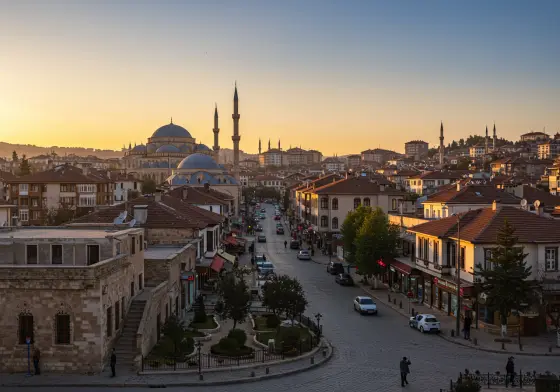
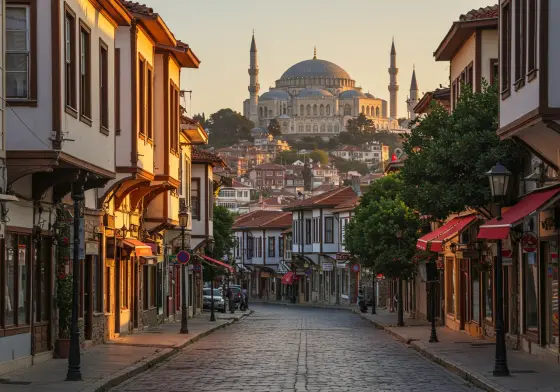
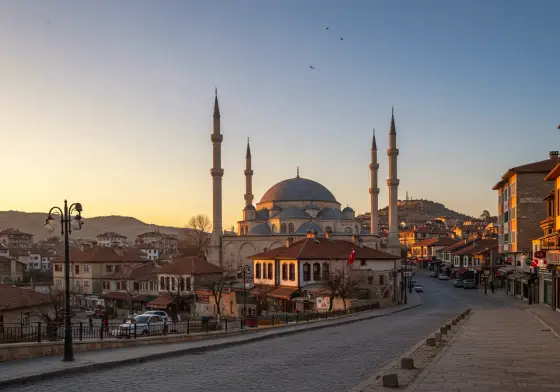
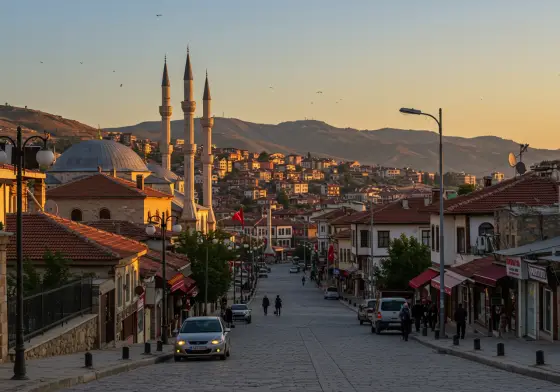
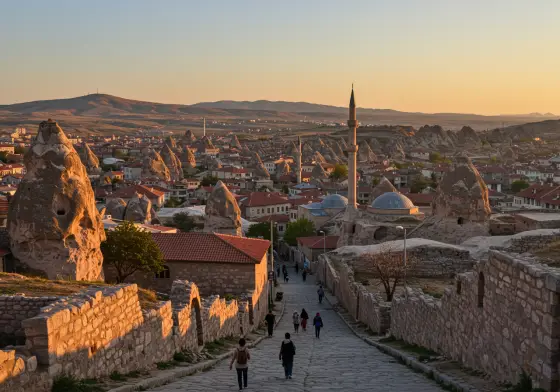
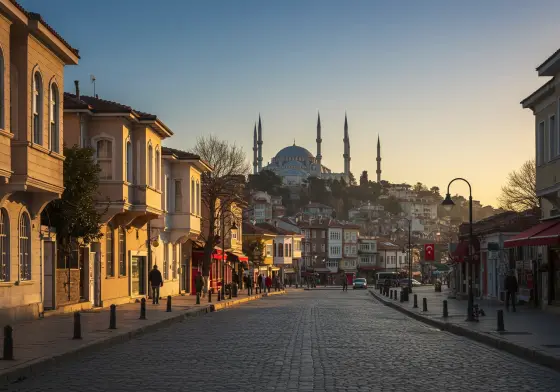
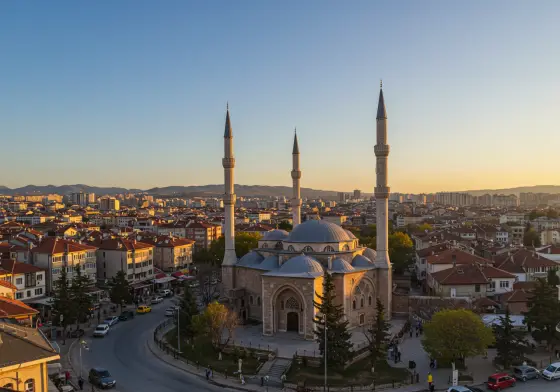
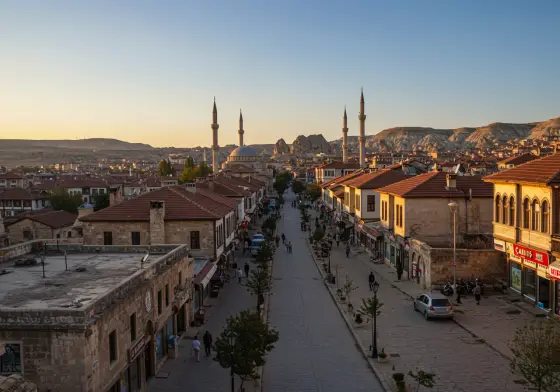
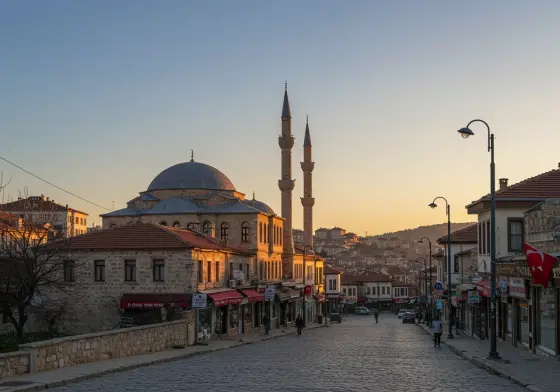
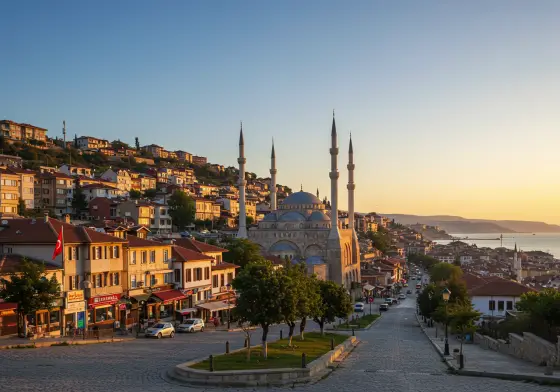
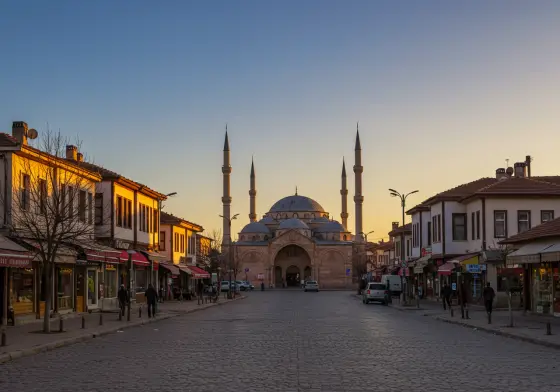
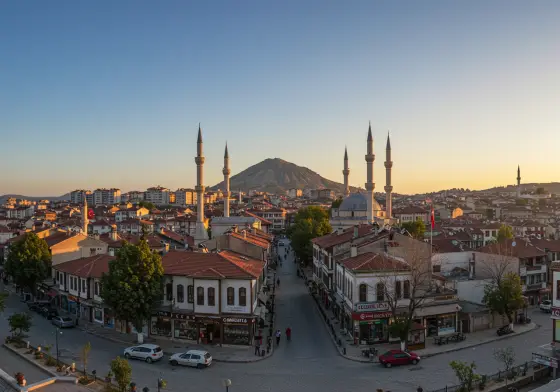
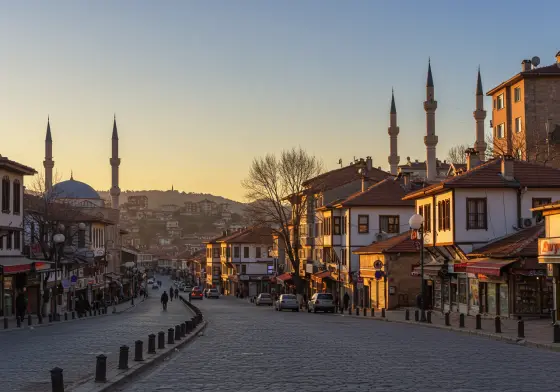
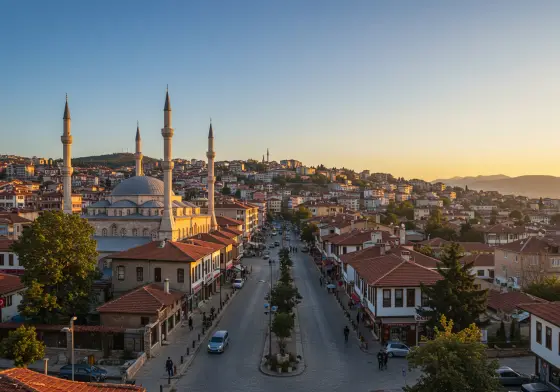
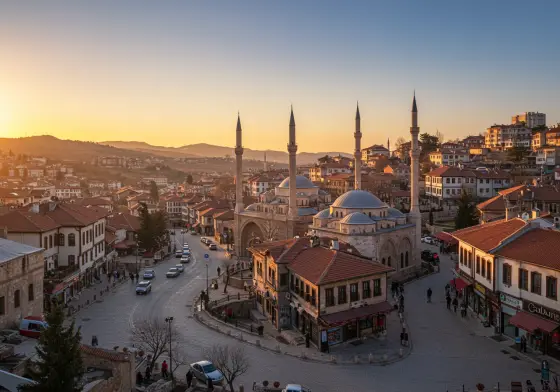
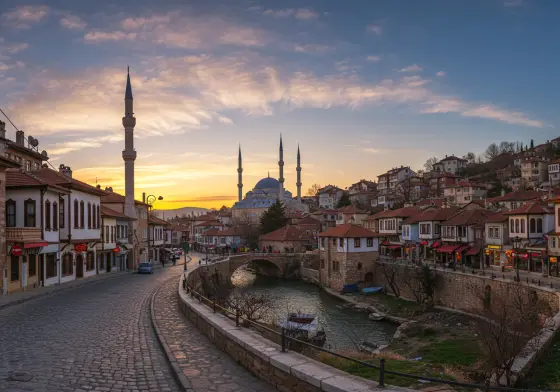
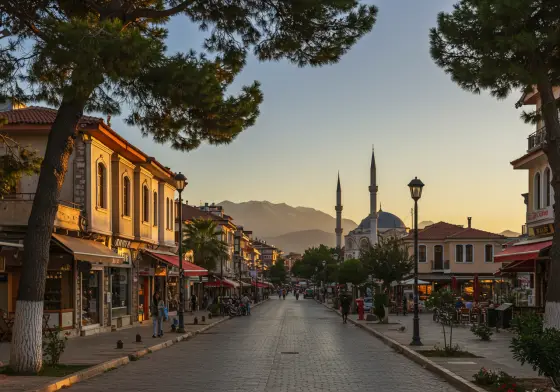
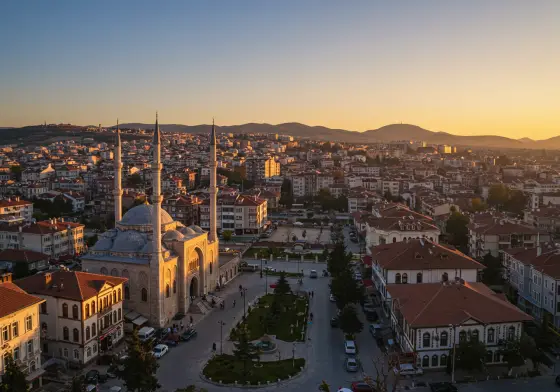
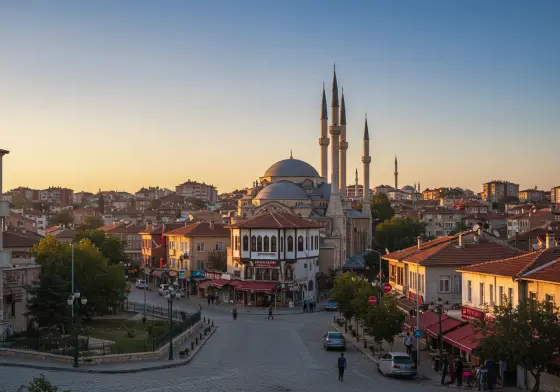
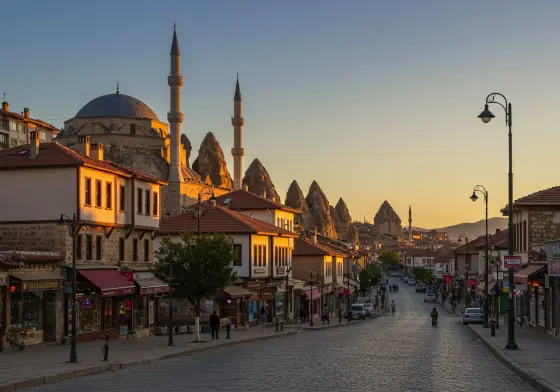
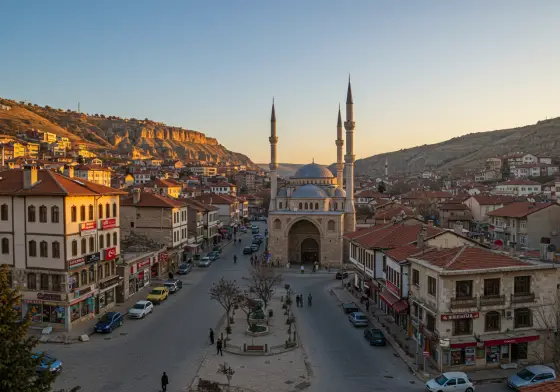
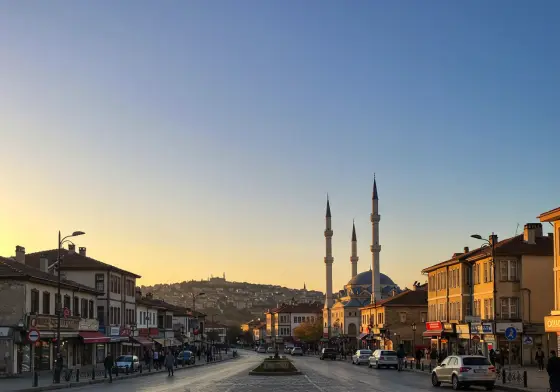
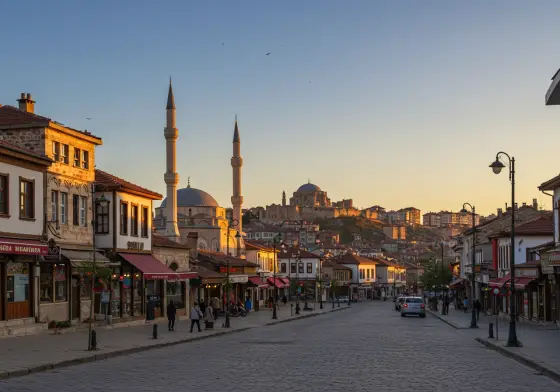
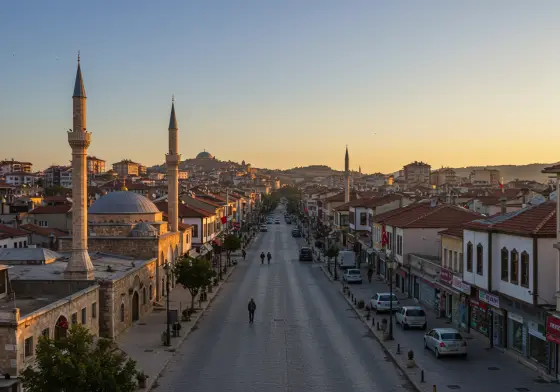
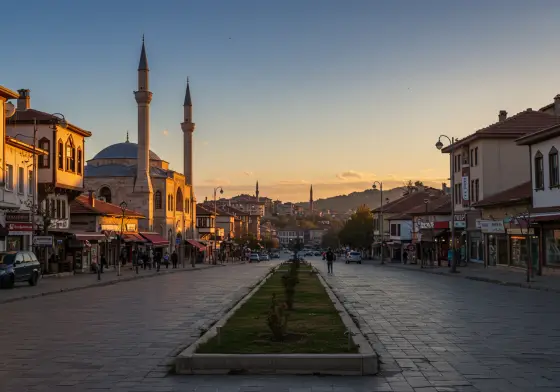
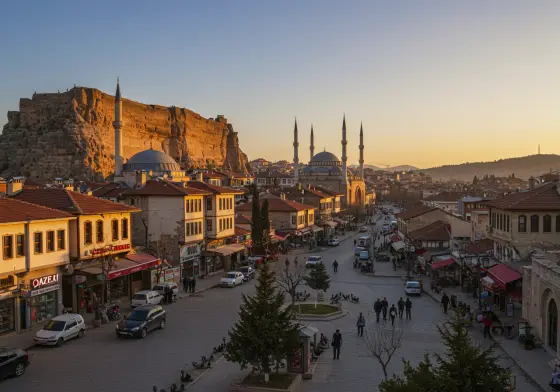
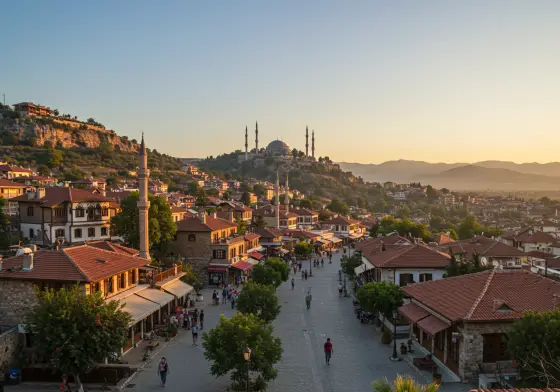
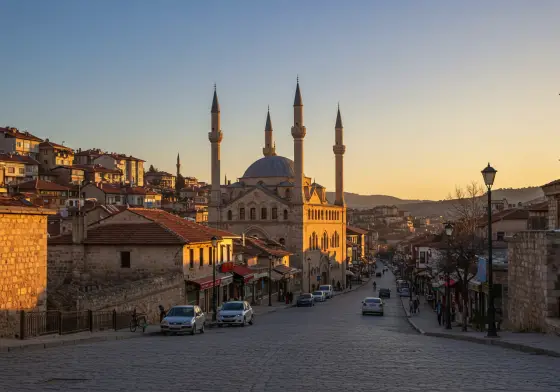
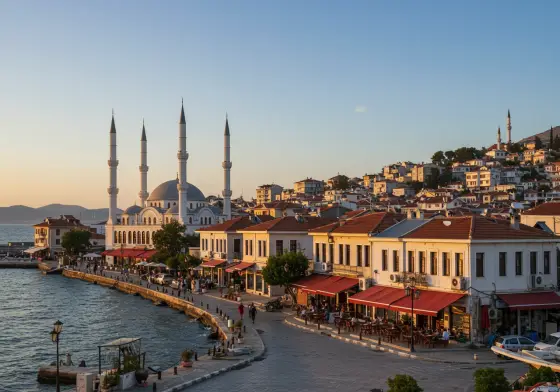
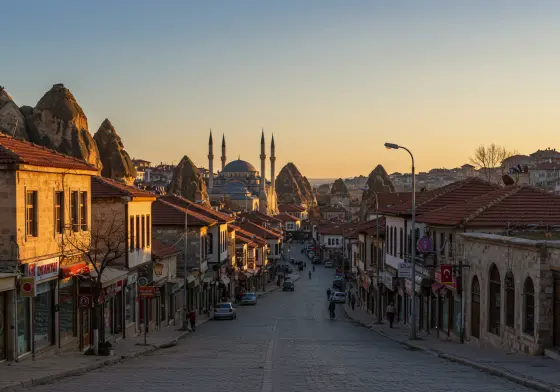
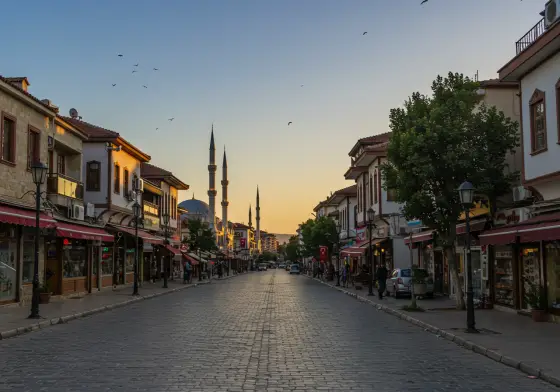
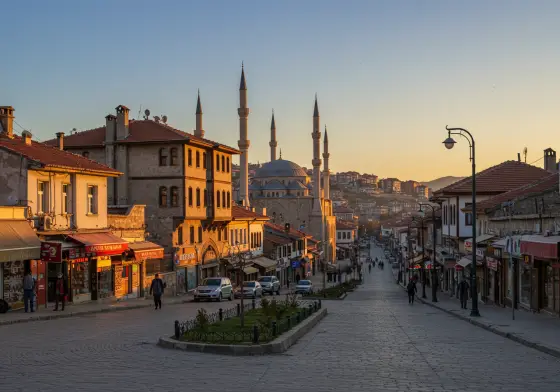
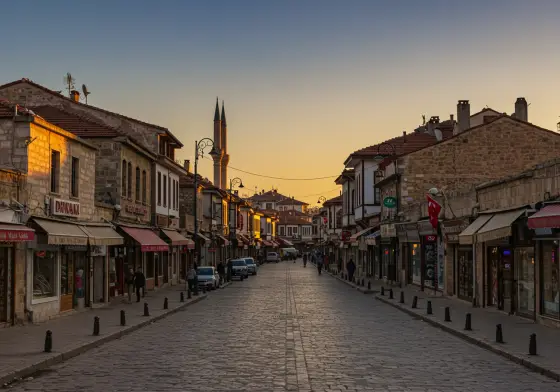
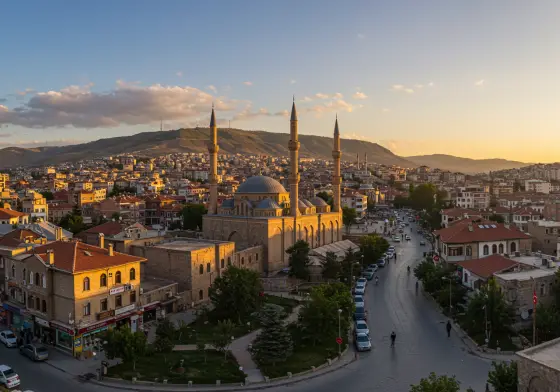
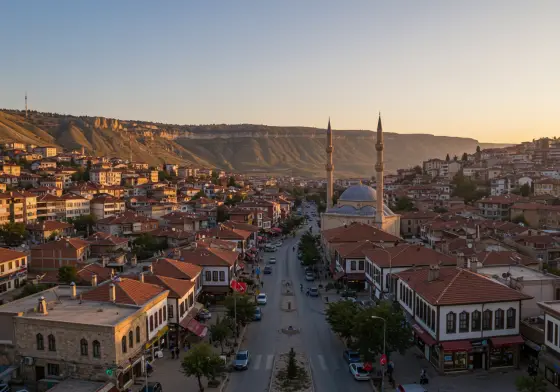
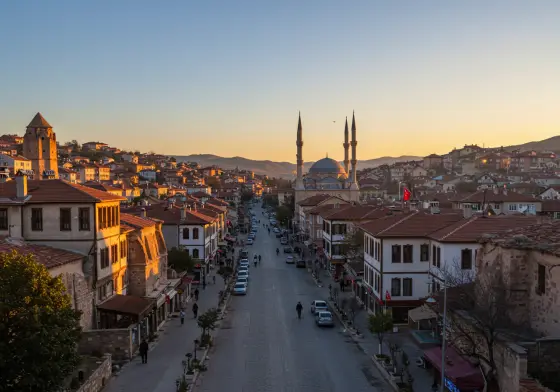
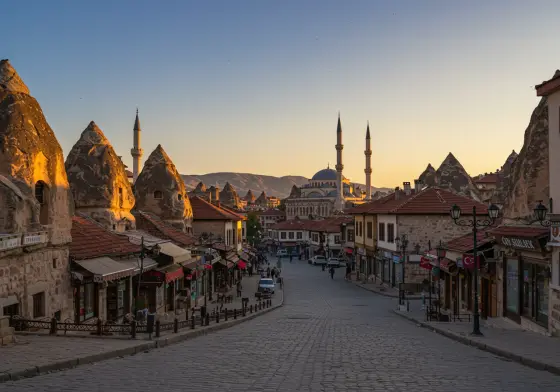
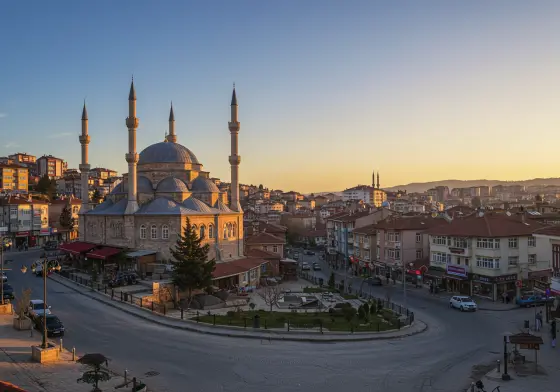
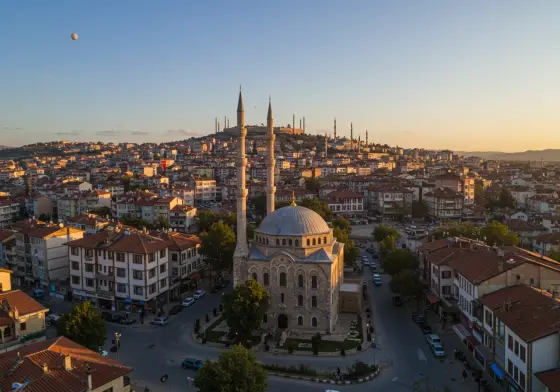
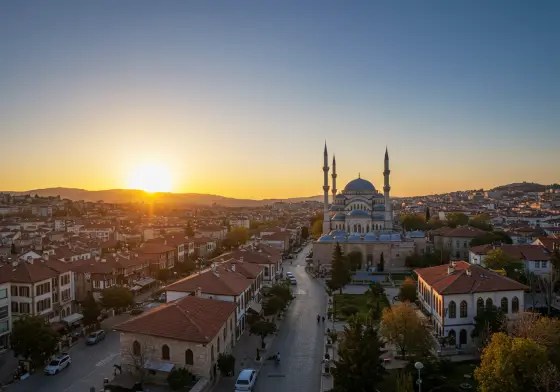
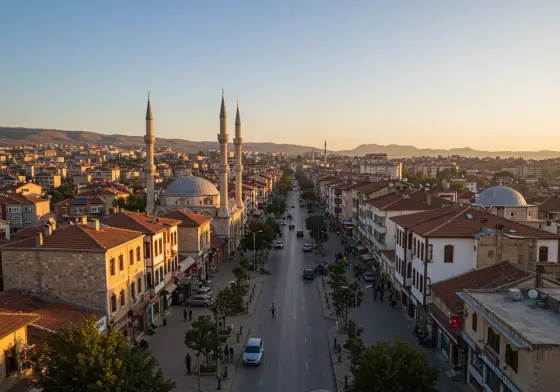
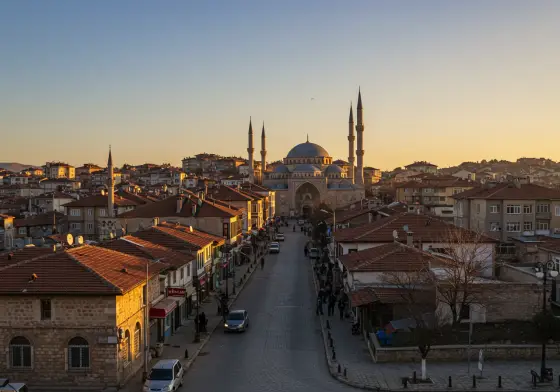
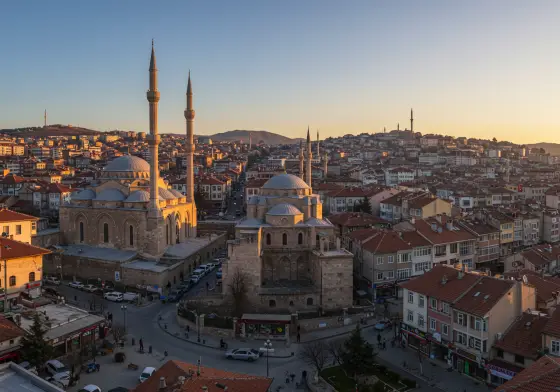
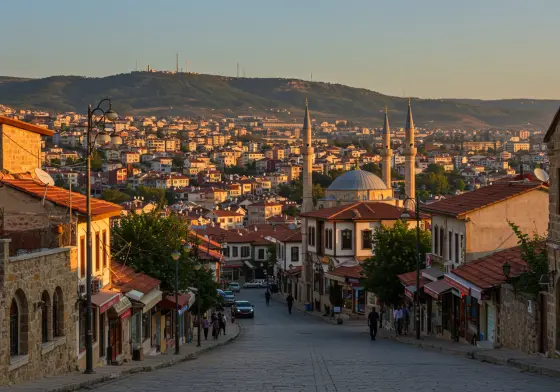
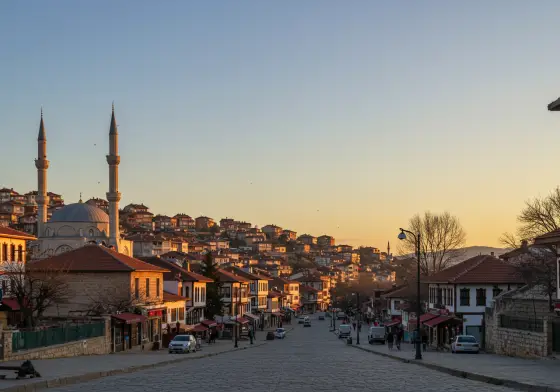
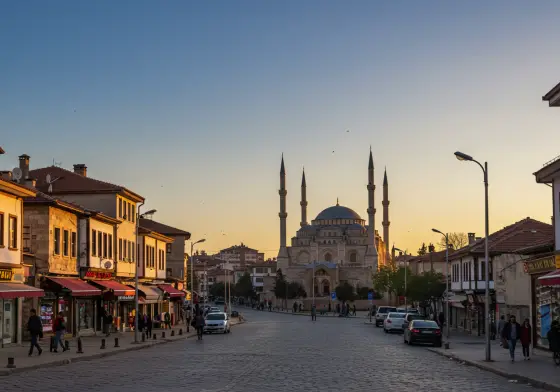
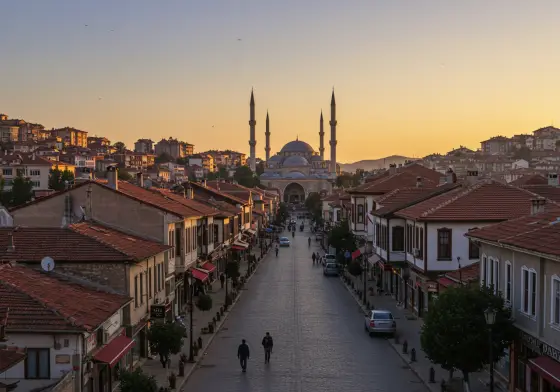
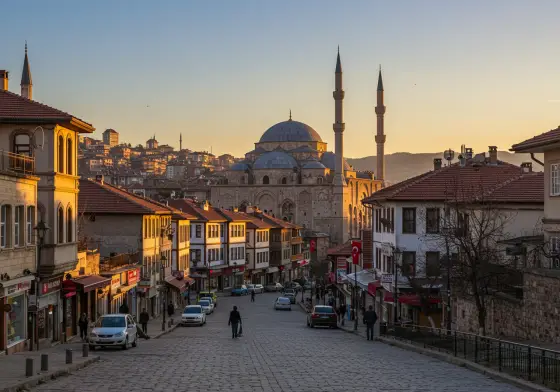
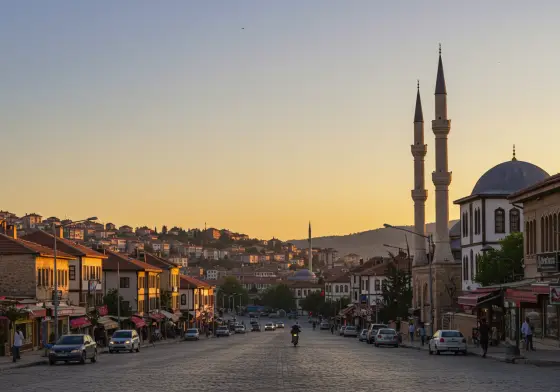
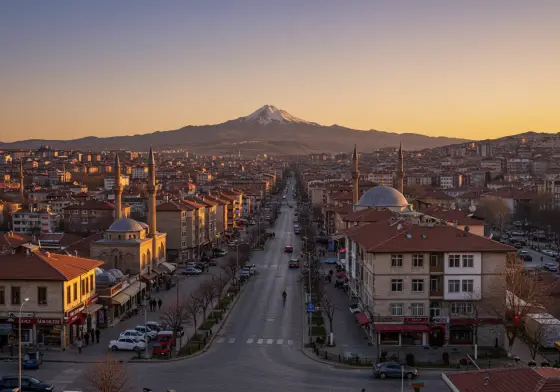
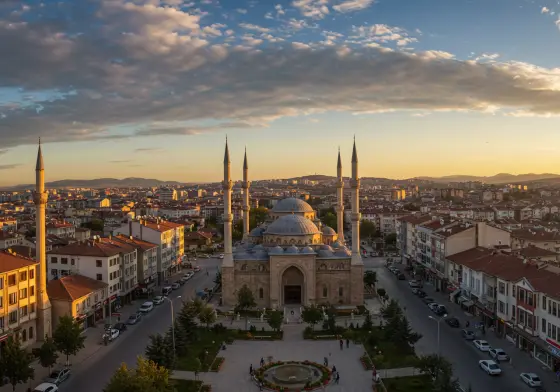
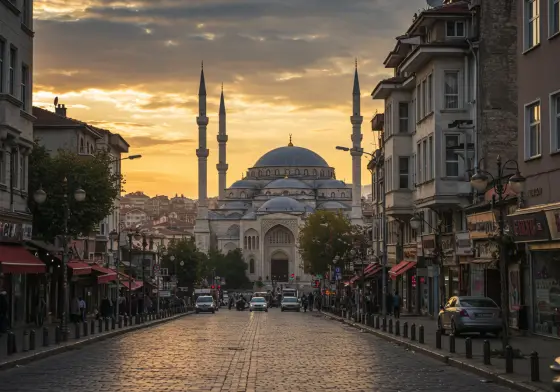
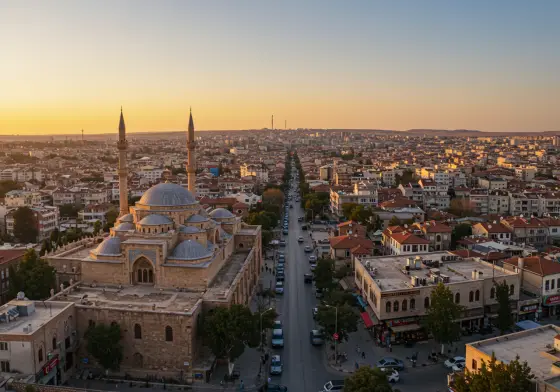
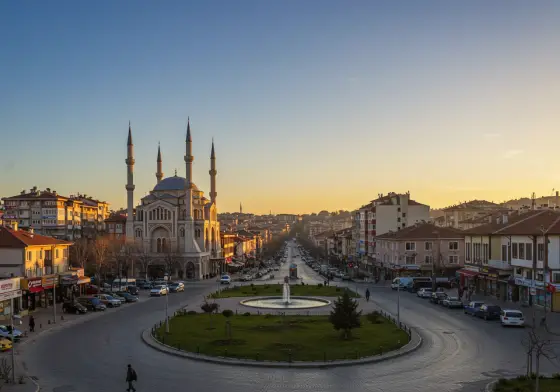
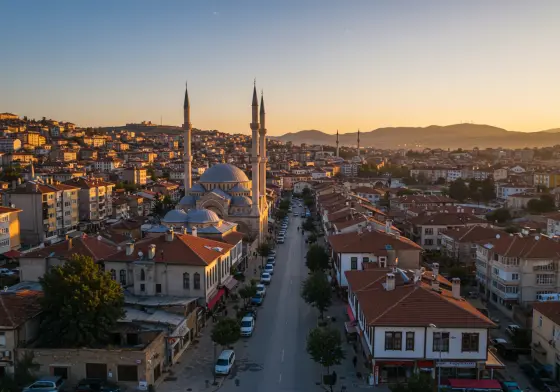
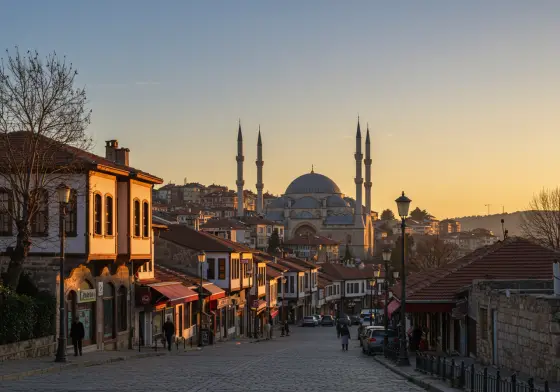
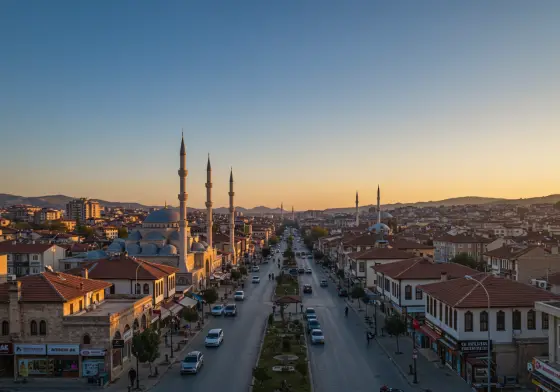
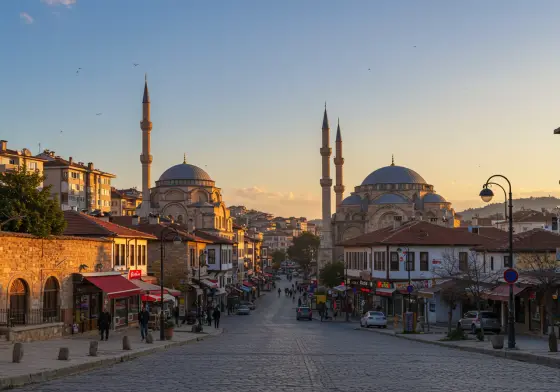
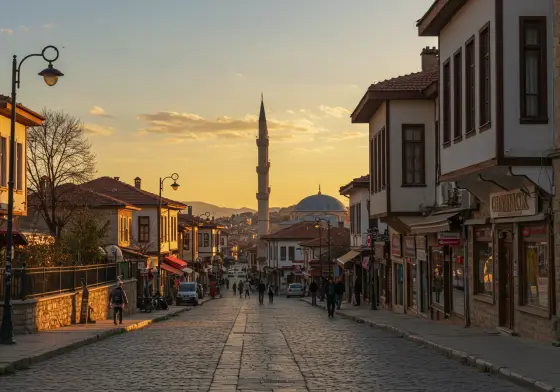
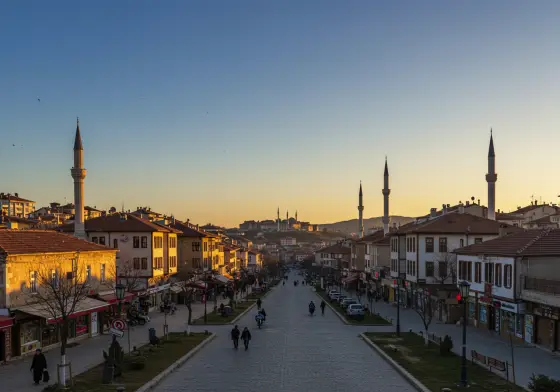
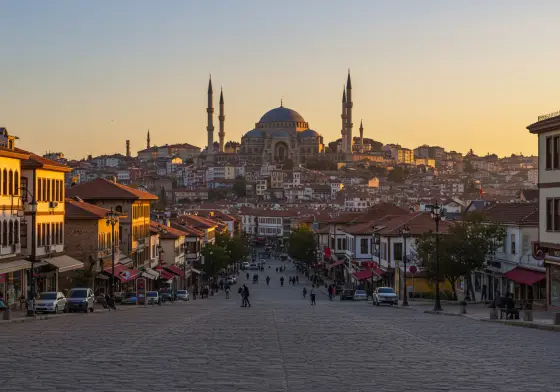
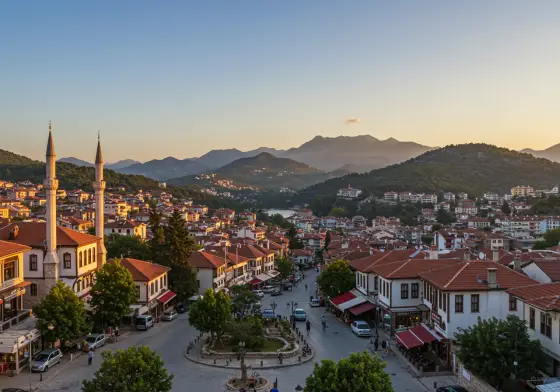
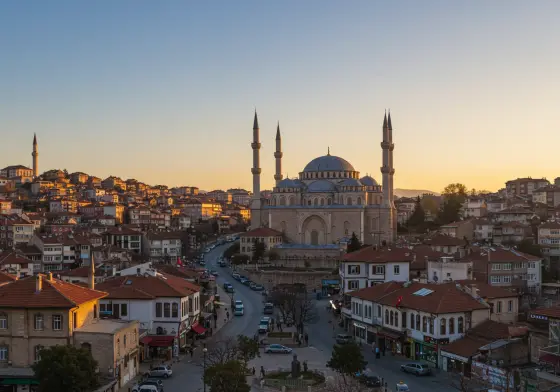
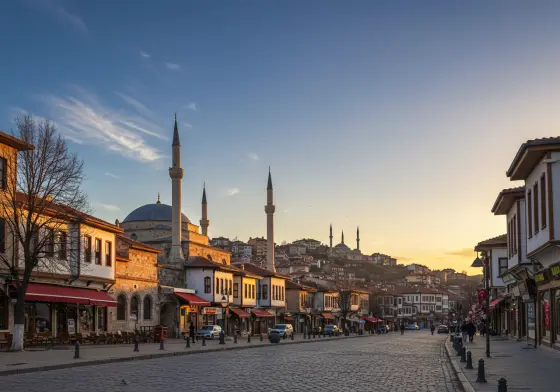
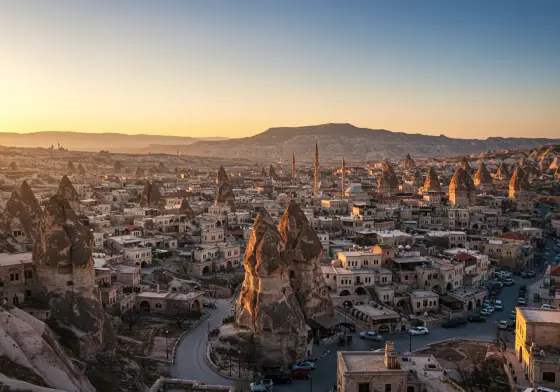
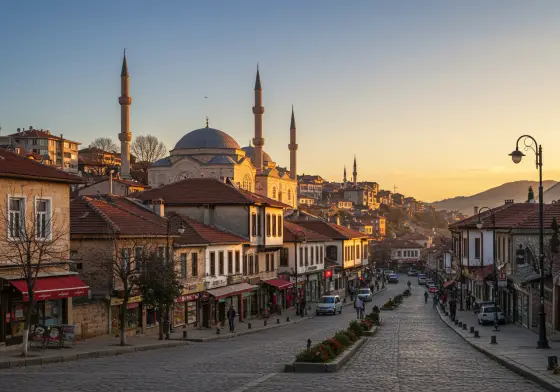
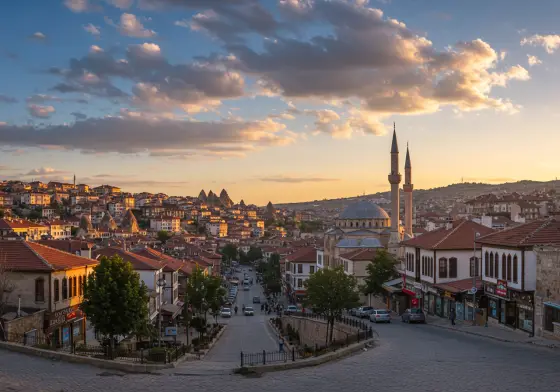
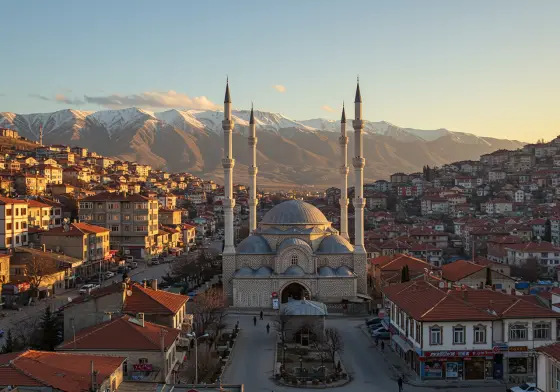
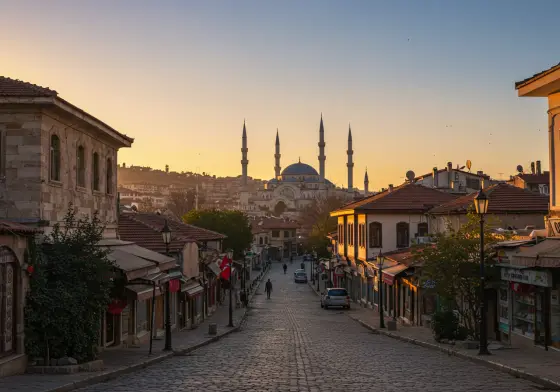
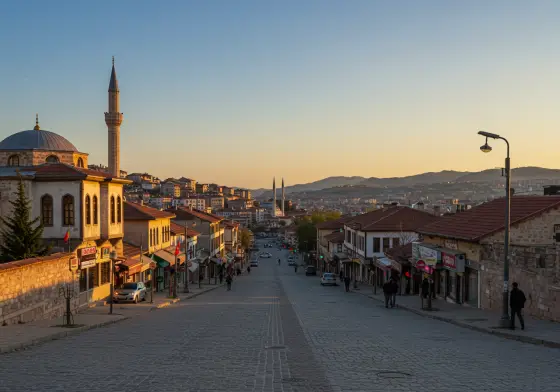
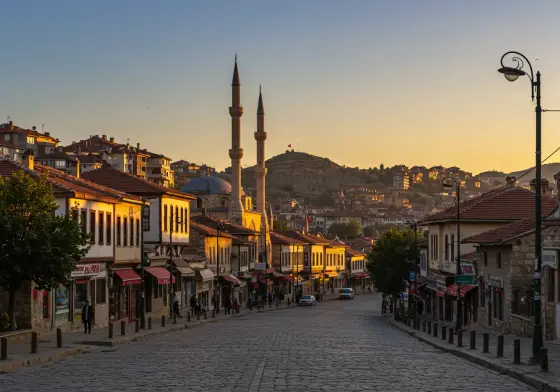
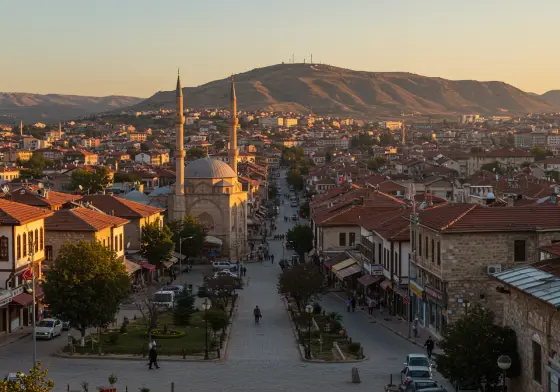
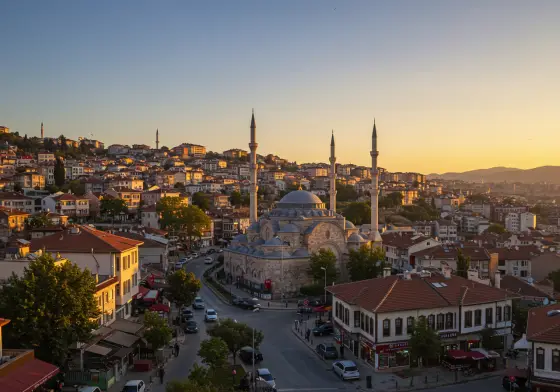
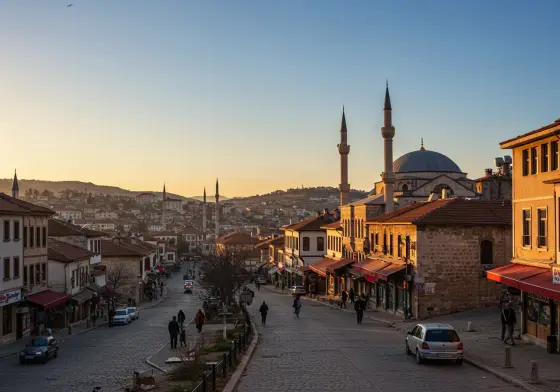
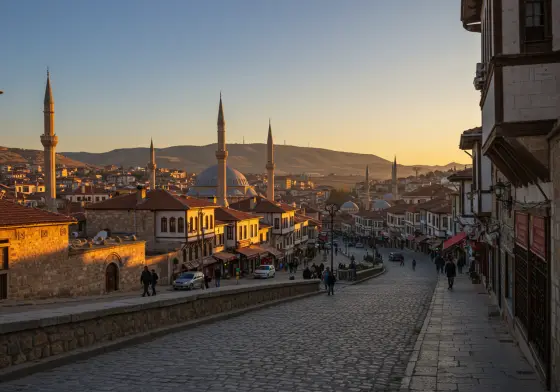
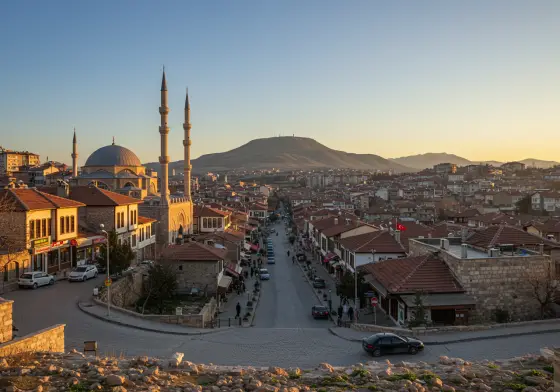
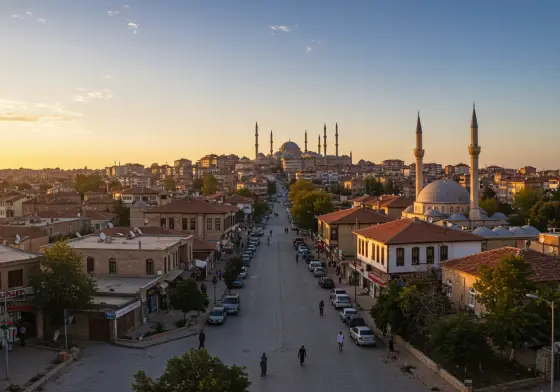
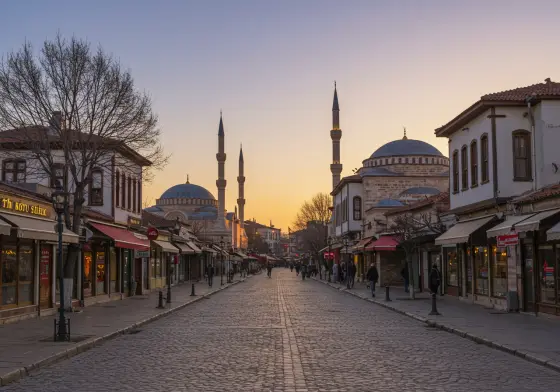
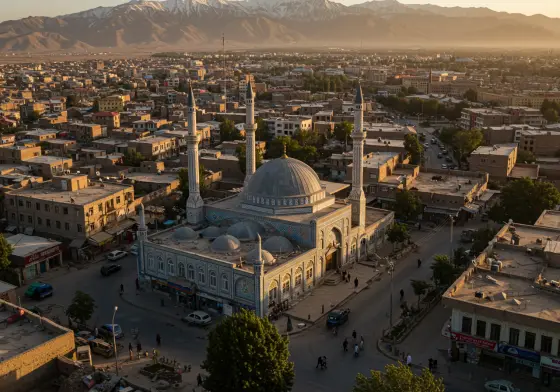
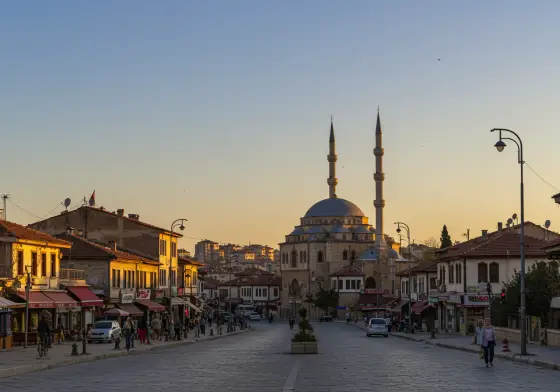
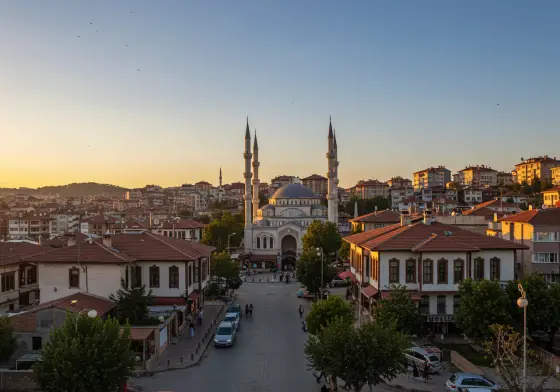
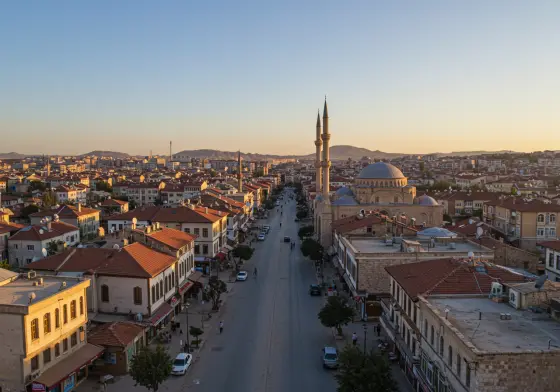
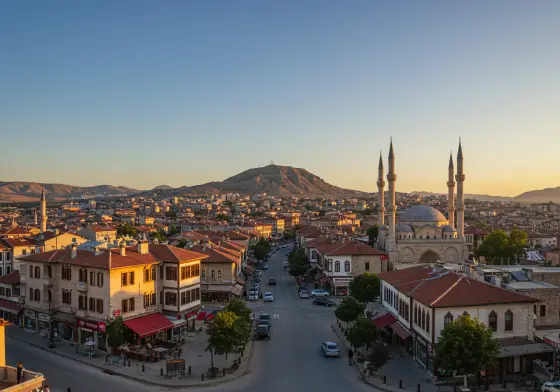
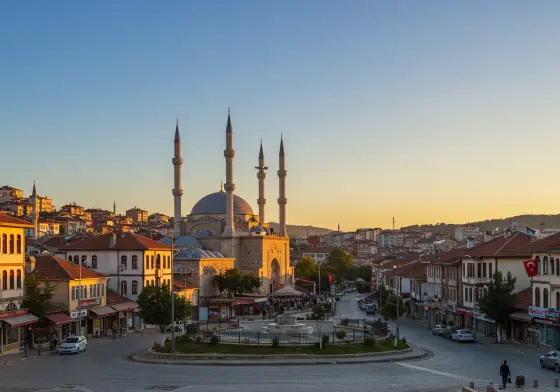
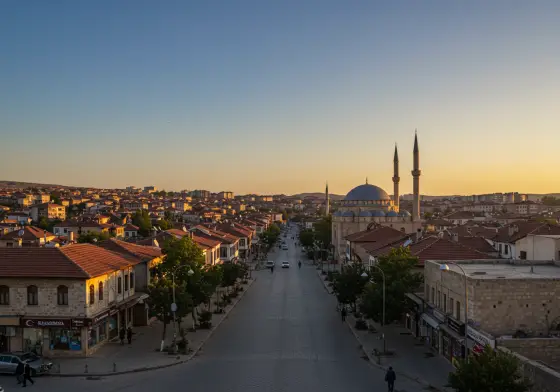
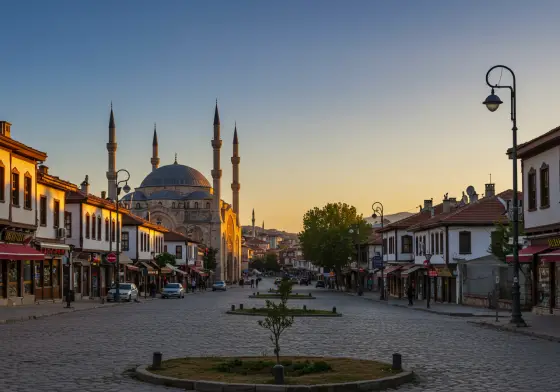
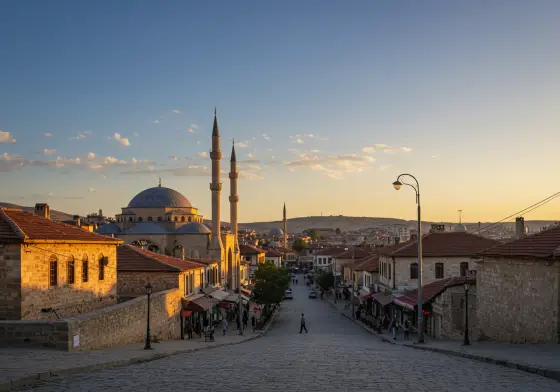
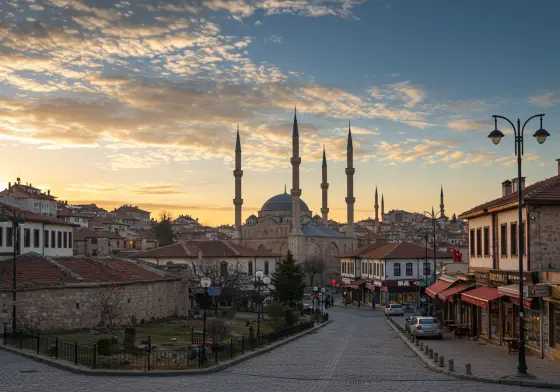
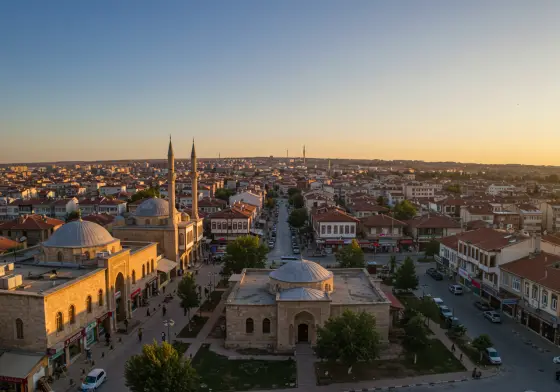
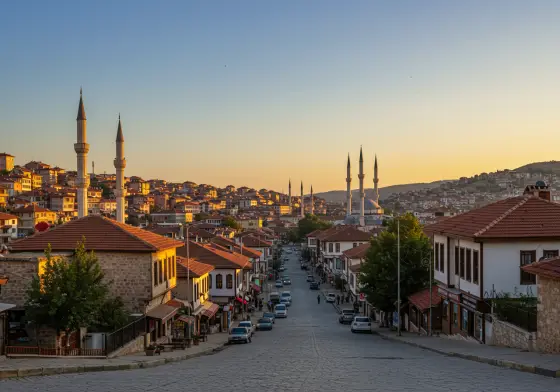
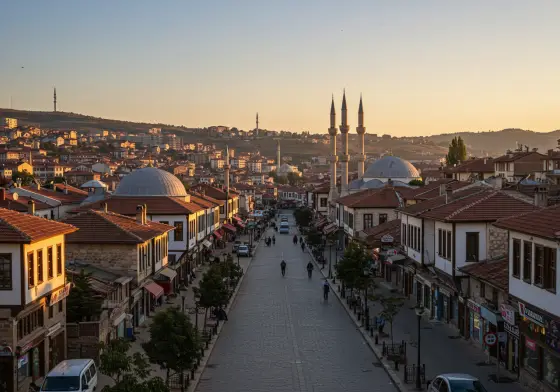
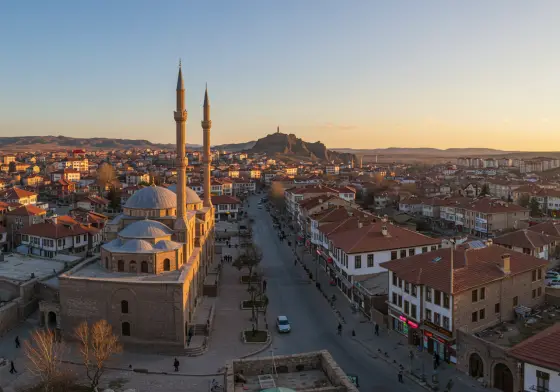
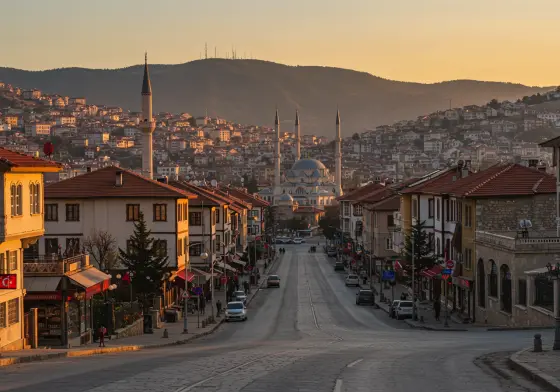
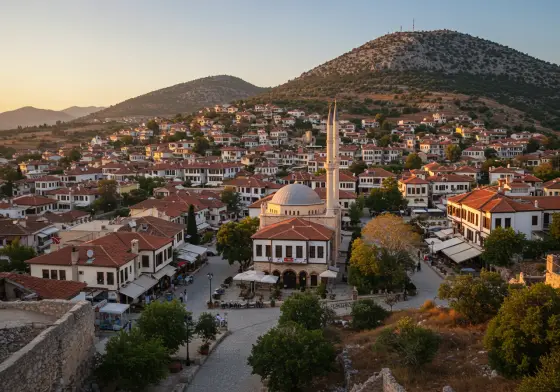
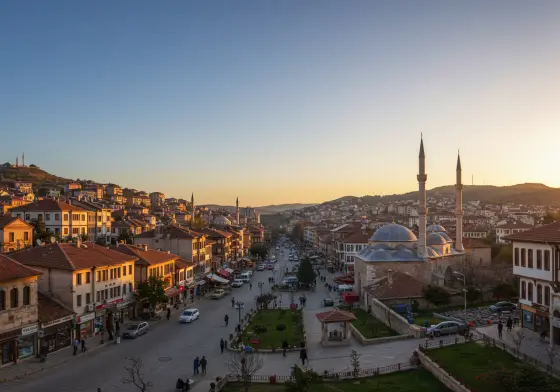
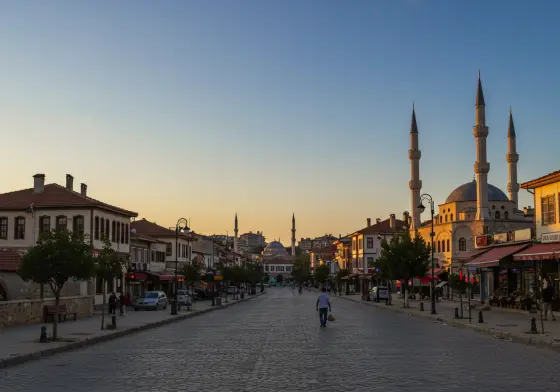
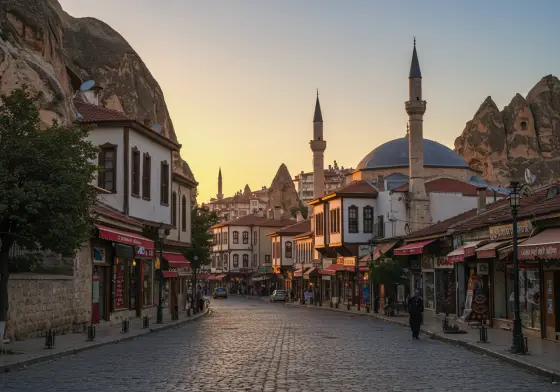
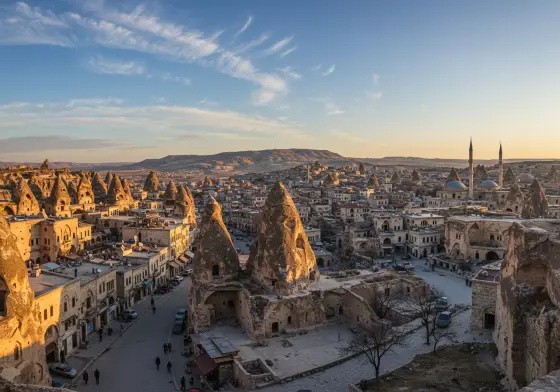
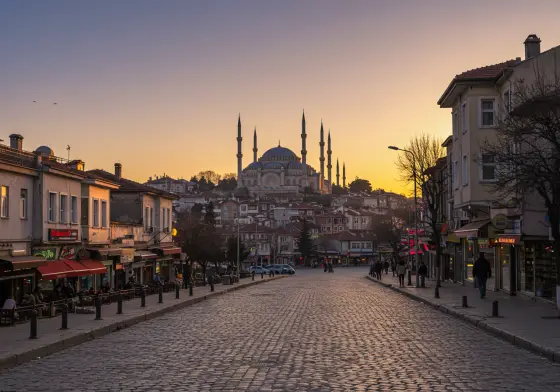
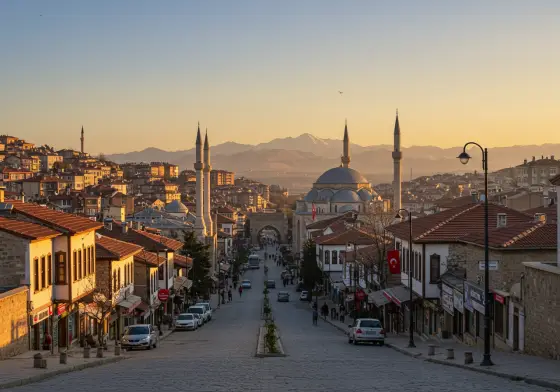
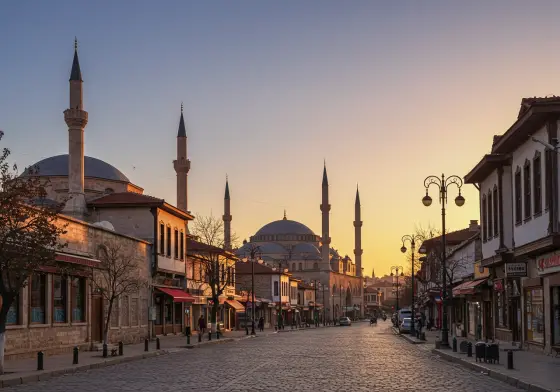
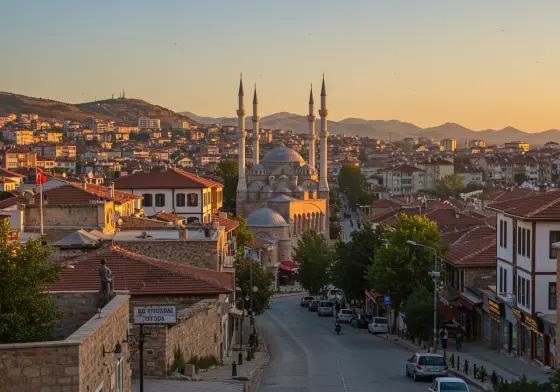
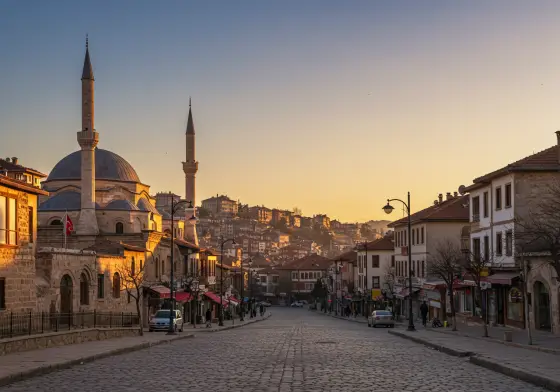
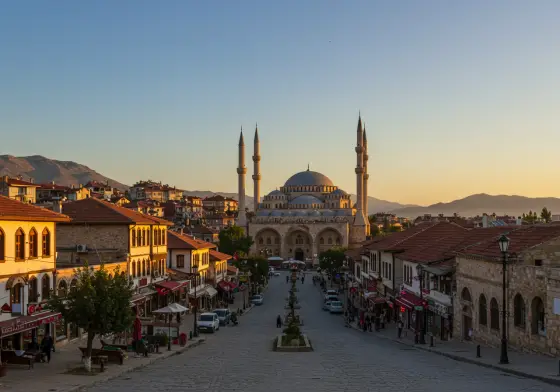
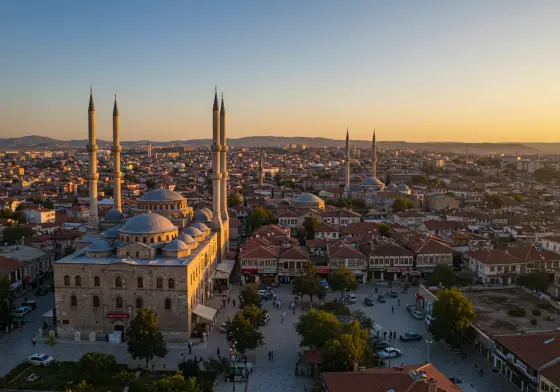
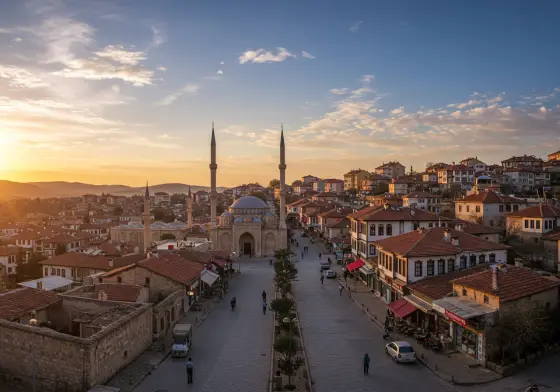
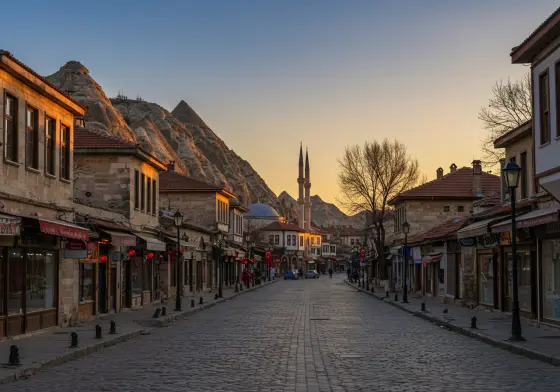
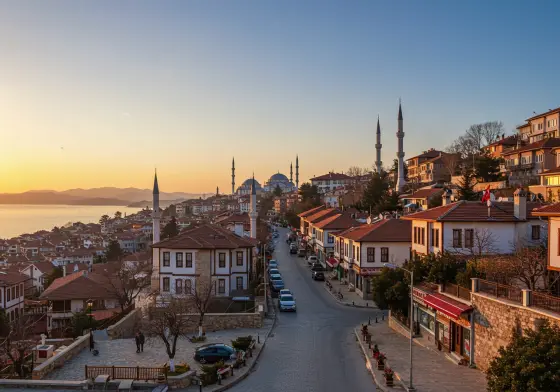
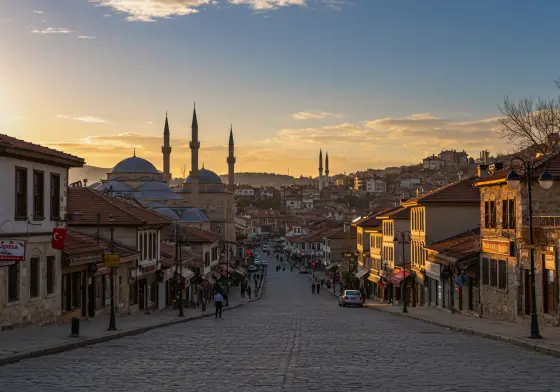
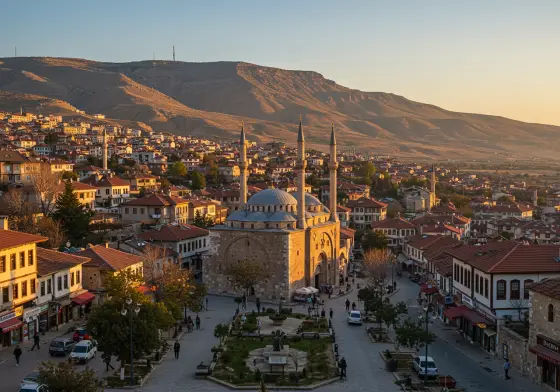
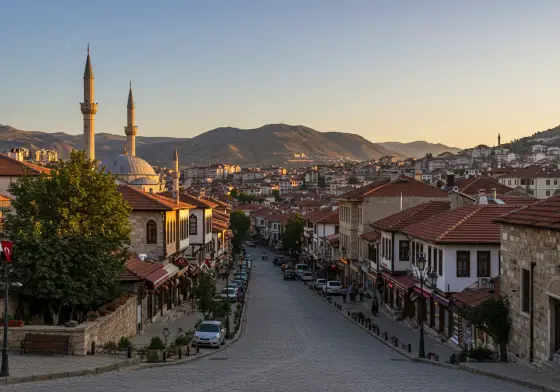
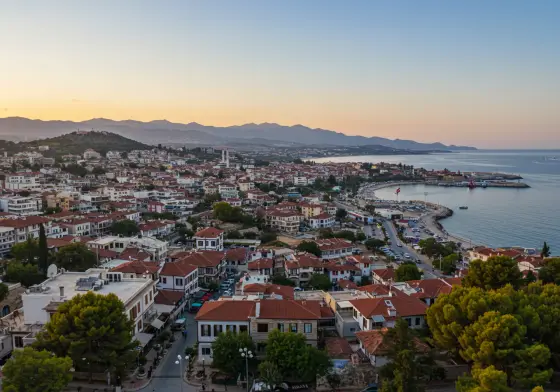
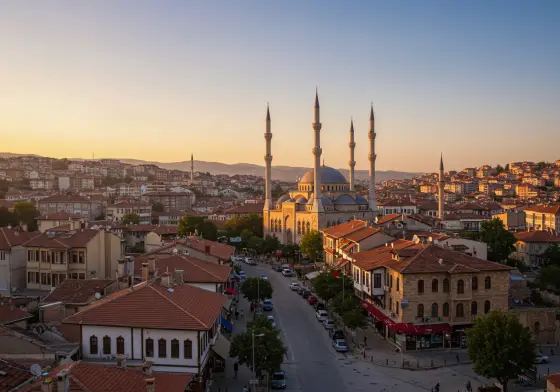
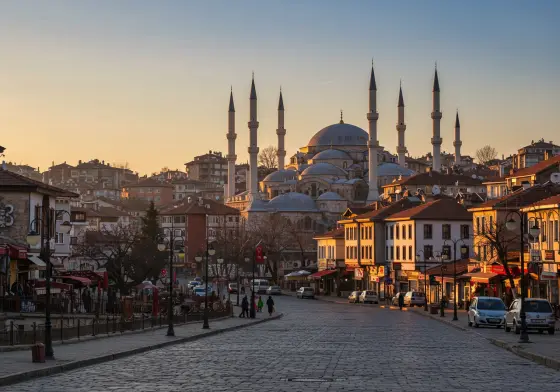
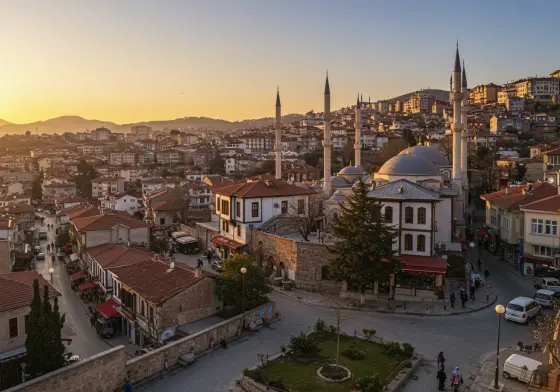
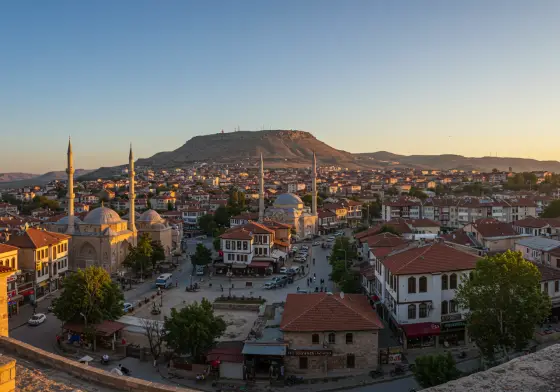
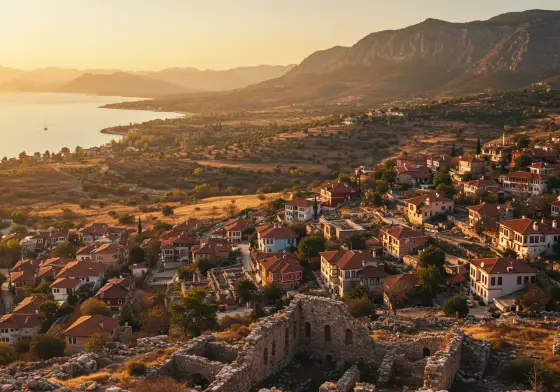
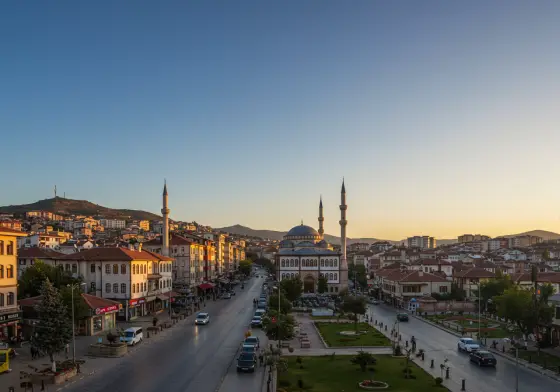
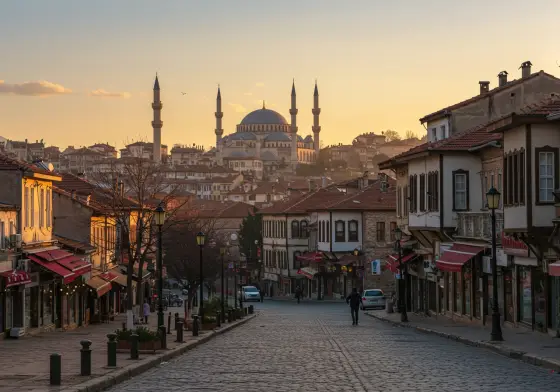
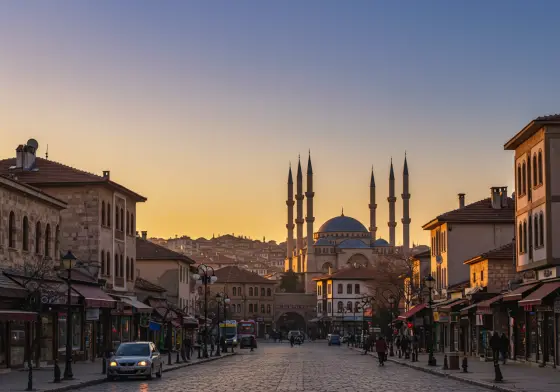
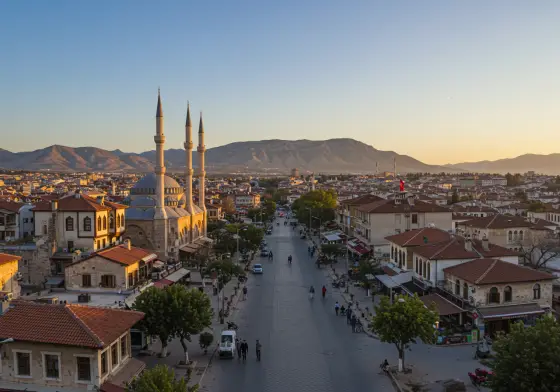
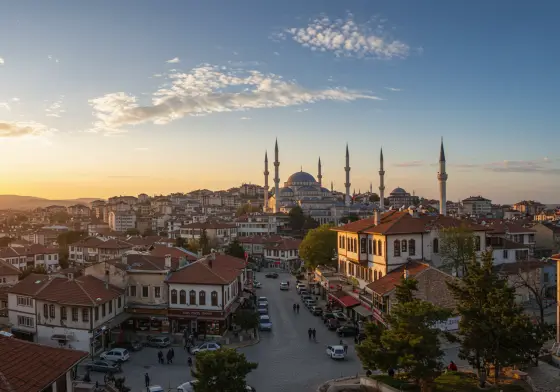
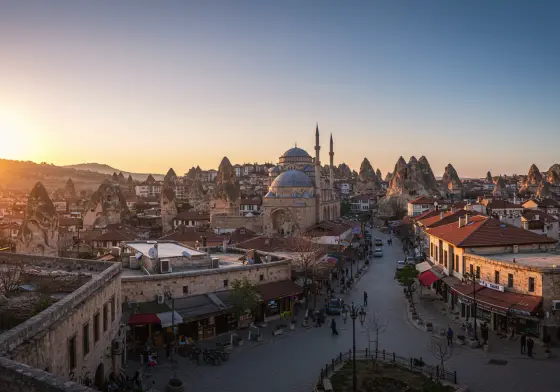
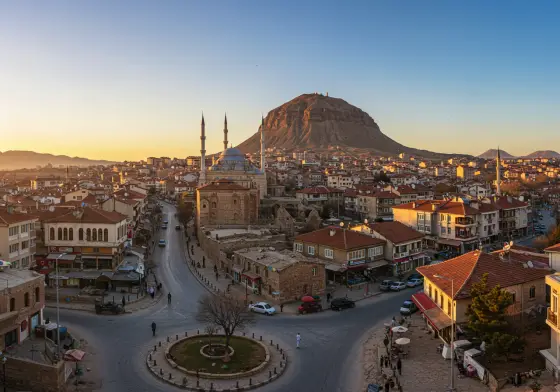
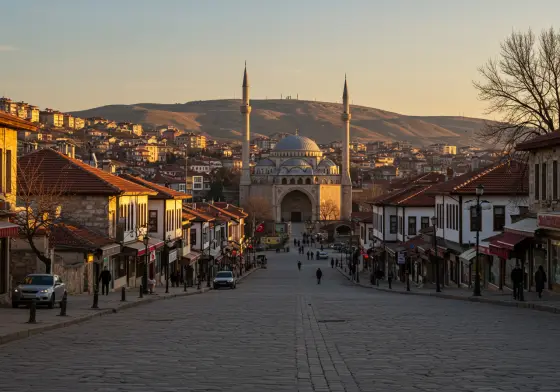
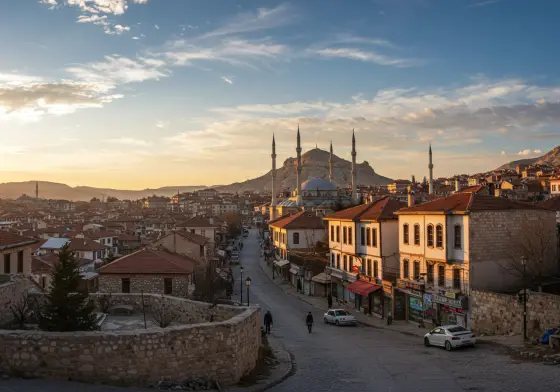
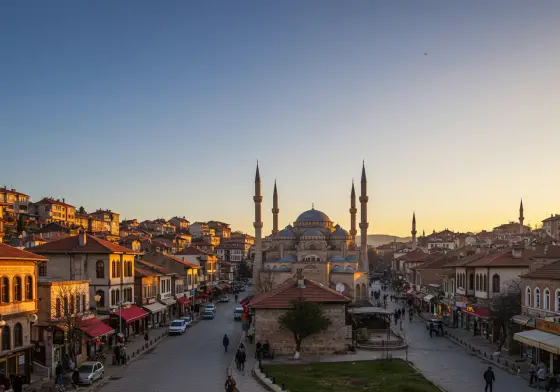
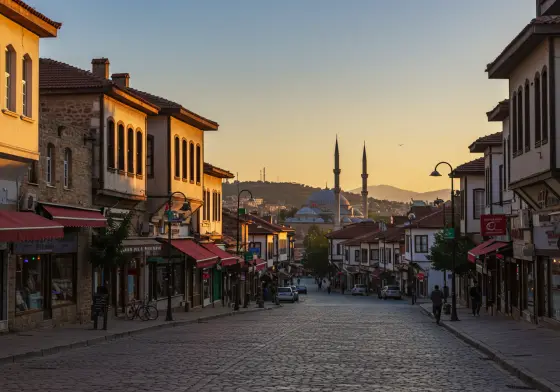
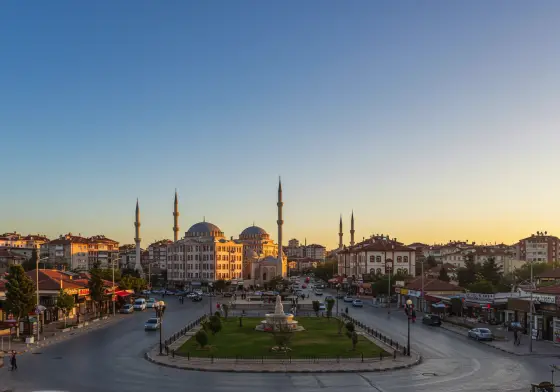
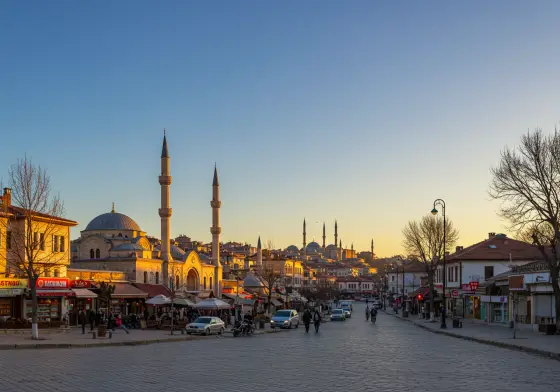
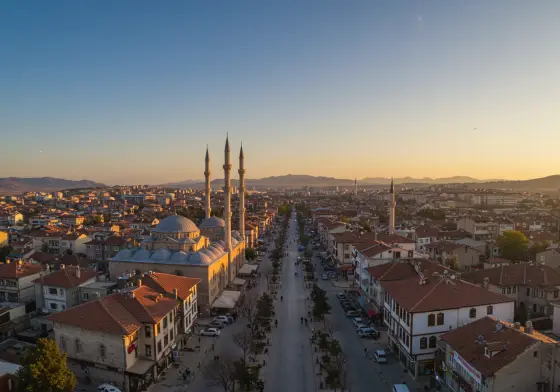
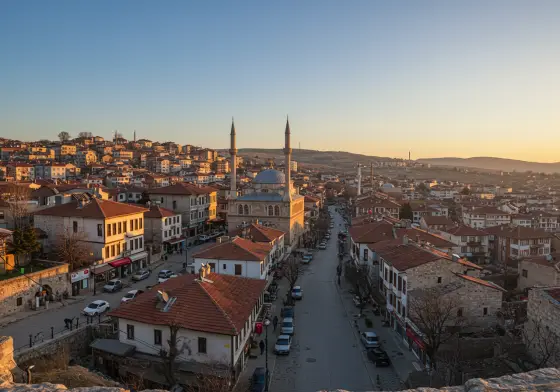
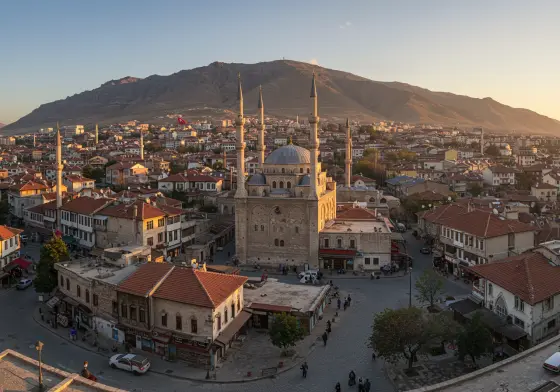
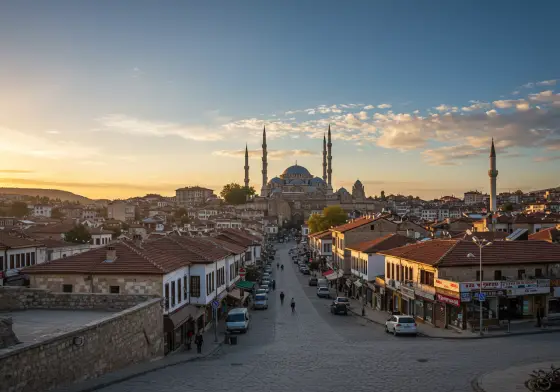
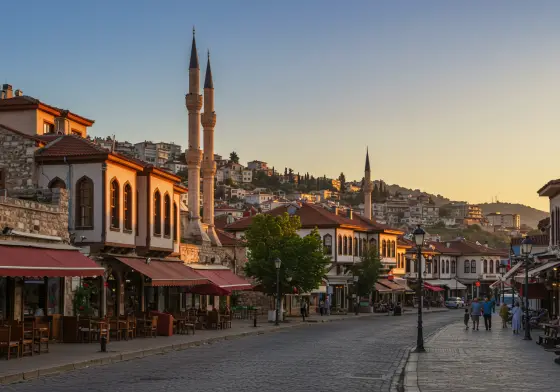
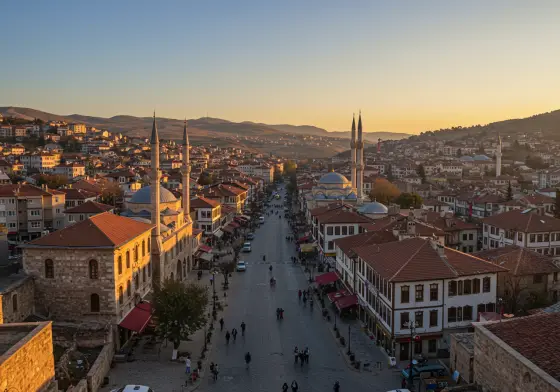
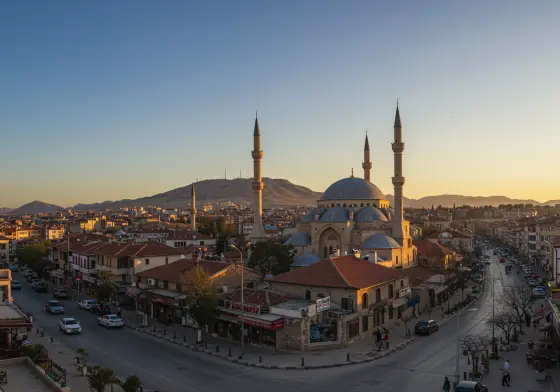
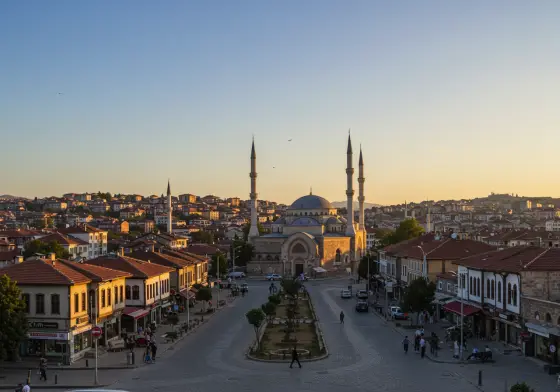
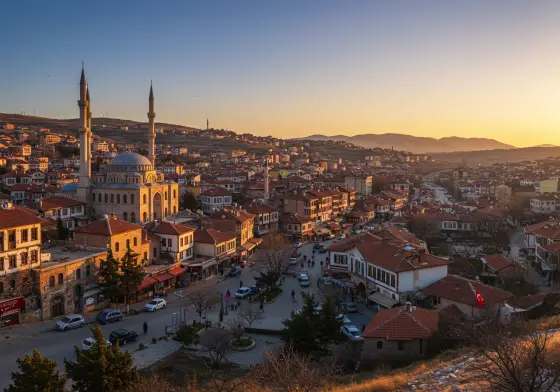
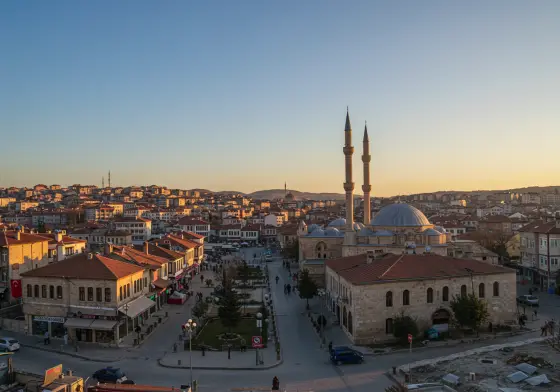
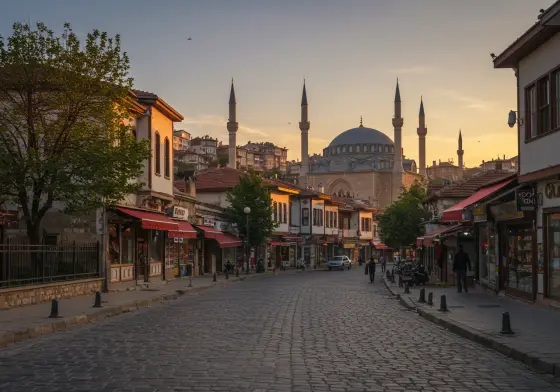
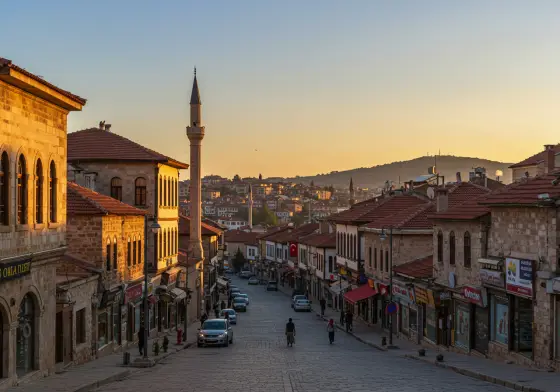
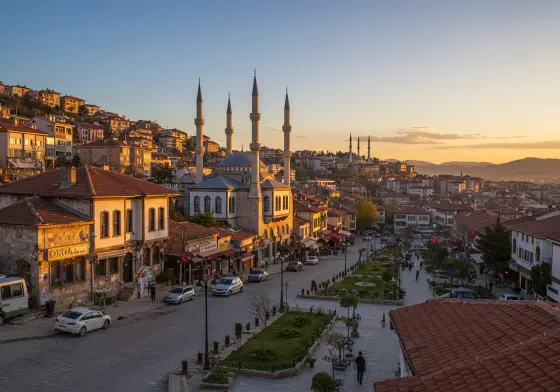
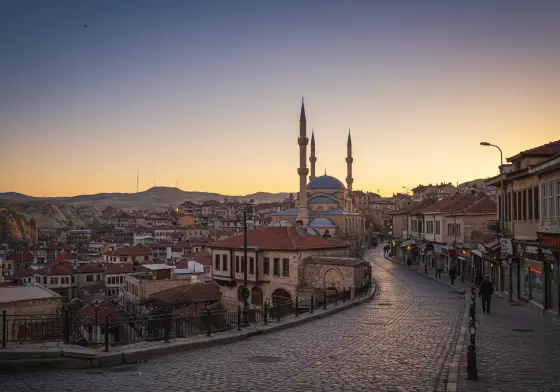
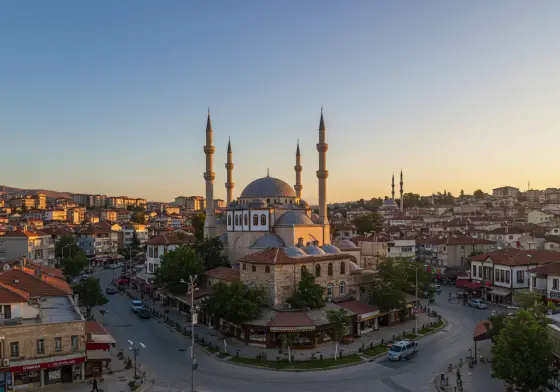
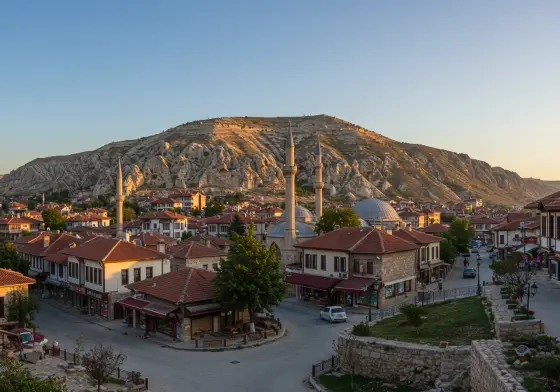
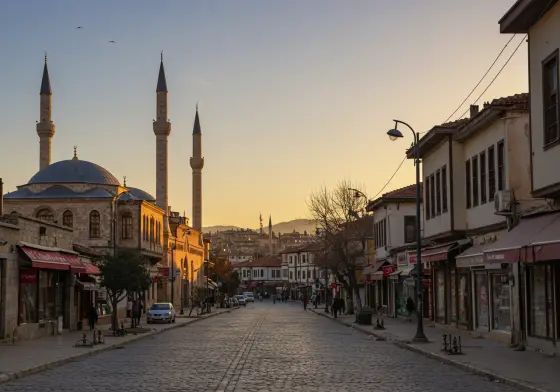
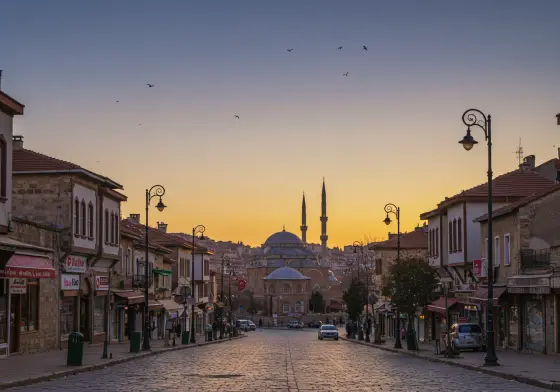
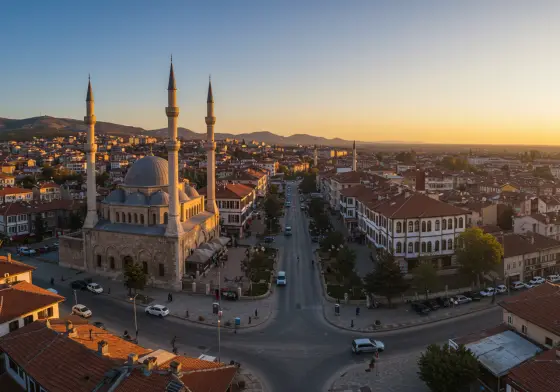
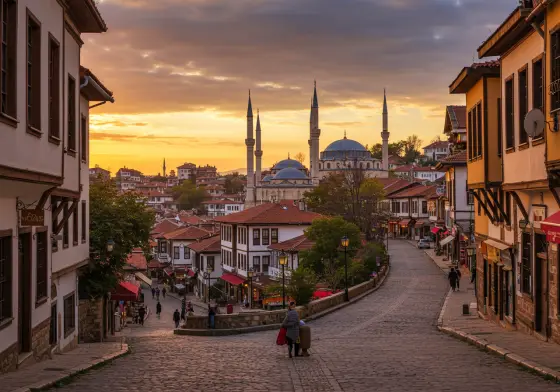
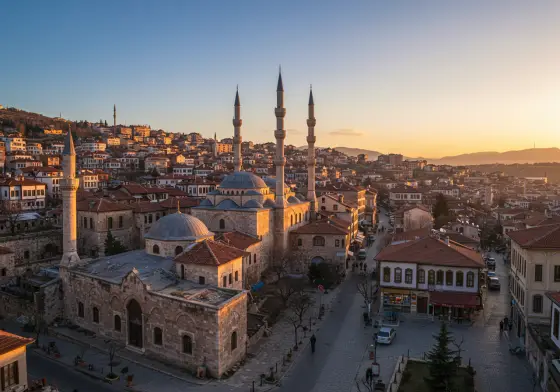
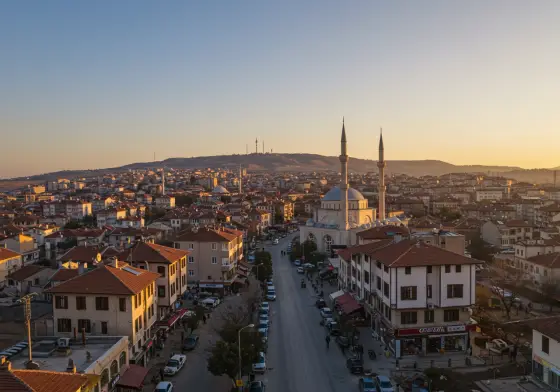
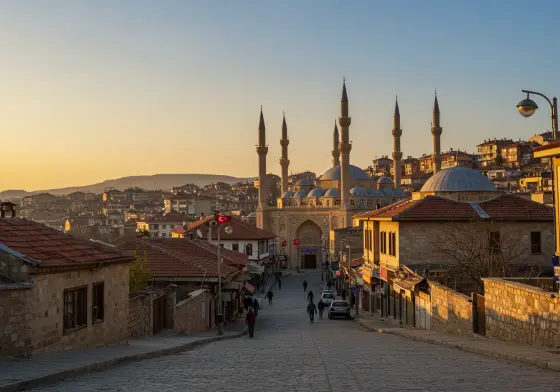
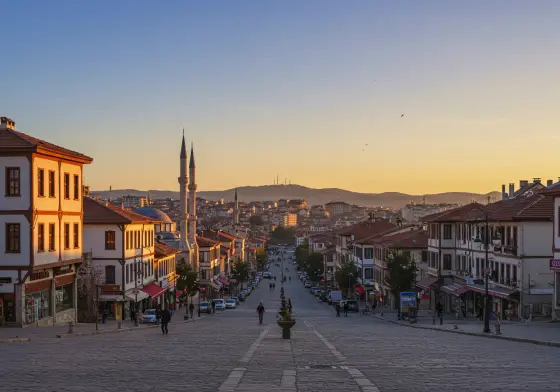
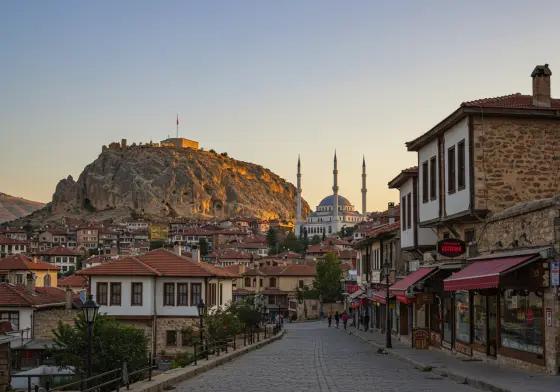
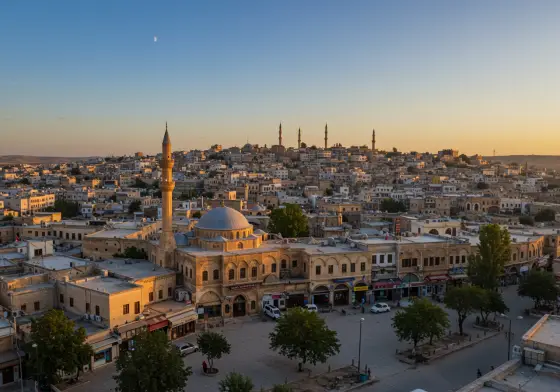
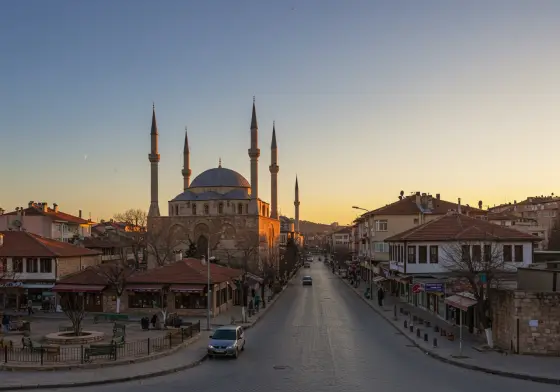
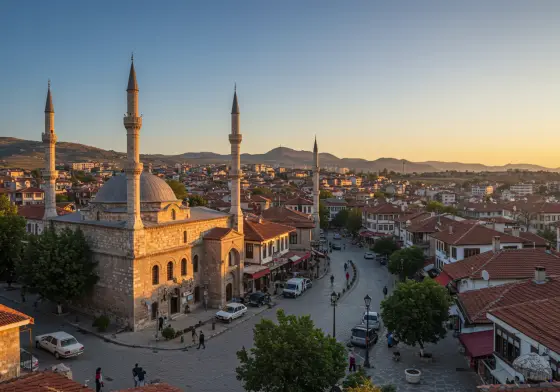
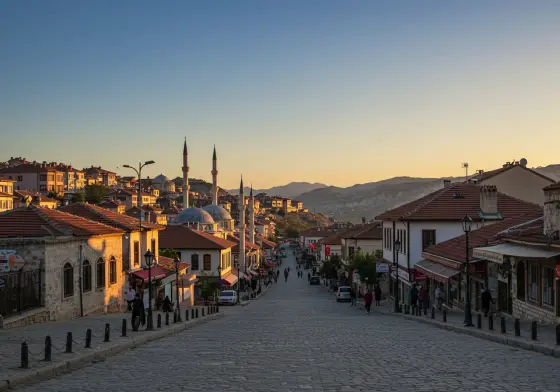
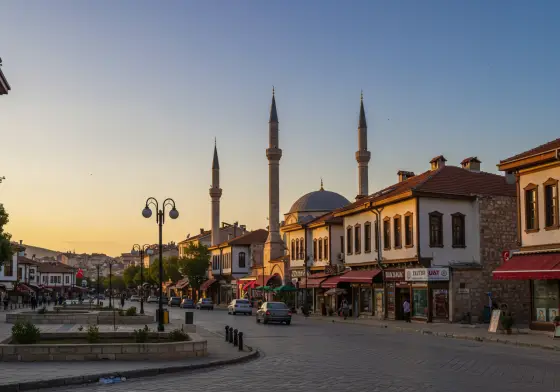
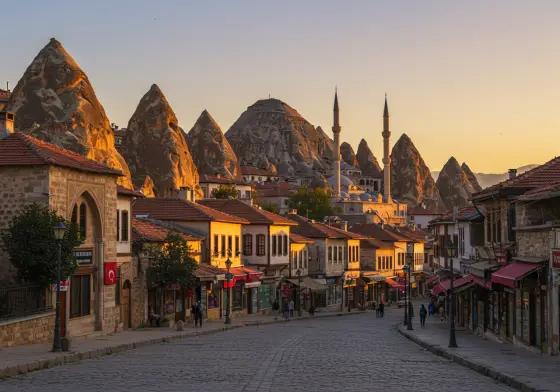
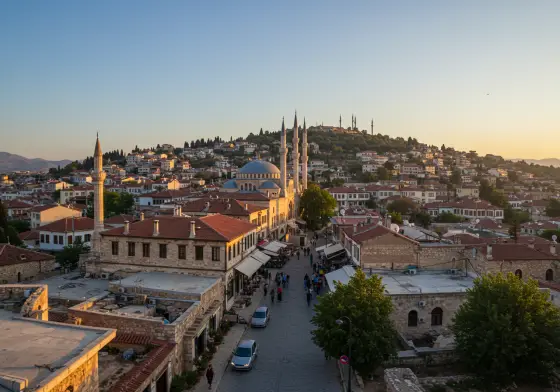
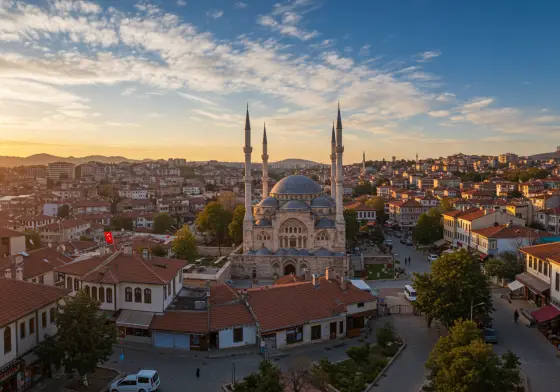
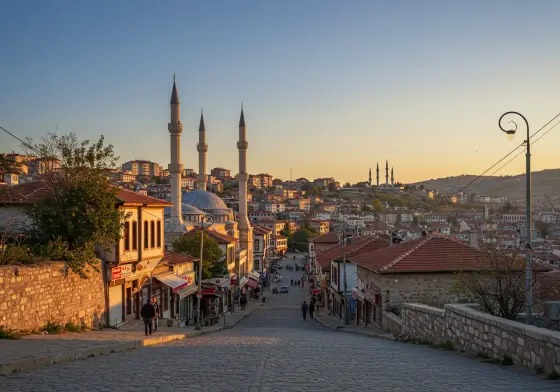
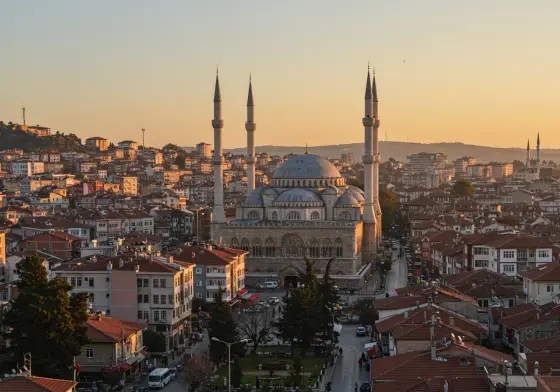
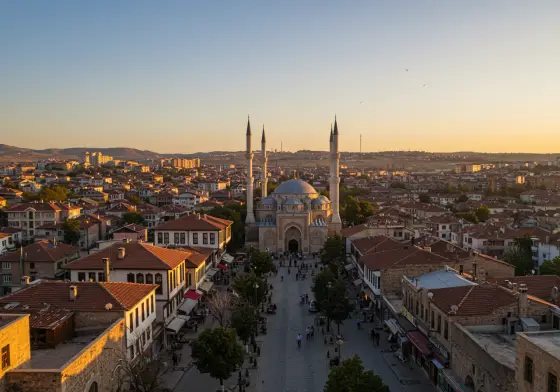
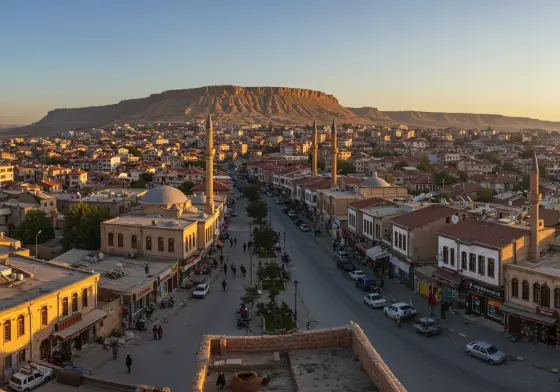
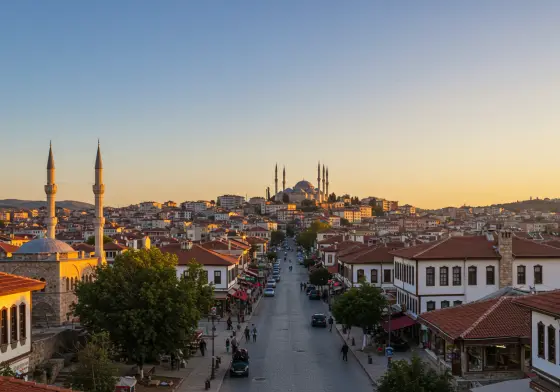
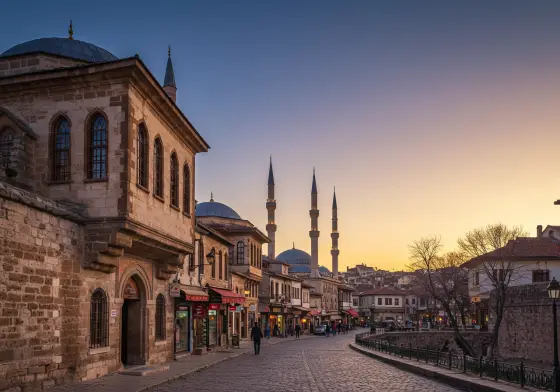
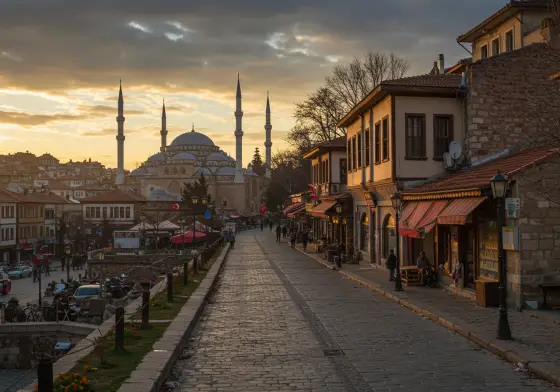
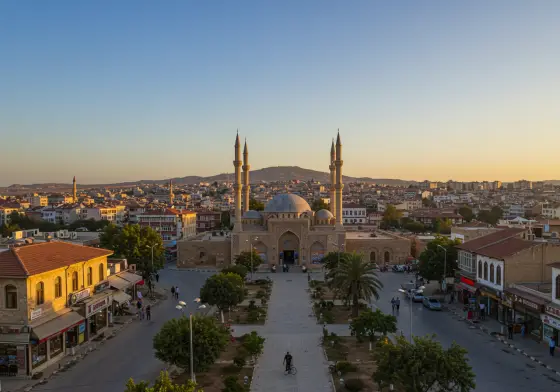
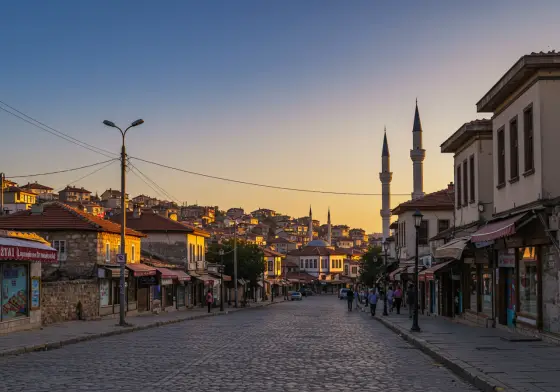
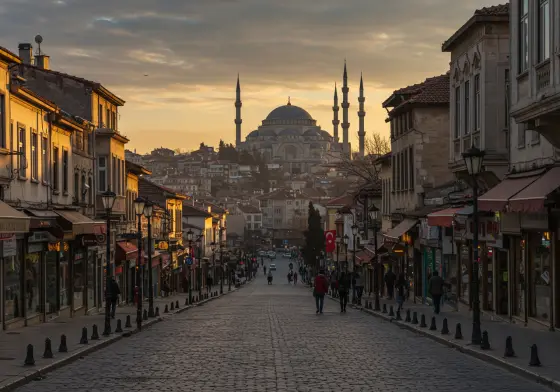
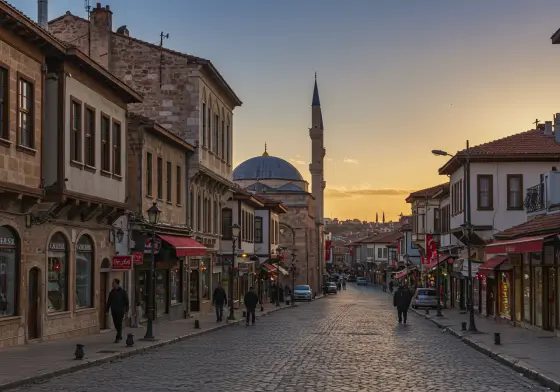
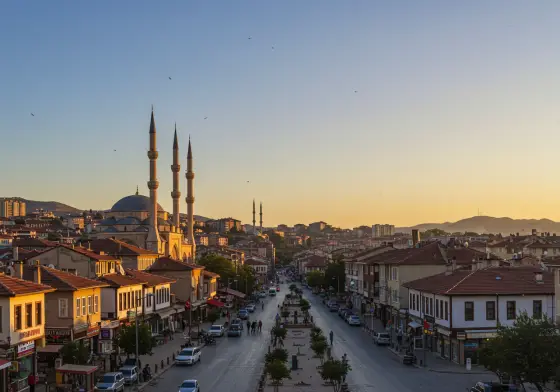
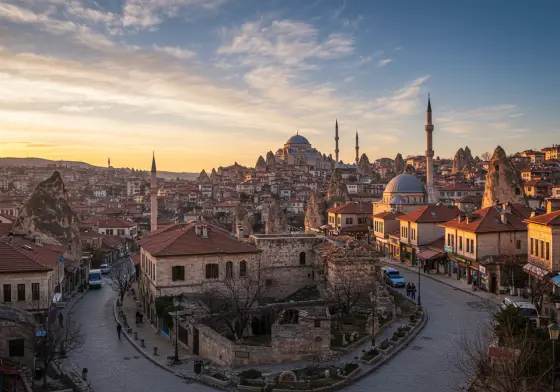
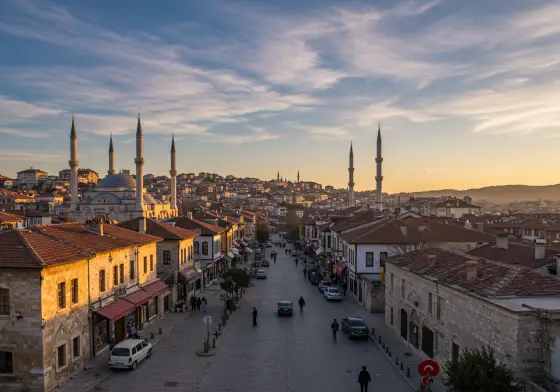
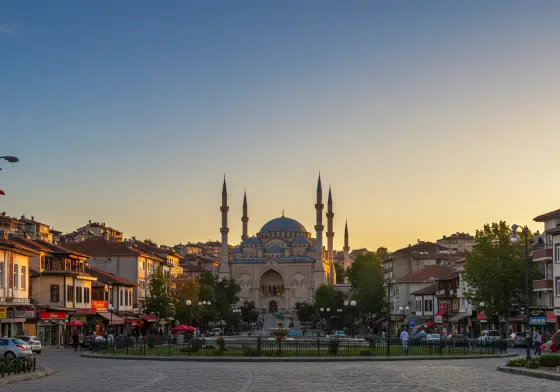
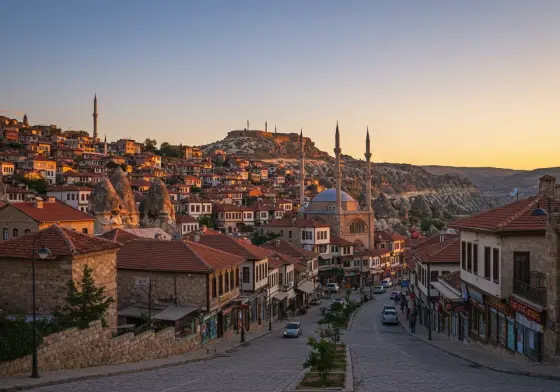
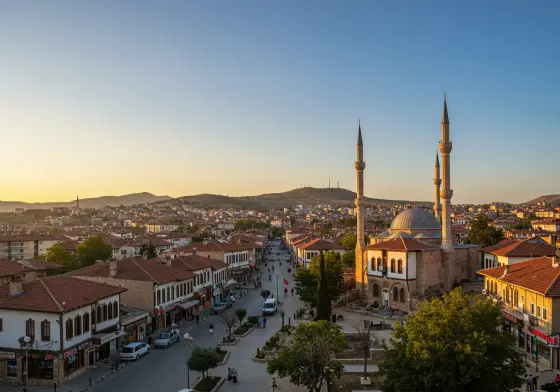
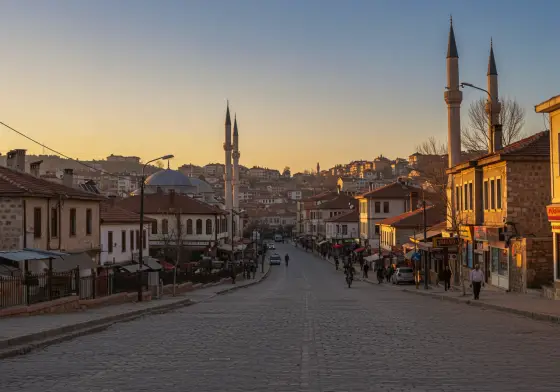
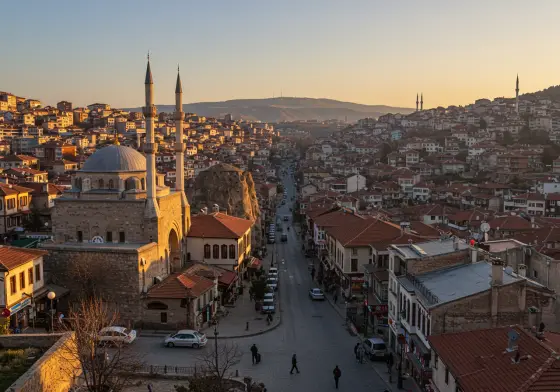
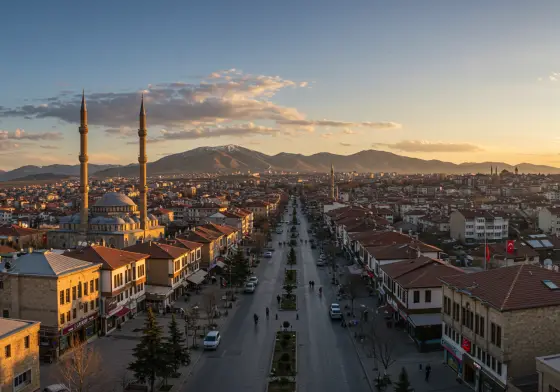
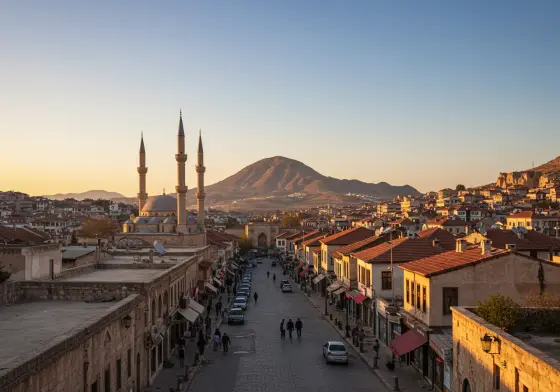
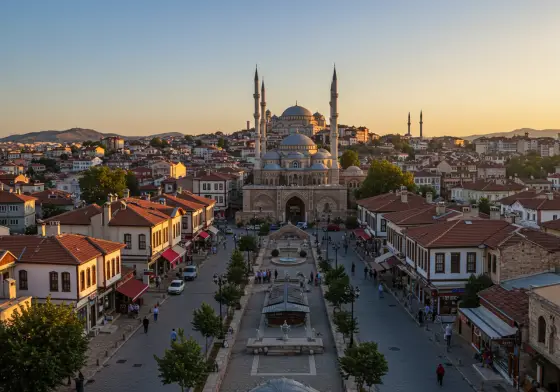
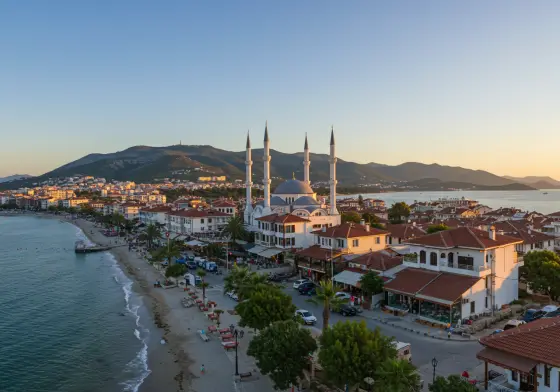
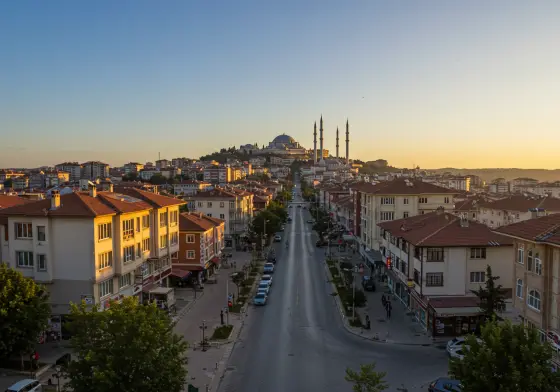
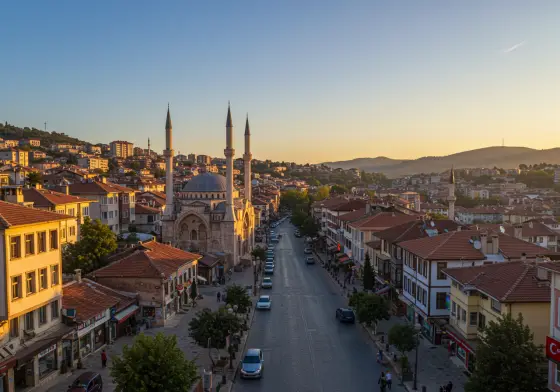
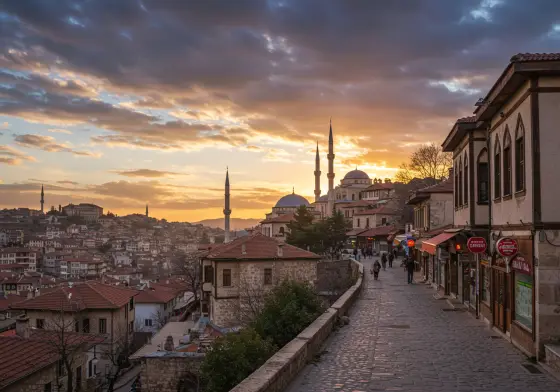
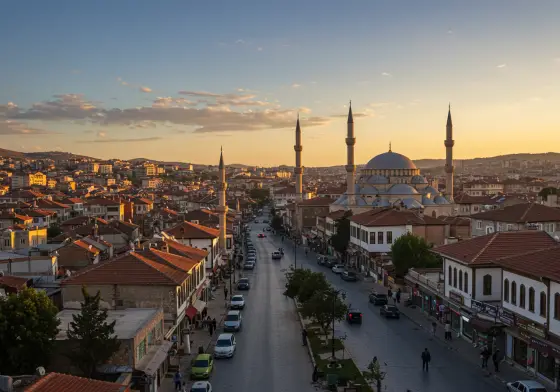
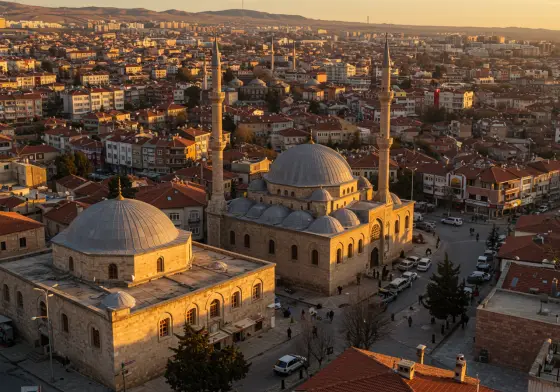
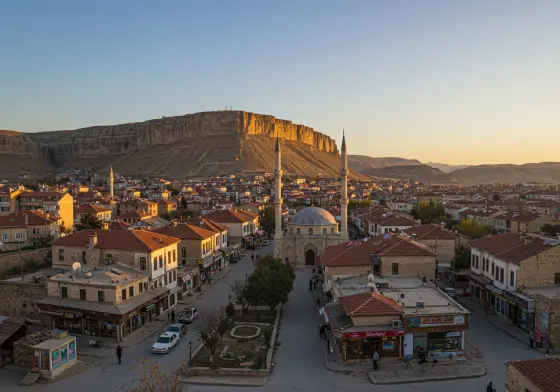
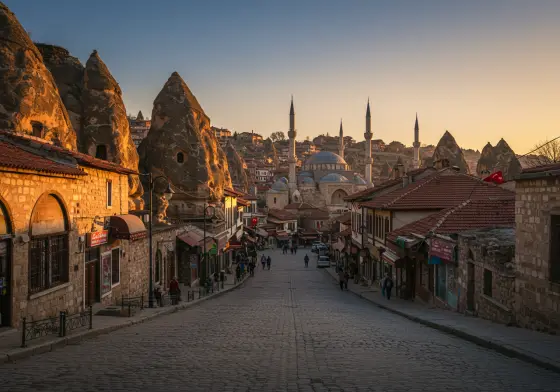
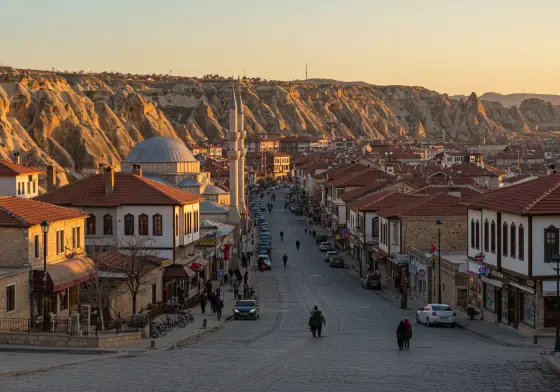
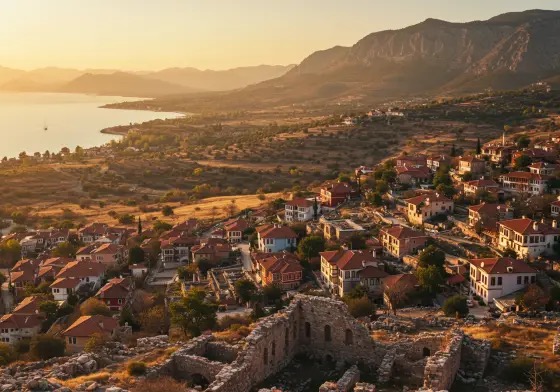
From the ancient ruins of Ephesus to the sun-drenched beaches of Antalya, a rental car in Turkey unlocks an unforgettable adventure. Navigate the coastal roads of the Turquoise Coast with ease, or venture inland to explore Cappadocia's otherworldly landscapes at your own pace. With a vehicle at your disposal, every hidden gem and breathtaking vista is within reach.
Rental companies
Turkey's car rental market is robust, featuring both well-known international brands like Hertz, Avis, and Enterprise, alongside numerous reputable local agencies. Local companies often provide more competitive pricing, especially for longer rentals or off-season travel. Aggregators are excellent for comparing options from multiple providers simultaneously. RentoRika, for instance, allows you to easily compare deals from various local and international suppliers, ensuring you find the best fit for your trip.
What documents you need
To rent a car in Turkey, you will generally need a valid driver's license from your home country, a passport, and a credit card in the main driver's name. An International Driving Permit (IDP) is highly recommended, and sometimes required, especially if your license is not in a Latin alphabet. The minimum age for renting is typically 21, though some companies may require drivers to be 25 or older for certain car categories, or charge a young driver's fee for those under 25. You should have held your license for at least 1-2 years.
Payment and deposit
Most car rental companies in Turkey require a credit card for both payment and the security deposit. The deposit amount can vary significantly, ranging from a few hundred to over a thousand Euros, depending on the car type and supplier. While some local agencies might accept cash for the rental fee, a credit card is almost universally required for the deposit. Deposit-free options are rare and usually come with higher insurance premiums or specific conditions. It's always best to check the exact payment and deposit requirements with your chosen supplier beforehand.
How much rental costs
Car rental prices in Turkey vary significantly by season, car type, and booking lead time. Expect daily rates to range from approximately 25 EUR in the low season to around 60 EUR or more during peak summer months. Booking well in advance, especially for popular periods, can secure better deals. The lowest daily price recorded for 2026 is around 0 EUR, which is an outlier and not representative of typical rental costs.
Price by month, €
Traffic rules and fines
Traffic drives on the right in Turkey. Speed limits are typically 50 km/h in urban areas, 90 km/h on rural roads, and 120 km/h on motorways. Always watch for speed limit signs, as they can change frequently. Seatbelts are mandatory for all occupants. Using a mobile phone without a hands-free system is illegal. Be prepared for aggressive driving styles, especially in larger cities. Fines for traffic violations can be substantial, approximately 100-200 EUR for common offenses like speeding or not wearing a seatbelt.
Parking
Parking in Turkish cities can be challenging, particularly in older, densely populated areas. Many cities have paid street parking (often managed by attendants) and multi-storey car parks. In popular tourist destinations, designated parking lots are usually available for a fee, typically around 1-3 EUR per hour or 5-10 EUR for a full day. Outside of urban centers, parking is generally easier to find and often free, especially near natural attractions or smaller towns.
Fuel stations
Fuel stations are widely available throughout Turkey. The main types of fuel are gasoline (petrol) and diesel. LPG is also common. Fuel prices are regulated by the government and can fluctuate, but are generally comparable to or slightly higher than average European prices, approximately 1.20-1.50 EUR per liter for gasoline in 2026. Many stations are full-service, where an attendant will fill your tank for you.
Which car to choose
For city driving and coastal routes, a compact or economy car is usually sufficient and easier to maneuver and park. If you plan to explore more rural or mountainous regions, particularly in areas like Cappadocia or along the Black Sea coast, a vehicle with higher ground clearance or even a 4x4 might be beneficial for comfort and accessibility. Families will appreciate the space of a mid-size sedan or an SUV.
Pros
- Freedom to explore diverse landscapes and off-the-beaten-path attractions.
- Well-maintained road network, especially between major cities.
- Access to remote historical sites and natural wonders not easily reached by public transport.
- Flexibility to create your own itinerary and travel at your own pace.
- Generally affordable fuel prices compared to some Western European countries.
Cons
- Aggressive driving styles, especially in large cities like Istanbul and Izmir.
- Parking can be difficult and expensive in urban centers.
- Road signage outside major routes may sometimes be in Turkish only.
- High security deposits are often required by rental companies.
- Traffic congestion is common in metropolitan areas during peak hours.
You may also like
Frequently asked questions
Do I need an International Driving Permit (IDP) to rent a car in Turkey?
While not always strictly enforced for all nationalities, an IDP is highly recommended if your national license is not in English or a Latin alphabet. Some rental companies may require it, and it's essential if you're involved in an accident or stopped by police.
What side of the road do they drive on in Turkey?
In Turkey, traffic drives on the right-hand side of the road, and overtaking is done on the left. This is consistent with most of mainland Europe.
Are credit cards essential for car rental in Turkey?
Yes, a credit card in the main driver's name is almost universally required for the security deposit, even if you pay the rental fee with a debit card or cash. Ensure your credit card has sufficient available credit for the deposit.
What are the general speed limits in Turkey?
Speed limits are typically 50 km/h in urban areas, 90 km/h on rural roads, and 120 km/h on motorways. Always observe posted signs as limits can vary and are strictly enforced.
Is it safe to drive in Turkey as a tourist?
Generally, driving in Turkey is safe for tourists, especially on major routes. However, be prepared for more assertive driving styles, particularly in cities. It's advisable to drive defensively and be aware of your surroundings. Road conditions are good on main highways.
Can I cross borders to neighboring countries with a rental car from Turkey?
Cross-border travel with a rental car from Turkey is usually not permitted, or it requires special authorization and additional insurance, which can be costly and difficult to arrange. It's best to check directly with your rental provider well in advance if you plan to travel outside Turkey.
Worth reading before you go
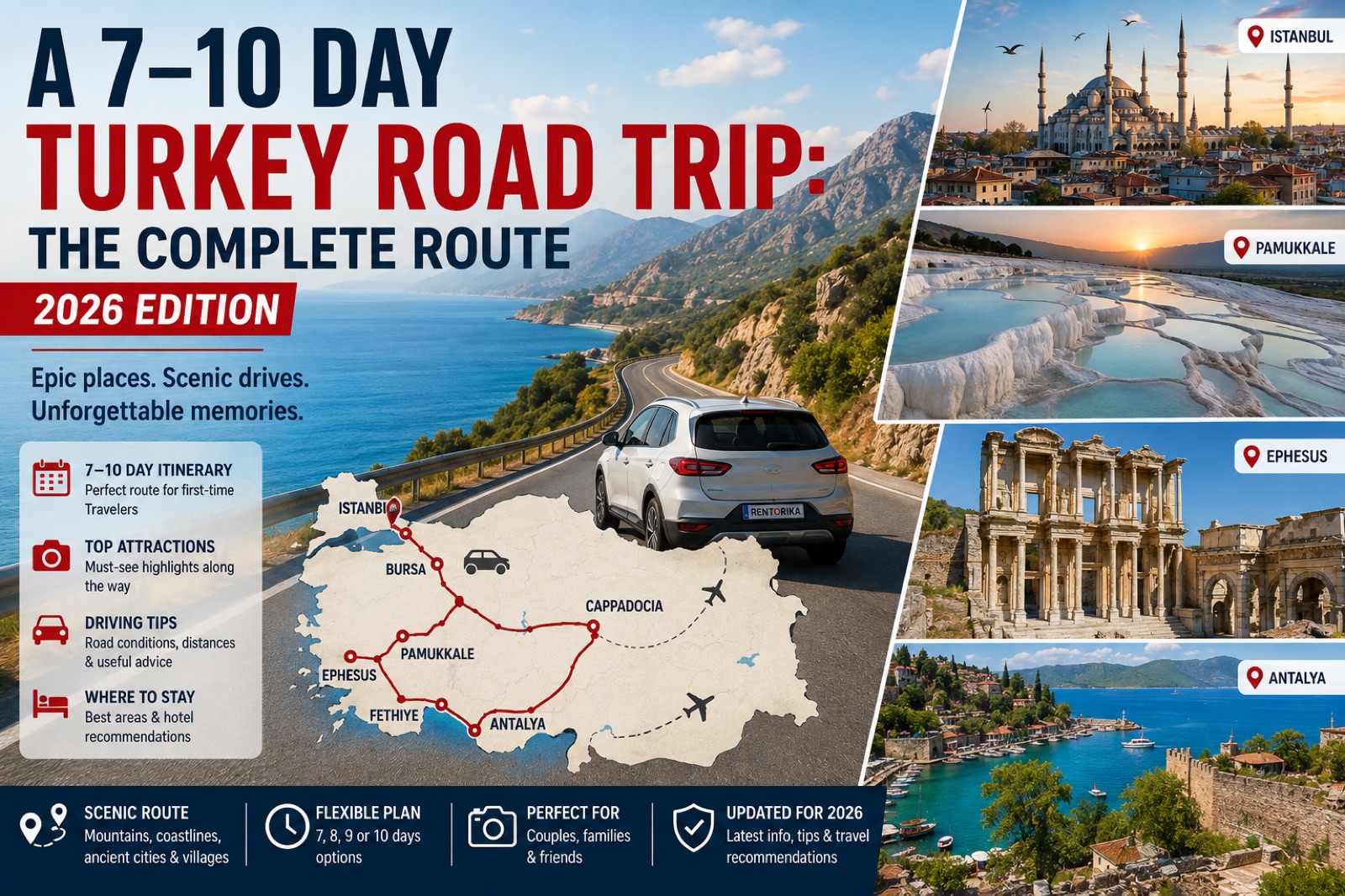
A 7–10 Day Turkey Road Trip: The Complete Route (2026 Edition)
Turkey rewards a driver more generously than almost any Mediterranean country still relatively affordable to explore this way. The route below strings together ancient…
Read →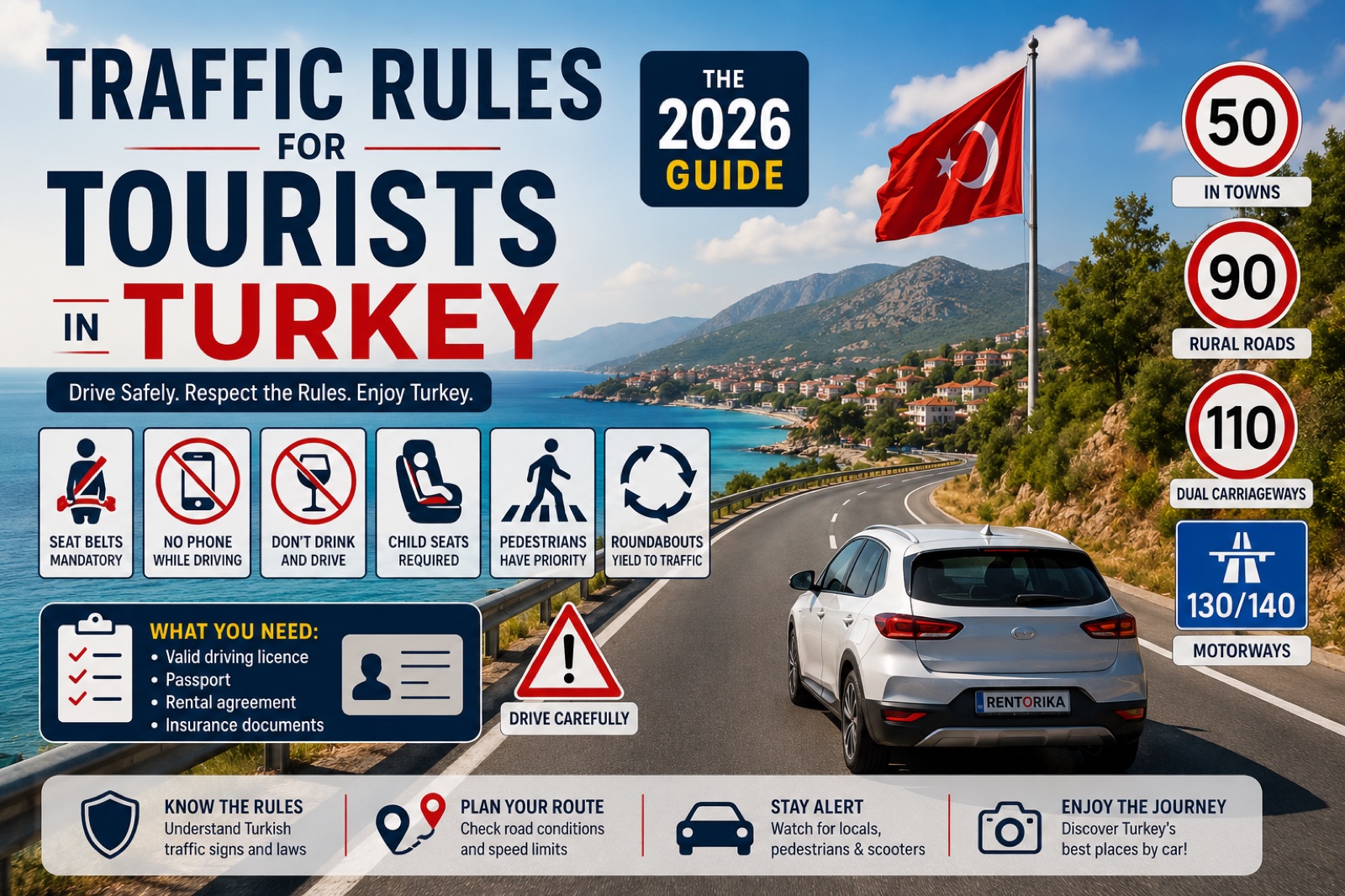
Traffic Rules for Tourists in Turkey: The 2026 Guide
Turkey rewrote a meaningful chunk of its Highway Traffic Law in early 2026, and the changes aren't cosmetic — fine amounts jumped sharply, the way speeding penalties are…
Read →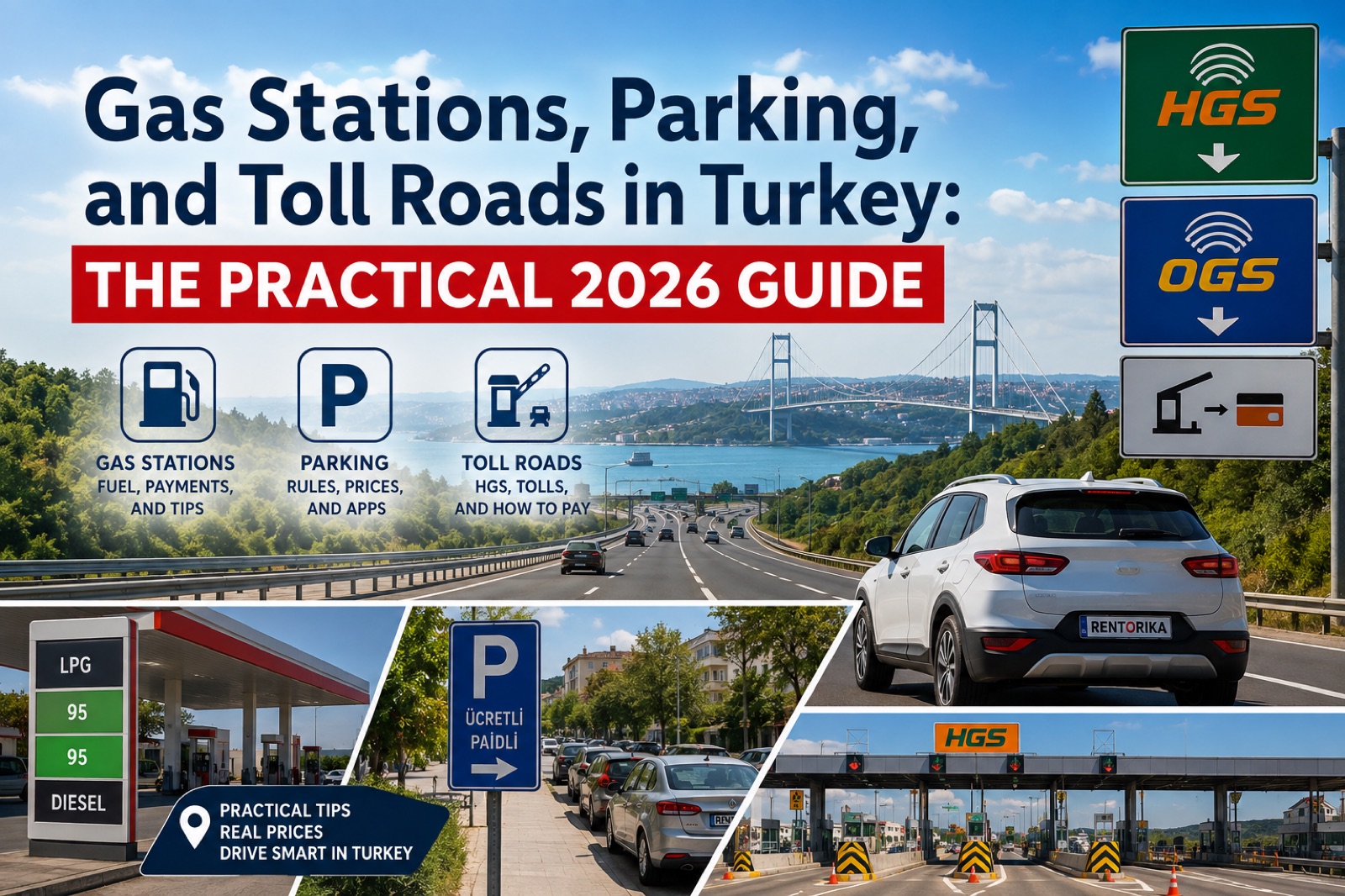
Gas Stations, Parking, and Toll Roads in Turkey: The Practical 2026 Guide
Renting a car in Turkey is the easy part. What actually determines whether your trip feels smooth or mildly stressful is the stuff nobody puts on the booking page: which…
Read →