.webp)
Fiat Egea · 2024
manual · 5 seats
46 € / day
Destination · Turkey
Did you know Burdur is home to the stunning Lake Salda, often dubbed the "Maldives of Turkey" for its pristine white sands and turquoise waters? To truly immerse yourself in this natural wonder and uncover the region's ancient Lycian ruins and charming villages, a car rental is your essential companion.
Did you know Burdur is home to the stunning Lake Salda, often dubbed the "Maldives of Turkey" for its pristine white sands and turquoise waters? To truly immerse yourself in this natural wonder and uncover the region's ancient Lycian ruins and charming villages, a car rental is your essential companion.
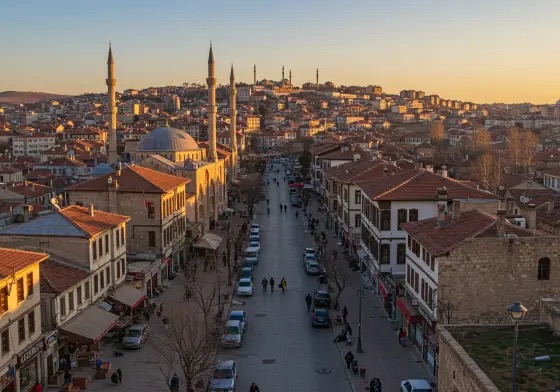
To rent a car in Turkey, you generally need a valid national driving license (held for at least 1-2 years), a passport, and for many non-EU licenses, an International Driving Permit (IDP) is highly recommended or required. The minimum age to rent is usually 21, with some companies requiring drivers to be 25 for certain car classes or charging a young driver surcharge.
Car rental prices in Burdur are quite competitive, starting from around 20-25 EUR per day for an economy car in the low season. Mid-range vehicles might be around 30-45 EUR, while SUVs or premium cars can range from 50 EUR upwards. Prices can fluctuate significantly, increasing by approximately 30-50% during the peak summer months due to higher demand.
Price by month, €
In Turkey, drive on the right. Speed limits are typically 50 km/h in urban areas, 90 km/h on rural roads, and 120 km/h on motorways, though always check local signage. The alcohol limit is 0.05% for private vehicles. Headlights are not mandatory during the day but are required in tunnels and bad weather. Seatbelts are compulsory for all occupants, and child seats are required for children under a certain height/age, typically up to 135 cm or 12 years old.
In Burdur city center, parking is often paid, usually via parking meters or attendants. There are also designated parking lots. Outside the immediate center, you can often find free street parking, but always look for signs. It's generally easier to find parking in Burdur compared to larger Turkish cities.
Fuel stations are widely available throughout Burdur and its surrounding areas, offering unleaded petrol (benzin) and diesel (motorin). LPG is also common. Prices are regulated by the government and are generally consistent across stations. Payment can be made with cash or major credit cards. Expect approximate prices for unleaded petrol to be around 1.10-1.20 EUR per liter.
For exploring Burdur and its surrounding sights, an economy or compact car with manual transmission is often sufficient and economical for most travelers. If you plan to venture onto less-maintained rural roads or travel with more luggage, a mid-range sedan or a small SUV would offer more comfort and ground clearance. Automatic transmissions are available but might be less common and slightly more expensive.
Pros
Cons
Cancellation policies vary by rental company. Many offer free cancellation up to 24 or 48 hours before pickup, while others may charge a fee. Always check the specific terms and conditions when booking through platforms like RentoRika.
Yes, a major credit card in the main driver's name is typically required for the security deposit. Debit cards are usually not accepted for the deposit, though they might be used for the rental payment itself.
Burdur does not have its own airport. The closest major airport is Isparta Süleyman Demirel Airport (ISE), approximately 30 km away, or Antalya Airport (AYT), about 130 km away. You can arrange car rental pickup at either of these airports for convenience.
Most rental companies in Turkey require drivers to be at least 21 years old. For certain vehicle categories, the minimum age might be 25. Drivers under 25 may also incur a 'young driver' surcharge.
A valid national driver's license held for at least 1-2 years is required. For non-Turkish licenses, an International Driving Permit (IDP) is highly recommended and often legally required, especially if your license is not in the Latin alphabet.
Parking in Burdur city center typically involves paid street parking or designated lots. Outside the immediate center, free street parking is more readily available. Compared to larger Turkish cities, finding parking in Burdur is generally less challenging.
296 offers from local rental companies · from 46 € per day
Fiat Egea · 2024
manual · 5 seats
46 € / day
.webp)
Renault Taliant · 2023
automatic · 5 seats · no deposit
49 € / day
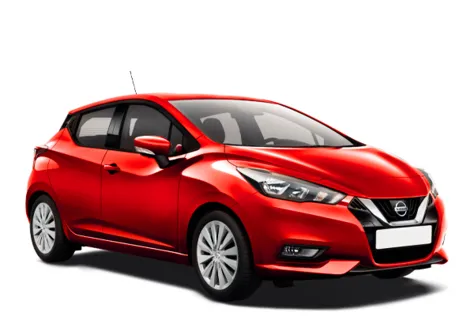
Nissan Micra · 2023
automatic · 5 seats
52 € / day
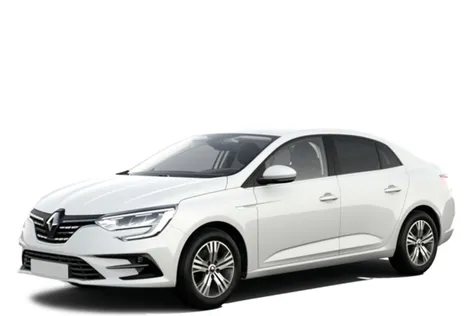
Renault Megane · 2022
automatic · 5 seats · no deposit
53 € / day
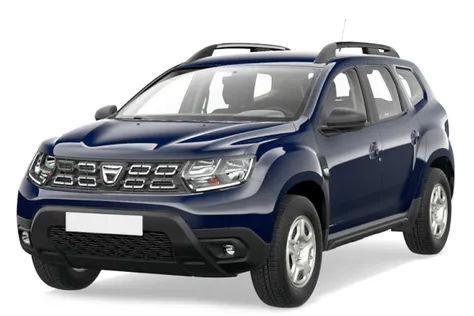
Dacia Duster · 2022
automatic · 5 seats · no deposit
57 € / day
_(1).webp)
Toyota Corolla · 2020
automatic · 5 seats · no deposit
58 € / day
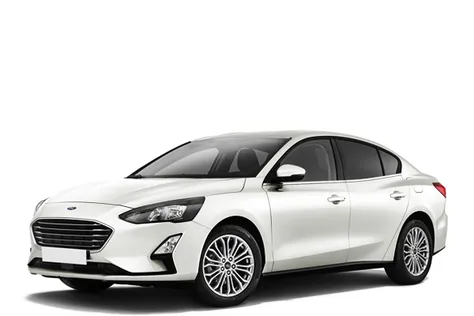
Ford Focus · 2021
automatic · 5 seats · no deposit
60 € / day

Renault Clio · 2021
automatic · 5 seats
61 € / day
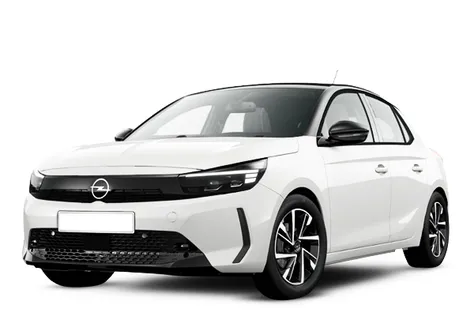
Opel Corsa · 2024
automatic · 5 seats
61 € / day
.webp)
Hyundai Bayon · 2021
automatic · 5 seats
63 € / day
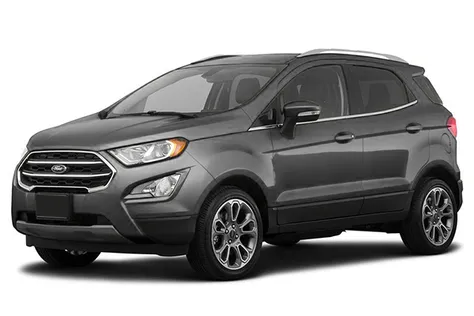
Ford EcoSport · 2022
automatic · 5 seats
65 € / day
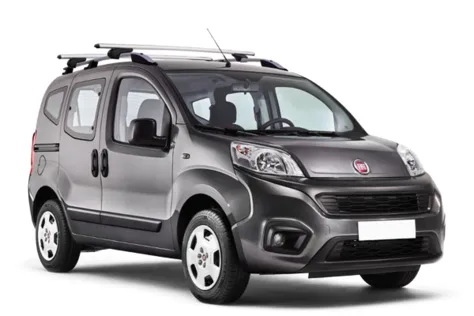
Fiat Fiorino · 2023
manual · 5 seats
66 € / day
Reviews
No reviews yet — be the first to share how renting here went.
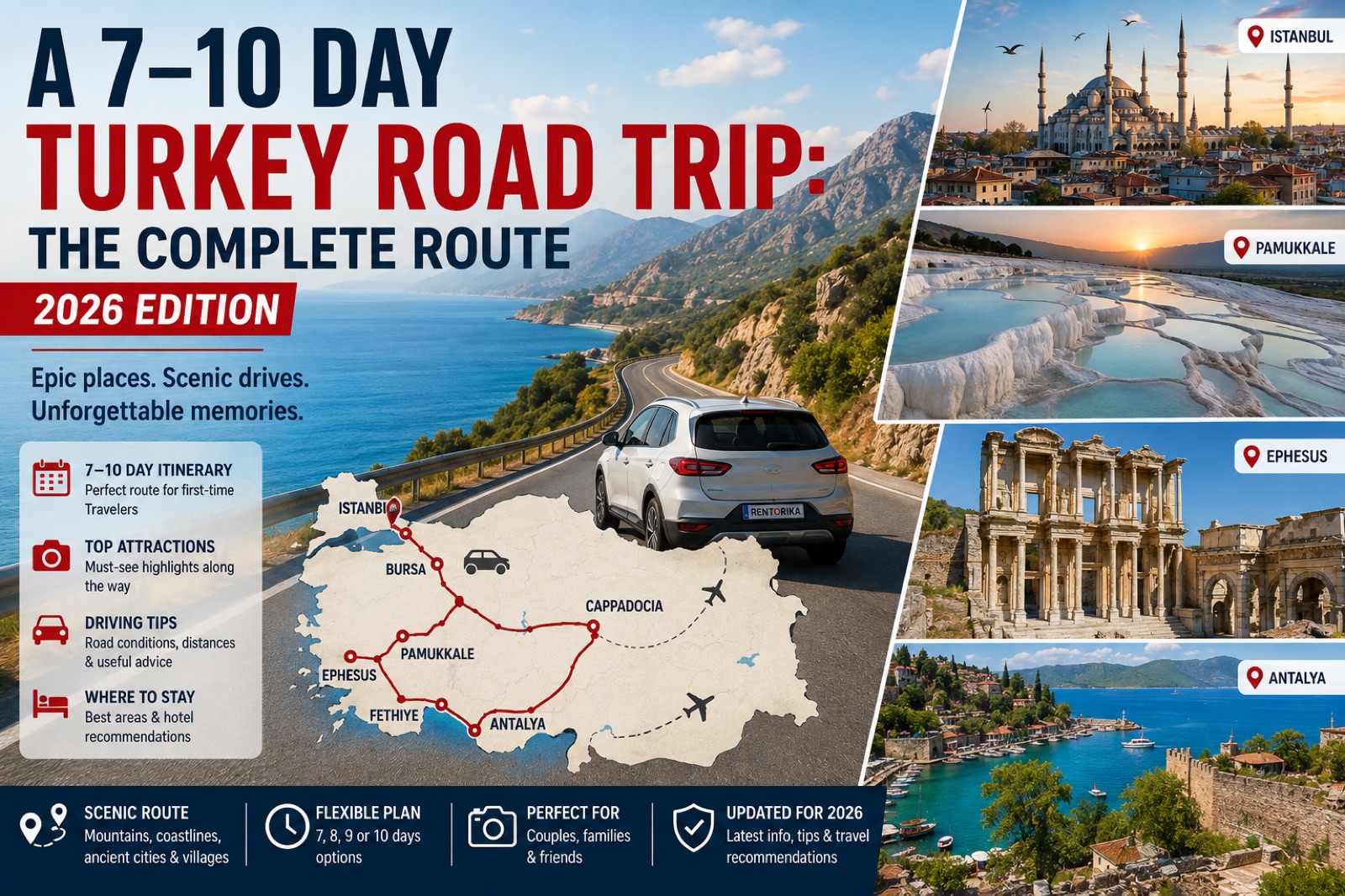
A 7–10 Day Turkey Road Trip: The Complete Route (2026 Edition)
Turkey rewards a driver more generously than almost any Mediterranean country still relatively affordable to explore this way. The route below strings together ancient…
Read →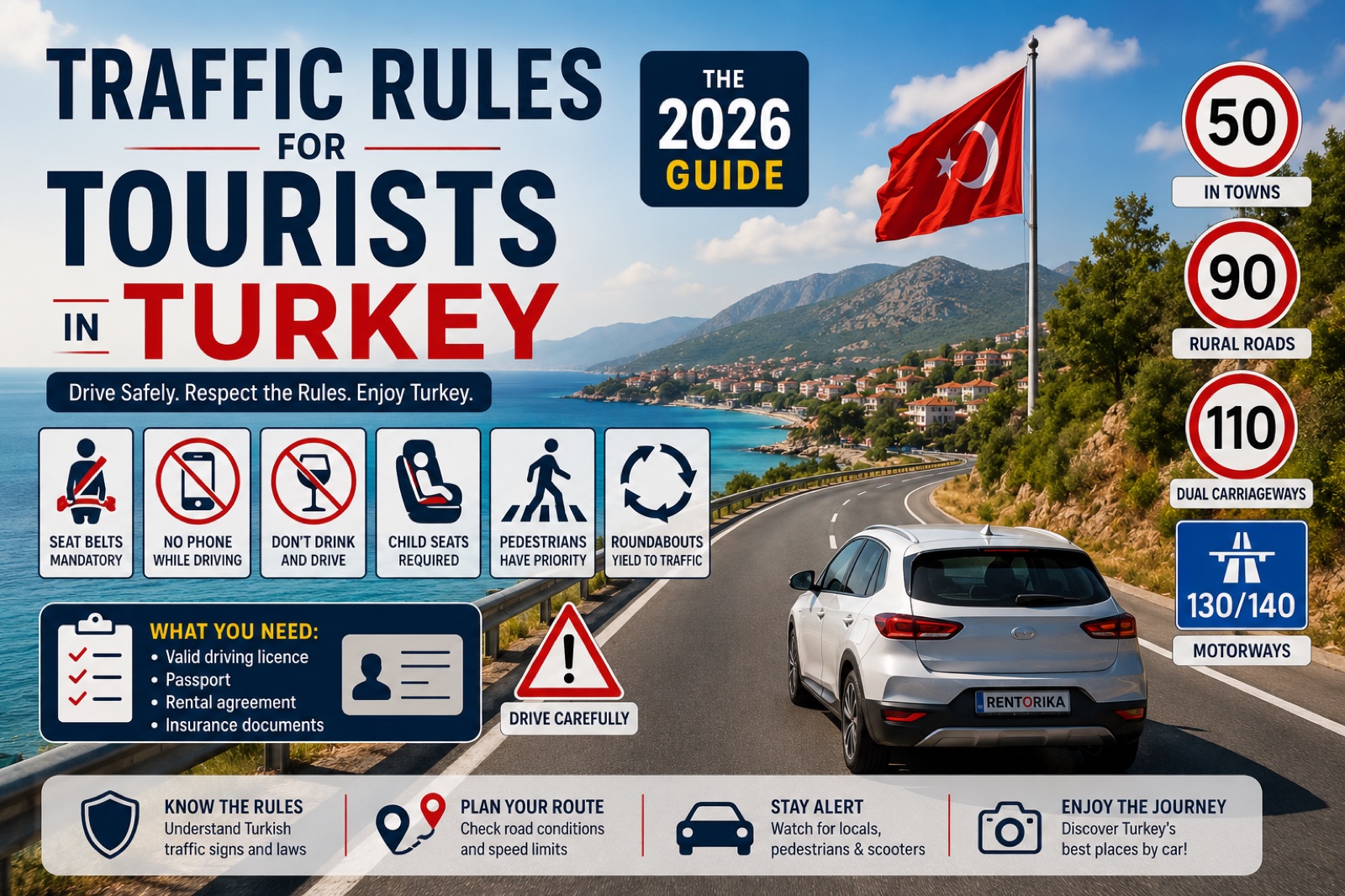
Traffic Rules for Tourists in Turkey: The 2026 Guide
Turkey rewrote a meaningful chunk of its Highway Traffic Law in early 2026, and the changes aren't cosmetic — fine amounts jumped sharply, the way speeding penalties are…
Read →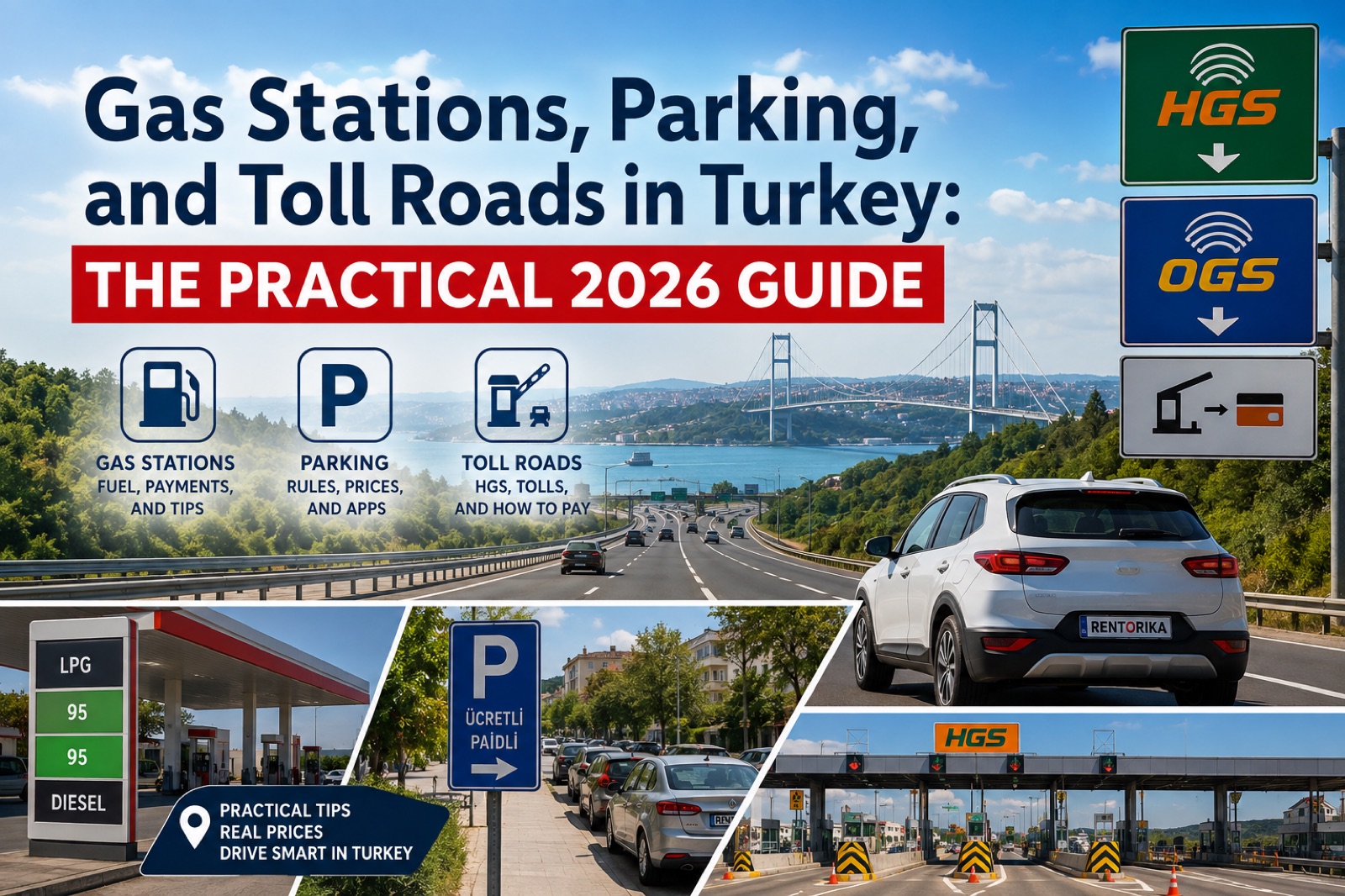
Gas Stations, Parking, and Toll Roads in Turkey: The Practical 2026 Guide
Renting a car in Turkey is the easy part. What actually determines whether your trip feels smooth or mildly stressful is the stuff nobody puts on the booking page: which…
Read →