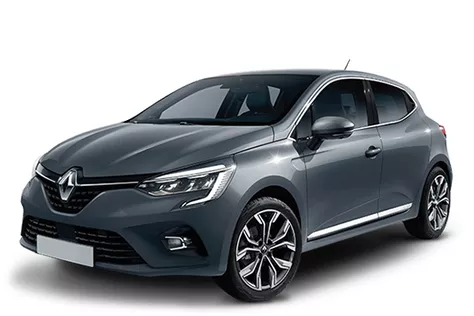
Renault Clio · 2020
manual · 5 seats
101 € / day
Destination · Turkey
Landing at Antalya Airport with plans to explore the stunning coastline beyond Kavak's charming center, a rental car is your essential companion for seamless travel. From leisurely drives along D400 to hidden beaches and ancient ruins, having your own vehicle transforms your itinerary into an adventure.
Landing at Antalya Airport with plans to explore the stunning coastline beyond Kavak's charming center, a rental car is your essential companion for seamless travel. From leisurely drives along D400 to hidden beaches and ancient ruins, having your own vehicle transforms your itinerary into an adventure.

To rent a car in Turkey, you generally need a valid passport, a national driving license, and an International Driving Permit (IDP). Drivers must typically be at least 21 years old and have held their license for a minimum of 2 years. Some premium car categories may require drivers to be 25 or older.
Car rental prices in Kavak vary significantly by car class and season. Economy cars might start from around 20-25 EUR per day in the low season, while SUVs and premium vehicles could range from 40 EUR to over 80 EUR per day. Summer months typically see a 30-50% increase in prices due to higher demand.
Price by month, €
In Turkey, traffic drives on the right. Speed limits are generally 50 km/h in urban areas, 90 km/h on rural roads, and 120 km/h on motorways, unless otherwise signposted. The legal alcohol limit for drivers is effectively zero (0.5 per mille, but it's safest to avoid alcohol entirely). Headlights must be used in tunnels and during poor visibility. Seatbelts are mandatory for all occupants, and child seats are required for children up to 1.35 meters tall or under 36 kg.
In Kavak, parking in the town center often consists of paid street parking or designated parking lots. Look for attendants or payment machines. Outside the immediate center, free parking might be available, but always check for signs to avoid fines.
Fuel (gasoline and diesel) is widely available at numerous petrol stations throughout Kavak and the surrounding areas. Prices are generally comparable to European levels, with slight fluctuations. Most stations accept credit cards, but it's always wise to have some Turkish Lira for smaller purchases or emergencies.
For exploring Kavak and its immediate surroundings, an economy or compact car is sufficient and easy to maneuver in town. If you plan to venture into more rural areas or tackle longer distances, a comfortable sedan or an SUV with better ground clearance might be preferable, especially if you are traveling with family or luggage. Manual transmission cars are very common, but automatics are increasingly available.
Pros
Cons
You will typically need a valid passport, your national driving license, and an International Driving Permit (IDP). A credit card in the main driver's name is also required for the security deposit.
The minimum age is usually 21 years, with at least 2 years of driving experience. For certain car categories, the age requirement can be 25 or older.
Yes, one-way rentals are generally possible between different cities in Turkey, but they often incur an additional 'one-way fee'. Check with your rental provider for specific charges.
Most common policies are 'full to full', meaning you pick up the car with a full tank and return it full. Always clarify the fuel policy with your rental company upon pickup.
Be aware of potential extra charges for additional drivers, GPS, child seats, one-way fees, and insurance add-ons. Always read the rental agreement carefully before signing.
The most convenient pick-up locations are usually at major airports like Ankara Esenboğa Airport (ESB) or Sivas Nuri Demirağ Airport (VAS), and then driving to Kavak. Some local agencies may offer direct pick-up in Kavak itself.
71 offers from local rental companies · from 101 € per day
Renault Clio · 2020
manual · 5 seats
101 € / day
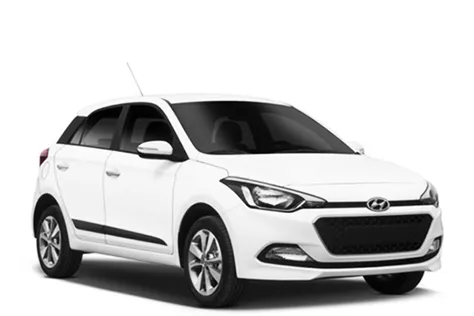
Hyundai i20 · 2018
automatic · 5 seats
108 € / day
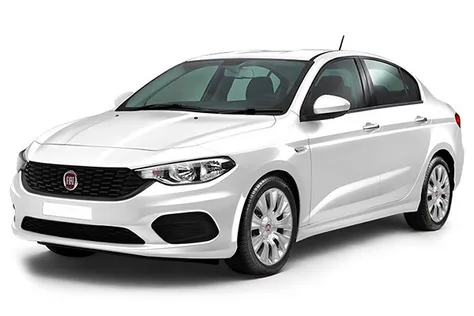
Fiat Egea · 2018
automatic · 5 seats
109 € / day
.webp)
Fiat Doblo · 2025
manual · 5 seats
112 € / day

Kia Rio · 2022
automatic · 5 seats
113 € / day
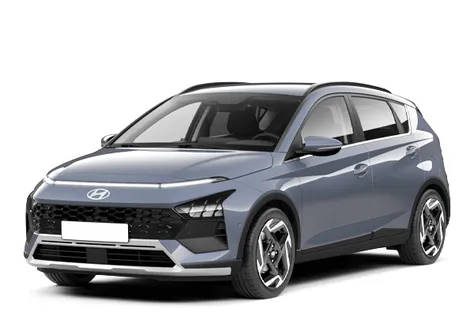
Hyundai Bayon · 2024
automatic · 5 seats
113 € / day
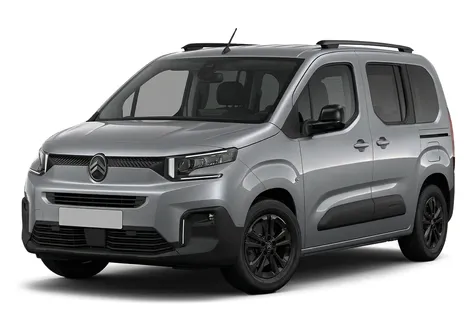
Citroen Berlingo · 2023
automatic · 5 seats
113 € / day
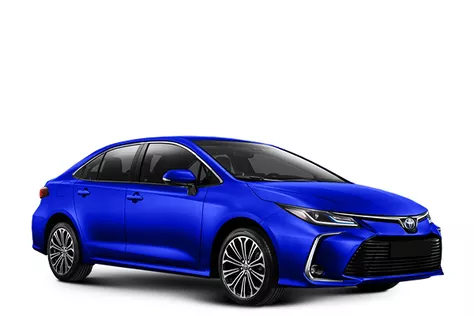
Toyota Corolla · 2022
automatic · 5 seats
115 € / day
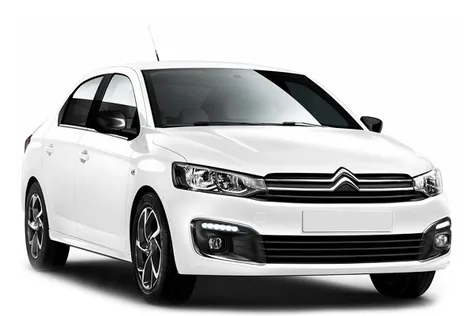
Citroen C-Elysee · 2021
manual · 5 seats
116 € / day
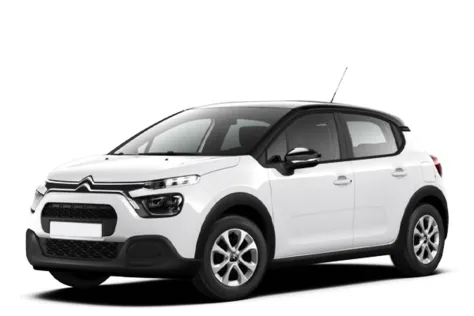
Citroen C3 · 2021
manual · 5 seats
116 € / day
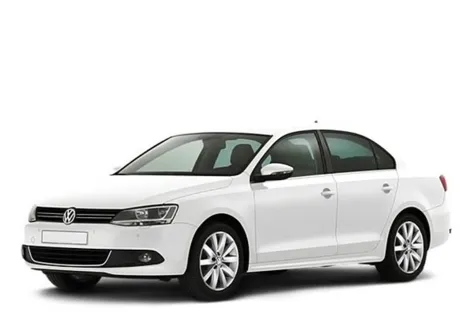
Volkswagen Jetta · 2014
manual · 5 seats
118 € / day
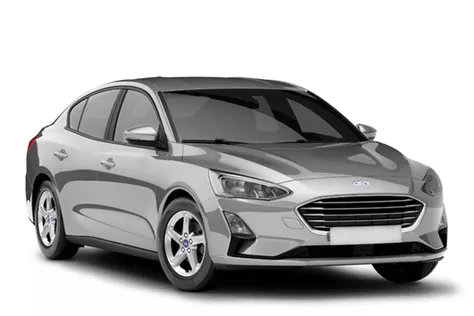
Ford Focus · 2022
automatic · 5 seats
119 € / day
Reviews
No reviews yet — be the first to share how renting here went.
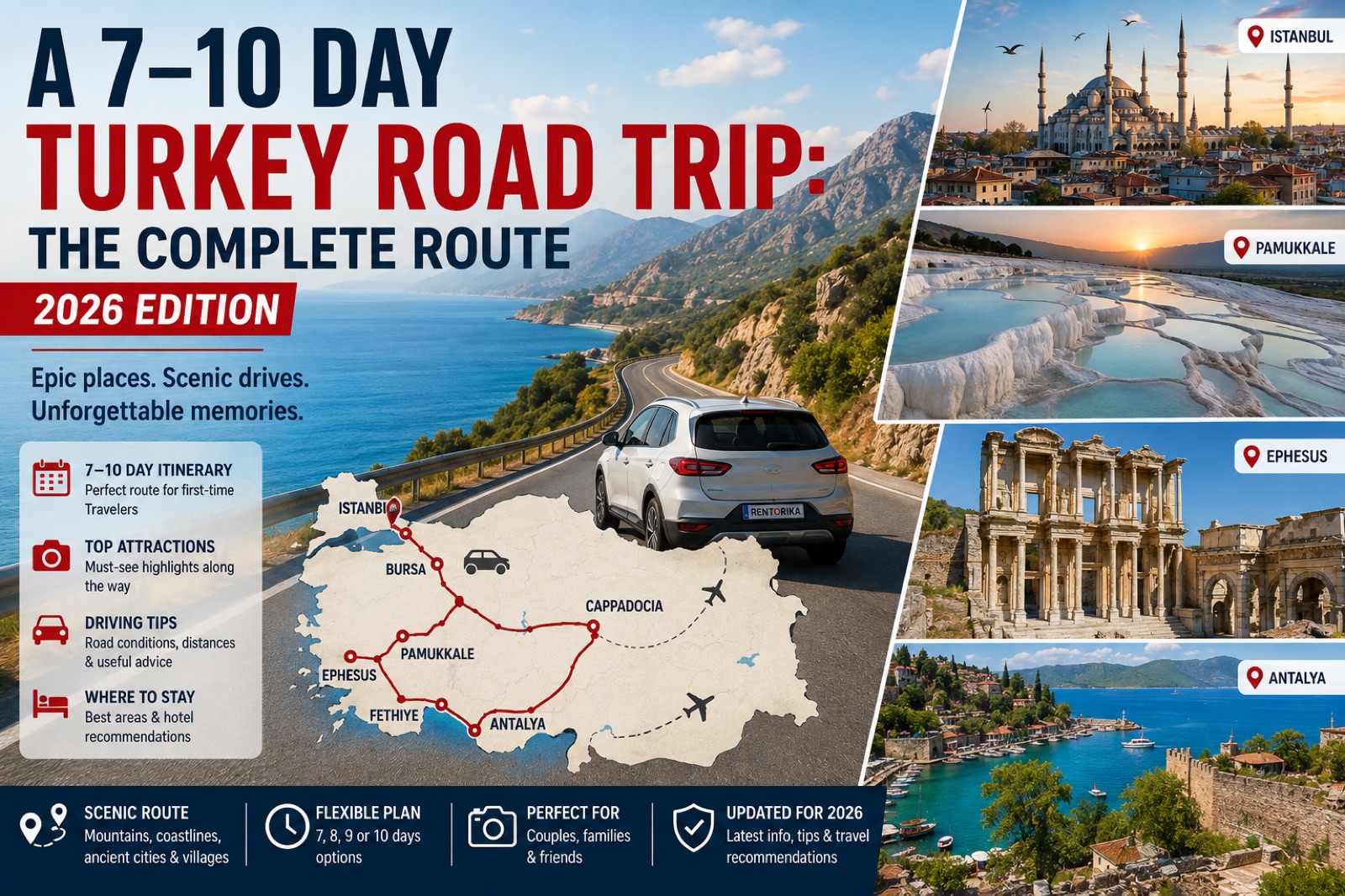
A 7–10 Day Turkey Road Trip: The Complete Route (2026 Edition)
Turkey rewards a driver more generously than almost any Mediterranean country still relatively affordable to explore this way. The route below strings together ancient…
Read →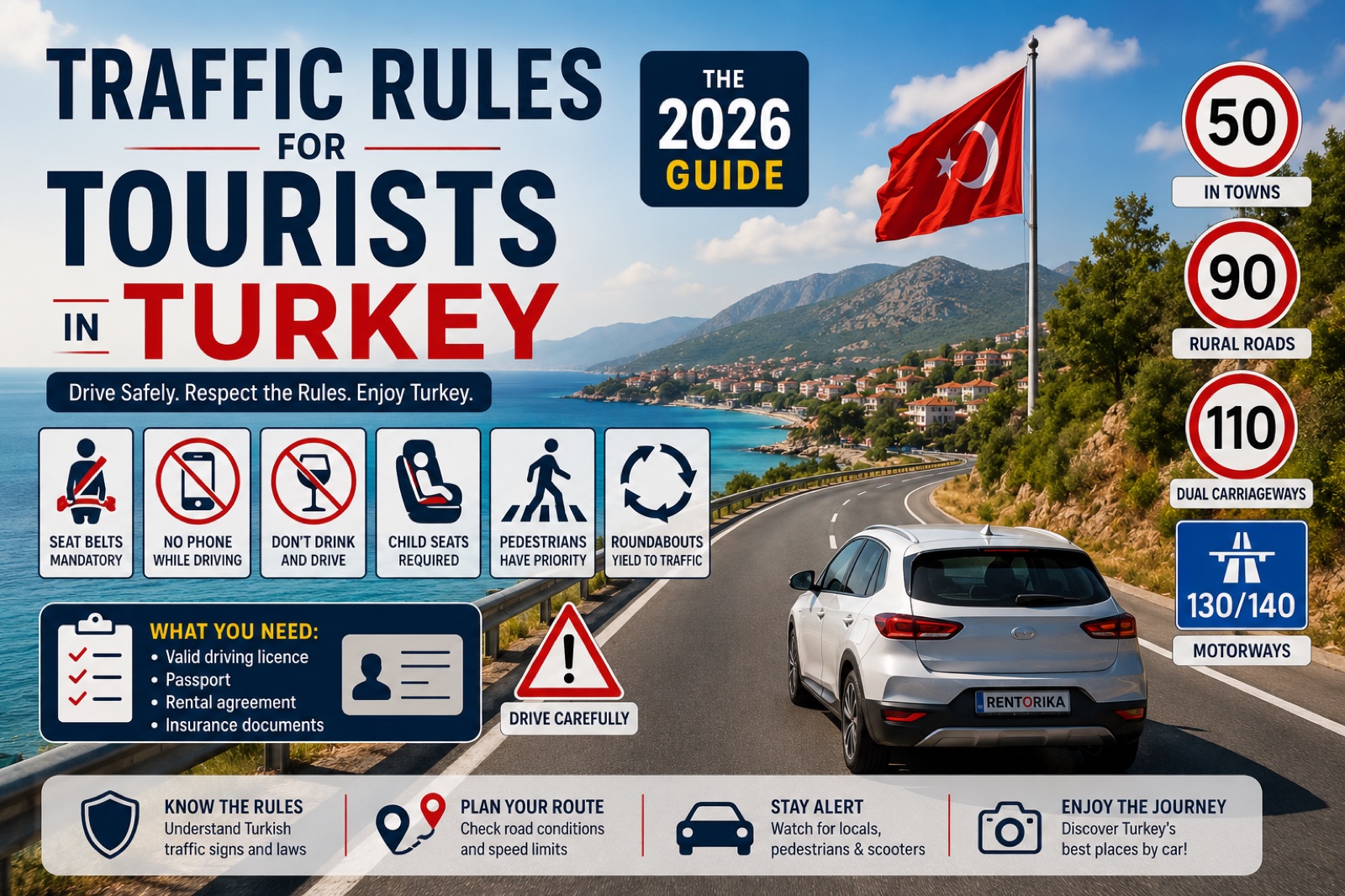
Traffic Rules for Tourists in Turkey: The 2026 Guide
Turkey rewrote a meaningful chunk of its Highway Traffic Law in early 2026, and the changes aren't cosmetic — fine amounts jumped sharply, the way speeding penalties are…
Read →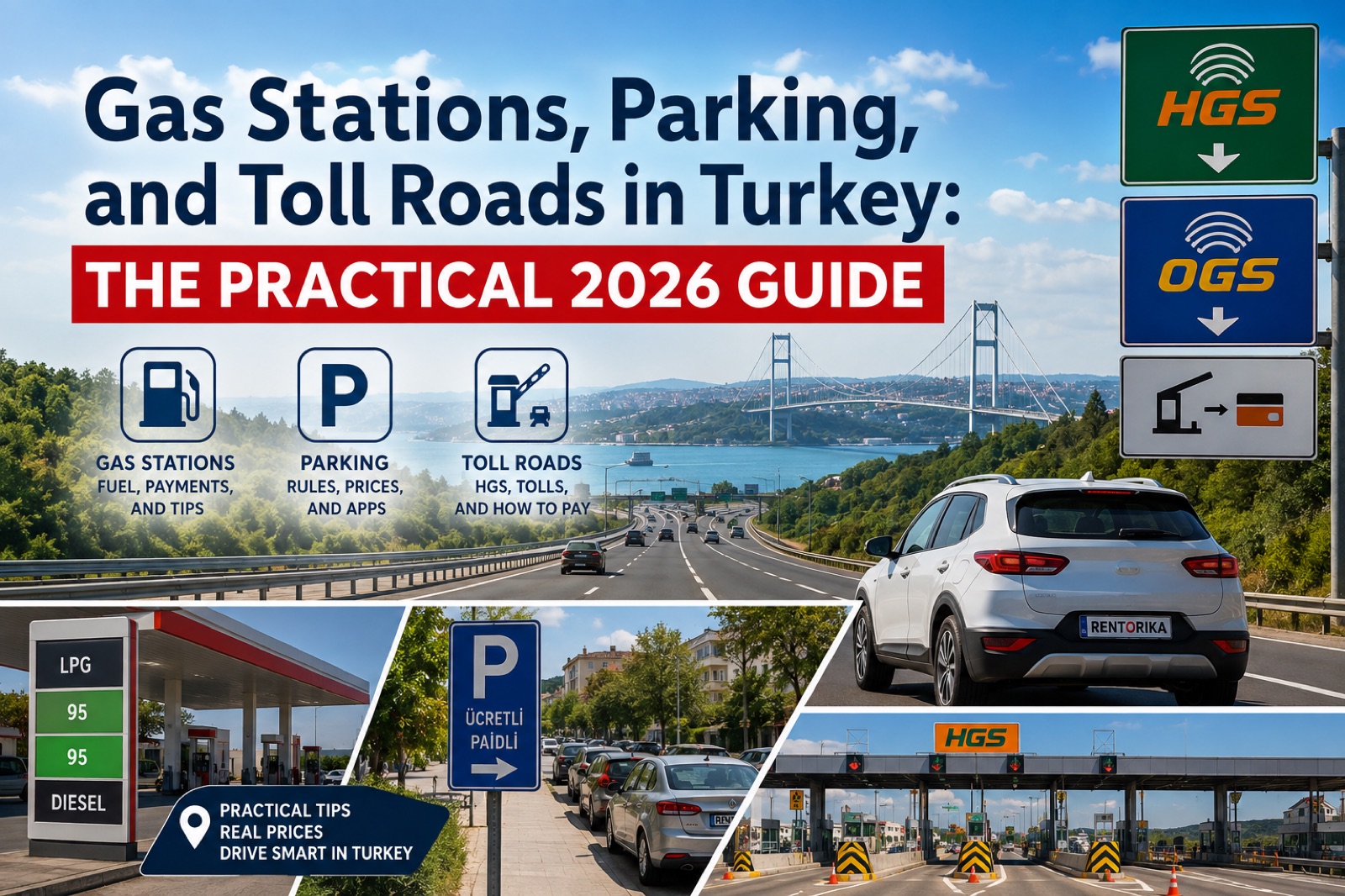
Gas Stations, Parking, and Toll Roads in Turkey: The Practical 2026 Guide
Renting a car in Turkey is the easy part. What actually determines whether your trip feels smooth or mildly stressful is the stuff nobody puts on the booking page: which…
Read →