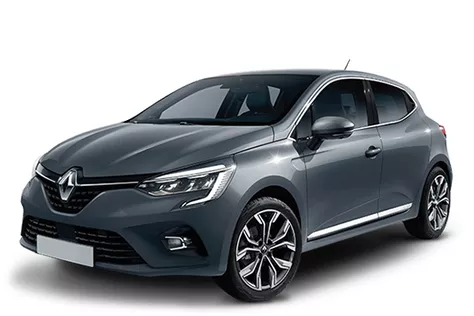
Renault Clio · 2020
manual · 5 seats
172 € / day
Destination · Turkey
Rabat, while not a major tourist hub, serves as an excellent starting point for exploring the historical and natural wonders of central Turkey. Renting a car here provides the flexibility to delve into ancient Phrygian cities, serene lakes, and traditional villages at your own pace. Discover the rich tapestry of Anatolian culture and landscapes beyond the usual tourist trails.
Rabat, while not a major tourist hub, serves as an excellent starting point for exploring the historical and natural wonders of central Turkey. Renting a car here provides the flexibility to delve into ancient Phrygian cities, serene lakes, and traditional villages at your own pace. Discover the rich tapestry of Anatolian culture and landscapes beyond the usual tourist trails.
To rent a car in Turkey, foreign drivers typically need a valid national driving license, a passport, and an International Driving Permit (IDP) if their license is not in Latin script. Drivers must generally be at least 21 years old and have held their license for a minimum of 1-2 years, though this can vary by rental company and car category. Some companies may charge a young driver fee for those under 25.
Car rental prices in Rabat, Turkey, vary significantly by vehicle class and season. Economy cars might start from approximately 25-35 EUR per day during the low season, while SUVs or premium models could range from 60-90 EUR or more daily. Expect prices to surge by 30-50% during the peak summer months due to higher demand.
Price by month, €
In Turkey, traffic drives on the right. Speed limits are generally 50 km/h in urban areas, 90 km/h on rural roads, and 120 km/h on motorways, unless otherwise indicated. The legal alcohol limit for drivers is approximately 0.05% BAC, though a zero-tolerance policy is often enforced for foreign drivers. Headlights are not mandatory during the day but are recommended in poor visibility. Seatbelts are compulsory for all occupants, and child seats are required for children under 1.35 meters tall or under 36 kg.
In Rabat and nearby Ankara, parking regulations vary. In city centers, you'll often find paid street parking or multi-story car parks. Look for 'Otopark' signs. Outside of central areas, especially in smaller towns, free street parking is more common. Be mindful of 'No Parking' signs and designated zones.
Fuel stations are widely available throughout Turkey, including around Rabat and on major routes. They typically offer unleaded petrol (kurşunsuz benzin) and diesel (motorin). Prices are regulated and generally similar across stations, with credit cards widely accepted. It's advisable to fill up before long journeys, especially when heading to more rural areas.
For driving around Rabat and exploring central Anatolia, an economy or compact car is usually sufficient for city driving and well-maintained main roads. If you plan to venture onto less paved or slightly uneven rural roads, an SUV with higher ground clearance would offer more comfort and capability. Manual transmission cars are very common, but automatics are readily available if preferred.
Pros
Cons
Cancellation policies vary by rental company and booking platform. Many allow free cancellation up to 24-48 hours before pickup, while others may charge a fee. Always check the specific terms of your booking through RentoRika or directly with the rental agency.
Most car rental companies in Turkey require a credit card in the main driver's name for the security deposit. While you might be able to pay for the rental cost with a debit card, a credit card is almost always mandatory for the deposit. Confirm this with your chosen provider beforehand.
If your national driving license is not in Latin script (e.g., Arabic, Cyrillic, Chinese), an International Driving Permit (IDP) is legally required in Turkey. Even if your license is in Latin script, some rental companies may still request an IDP, so it's often best to have one for peace of mind.
You will typically need your valid national driving license, your International Driving Permit (if applicable), your passport or national ID card, and the credit card used for the booking (in the main driver's name). Always bring your booking confirmation as well.
For convenience, picking up your car directly at Ankara Esenboğa Airport (ESB) is often recommended, especially if you are flying in. It saves you the hassle and cost of transferring to Rabat first. However, if you are already in Rabat and plan only local excursions, picking up in Rabat might be marginally cheaper if local agencies offer competitive rates.
In case of an accident, ensure everyone's safety first. Contact the local police (155) and your rental car company immediately. Do not move the vehicle unless necessary for safety. Obtain a police report (kaza tespit tutanağı) and note down details of other parties involved. Take photos of the scene and damages.
71 offers from local rental companies · from 172 € per day
Renault Clio · 2020
manual · 5 seats
172 € / day
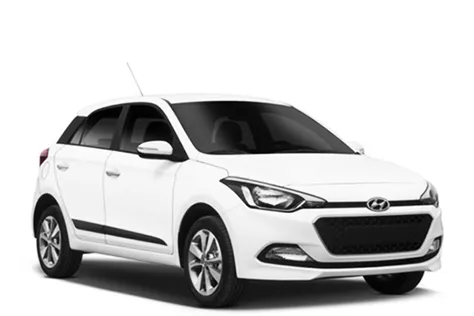
Hyundai i20 · 2018
automatic · 5 seats
179 € / day
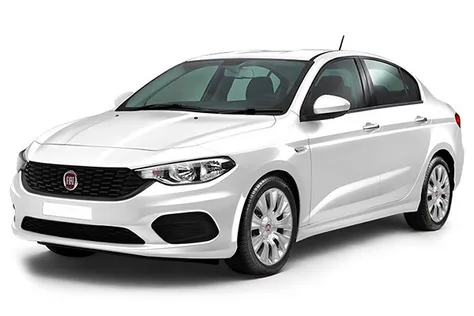
Fiat Egea · 2018
automatic · 5 seats
180 € / day
.webp)
Fiat Doblo · 2025
manual · 5 seats
183 € / day

Kia Rio · 2022
automatic · 5 seats
185 € / day
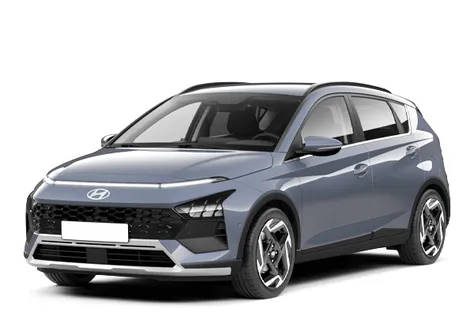
Hyundai Bayon · 2024
automatic · 5 seats
185 € / day
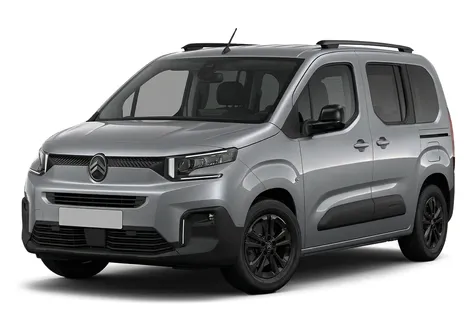
Citroen Berlingo · 2023
automatic · 5 seats
185 € / day
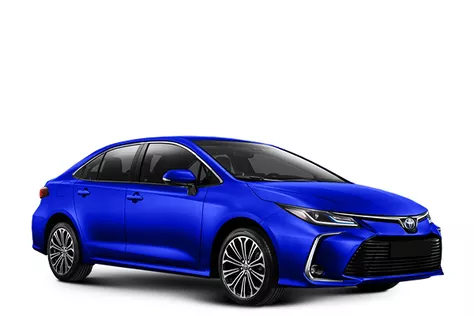
Toyota Corolla · 2022
automatic · 5 seats
187 € / day
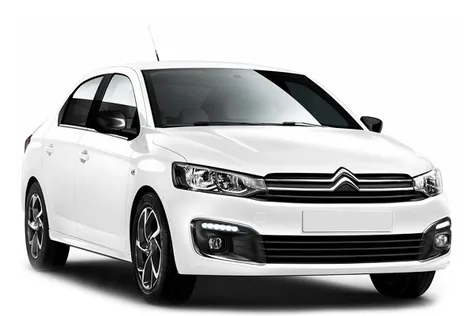
Citroen C-Elysee · 2021
manual · 5 seats
188 € / day
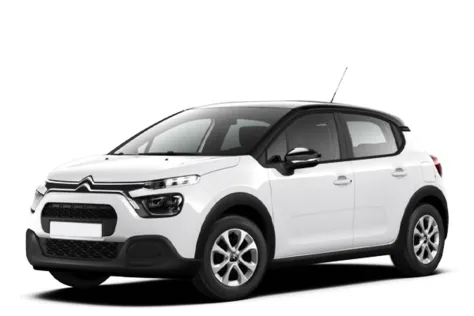
Citroen C3 · 2021
manual · 5 seats
188 € / day
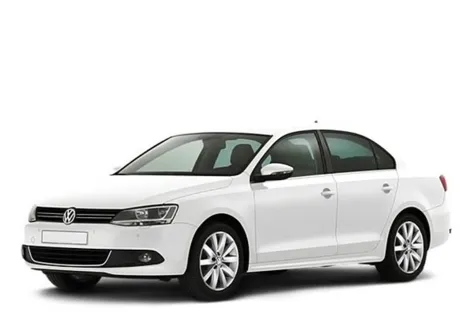
Volkswagen Jetta · 2014
manual · 5 seats
189 € / day
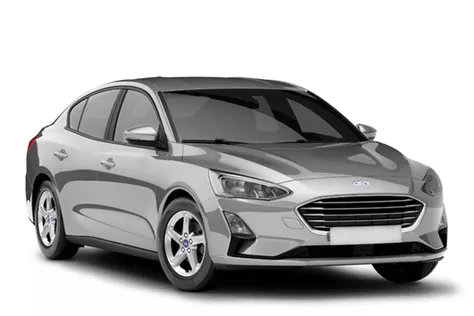
Ford Focus · 2022
automatic · 5 seats
190 € / day
Reviews
No reviews yet — be the first to share how renting here went.
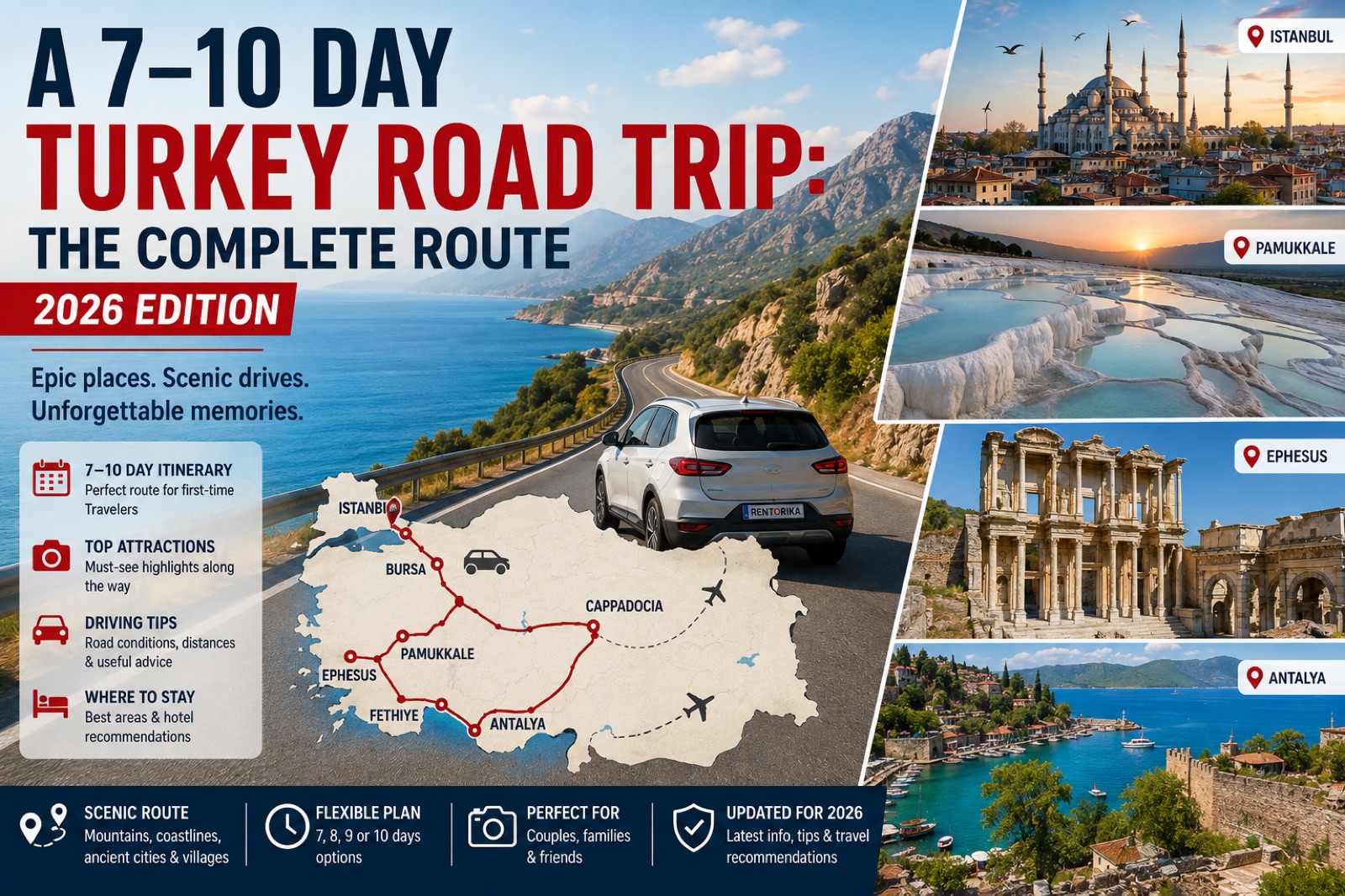
A 7–10 Day Turkey Road Trip: The Complete Route (2026 Edition)
Turkey rewards a driver more generously than almost any Mediterranean country still relatively affordable to explore this way. The route below strings together ancient…
Read →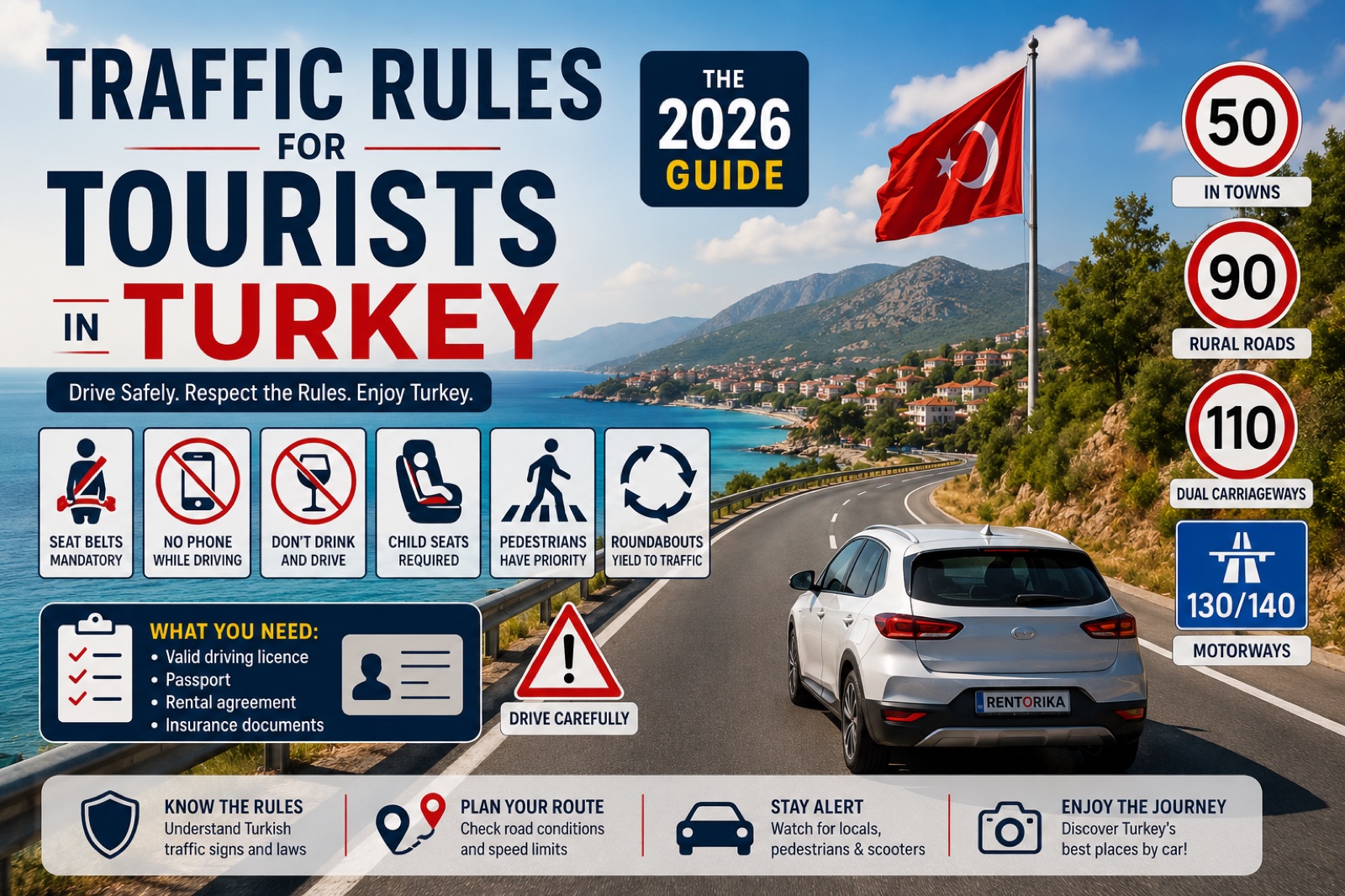
Traffic Rules for Tourists in Turkey: The 2026 Guide
Turkey rewrote a meaningful chunk of its Highway Traffic Law in early 2026, and the changes aren't cosmetic — fine amounts jumped sharply, the way speeding penalties are…
Read →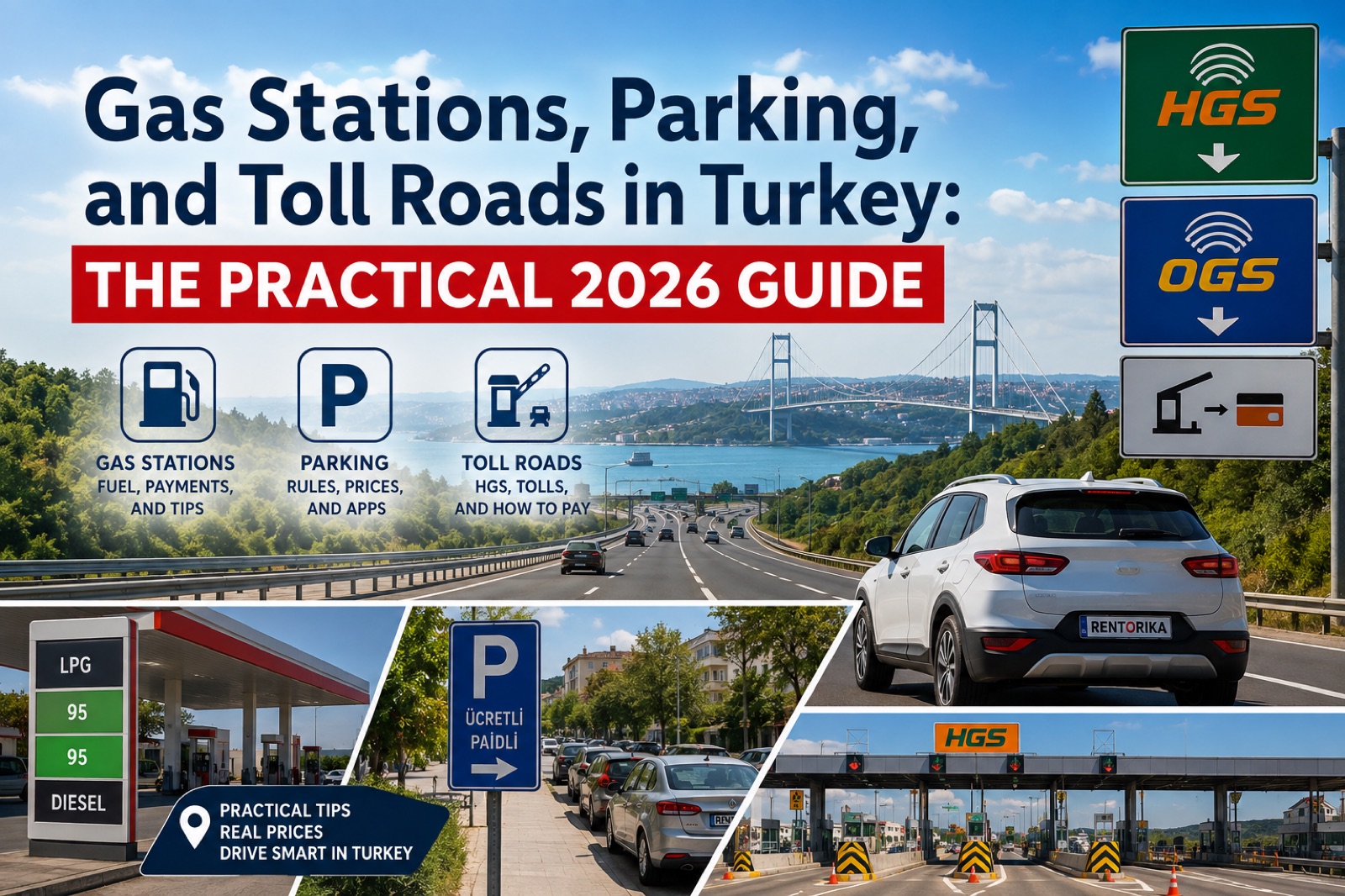
Gas Stations, Parking, and Toll Roads in Turkey: The Practical 2026 Guide
Renting a car in Turkey is the easy part. What actually determines whether your trip feels smooth or mildly stressful is the stuff nobody puts on the booking page: which…
Read →