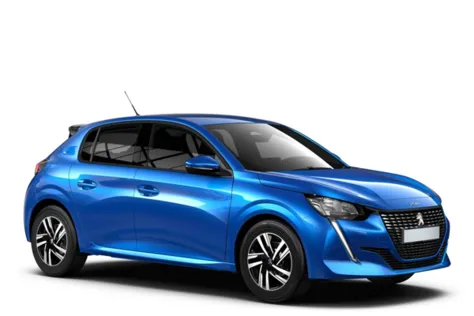
Peugeot 208 · 2023
automatic · 5 seats
98 € / day
Destination · Turkey
The scent of sun-baked pine and the distant call of gulls welcome you to Ayas, a coastal haven where the turquoise Mediterranean kisses ancient ruins. To truly immerse yourself in this timeless landscape, from the Roman aqueduct to hidden coves along the D400, your own set of wheels is essential.
The scent of sun-baked pine and the distant call of gulls welcome you to Ayas, a coastal haven where the turquoise Mediterranean kisses ancient ruins. To truly immerse yourself in this timeless landscape, from the Roman aqueduct to hidden coves along the D400, your own set of wheels is essential.

To rent a car in Turkey, you typically need a valid passport, a valid national driving license held for at least one or two years, and for non-EU citizens, an International Driving Permit (IDP) is usually required or strongly recommended. The minimum age for renting is generally 21, with some companies requiring drivers to be 23 or 25 for certain car classes, and a surcharge may apply for drivers under 25.
Car rental prices in Ayas vary significantly by season and car class. Economy cars might start from approximately 20 EUR per day in the low season, while SUVs or premium models can range from 50 EUR to 100 EUR or more daily, especially during peak summer months. Prices can fluctuate by up to 50% between the cheapest and most expensive times of the year.
Price by month, €
In Turkey, traffic drives on the right. Speed limits are generally 50 km/h in urban areas, 90 km/h on rural roads, and 120 km/h on motorways, though these can vary and are always signposted. The legal blood alcohol limit is very strict, effectively zero for most drivers (0.05% for private vehicles, 0.00% for commercial drivers), so it's best to avoid alcohol entirely if driving. Headlights are not mandatory during the day but should be used in low visibility. Seatbelts are compulsory for all occupants, and child seats are required for children under a certain height or age, typically up to 135 cm or 12 years old.
In Ayas, parking can be found along streets, often managed by attendants who collect a small fee, especially in busier areas. There are also designated parking lots. While some areas might offer free parking, particularly outside the immediate town center, it's safer to assume you'll pay a small fee in popular tourist spots. Always check for signs indicating parking restrictions or payment requirements.
Fuel stations are widely available throughout Turkey, including in and around Ayas. Both gasoline (petrol) and diesel are common. The price of fuel is regulated and tends to be higher than in some other European countries, typically around 1 EUR to 1.2 EUR per liter for gasoline and diesel, though this fluctuates. Most stations accept credit cards, but having some local currency (Turkish Lira) for smaller purchases or older pumps is advisable.
For exploring Ayas and its coastal surroundings, a compact or economy car is generally sufficient for couples or small families, navigating town streets and coastal roads easily. If you plan to venture into more rural or slightly hilly areas, a car with a bit more engine power might be comfortable. An automatic transmission can make driving more relaxed, especially if you're not used to manual gears on varied terrain.
Pros
Cons
You will need a valid passport, a national driving license held for at least one to two years, and usually an International Driving Permit (IDP) if your license is not from an EU country.
The minimum age is typically 21, but some car categories or rental companies may require drivers to be 23 or 25, often with an additional young driver surcharge.
While some local agencies might accept debit cards, most international and larger rental companies require a credit card in the main driver's name for the security deposit. It's best to check with your specific rental provider.
Remember to drive on the right, always wear seatbelts, and adhere to strict speed limits. The alcohol limit for drivers is very low (effectively zero), so it's advisable not to drink and drive at all.
While there might be local agencies in Ayas, for a wider selection and potentially better rates, consider picking up your car at Adana Şakirpaşa Airport (ADA), which is the closest major airport and offers numerous rental options. You can then drive to Ayas, which is approximately a 1.5 to 2-hour drive.
132 offers from local rental companies · from 98 € per day
Peugeot 208 · 2023
automatic · 5 seats
98 € / day
.webp)
Renault Clio · 2025
automatic · 5 seats
98 € / day
.webp)
Opel Corsa · 2025
automatic · 5 seats
98 € / day
.webp)
Hyundai i20 · 2025
automatic · 5 seats
98 € / day
.webp)
Hyundai Bayon · 2023
automatic · 5 seats
101 € / day
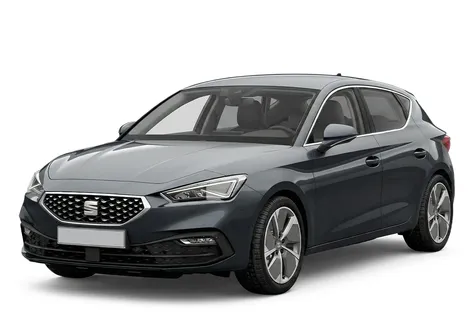
SEAT Leon · 2023
automatic · 5 seats · no deposit
101 € / day
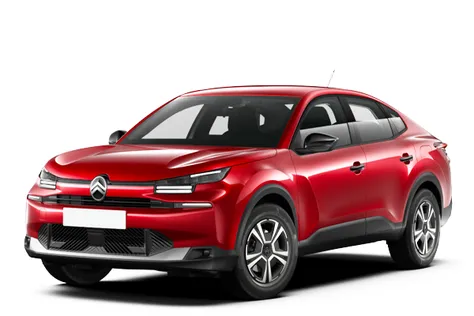
Citroen C4 X · 2025
automatic · 5 seats
102 € / day
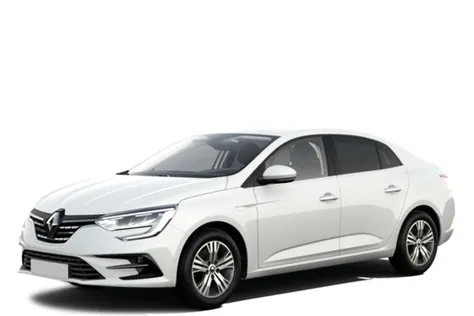
Renault Megane · 2023
automatic · 5 seats
102 € / day
.webp)
Opel Mokka · 2025
automatic · 5 seats
102 € / day
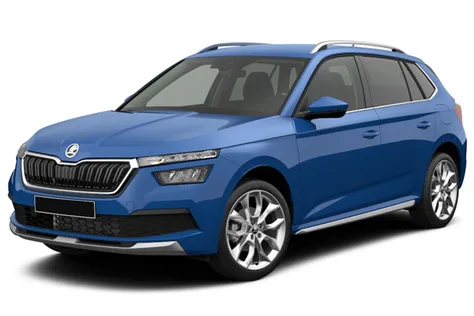
Skoda Kamiq · 2022
automatic · 5 seats
102 € / day

Skoda Scala · 2025
automatic · 5 seats
102 € / day
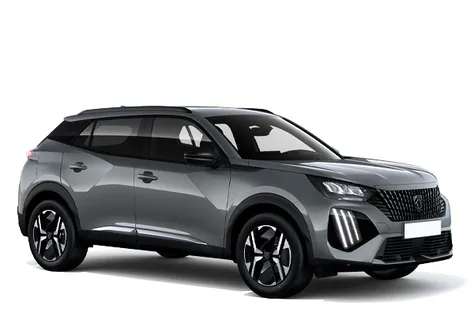
Peugeot 2008 · 2025
automatic · 5 seats
102 € / day
Reviews
No reviews yet — be the first to share how renting here went.
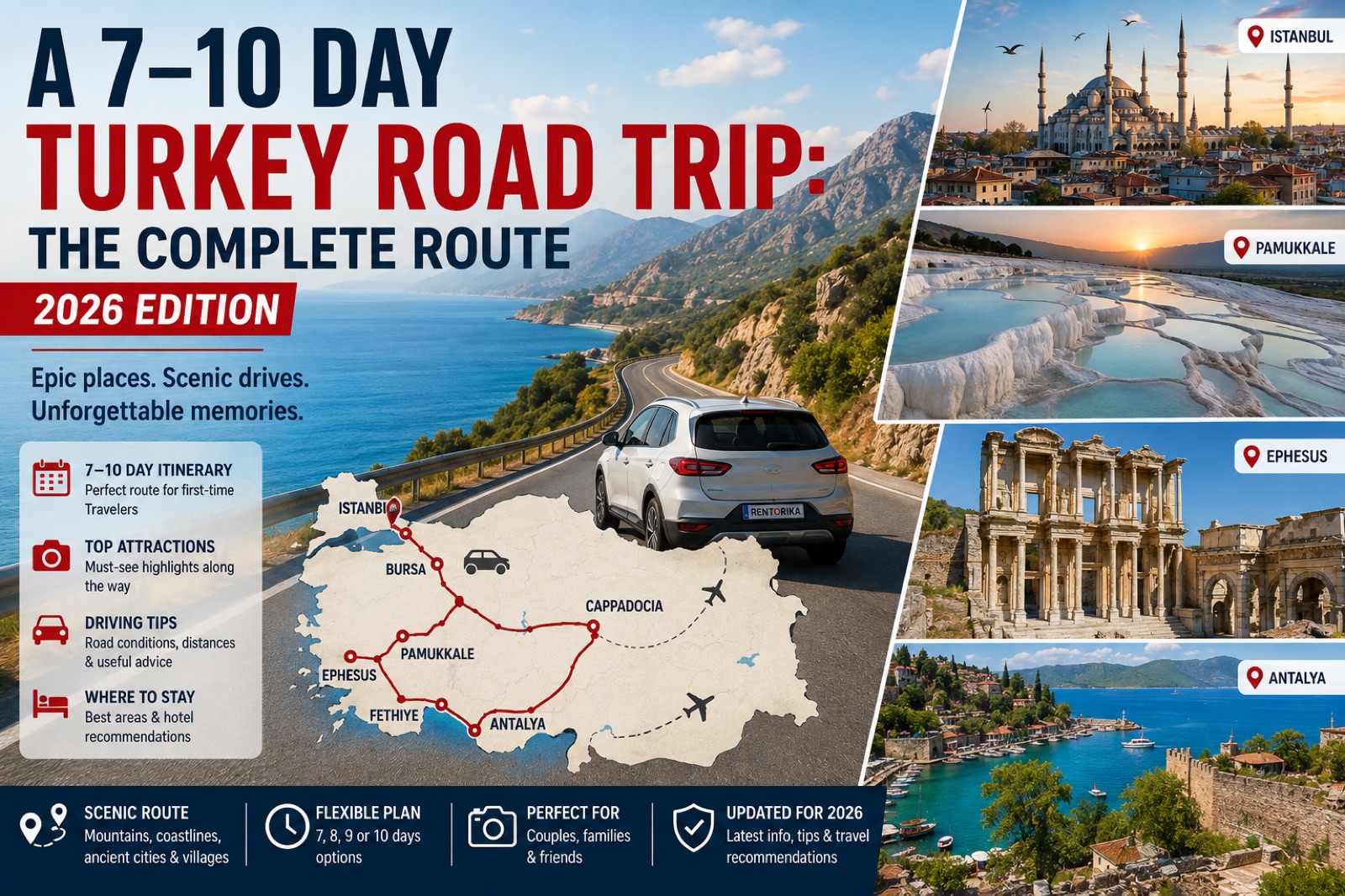
A 7–10 Day Turkey Road Trip: The Complete Route (2026 Edition)
Turkey rewards a driver more generously than almost any Mediterranean country still relatively affordable to explore this way. The route below strings together ancient…
Read →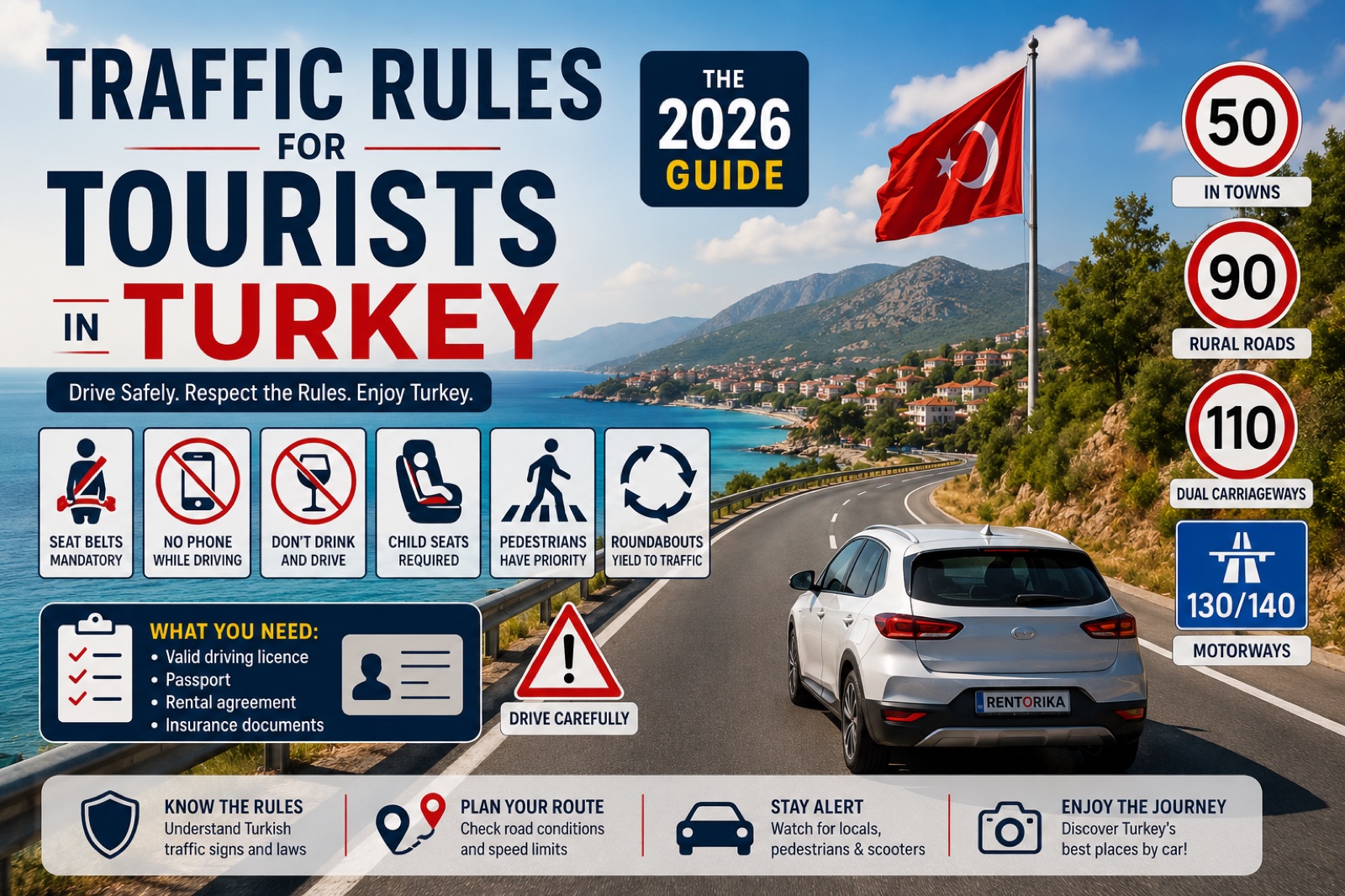
Traffic Rules for Tourists in Turkey: The 2026 Guide
Turkey rewrote a meaningful chunk of its Highway Traffic Law in early 2026, and the changes aren't cosmetic — fine amounts jumped sharply, the way speeding penalties are…
Read →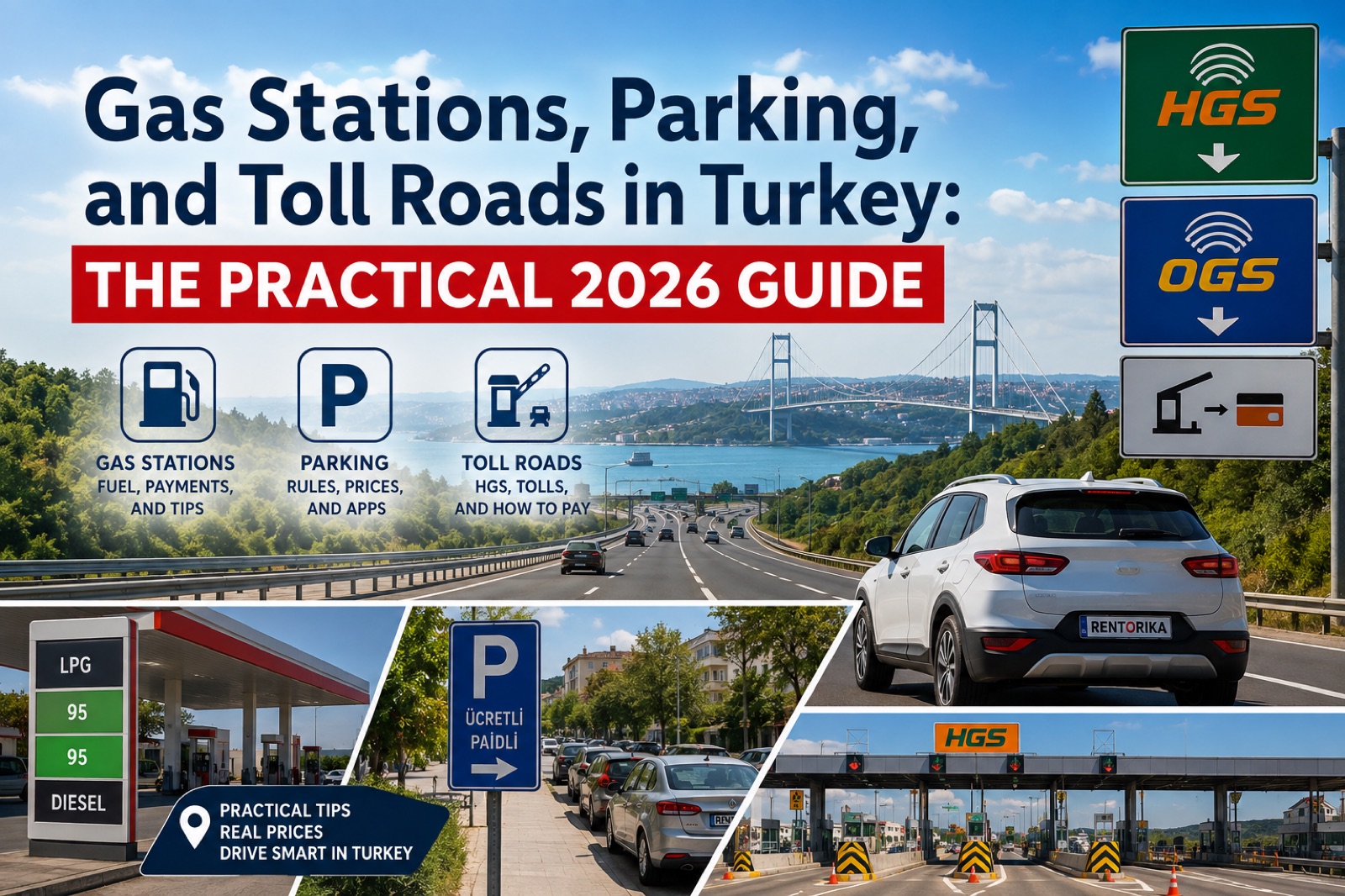
Gas Stations, Parking, and Toll Roads in Turkey: The Practical 2026 Guide
Renting a car in Turkey is the easy part. What actually determines whether your trip feels smooth or mildly stressful is the stuff nobody puts on the booking page: which…
Read →